by Missie Hills | Mar 24, 2026 | North America
After the stillness and vastness of Death Valley, Joshua Tree felt like stepping into a completely different kind of desert story. One with a lot of personality.
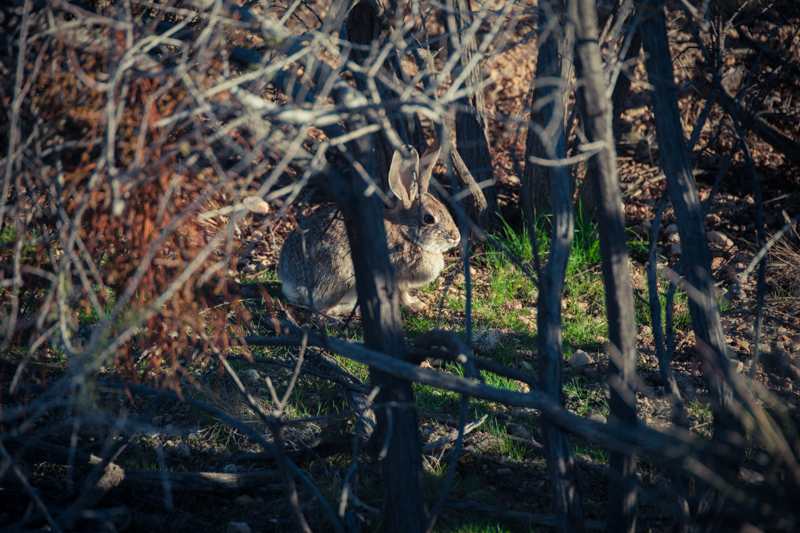
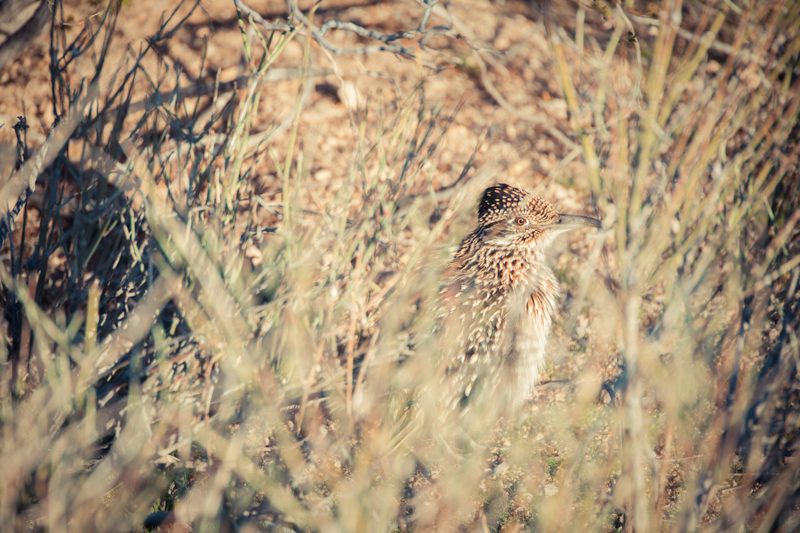
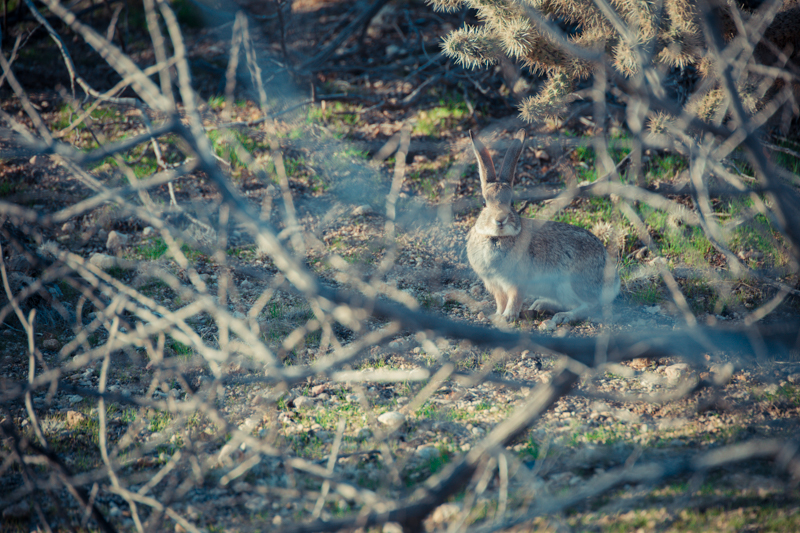
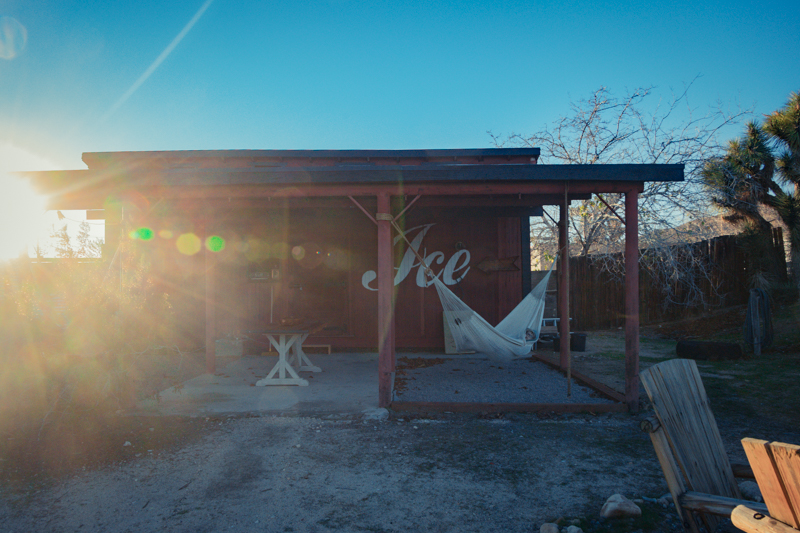
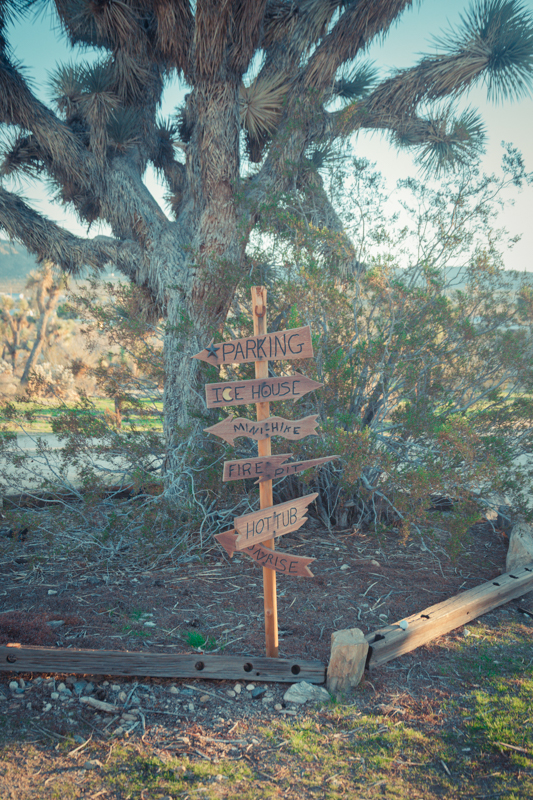
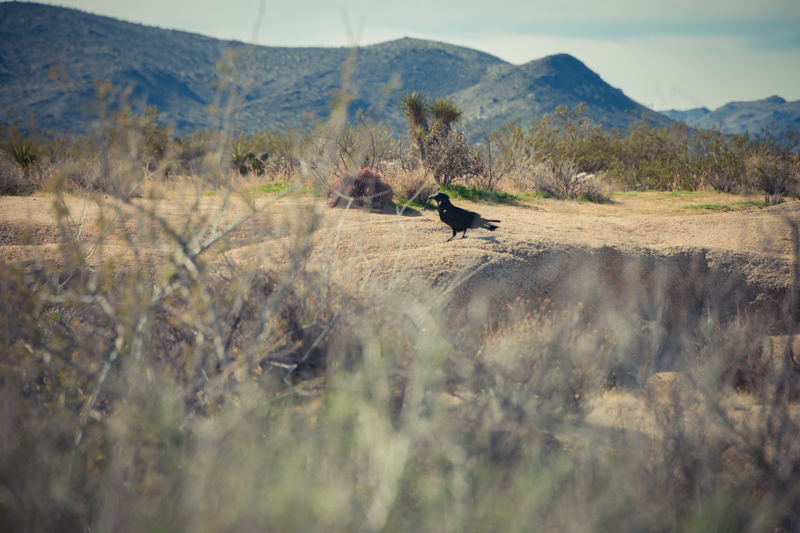
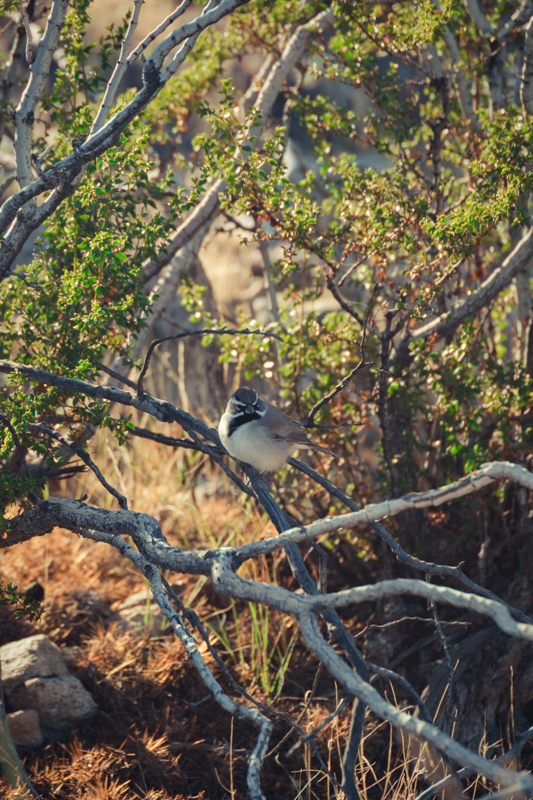
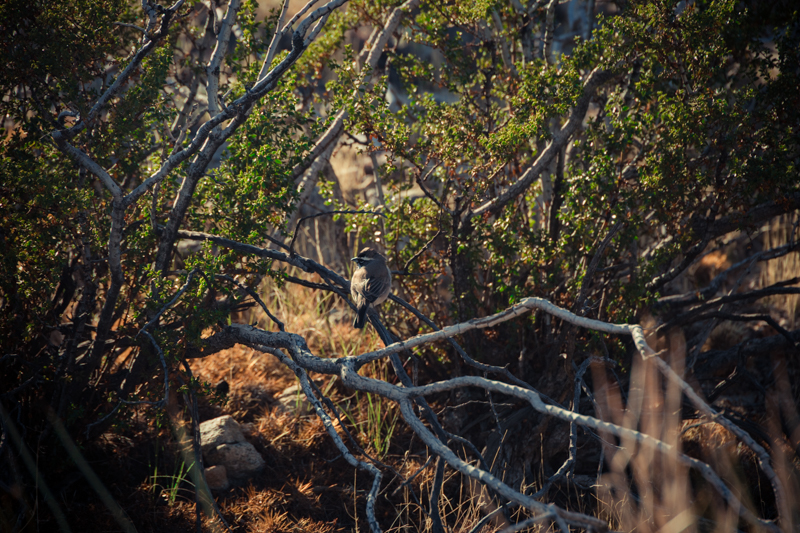
We rented the coziest little house in the town of Joshua Tree, tucked away just enough to feel secluded, but still close to everything. It didn’t take long before we realized we weren’t the only ones calling it home for the week. A small rabbit made regular appearances nearby, along with his roadrunner buddy. It was quiet in that very specific desert way. Still, but alive.
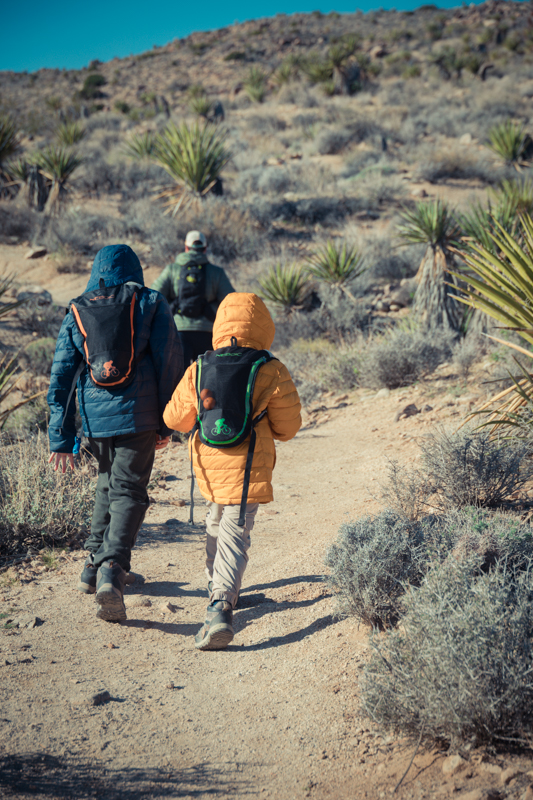
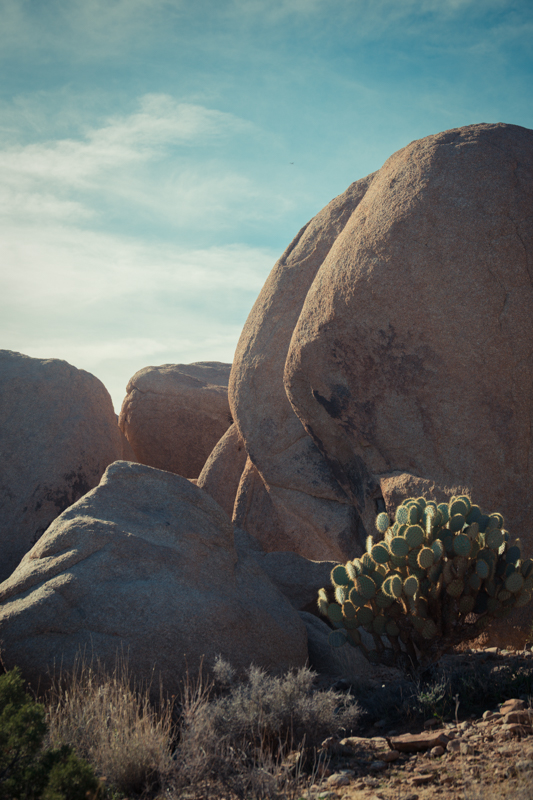
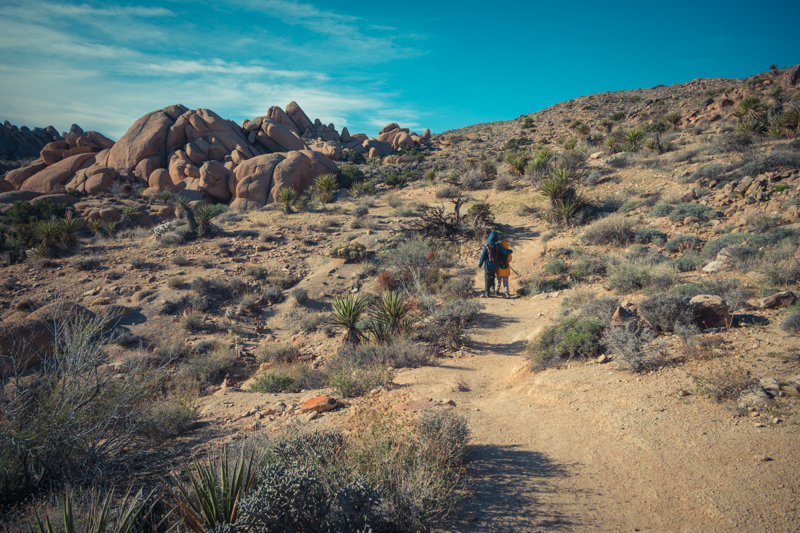
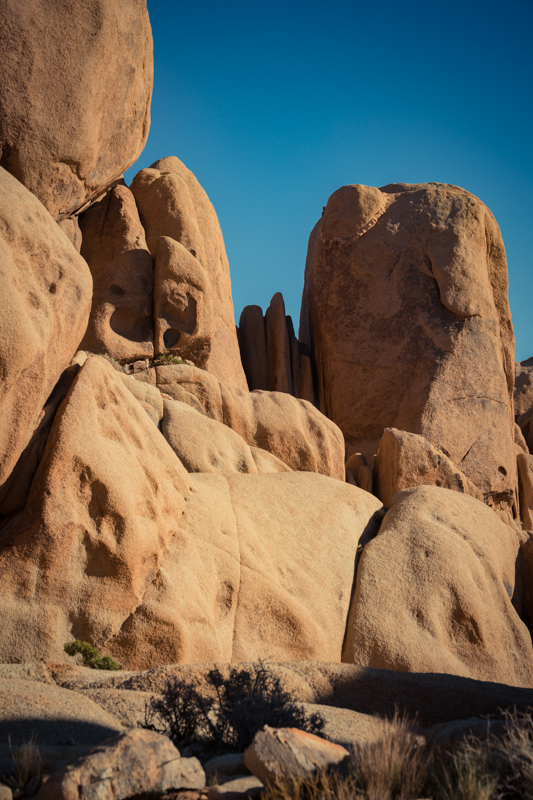
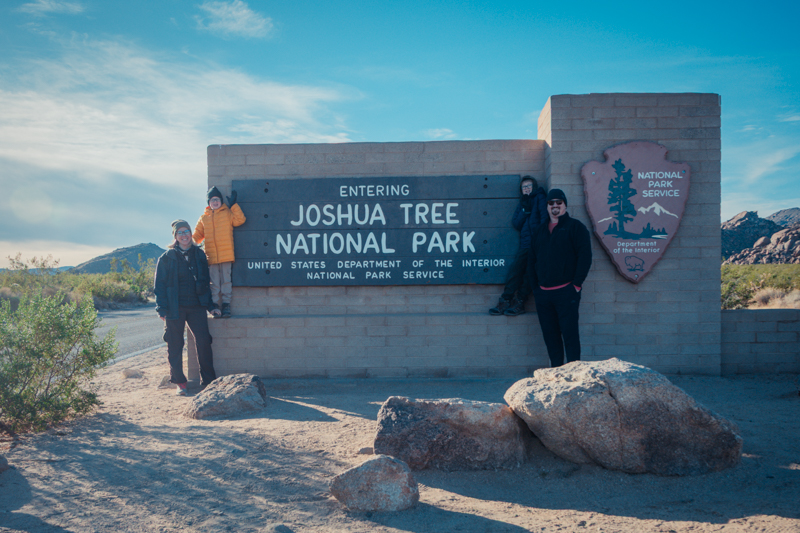
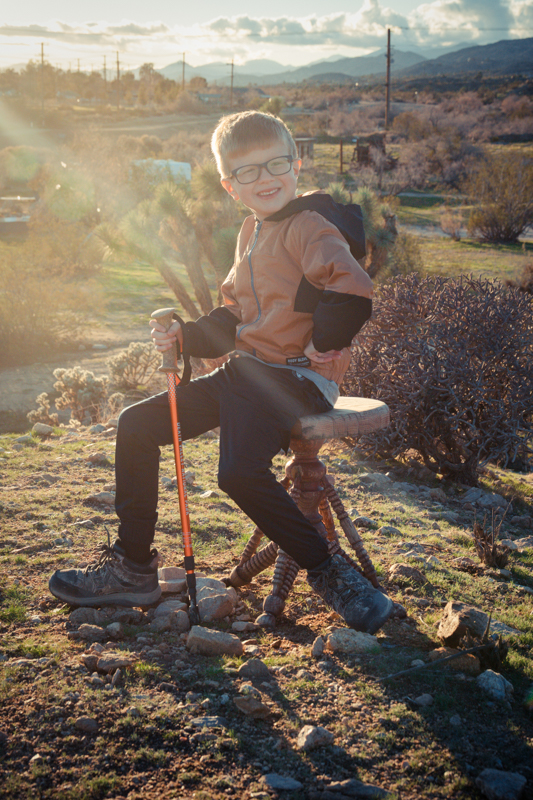
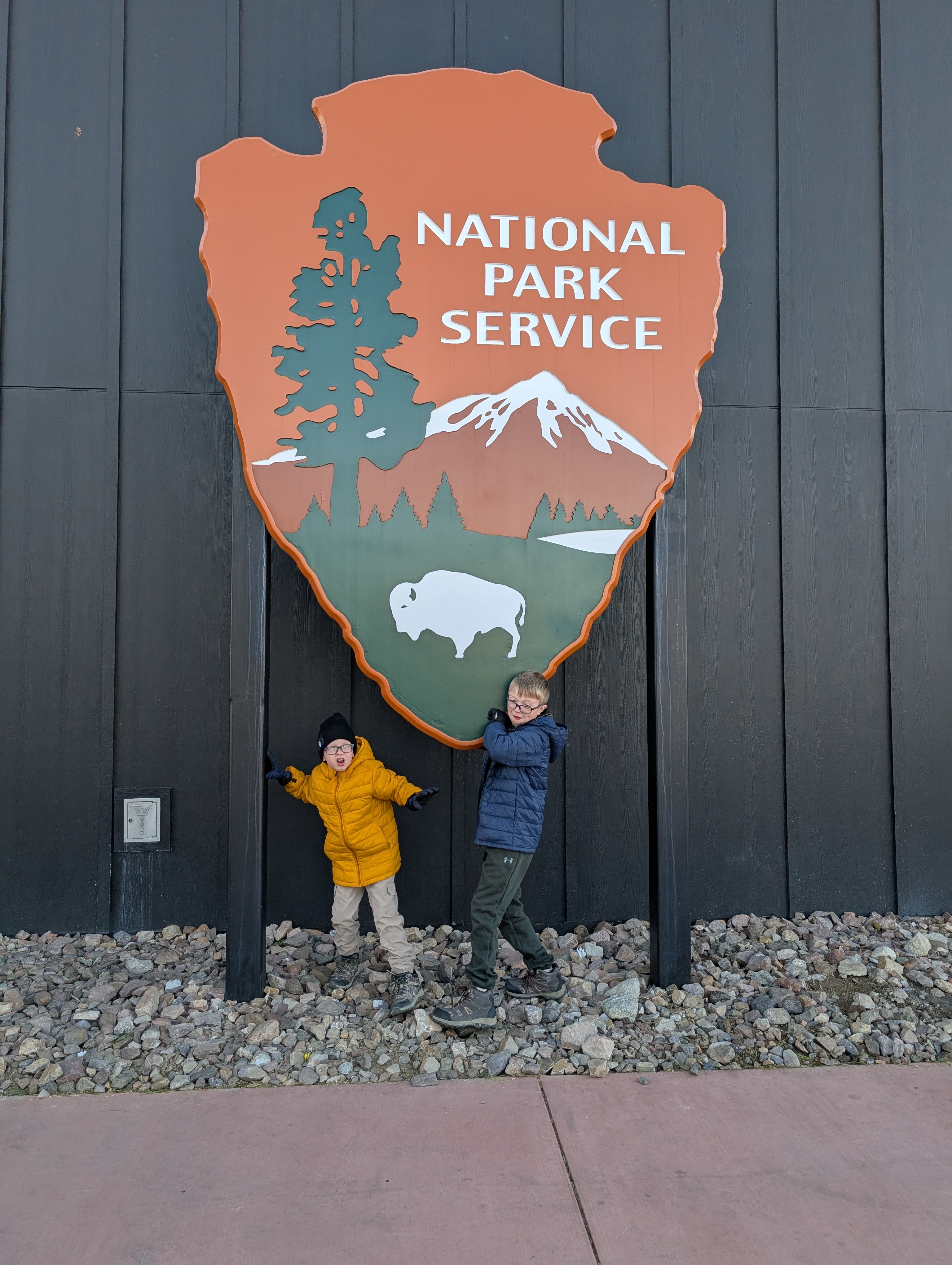
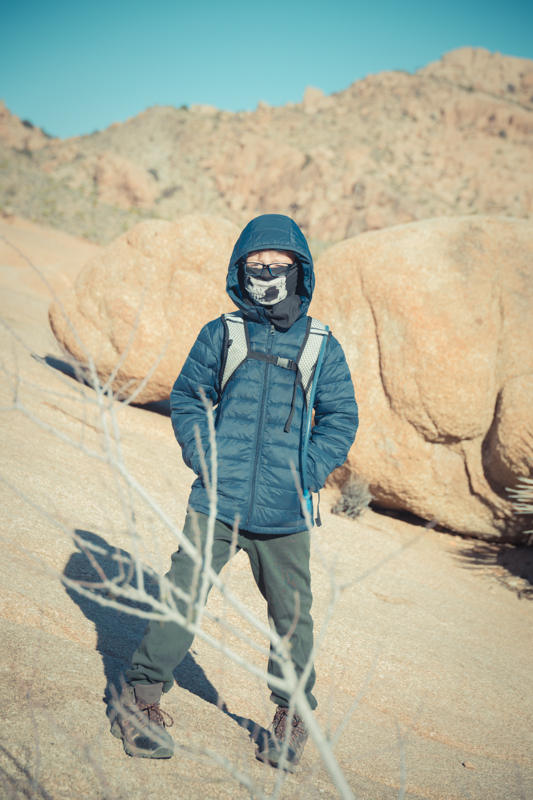
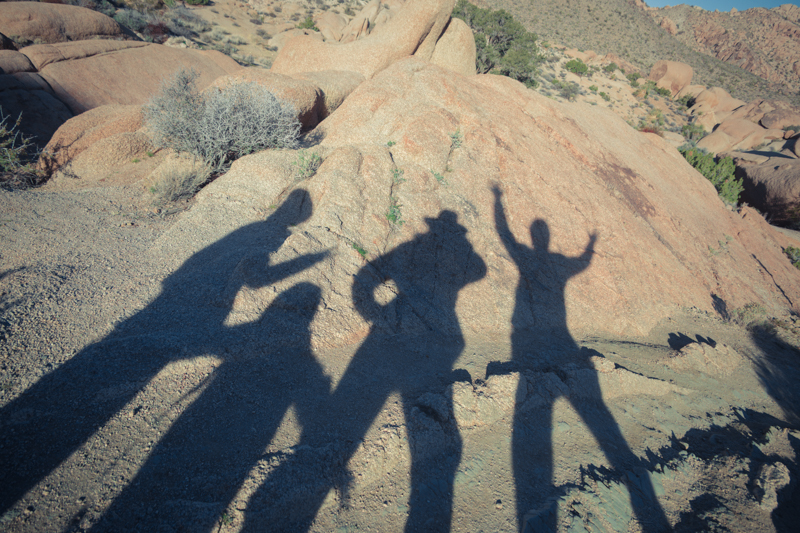
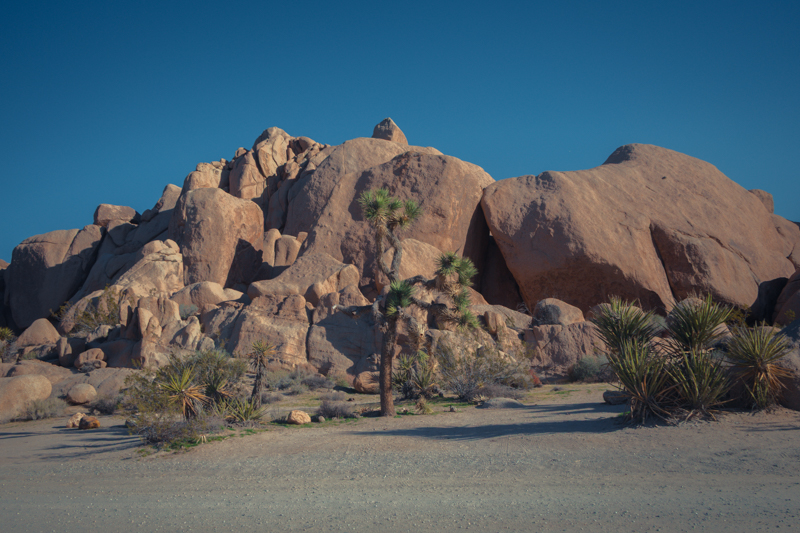
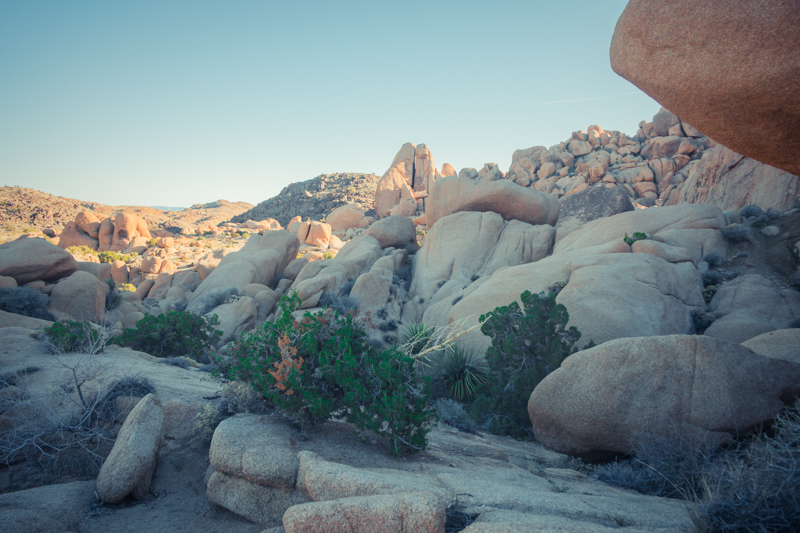
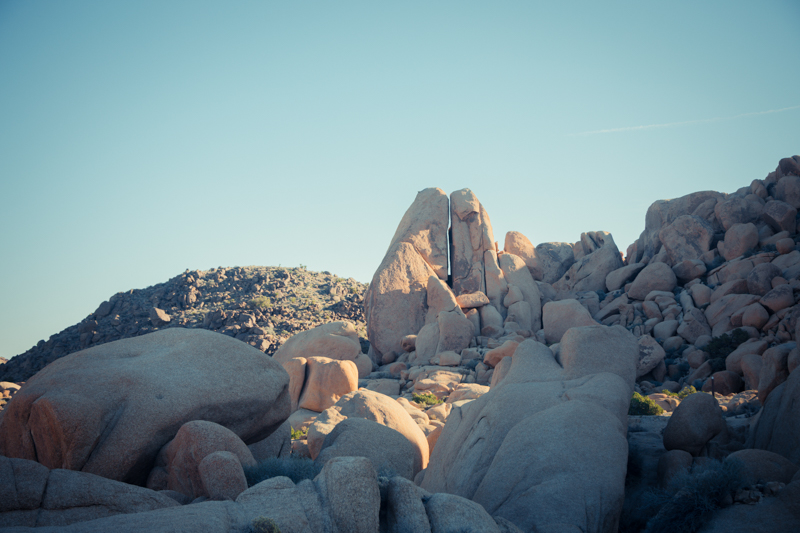
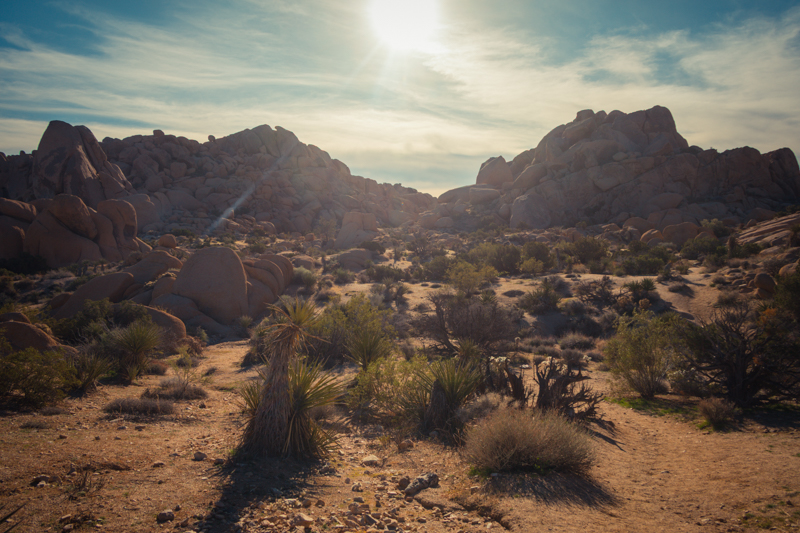
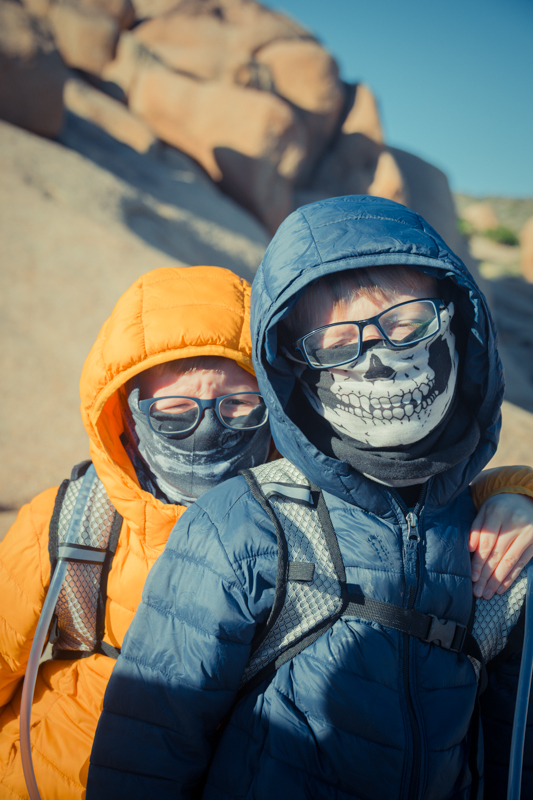
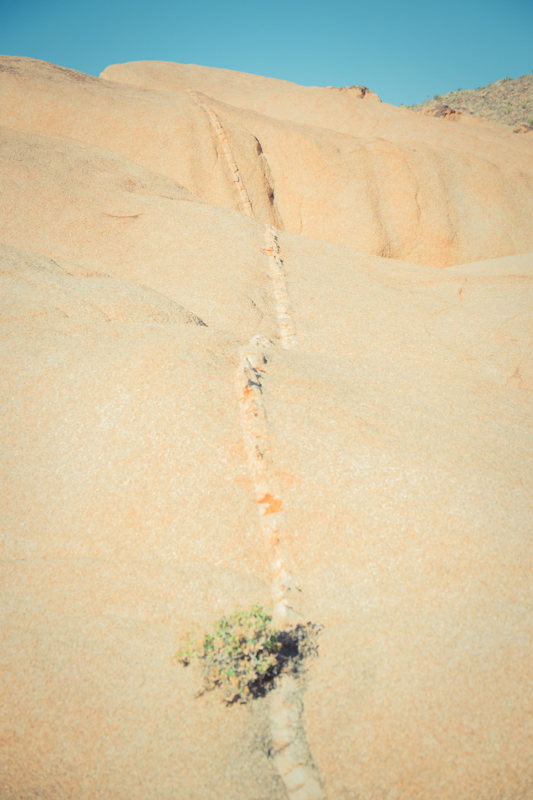
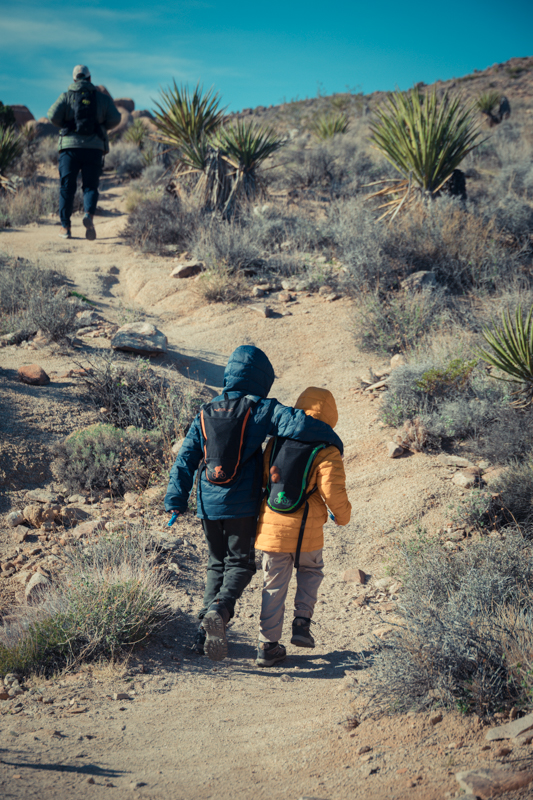
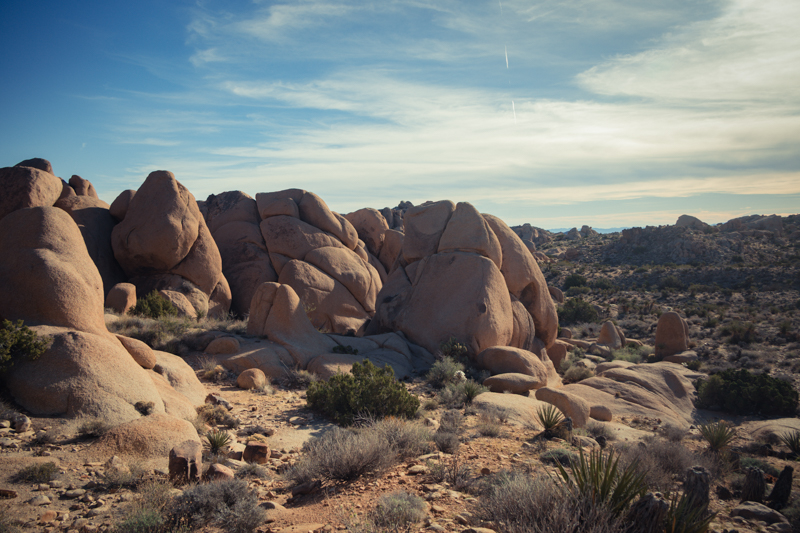
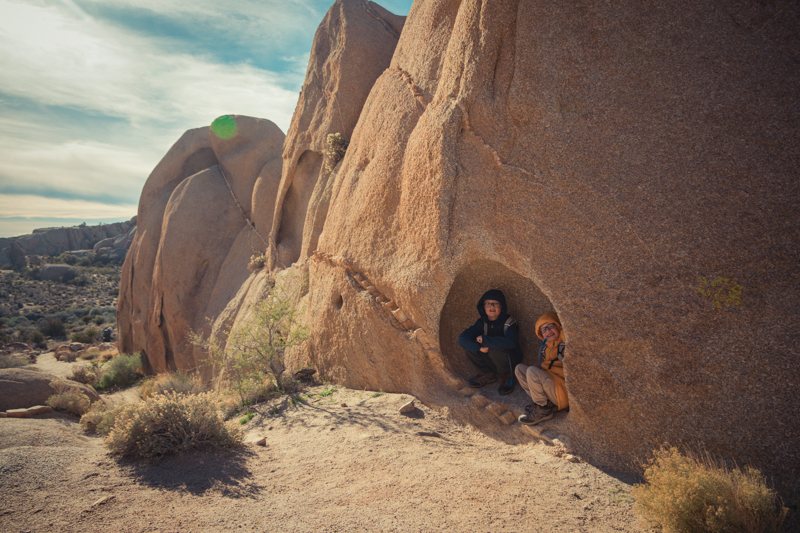
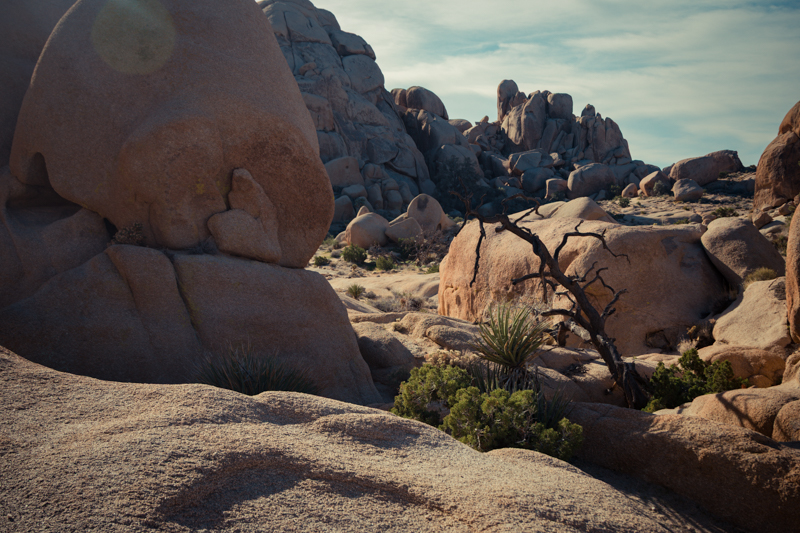
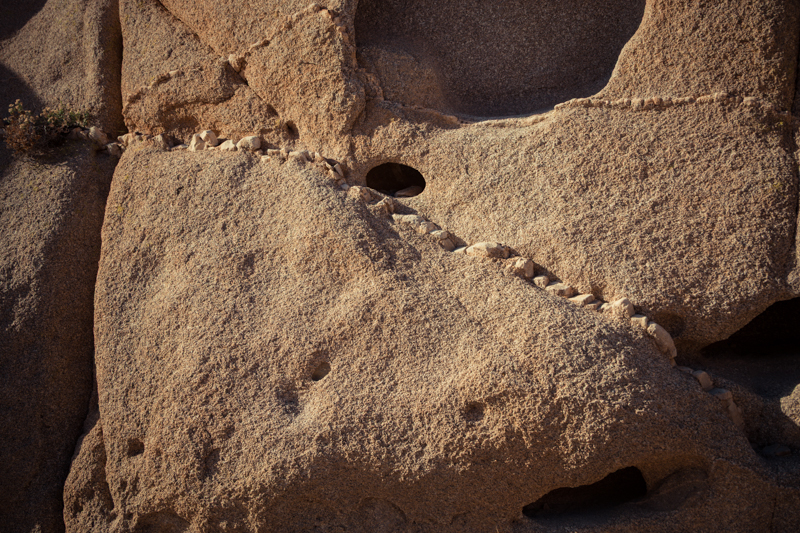
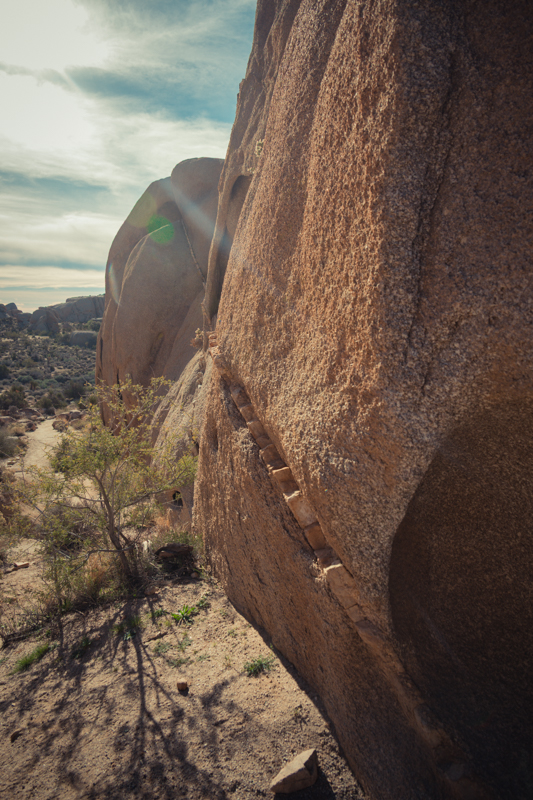
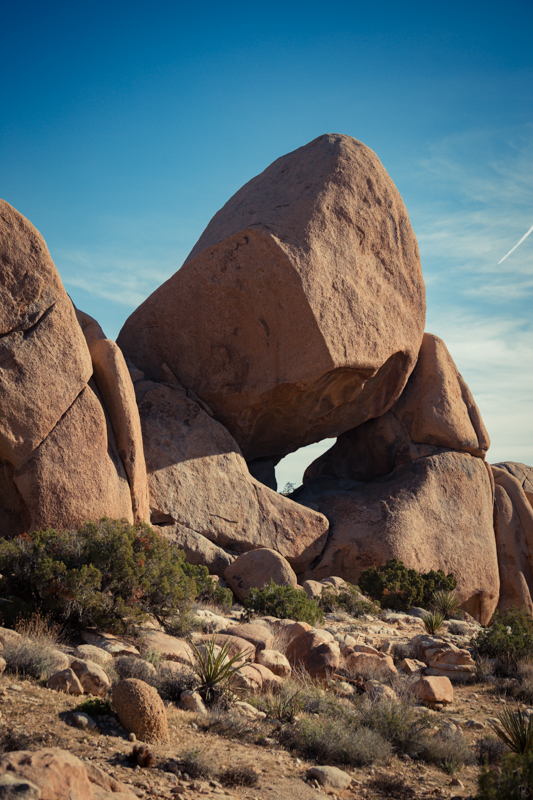
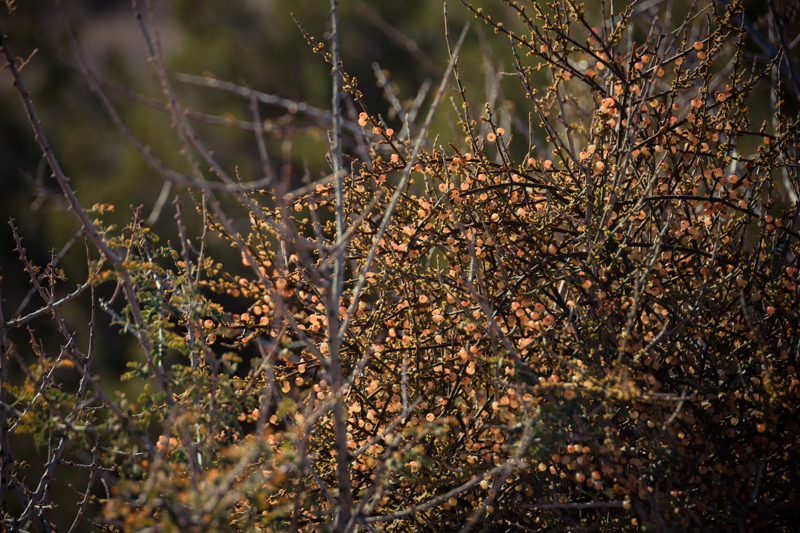
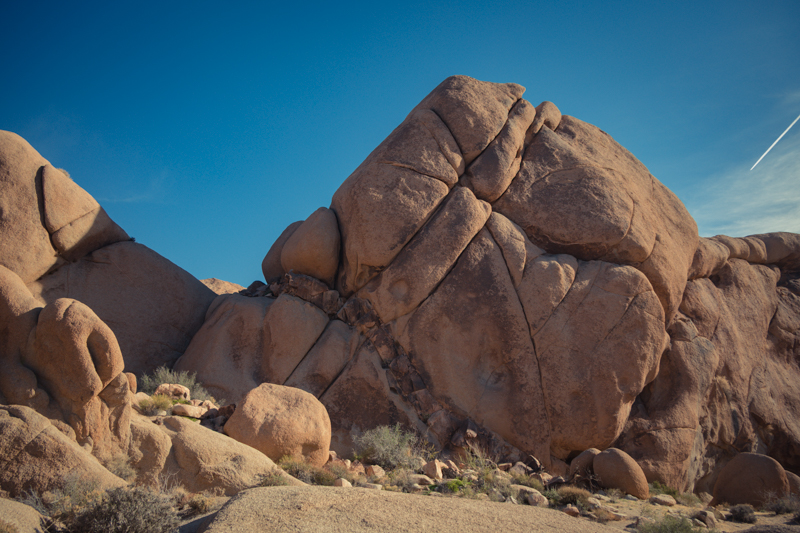
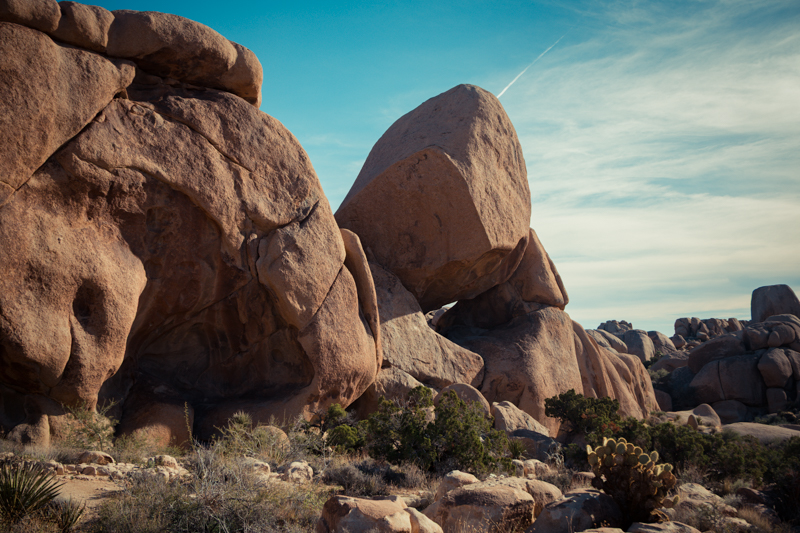
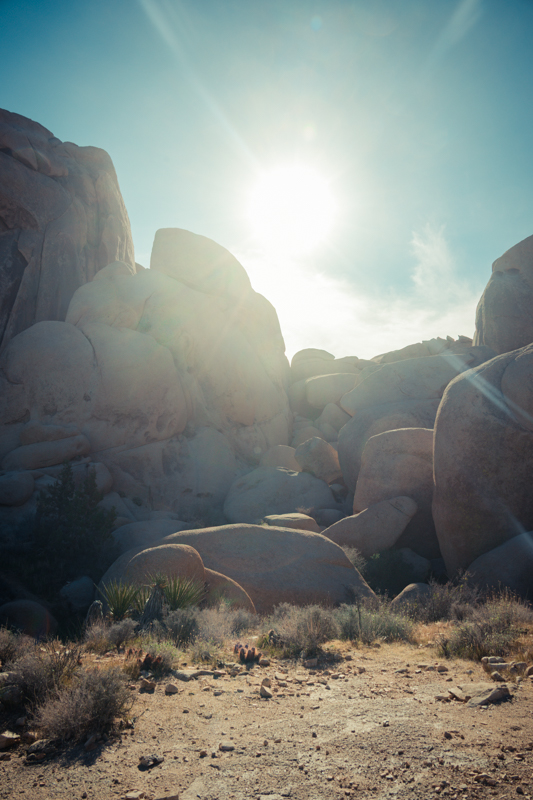
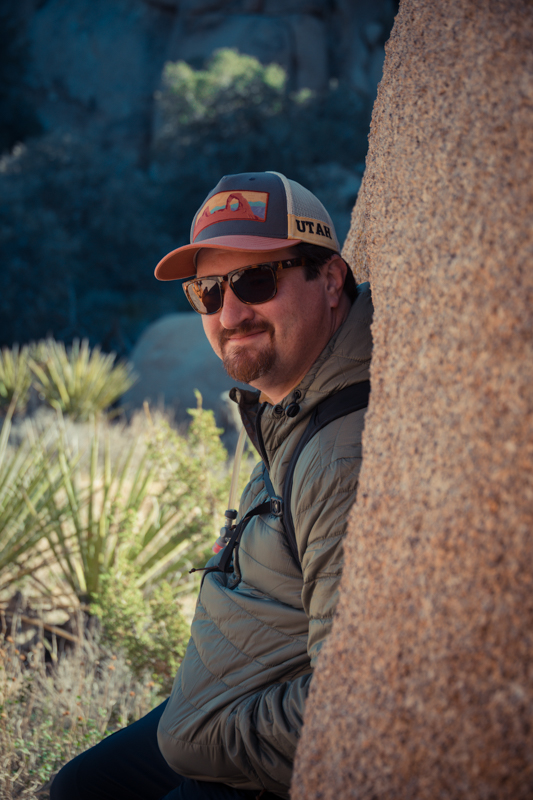
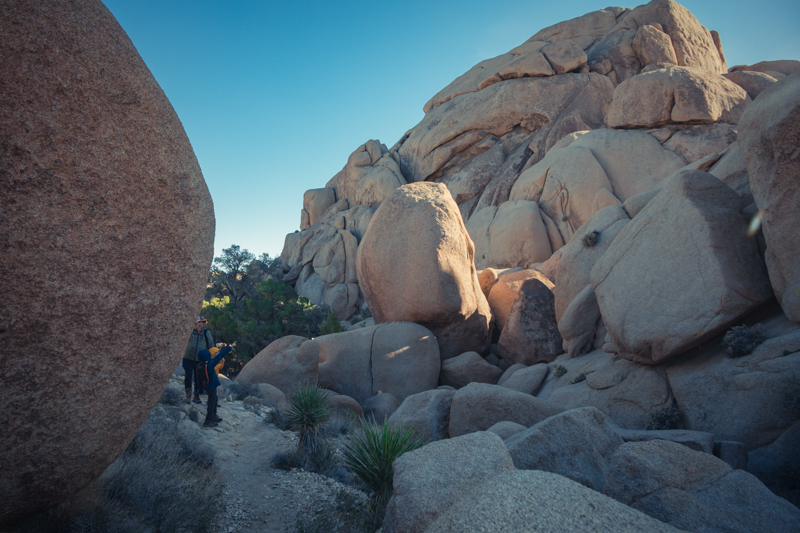
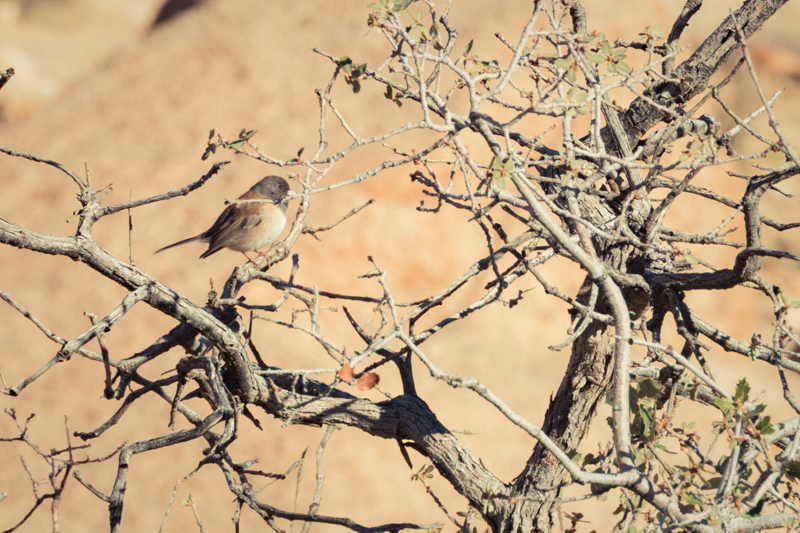
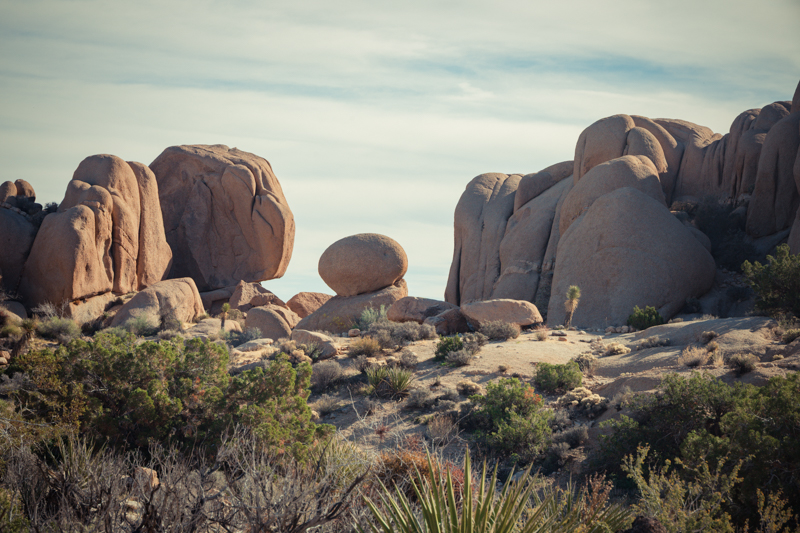
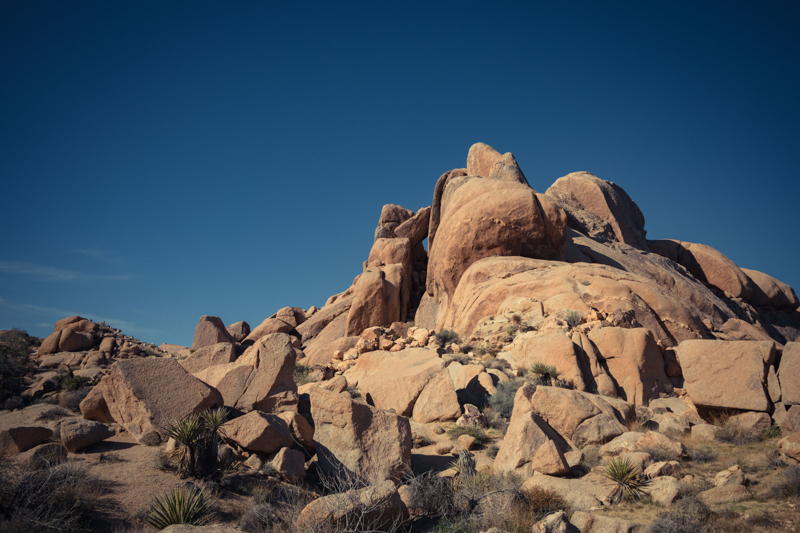
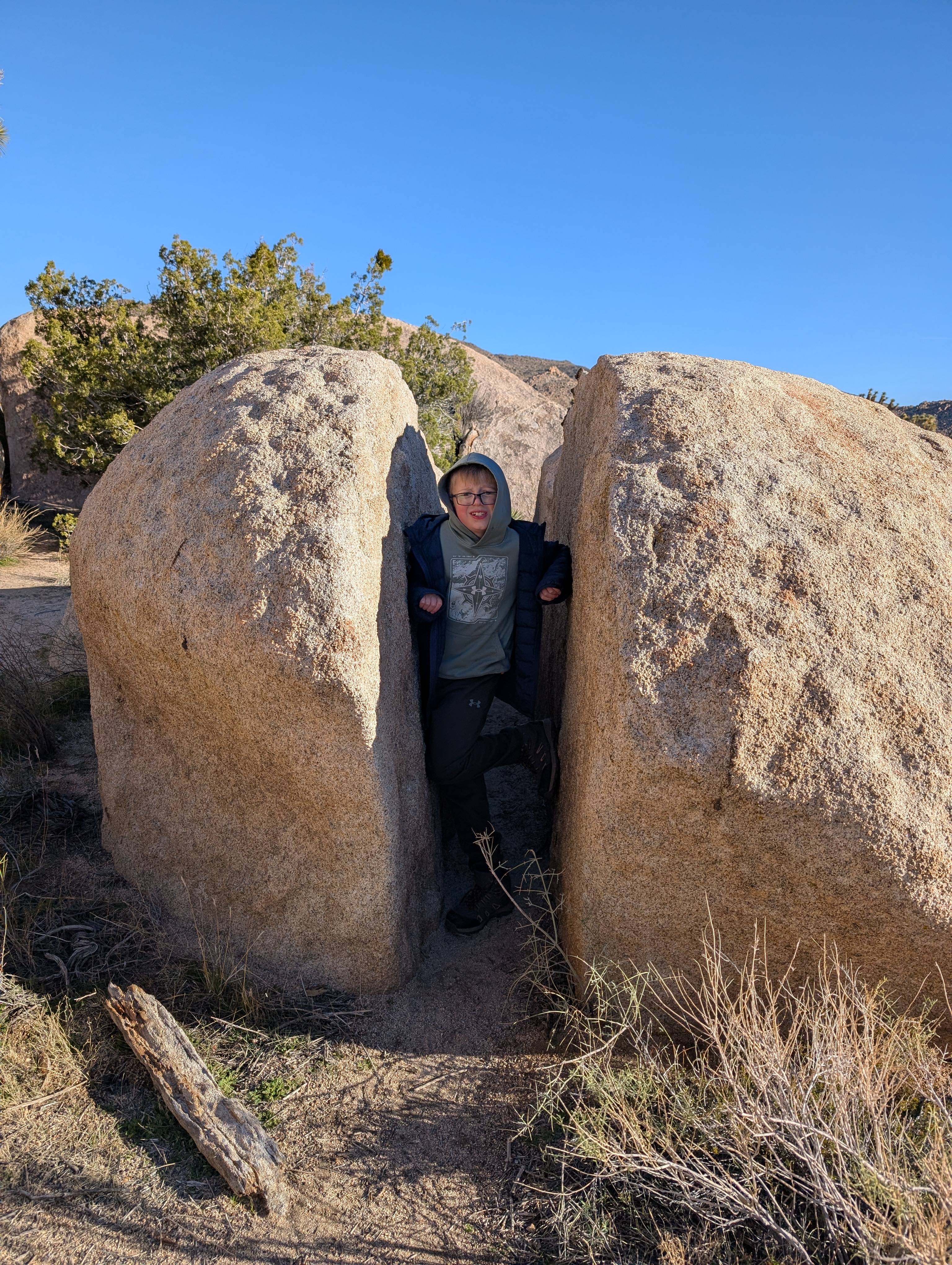
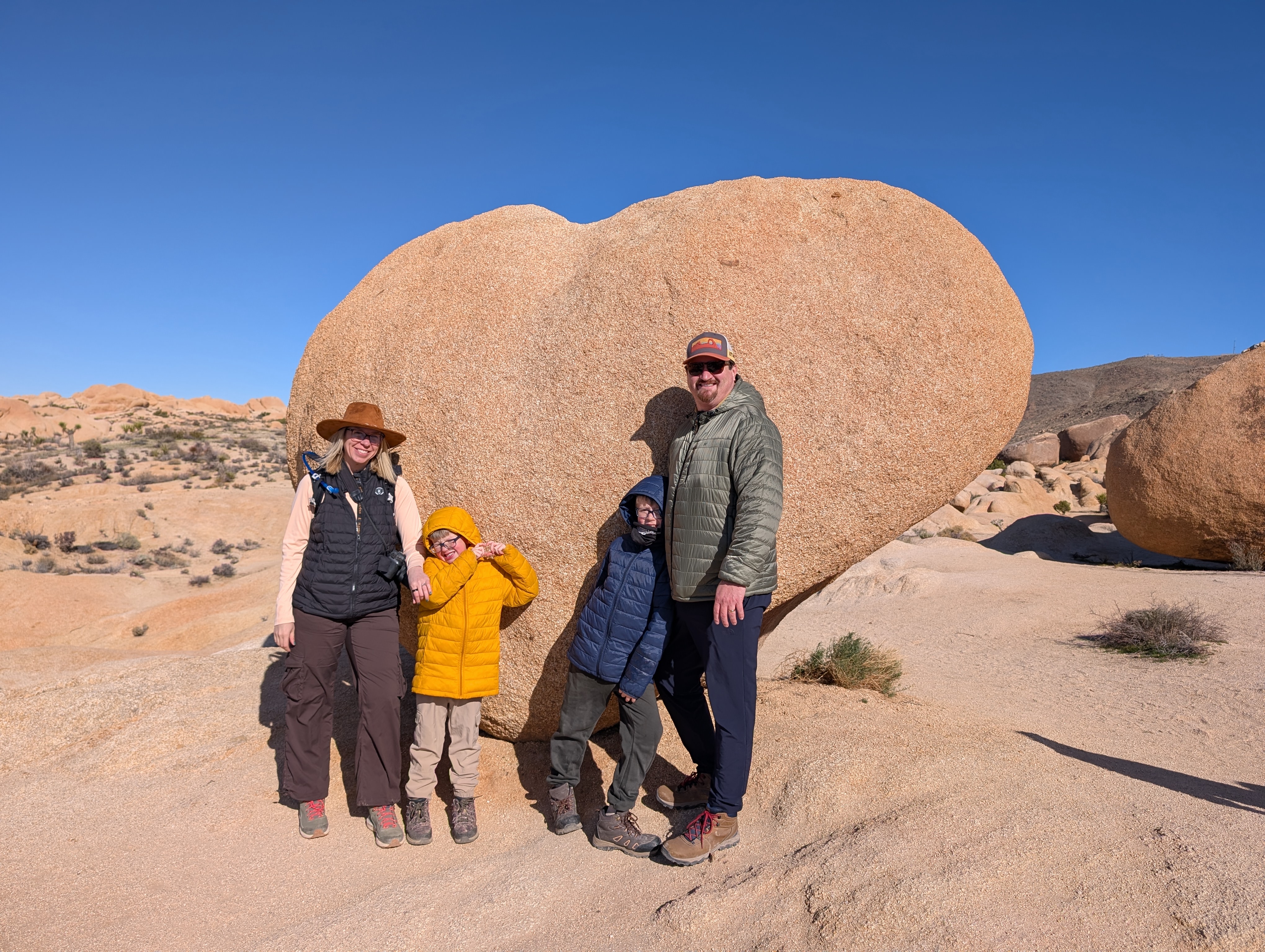
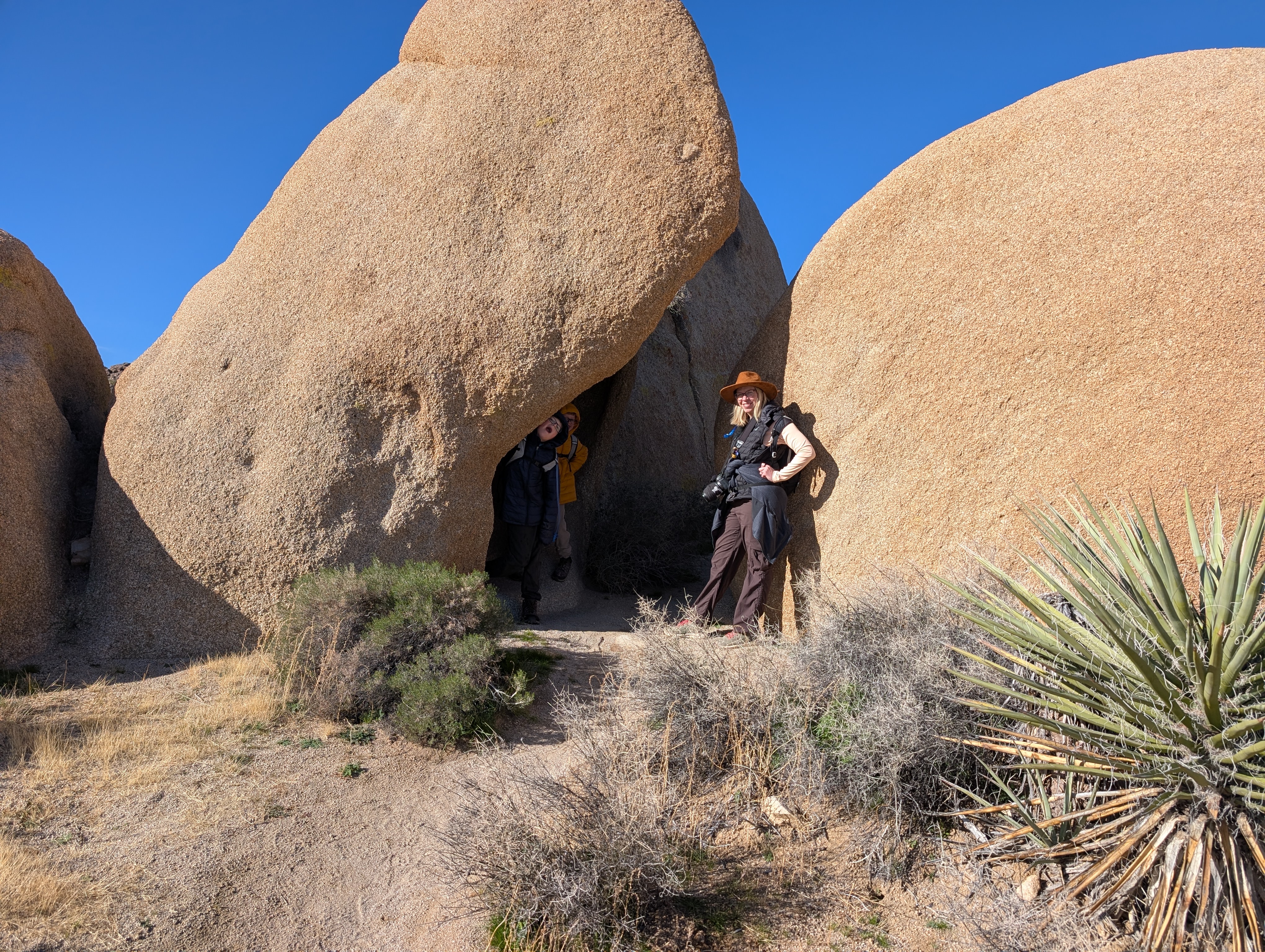
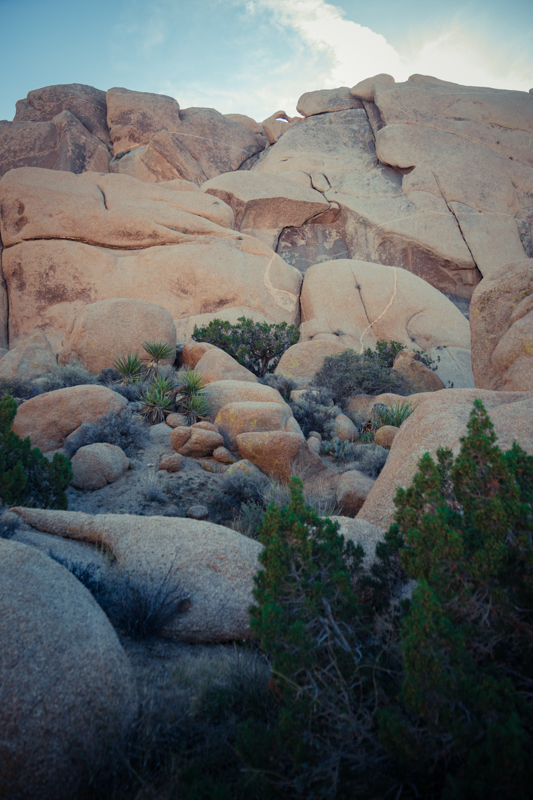
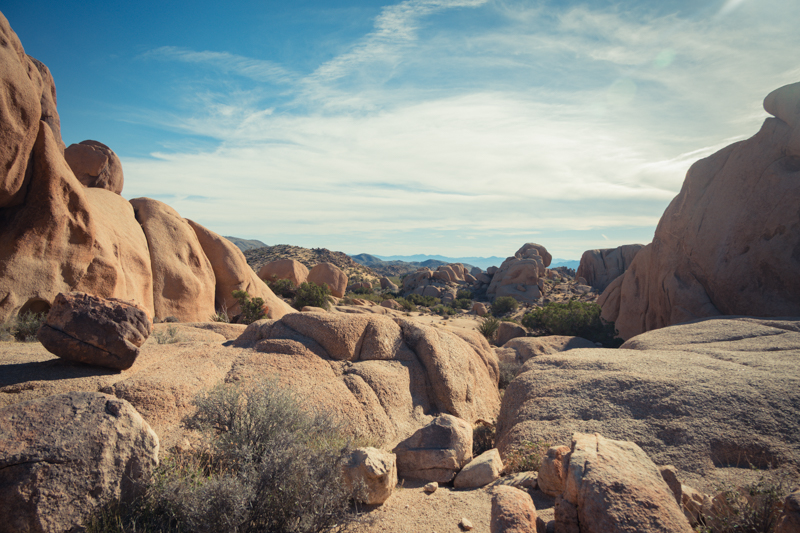
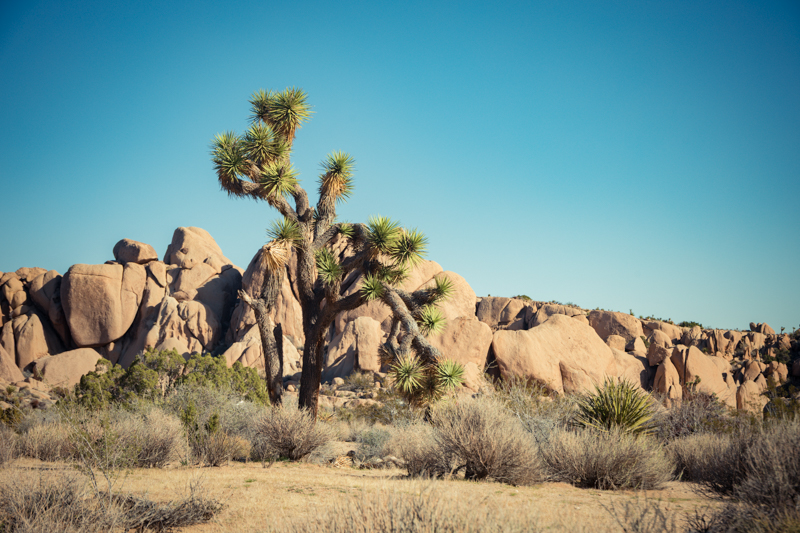
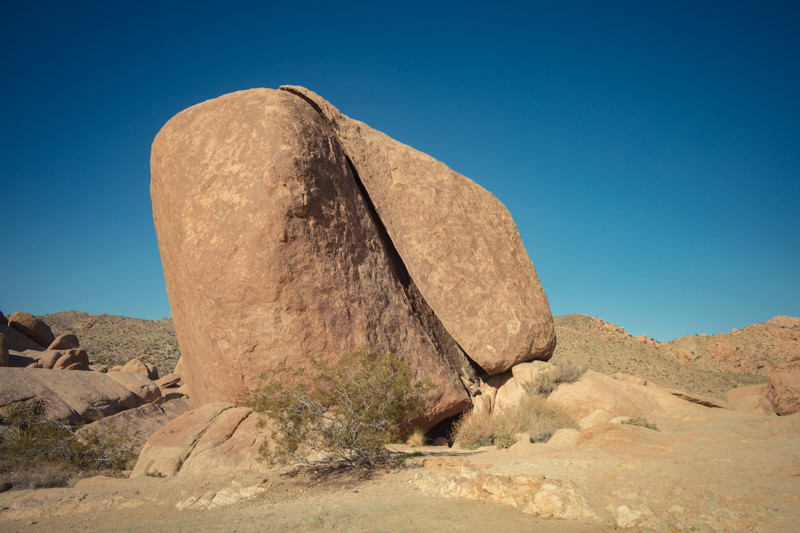
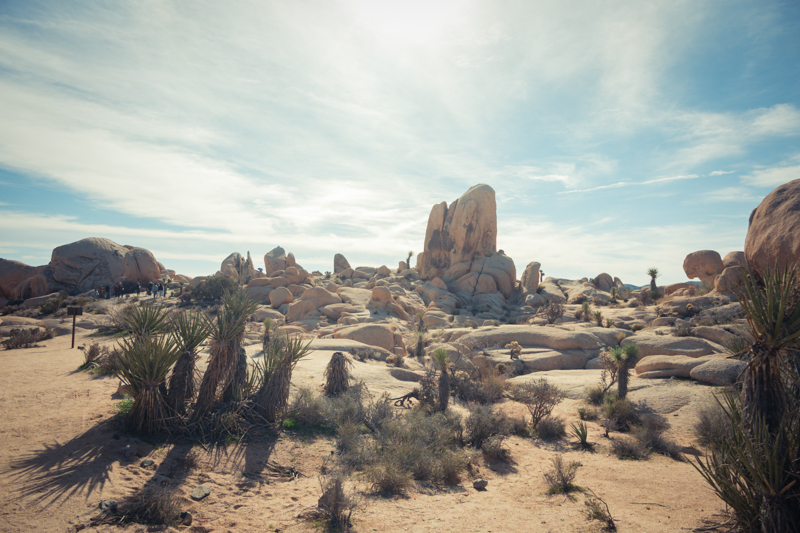
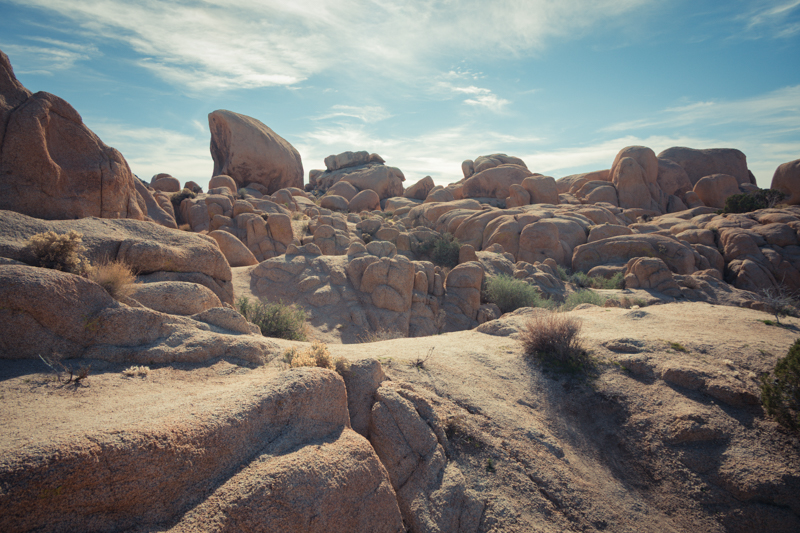
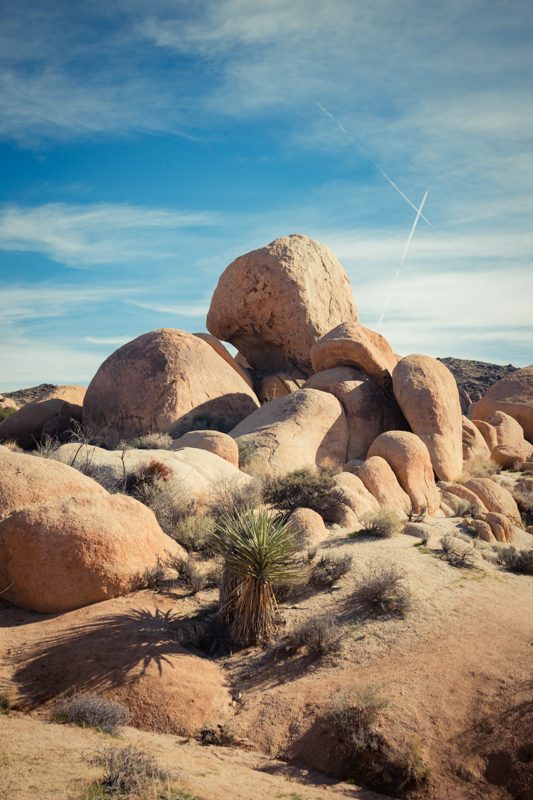
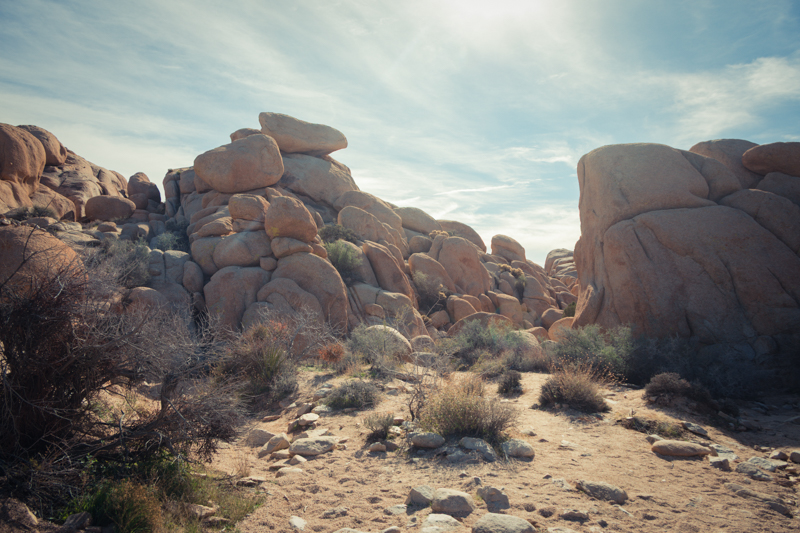
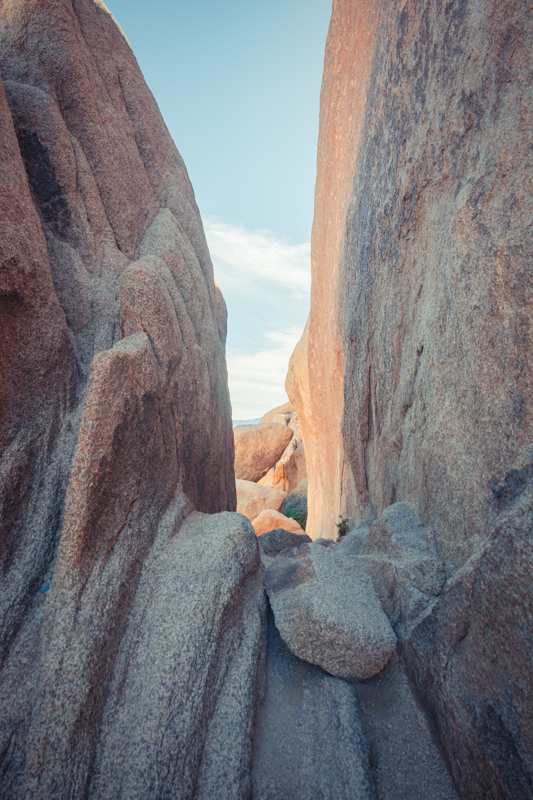
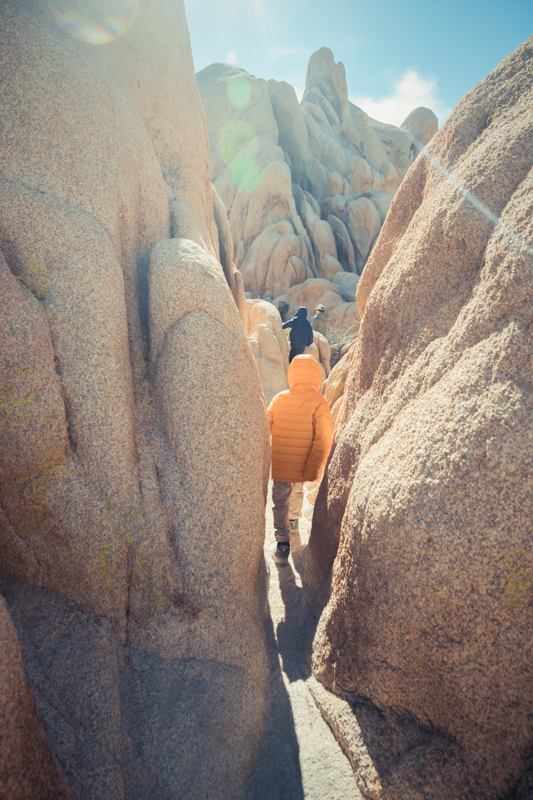
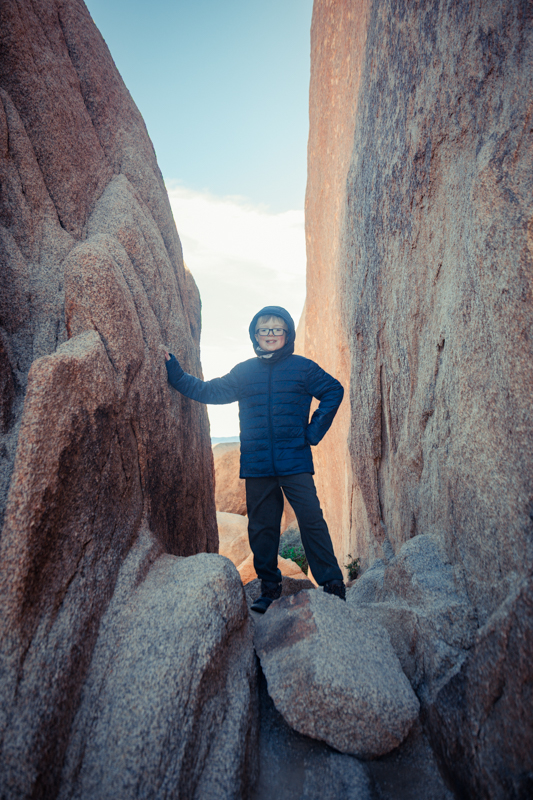
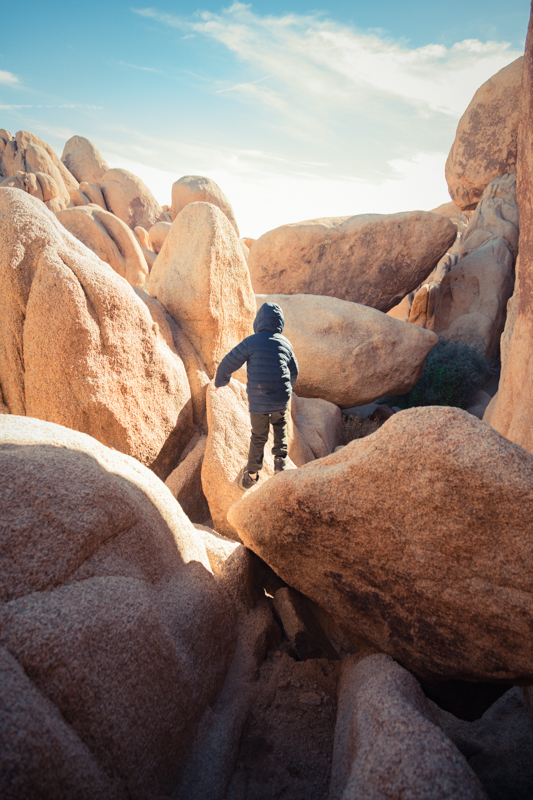
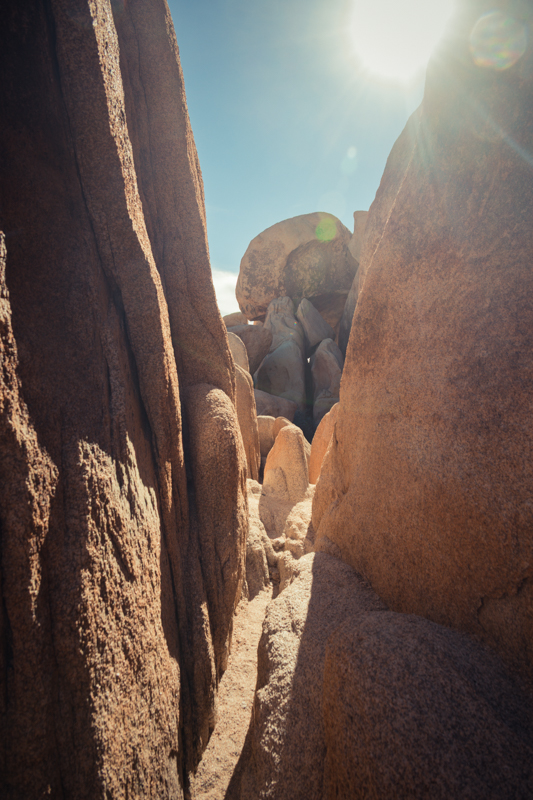
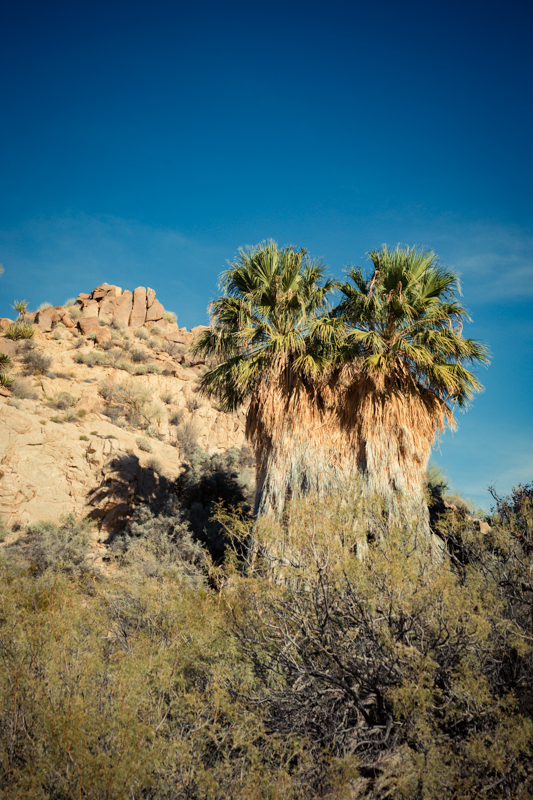
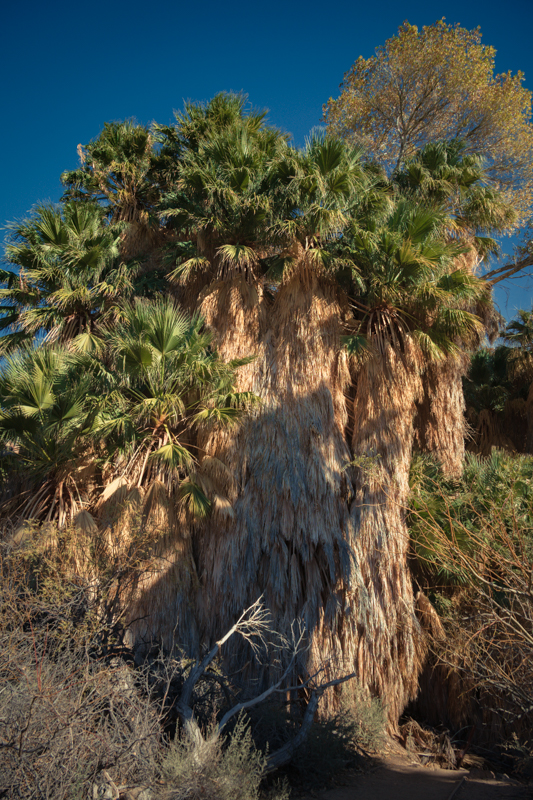
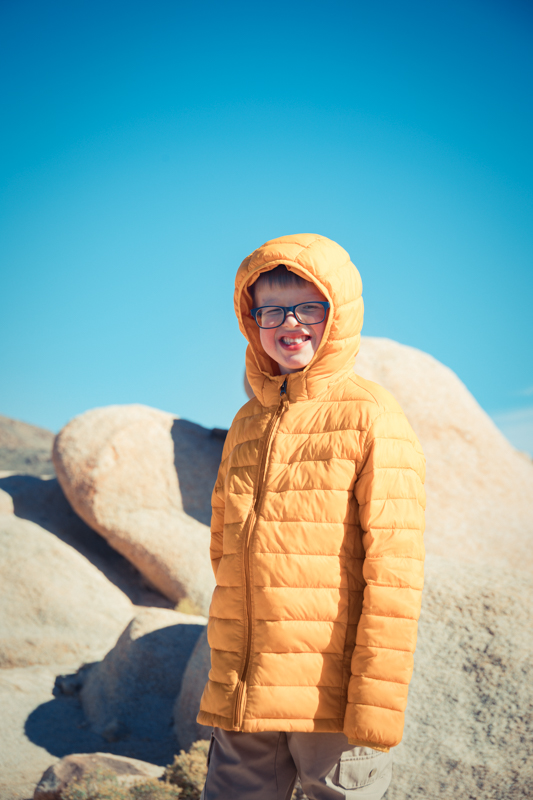
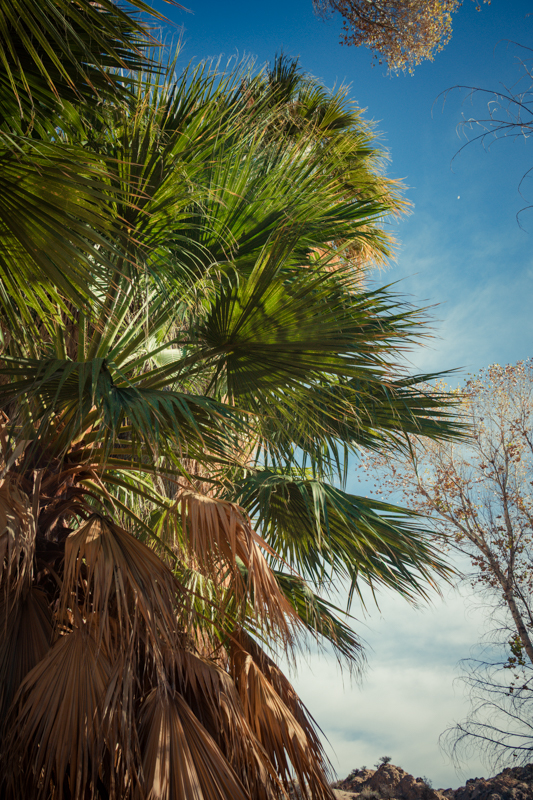
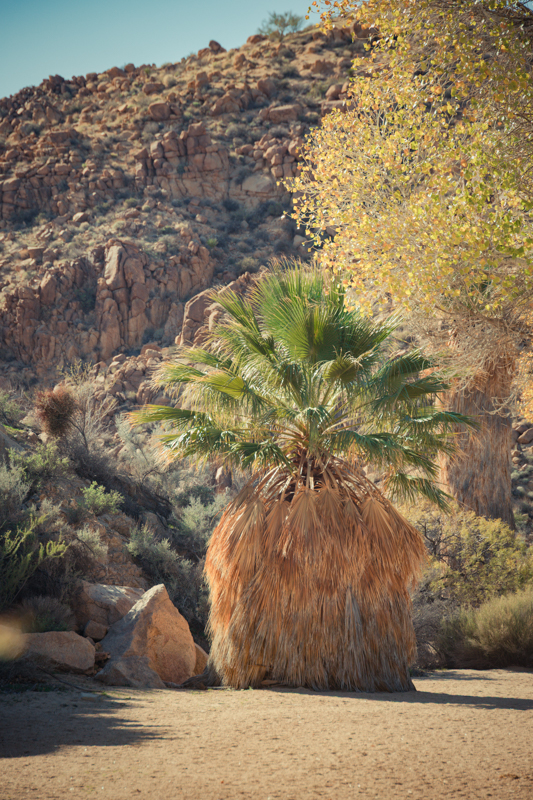
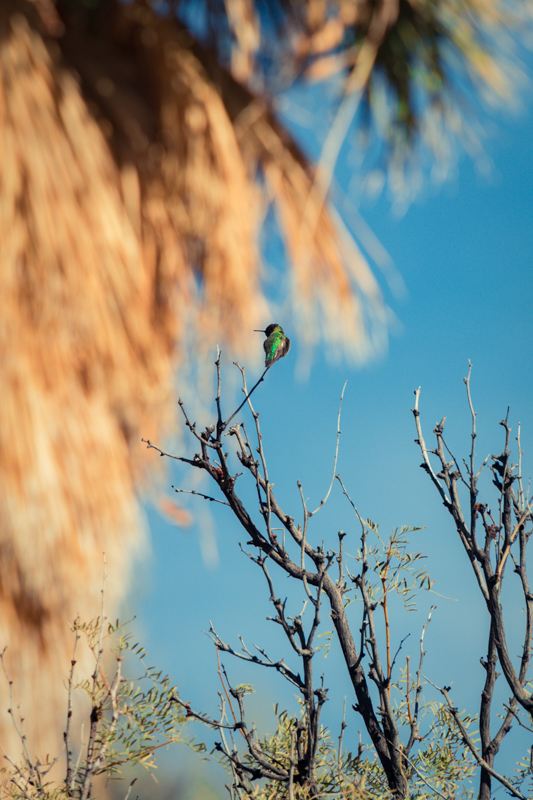
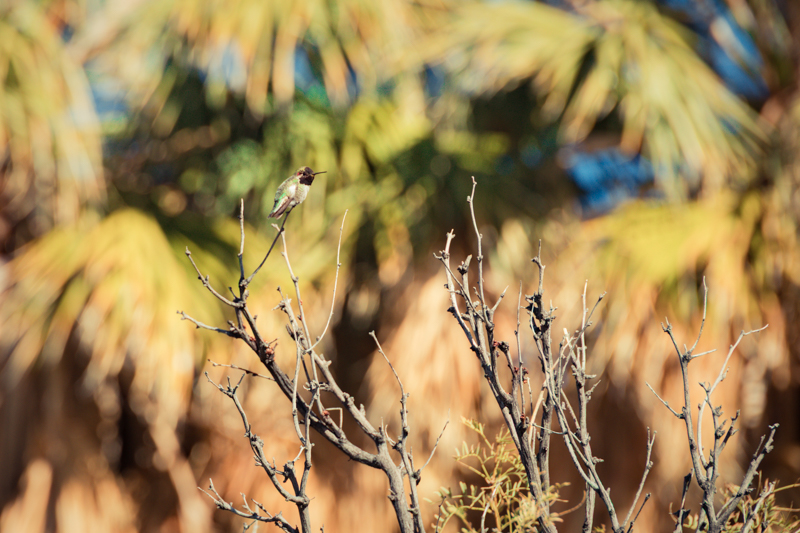
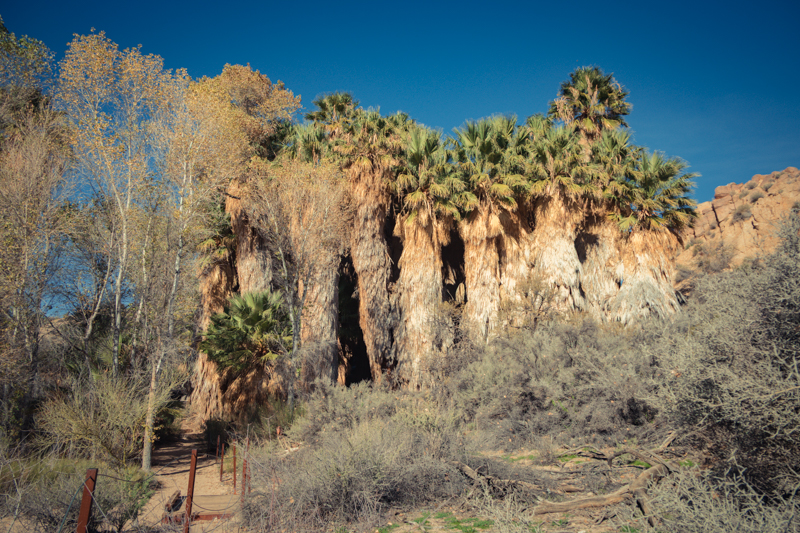
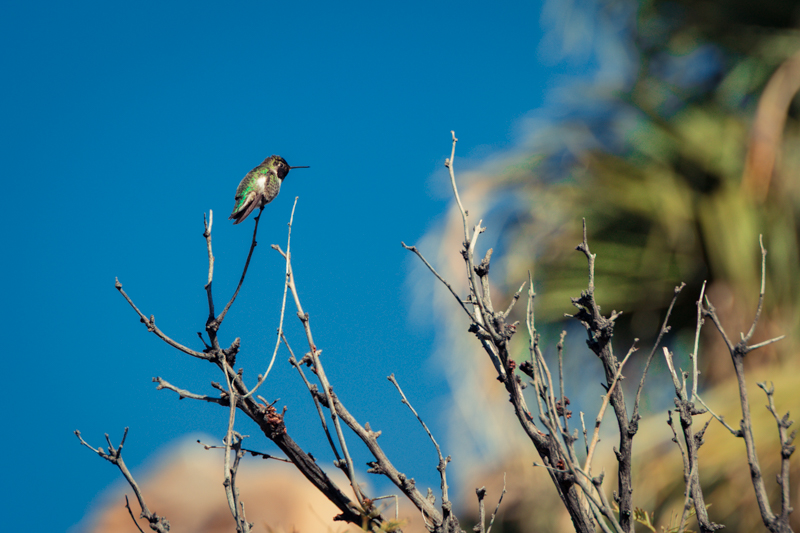
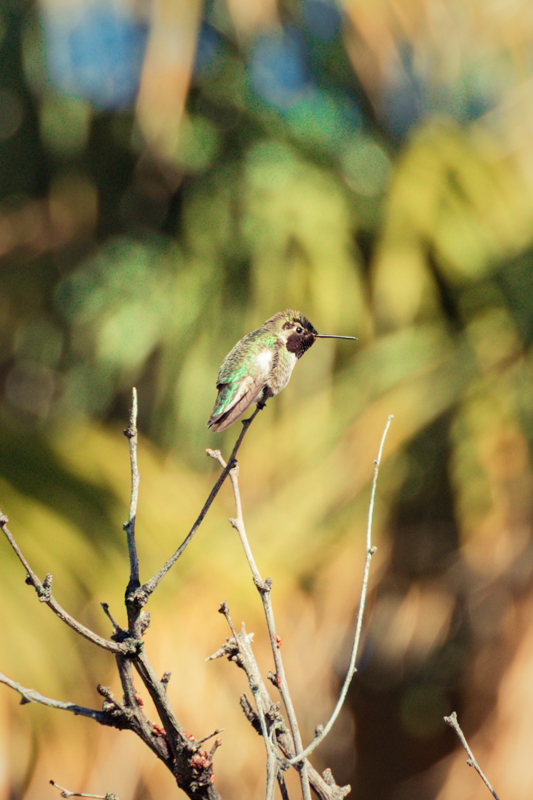
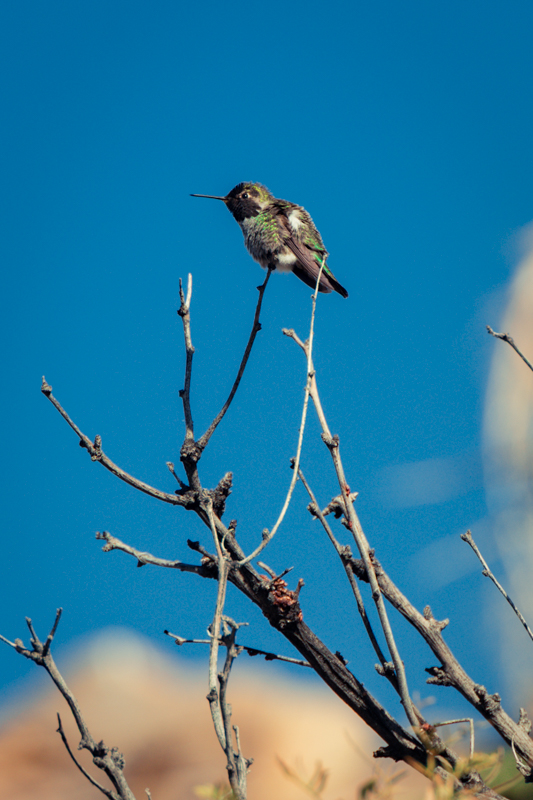
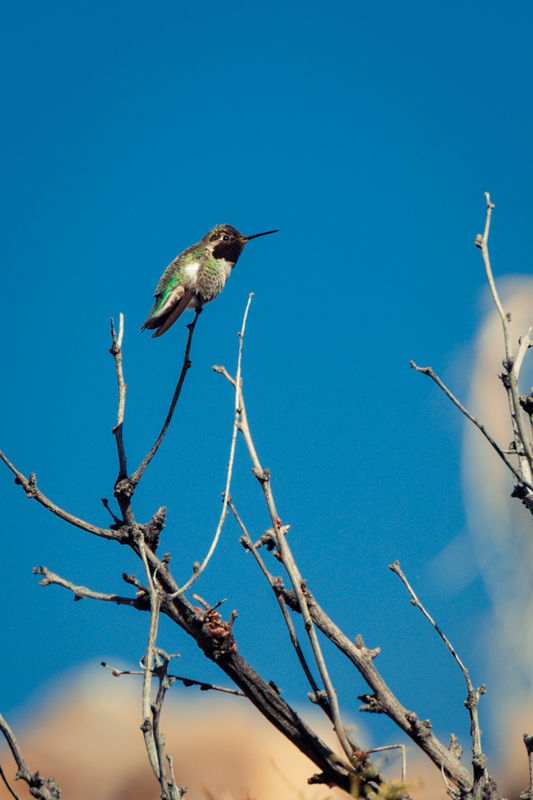
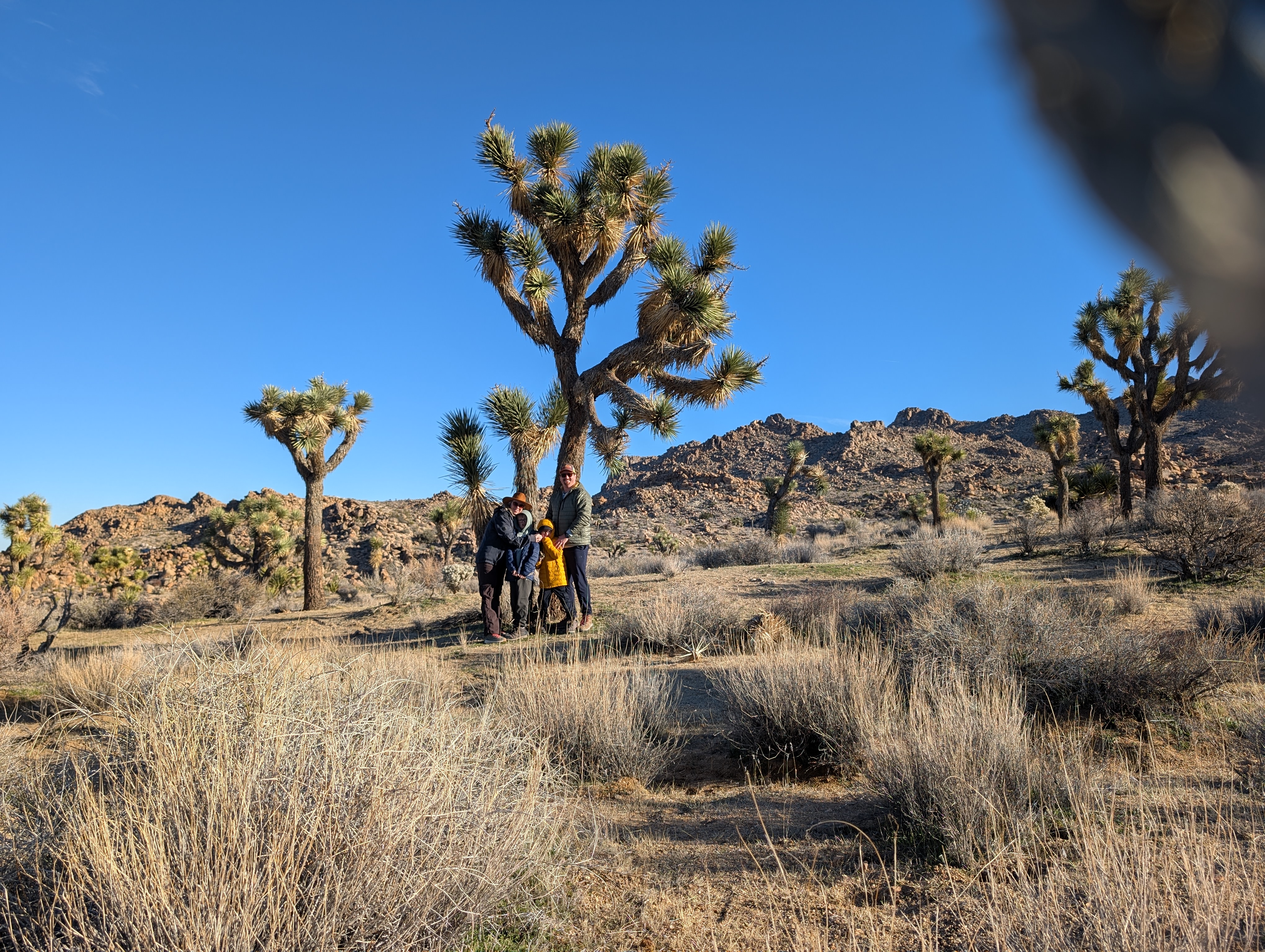
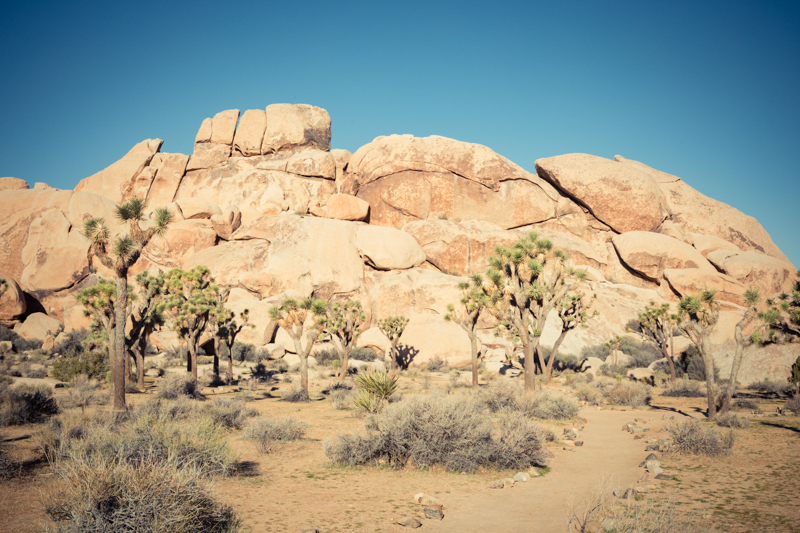
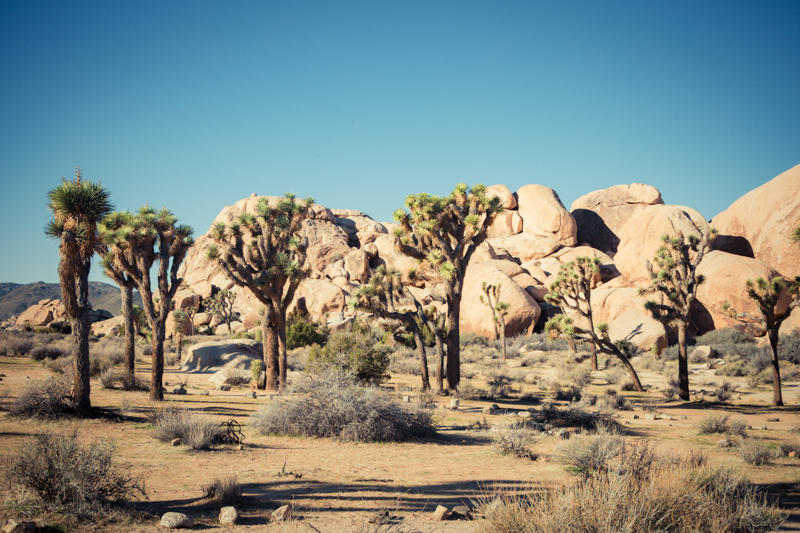
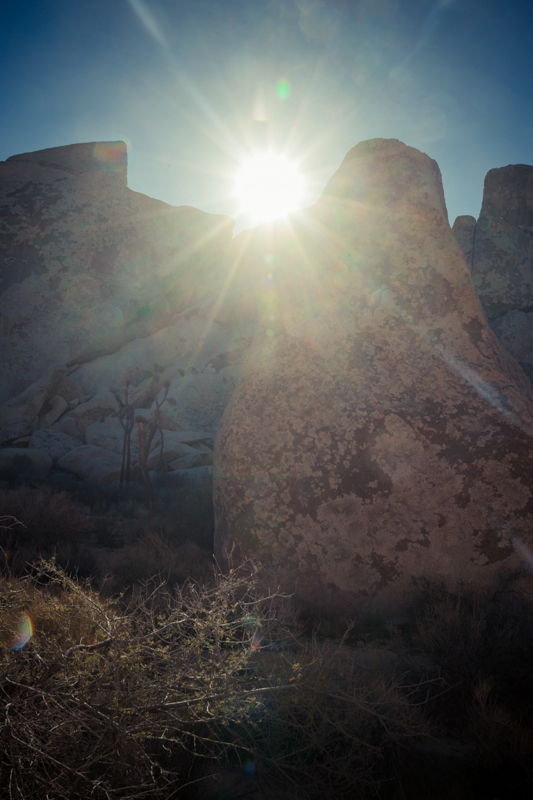
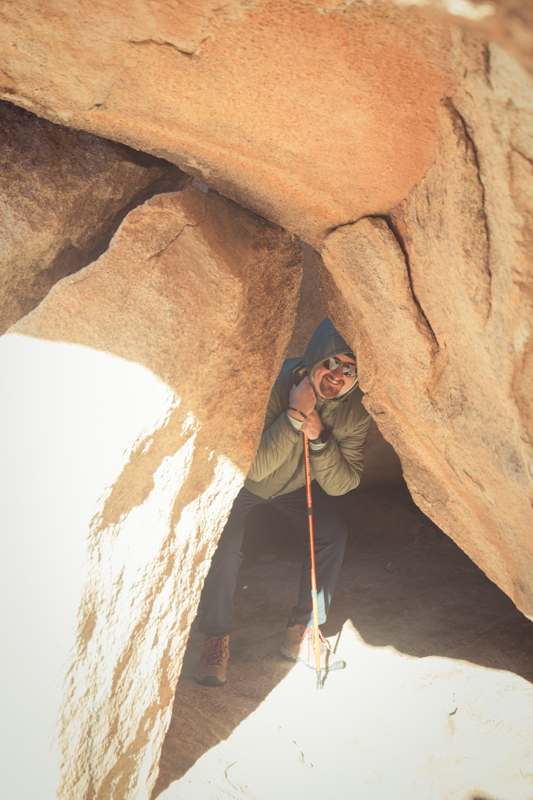
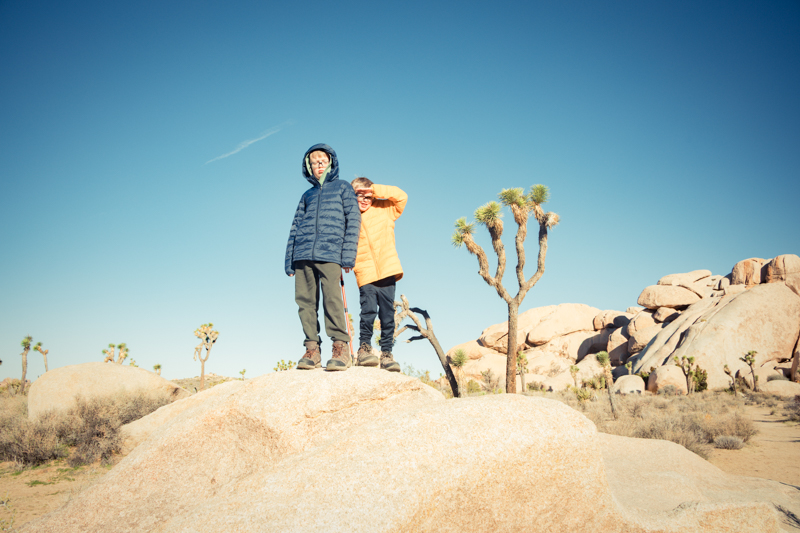
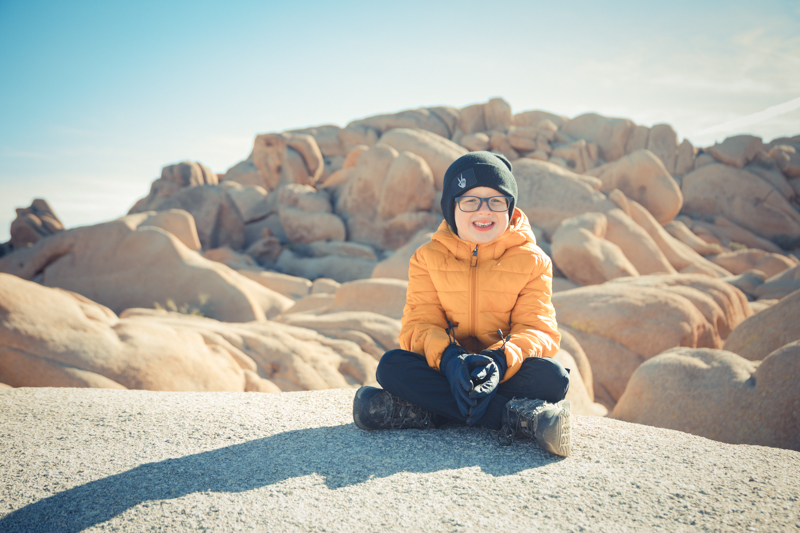
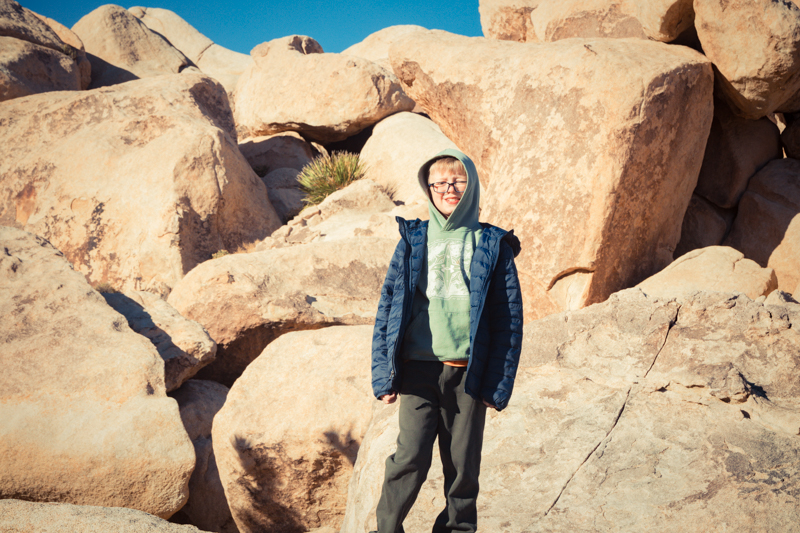
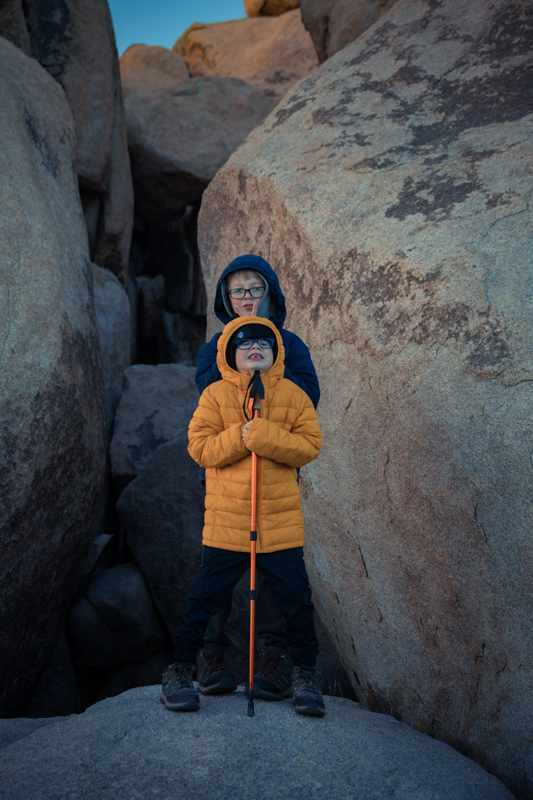
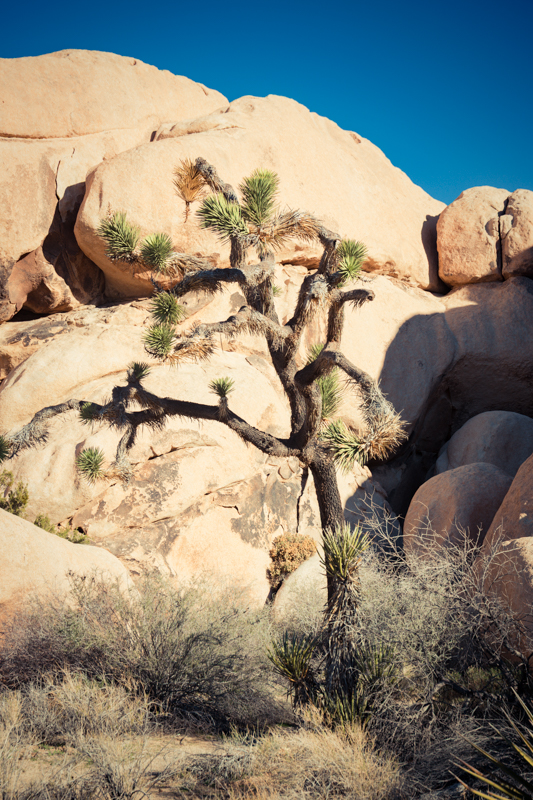
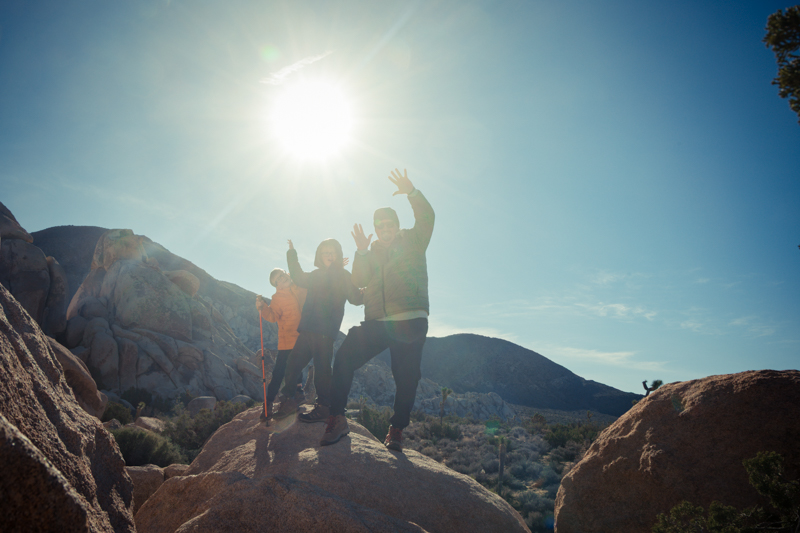
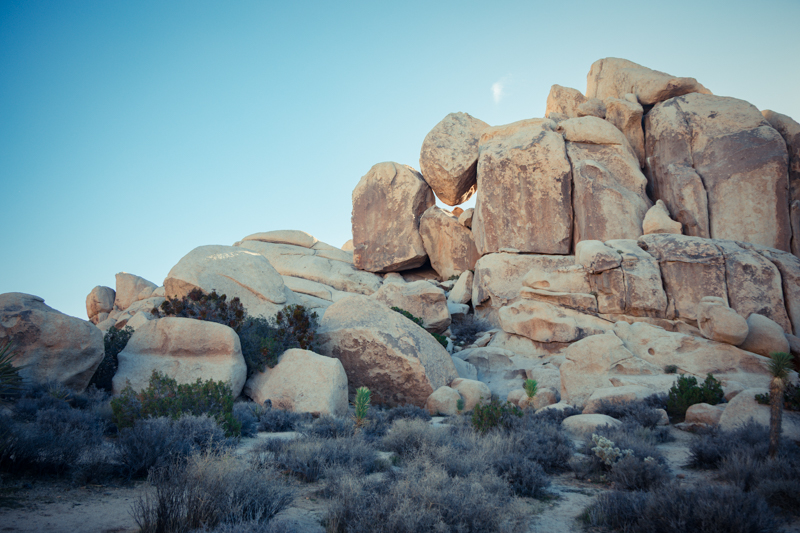
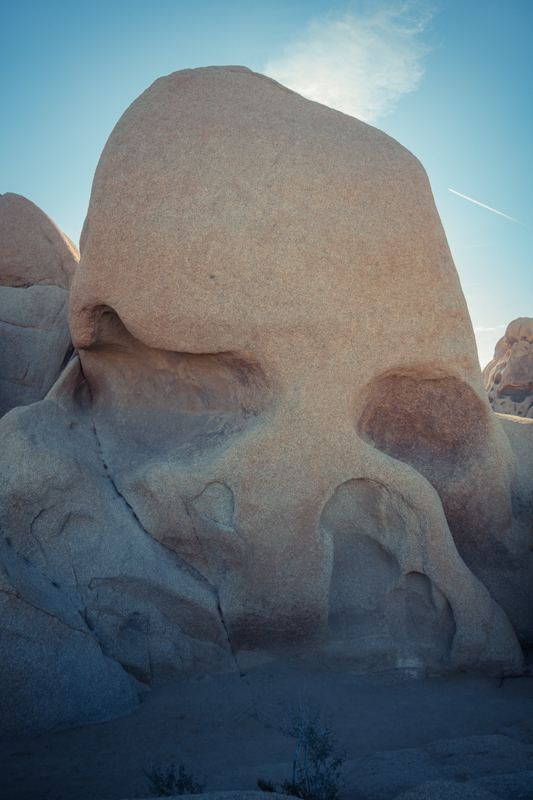
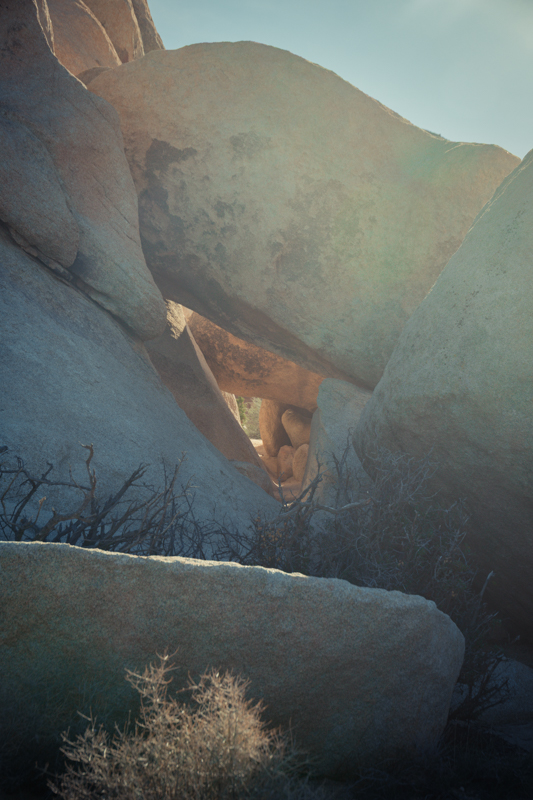
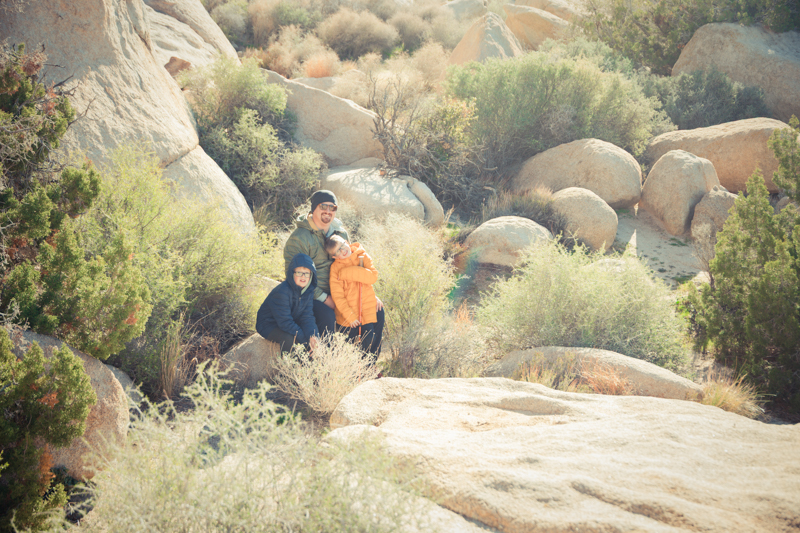
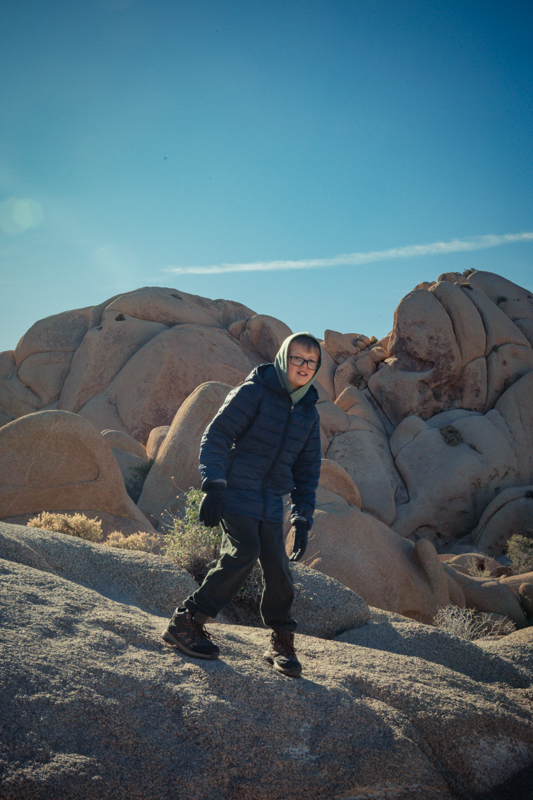
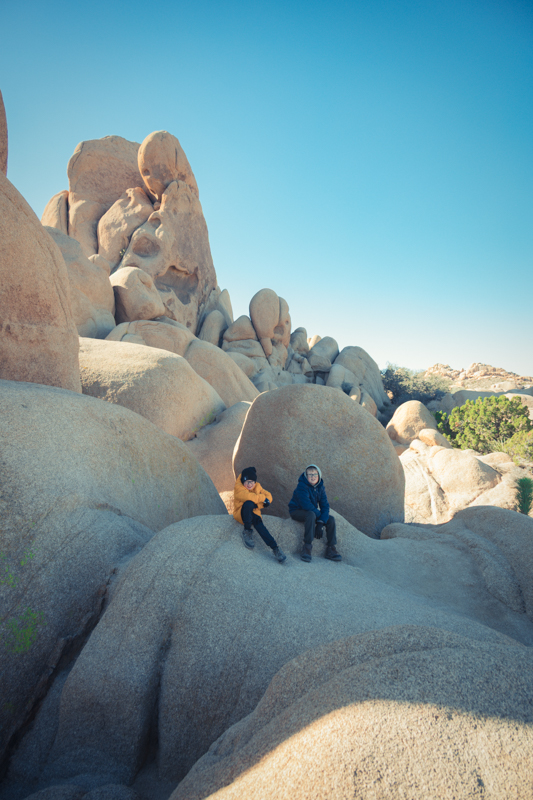
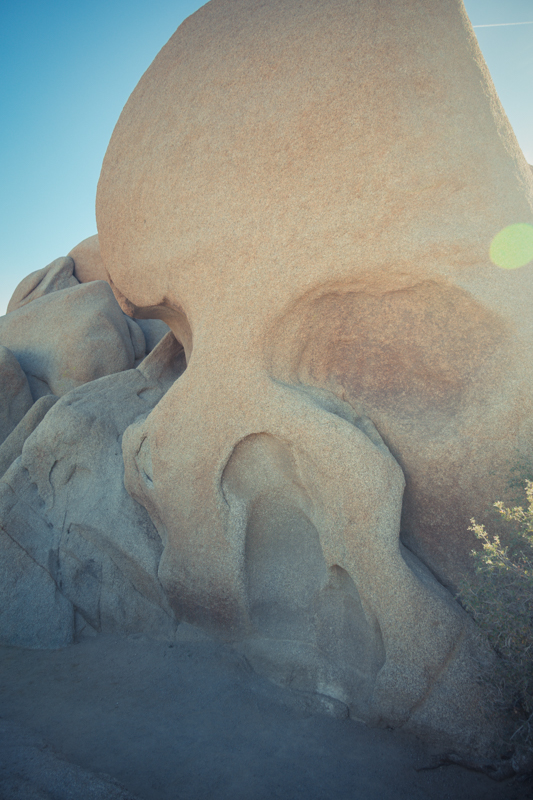
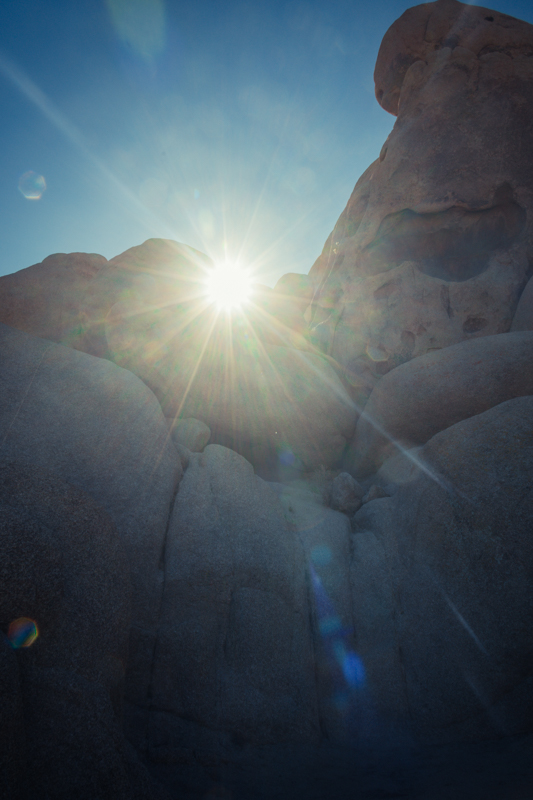
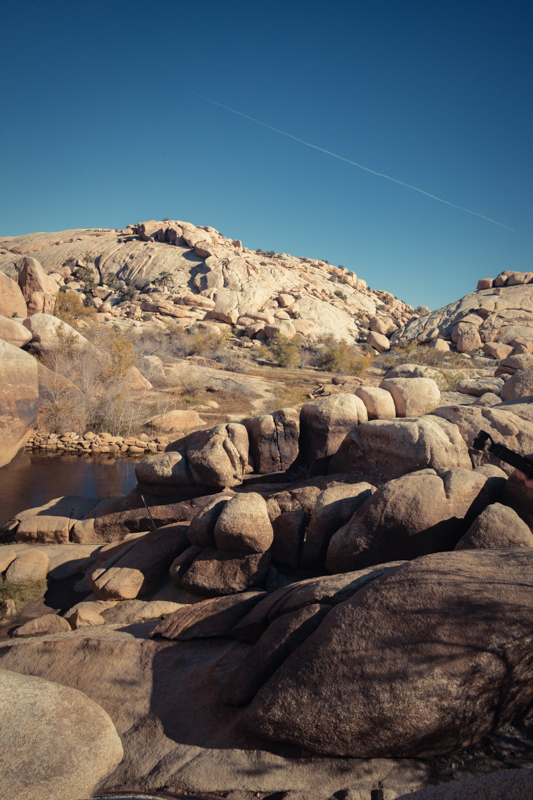
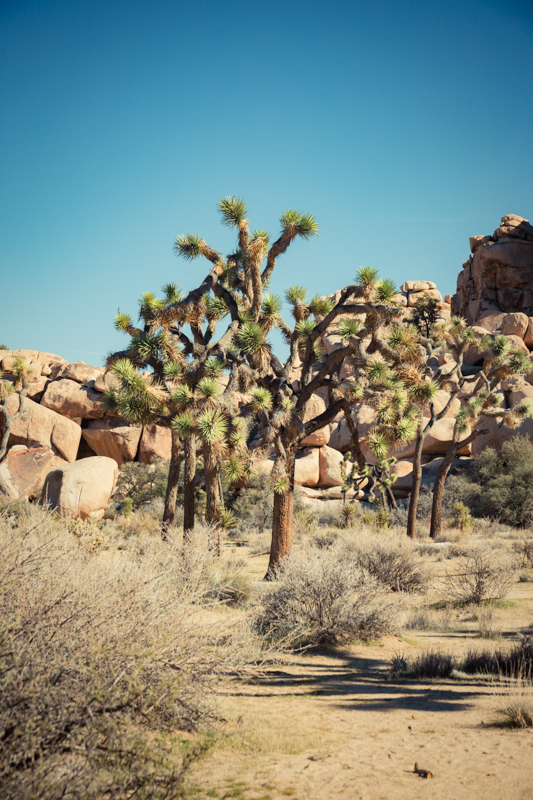
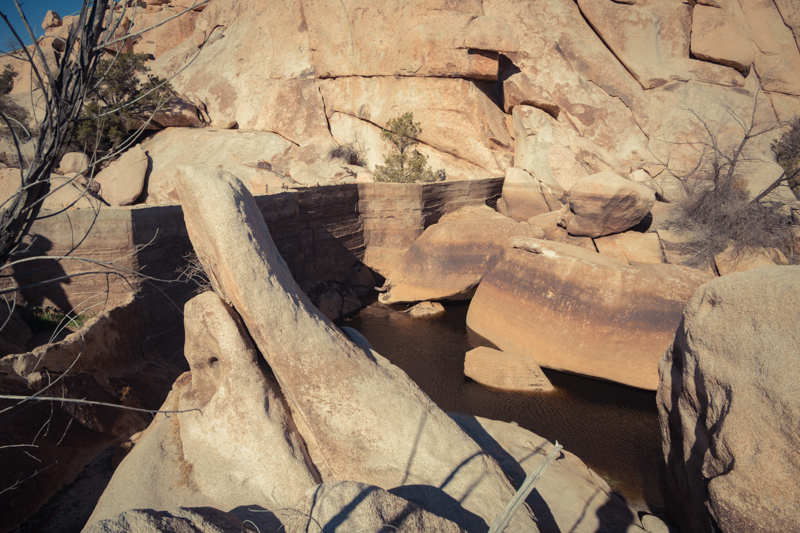
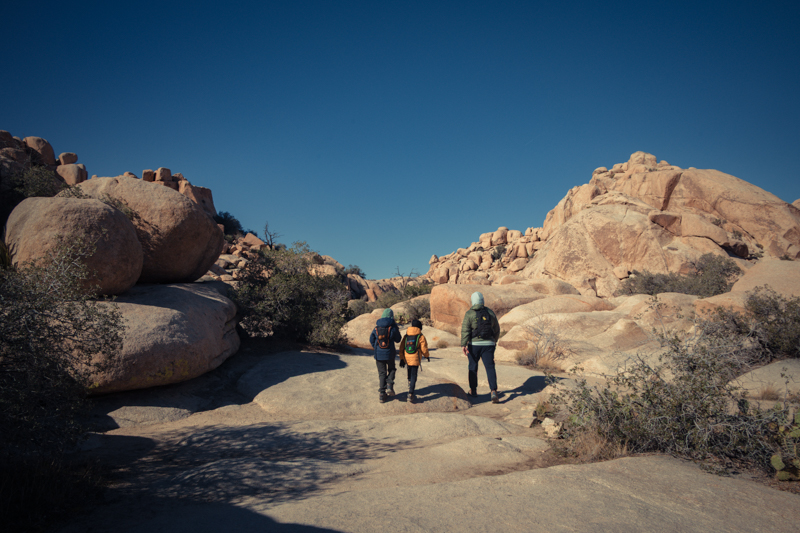
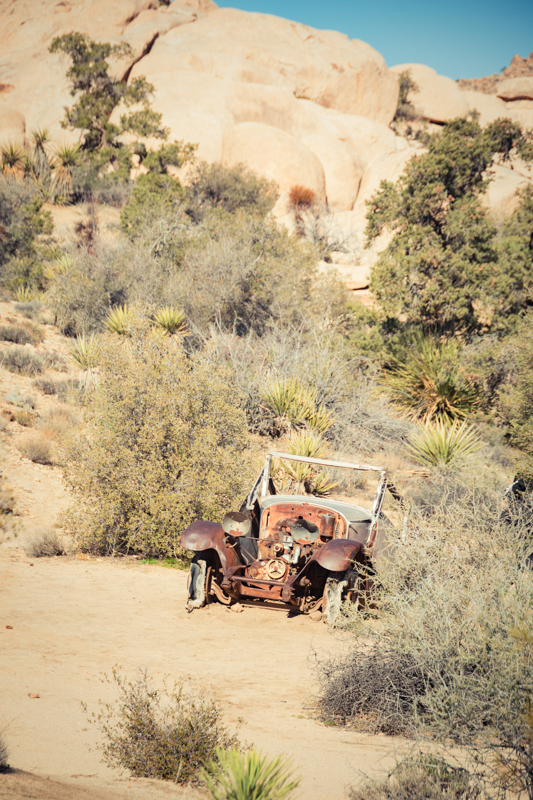
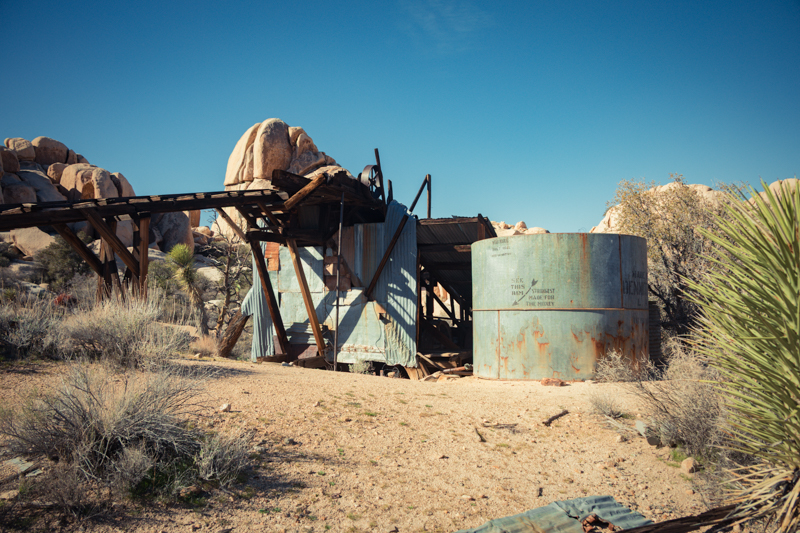
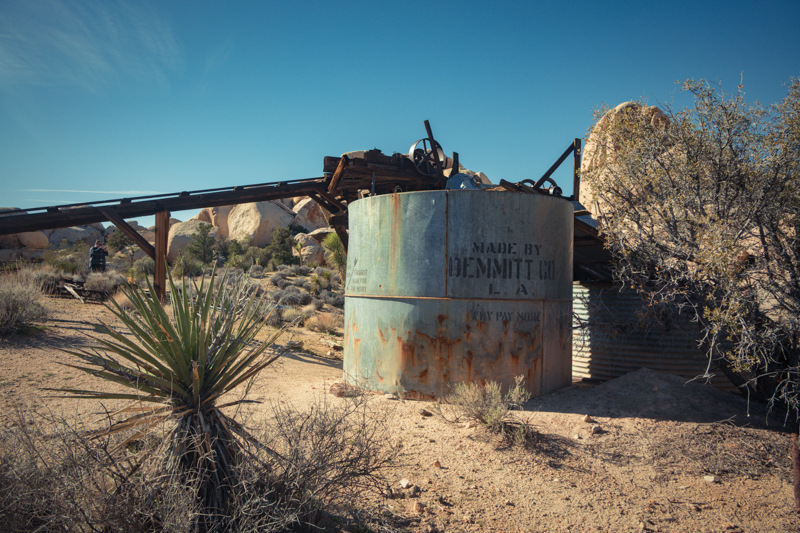
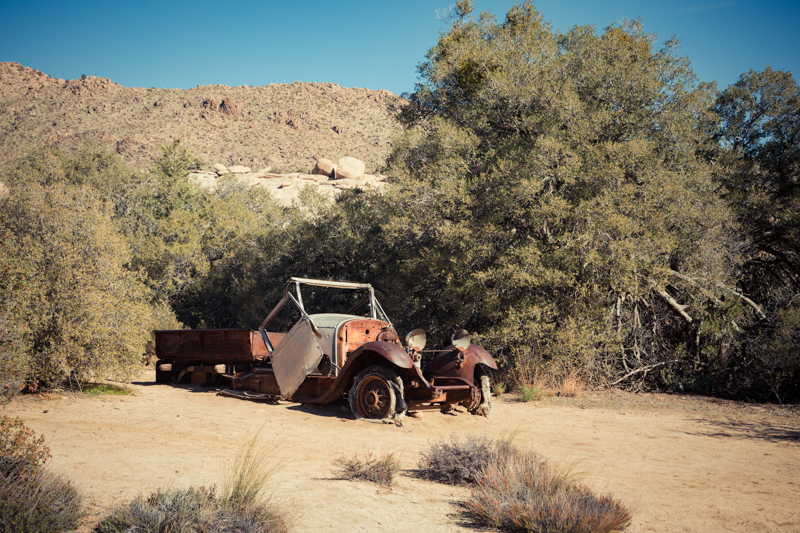
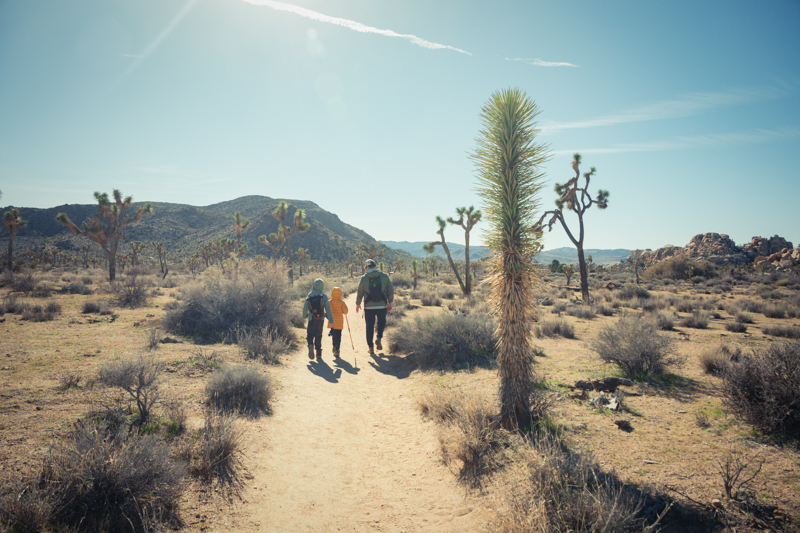
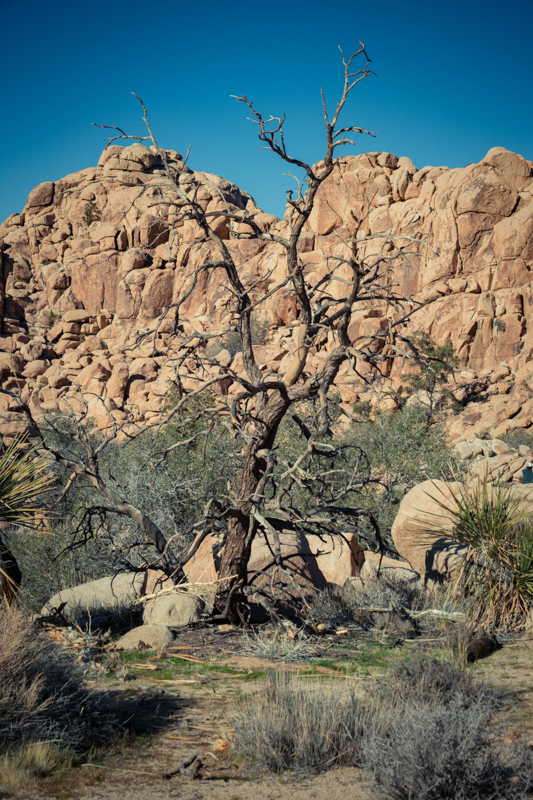
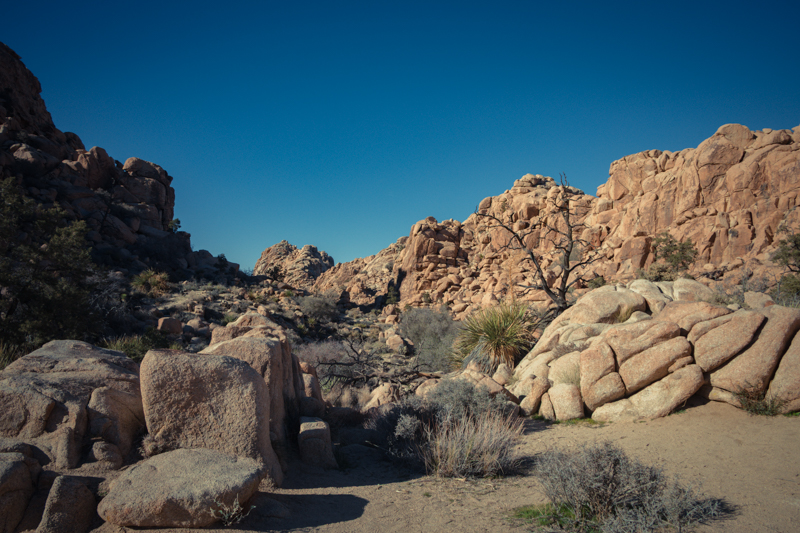
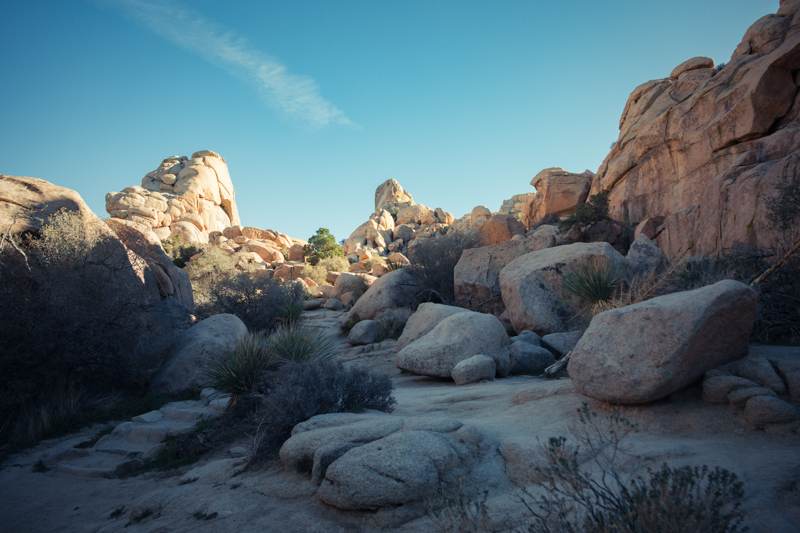
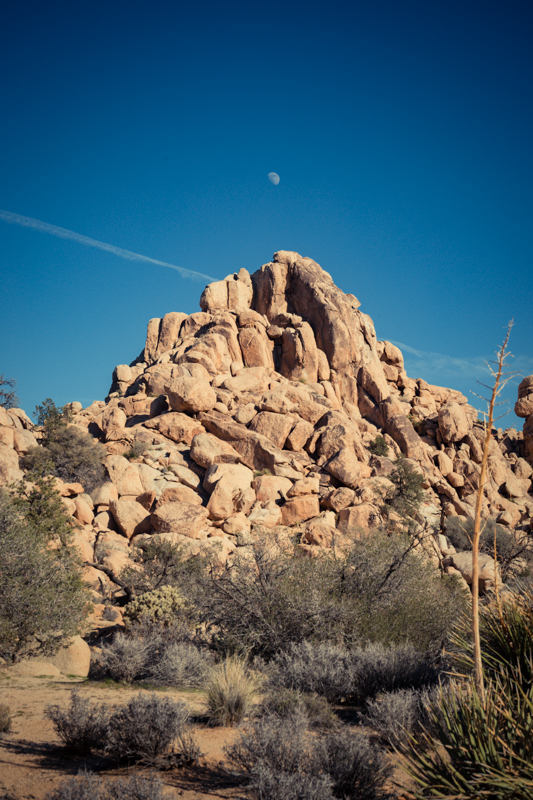
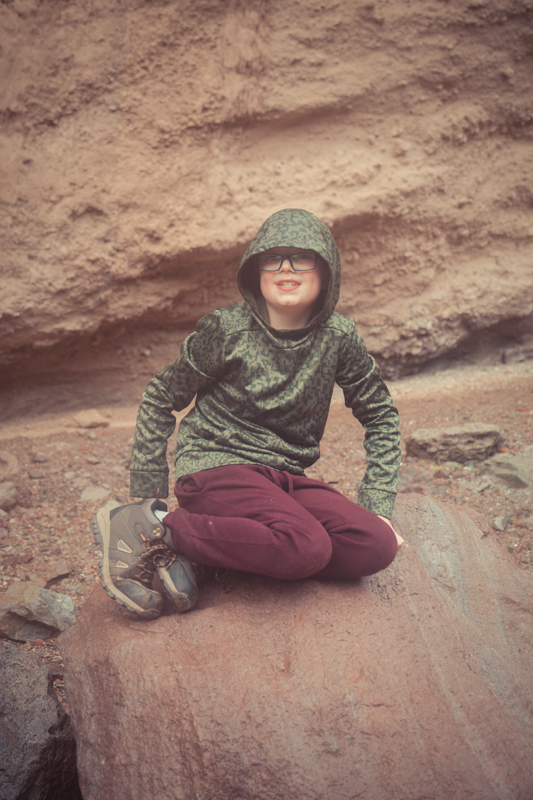
We spent two full days inside Joshua Tree National Park, and it didn’t take long to understand why people are drawn here. This park is a playground. Massive boulders stacked in ways that feel almost impossible, just waiting to be climbed. The kids scrambled up, over, and around them without hesitation, turning every stop into a new kind of adventure. It’s no surprise this place is considered a haven for rock climbers. Every formation feels like an open invitation. There was even a small oasis to explore, with tiny hummingbirds fluttering about.
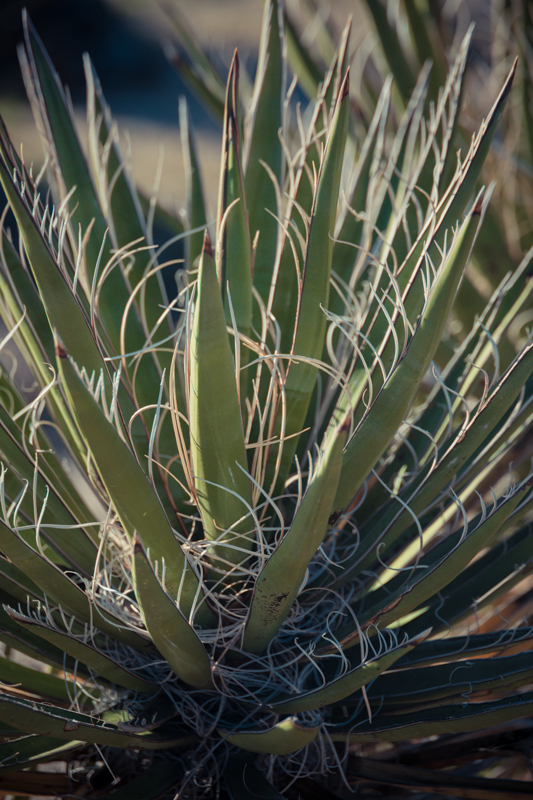
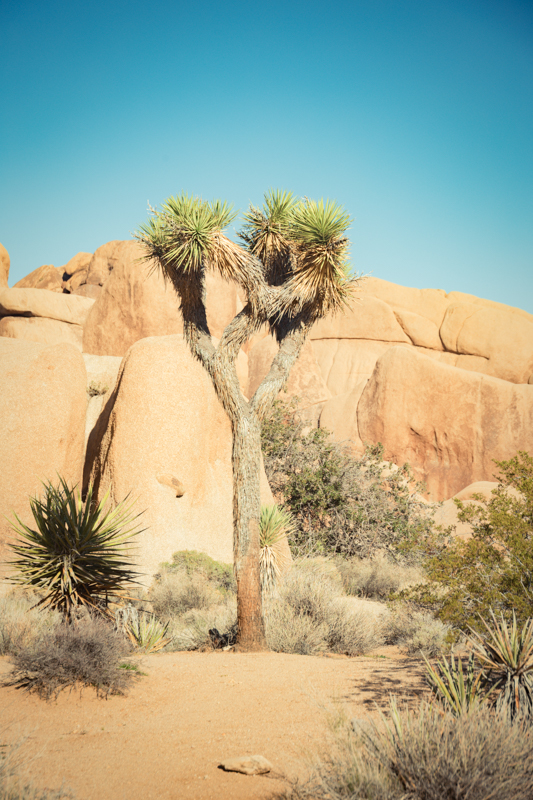
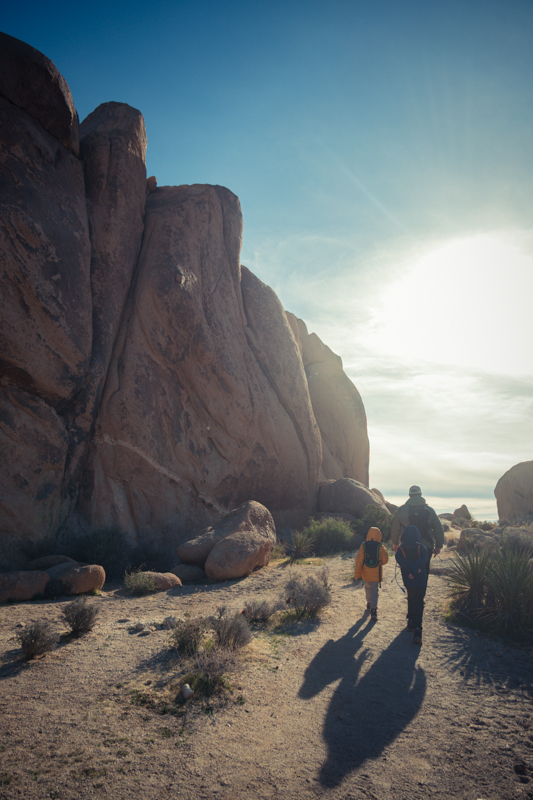
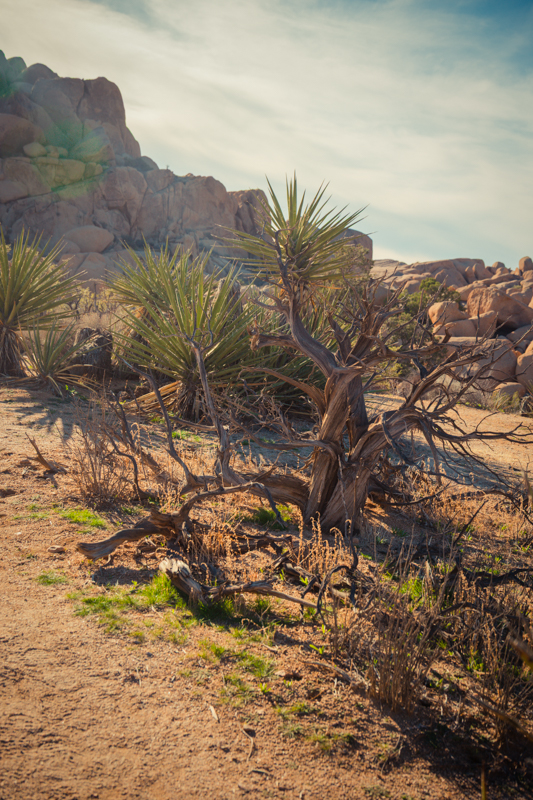
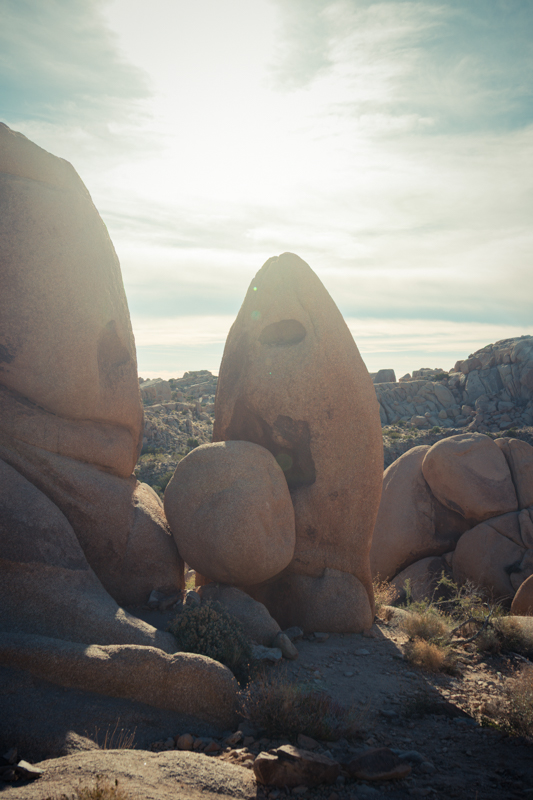
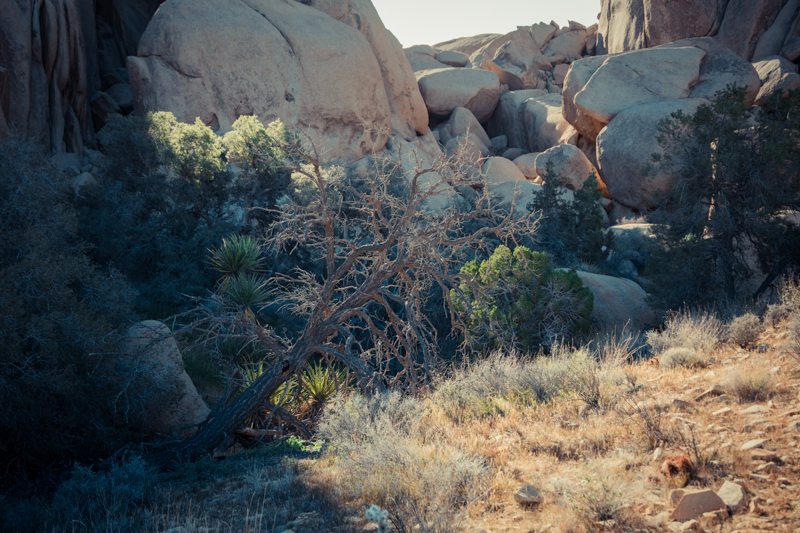
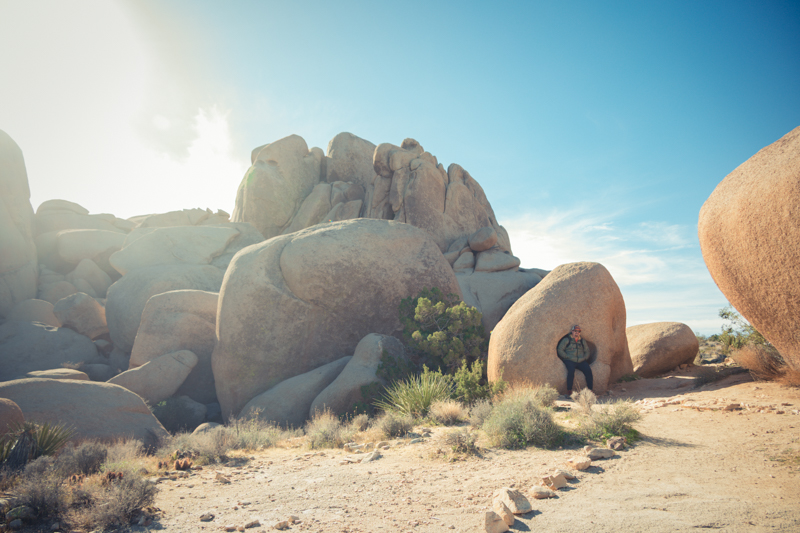
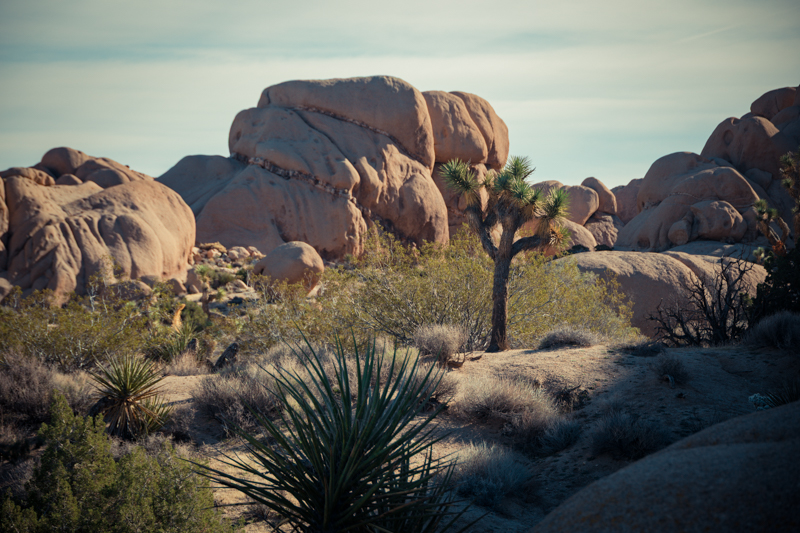
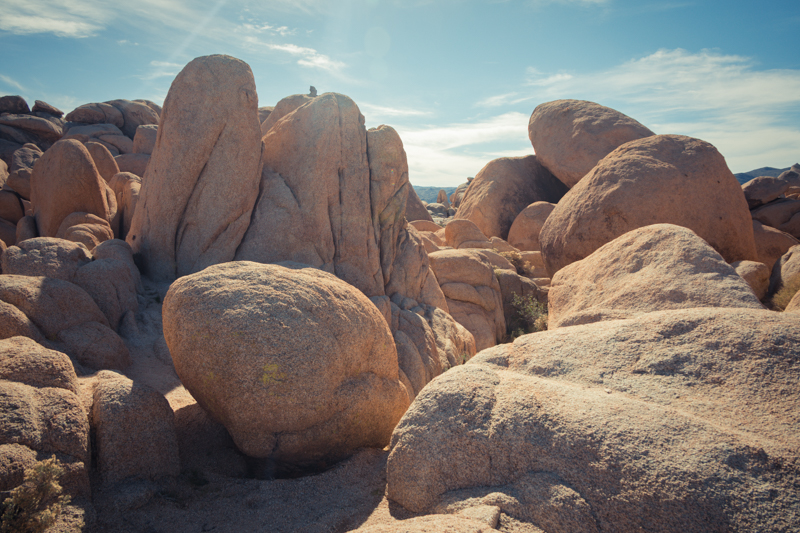
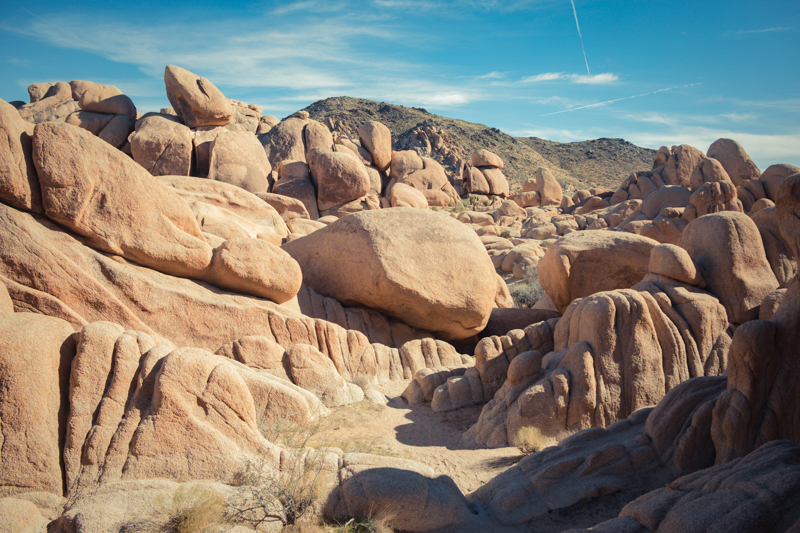
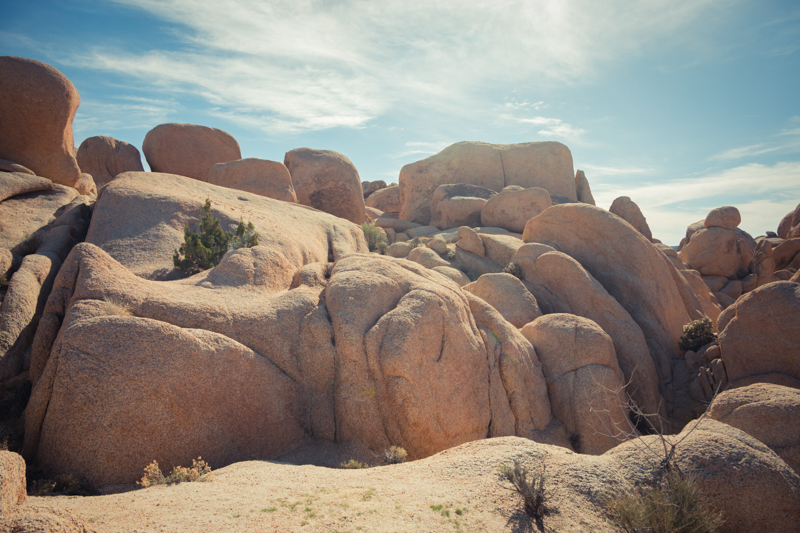
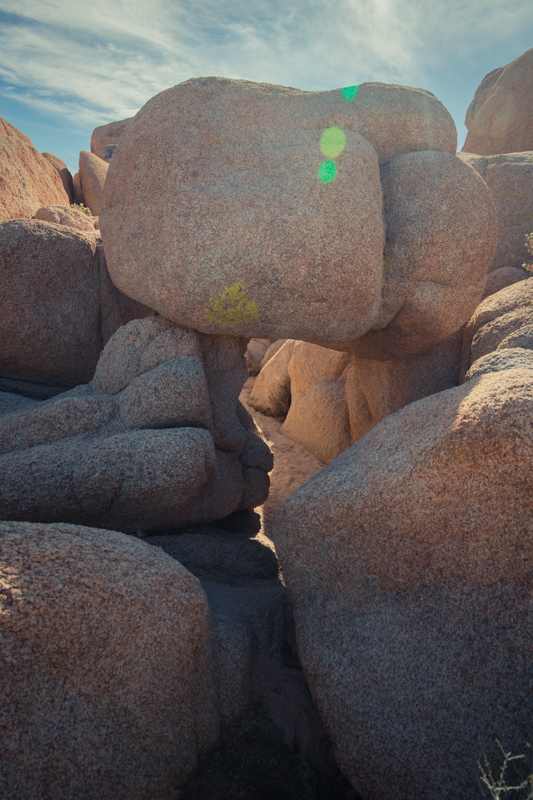
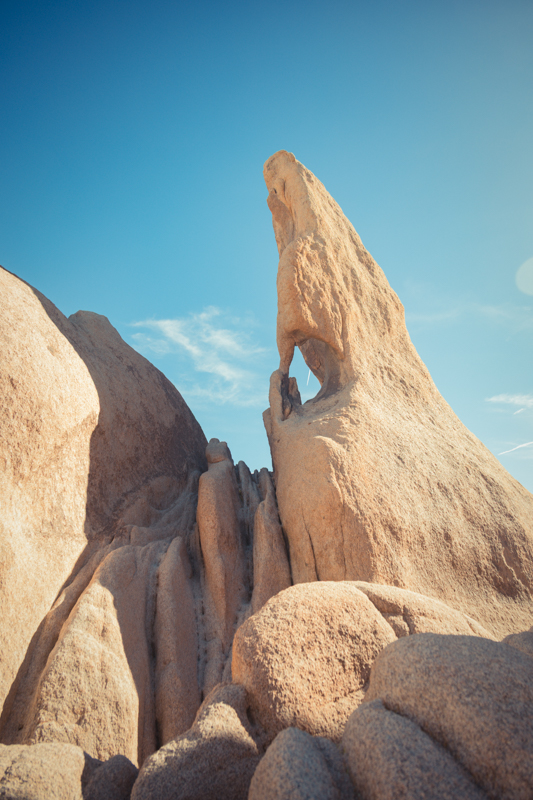
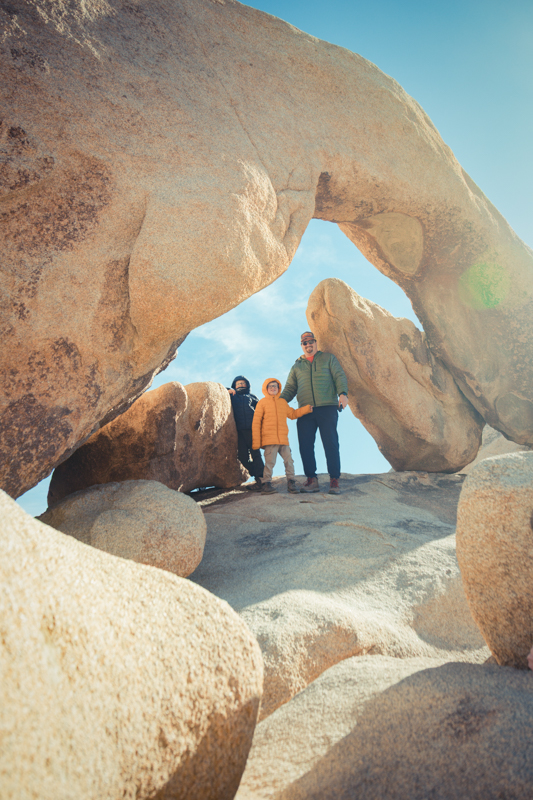
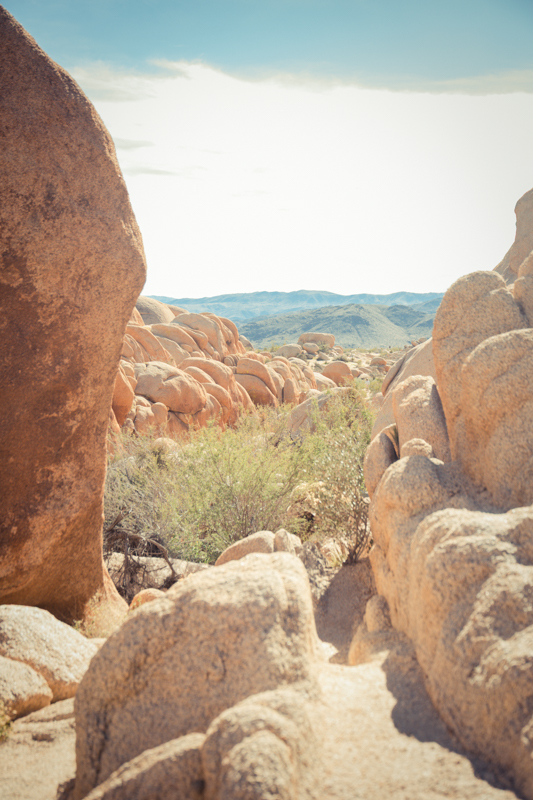
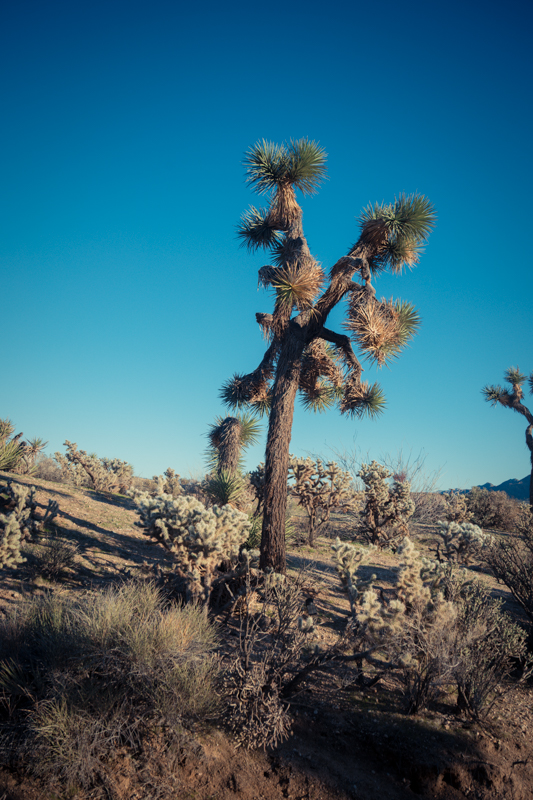
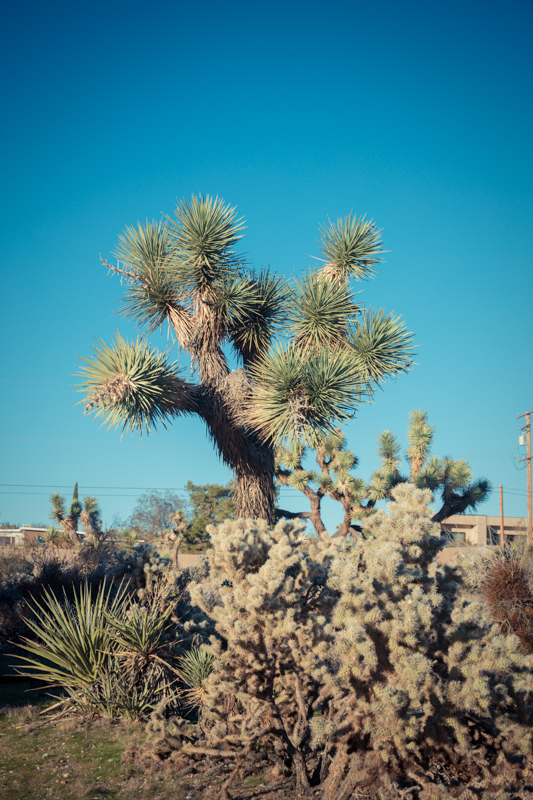
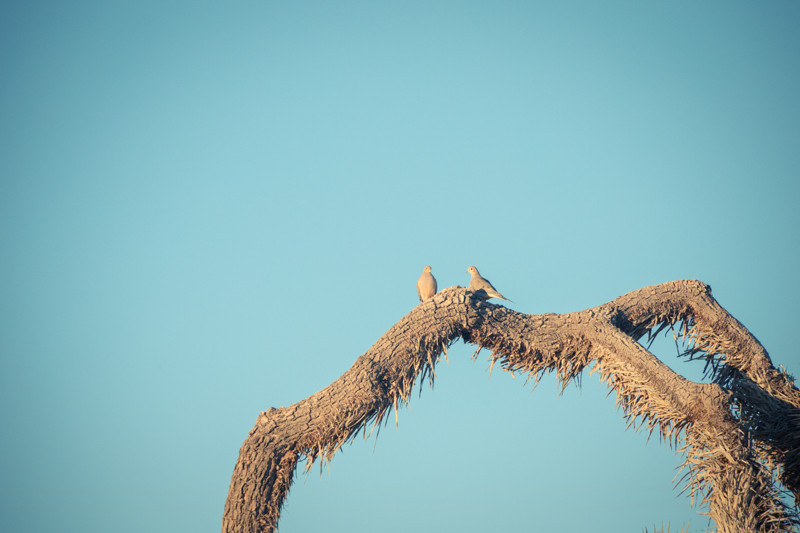
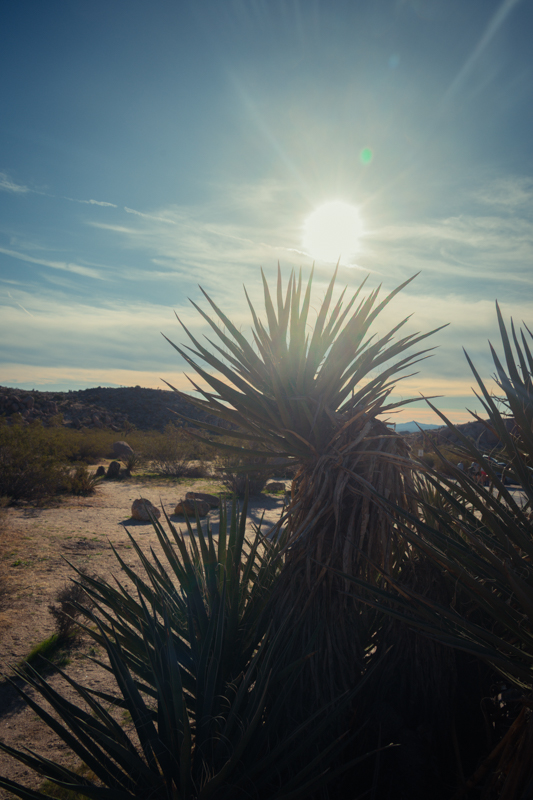
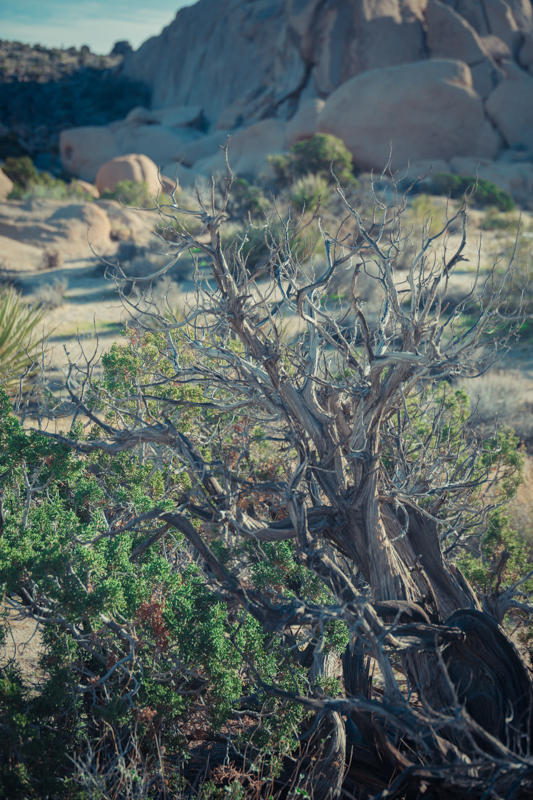
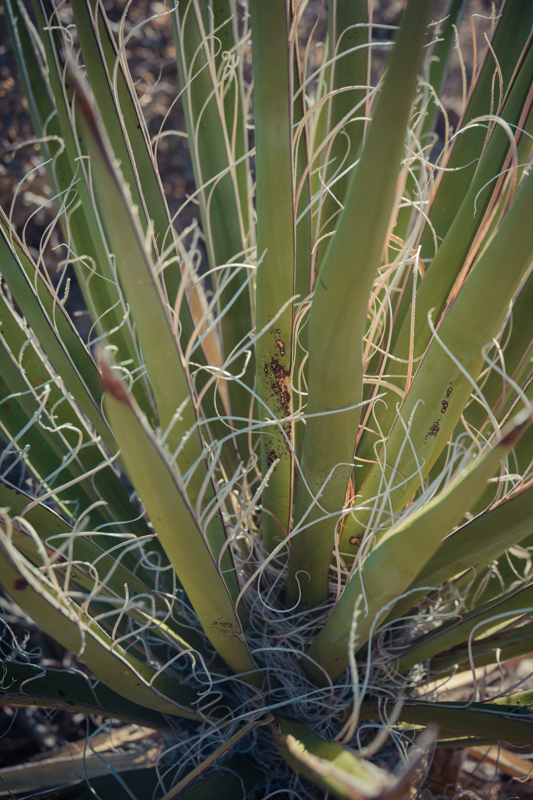
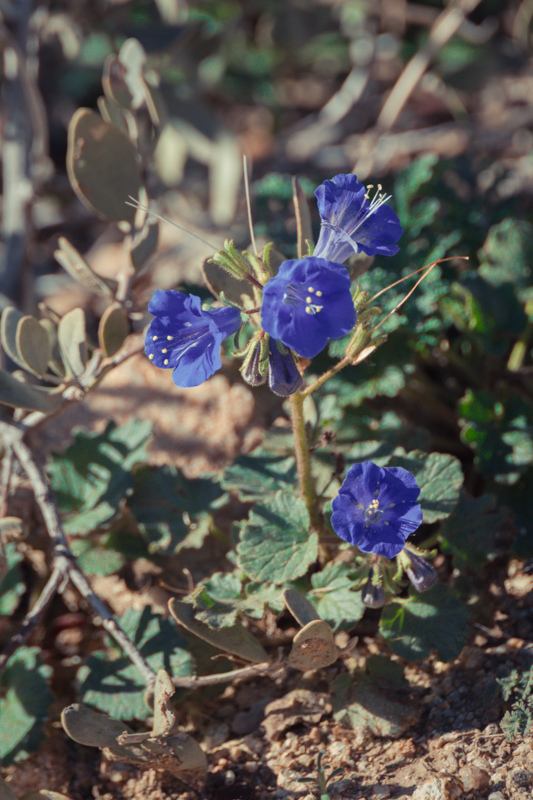
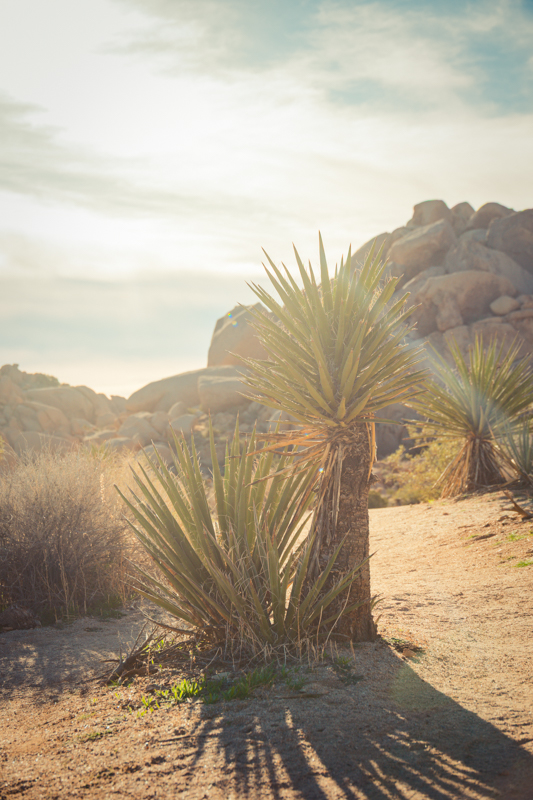
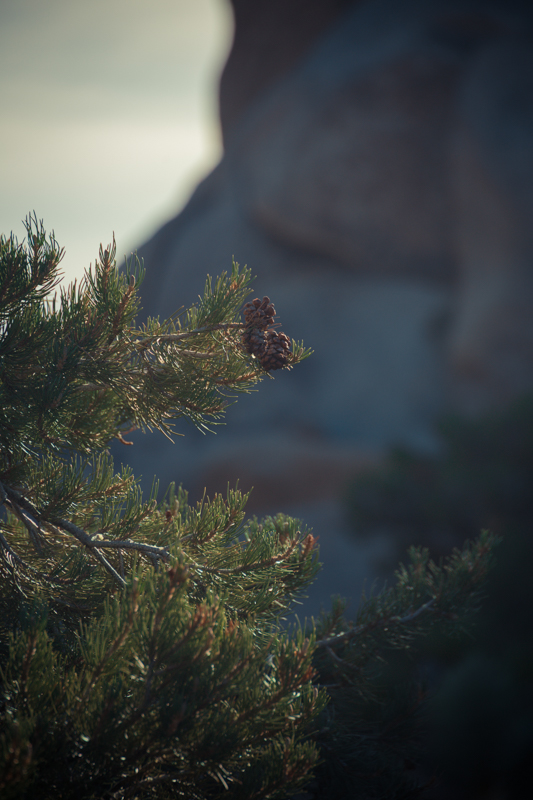
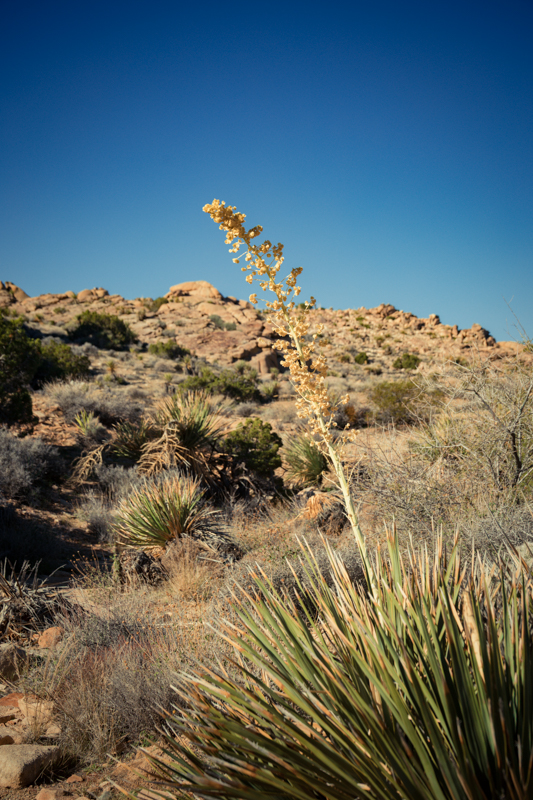
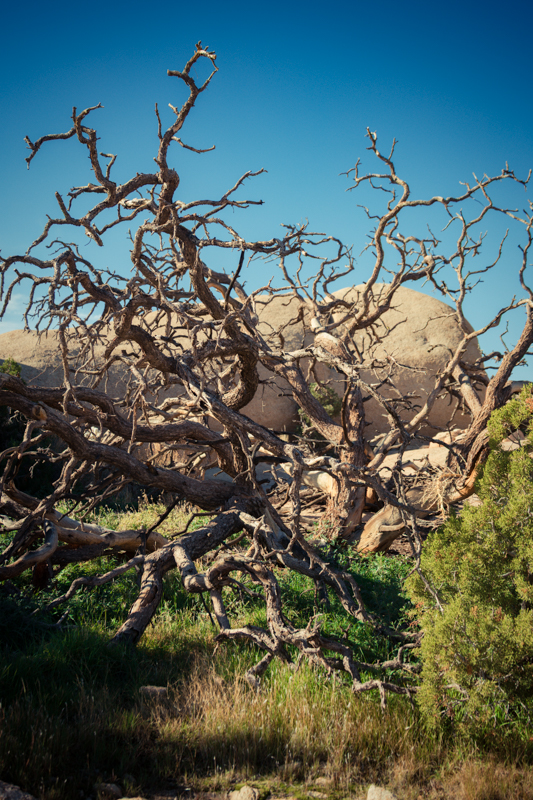
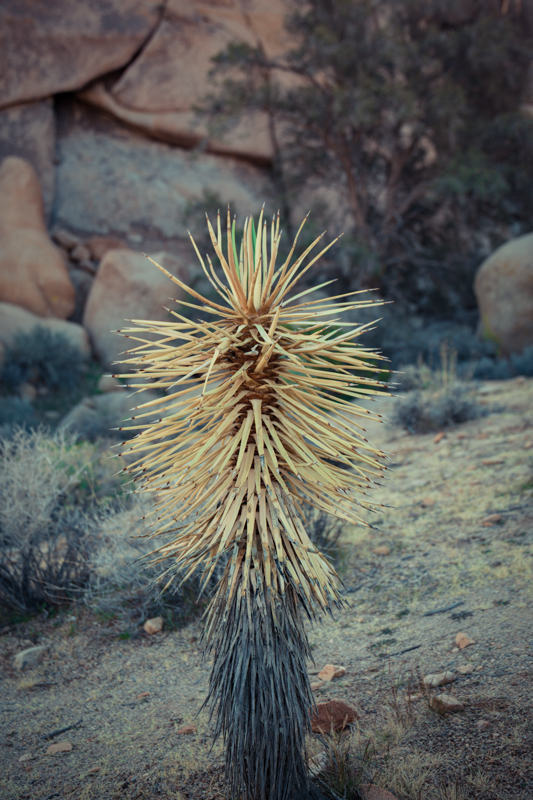
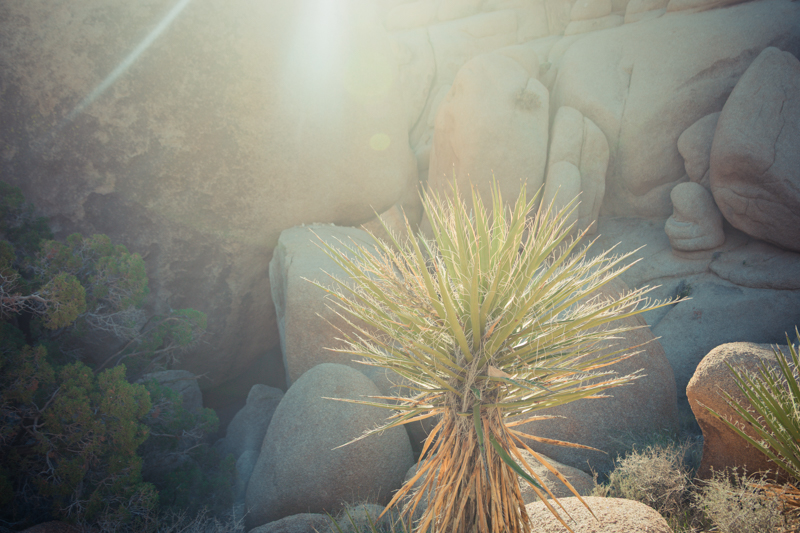
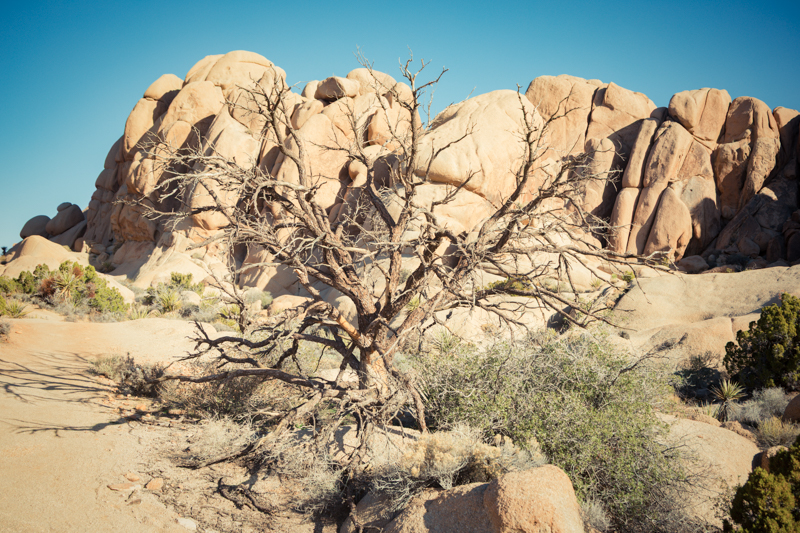
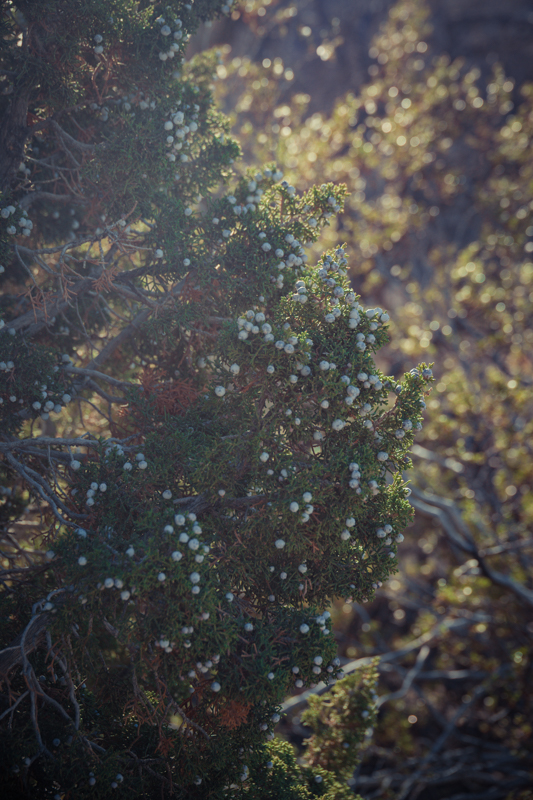
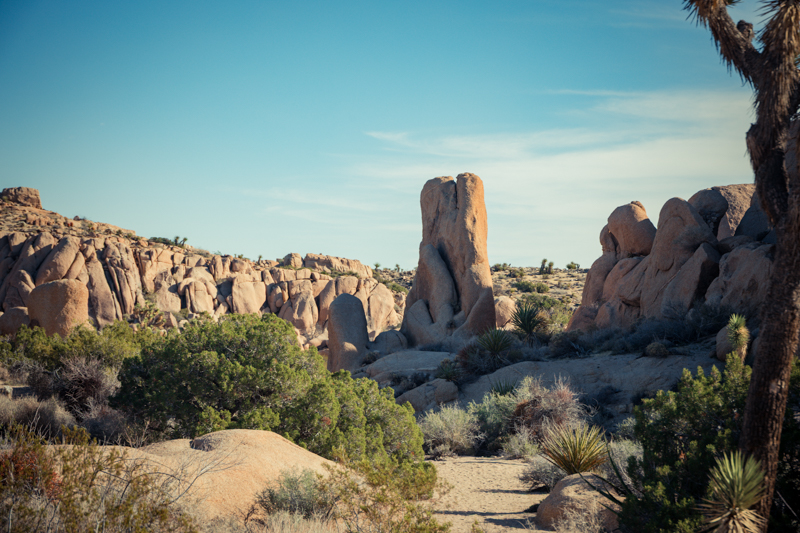
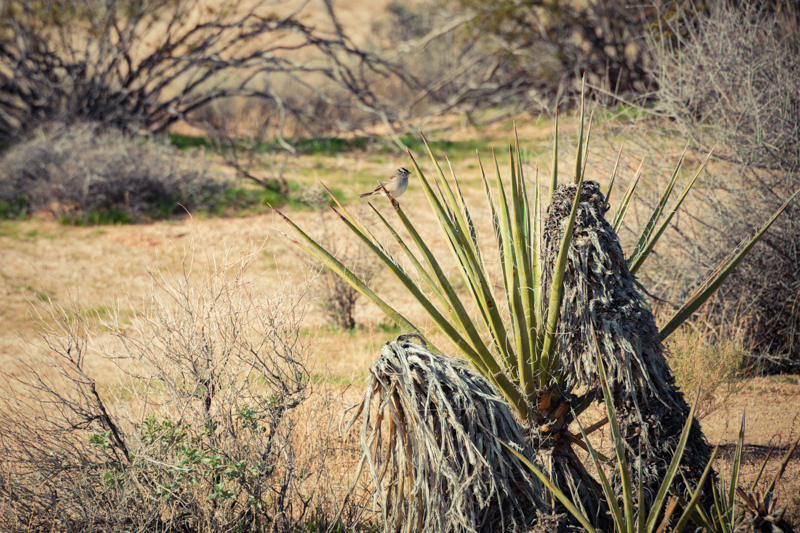
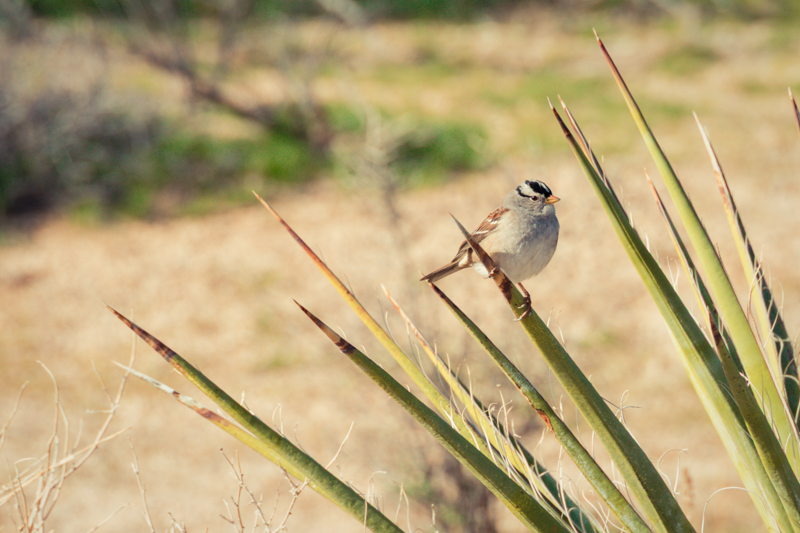
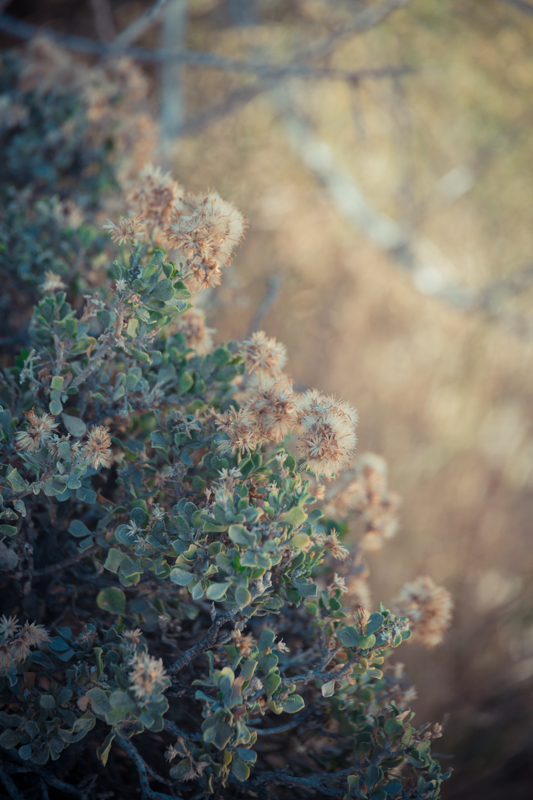
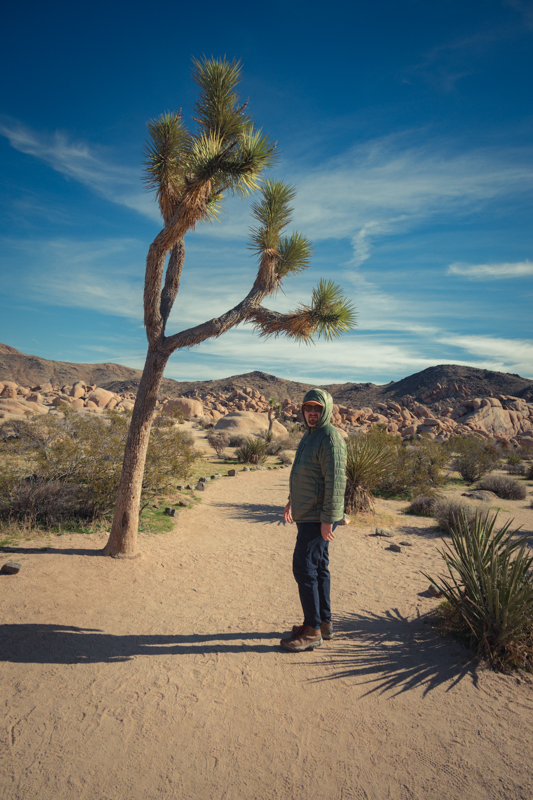
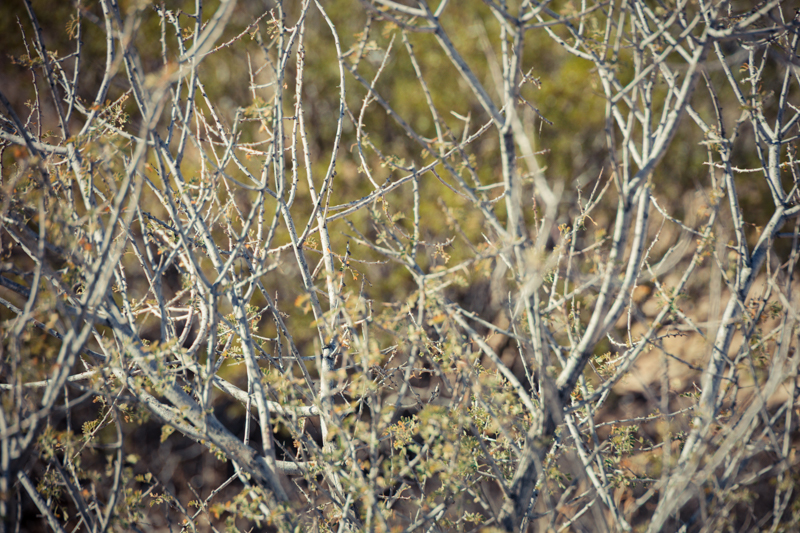
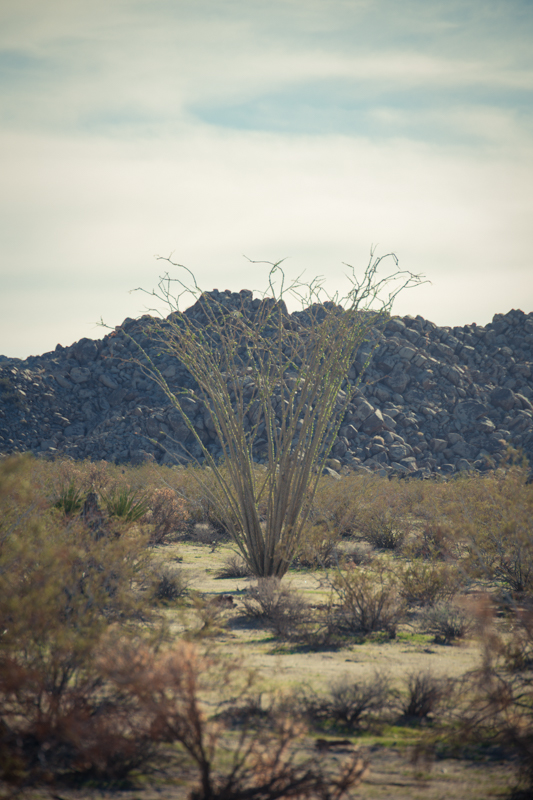
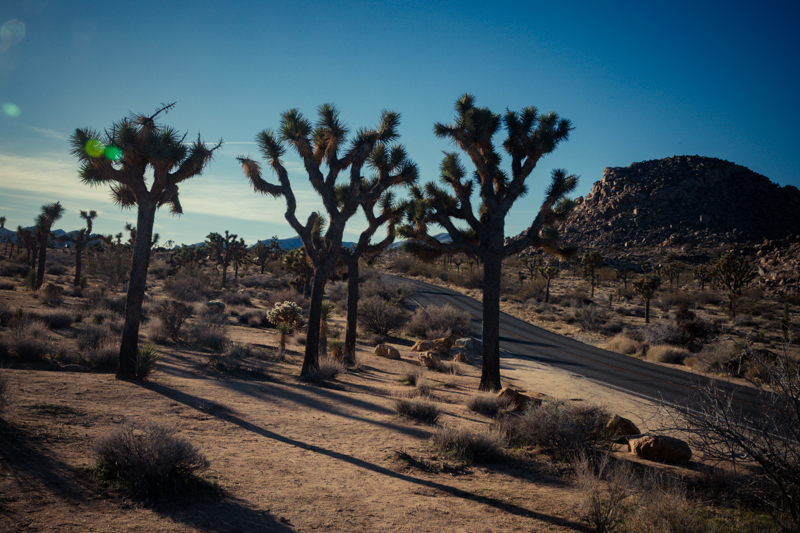
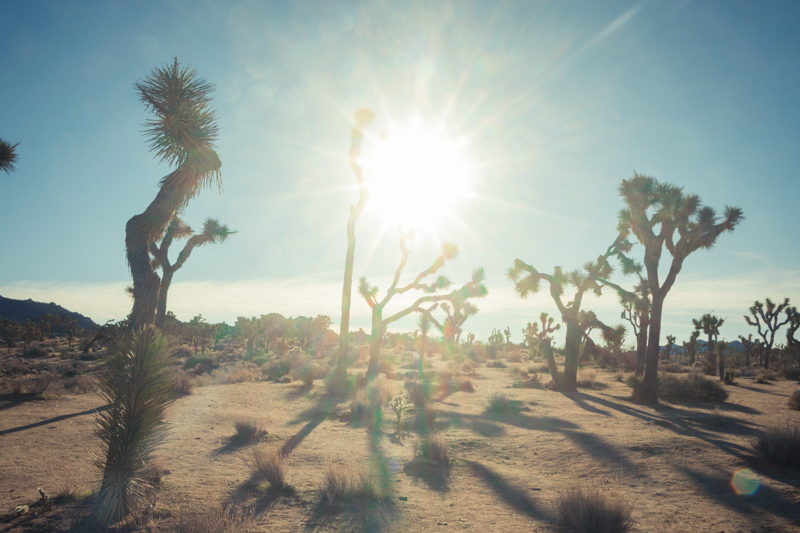
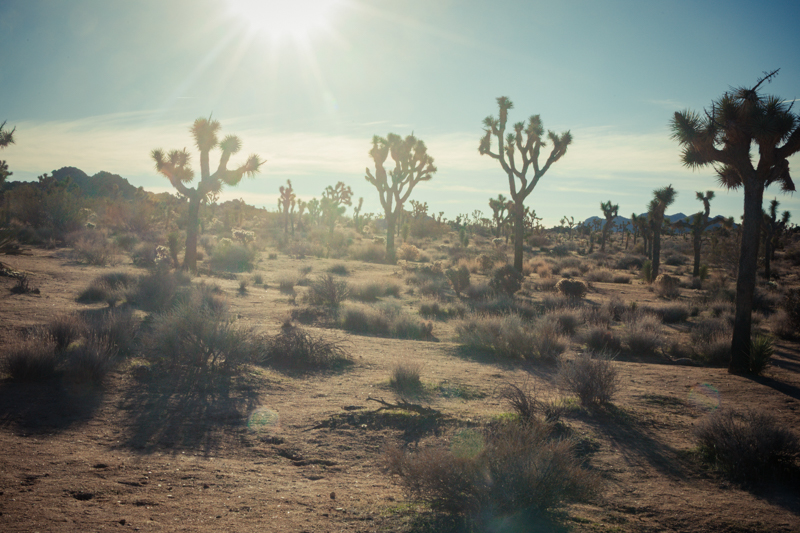
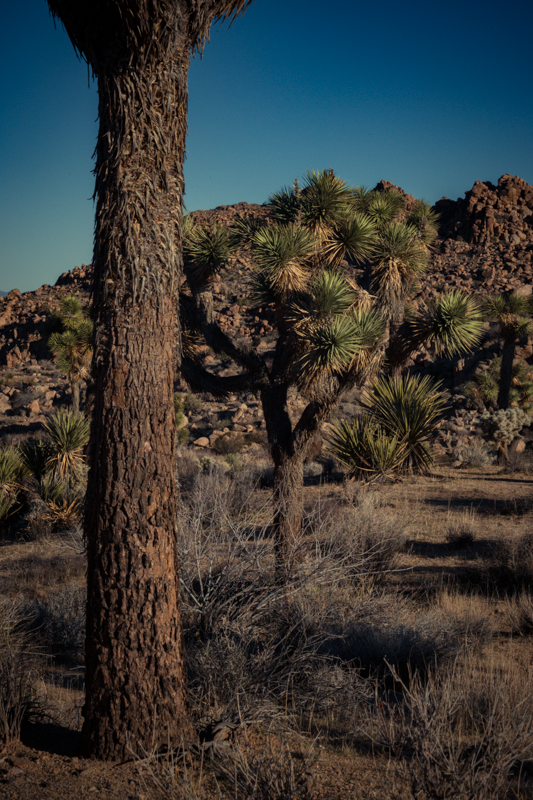
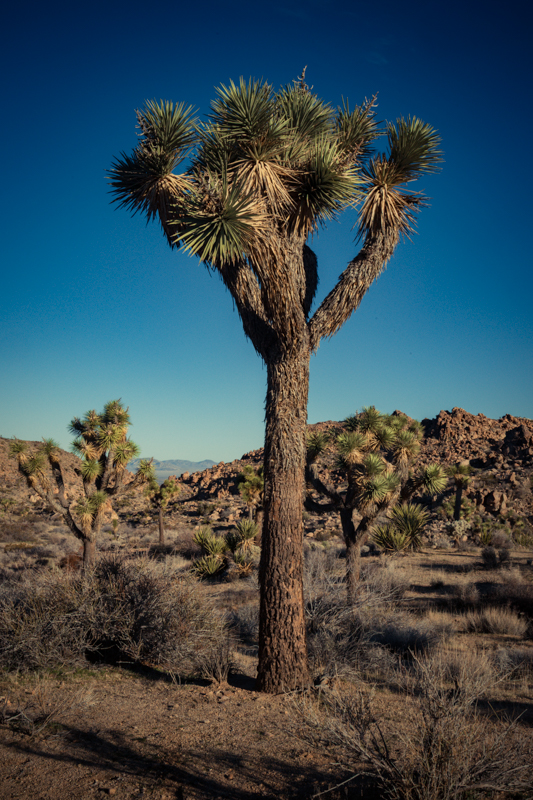
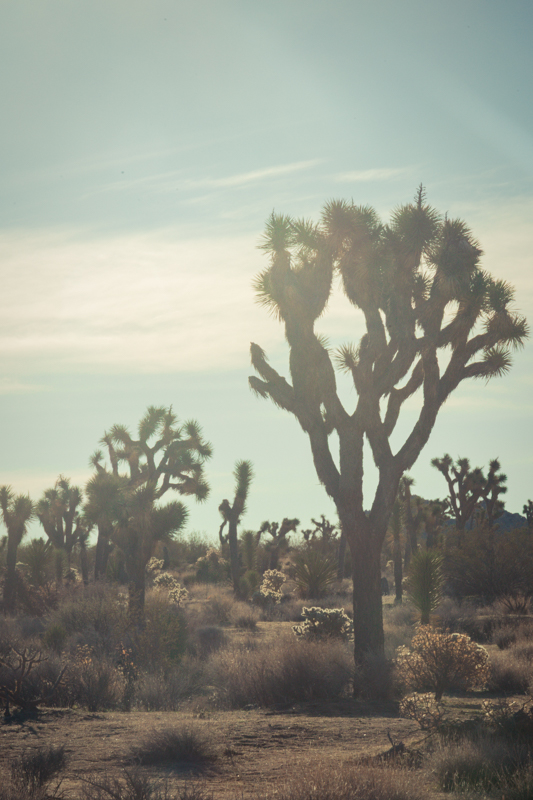
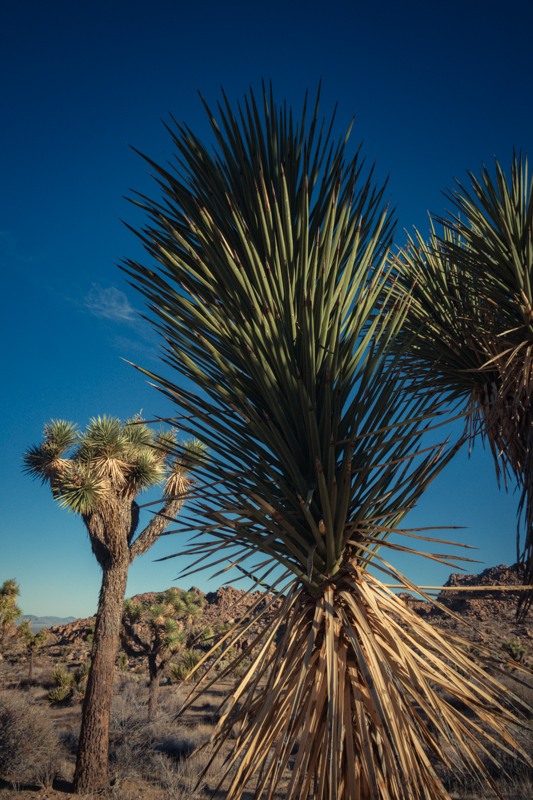
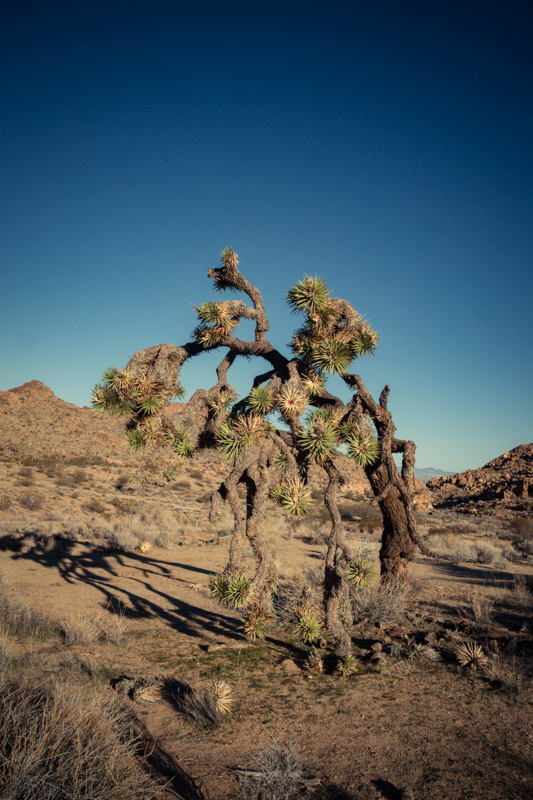
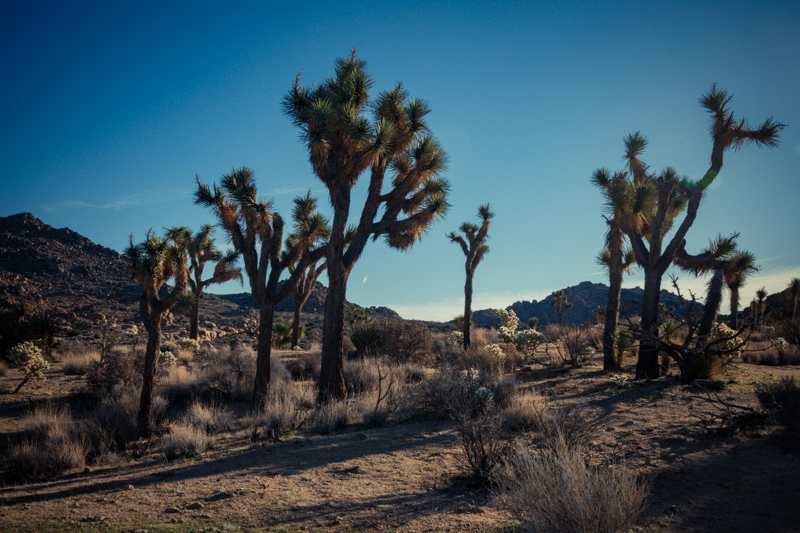
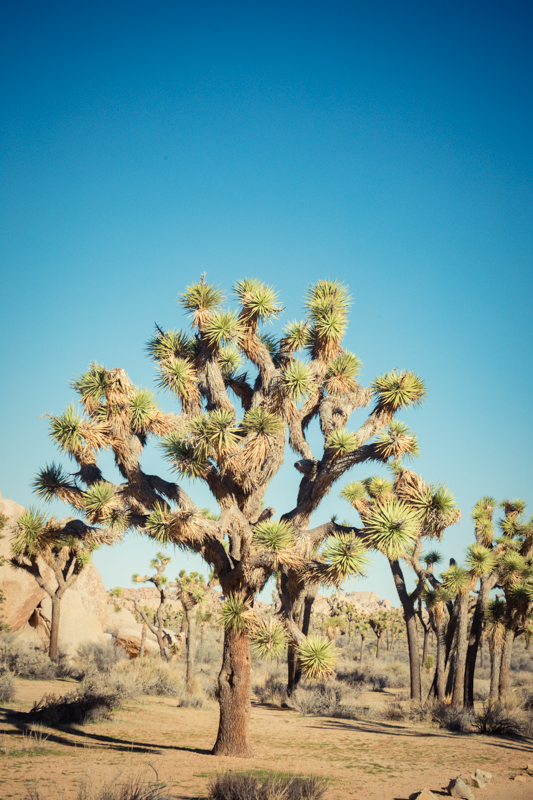
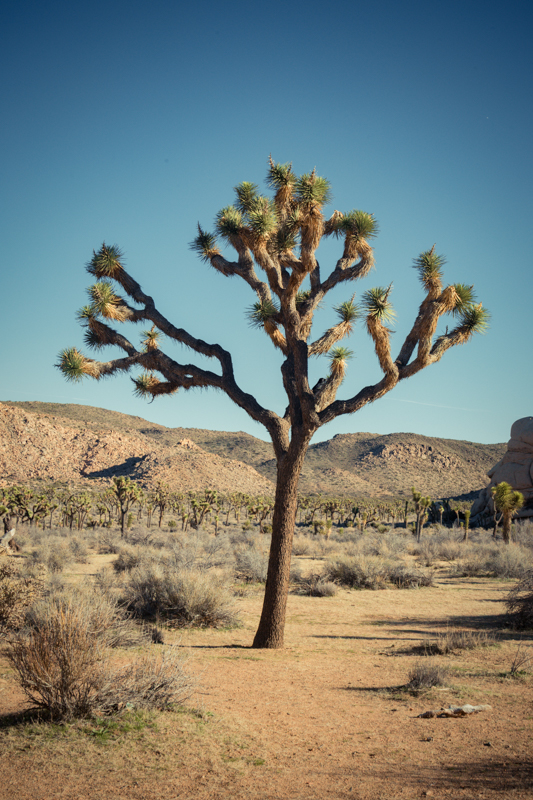
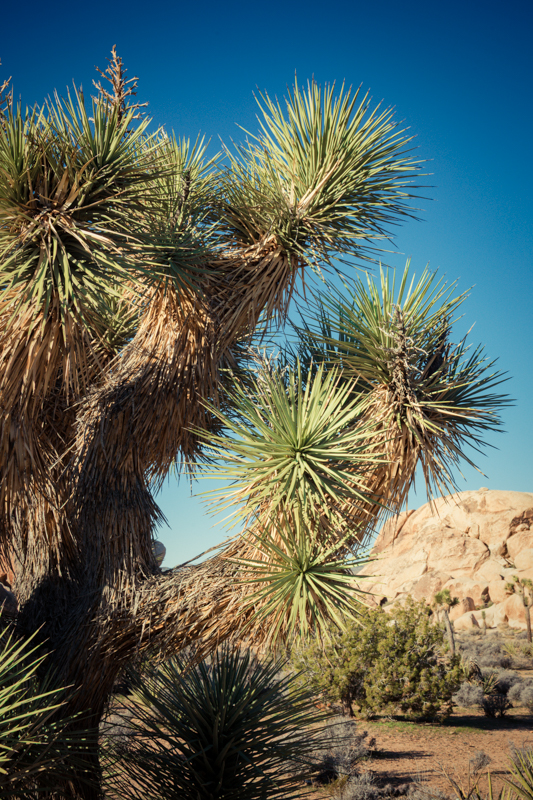
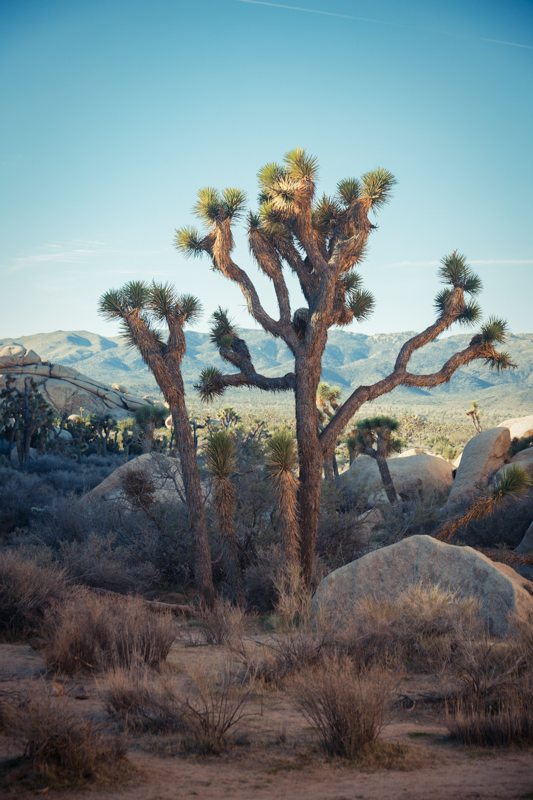
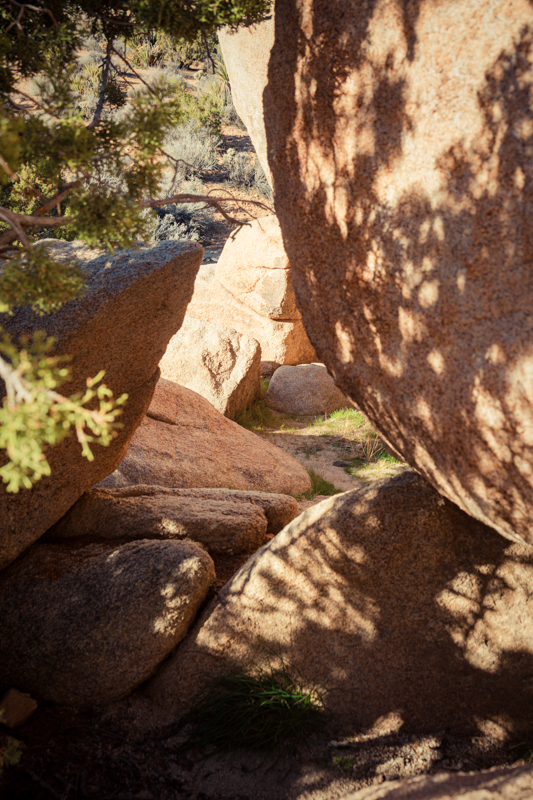
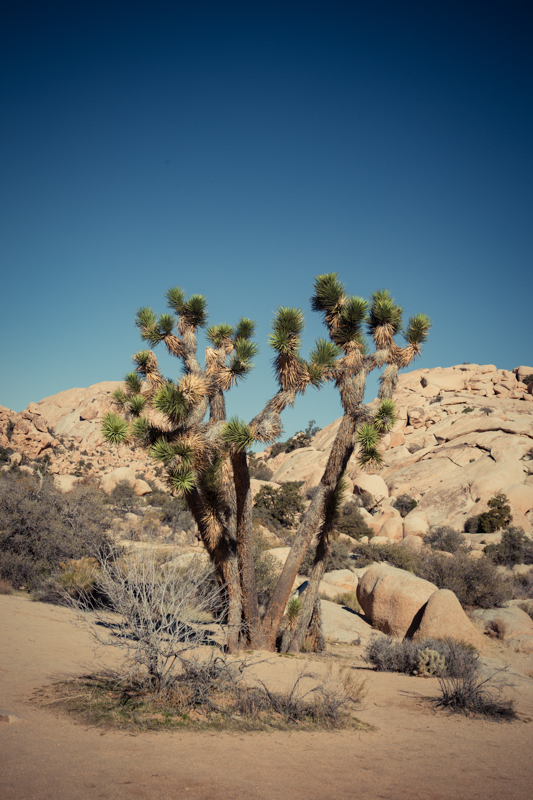
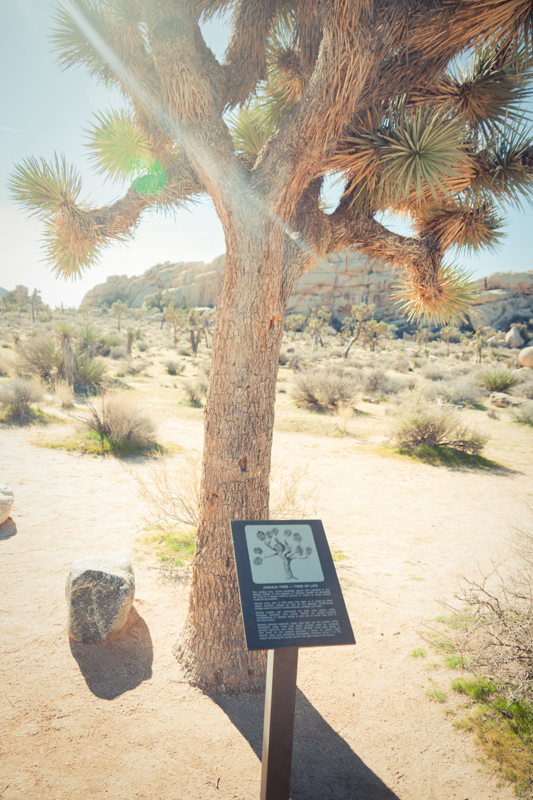
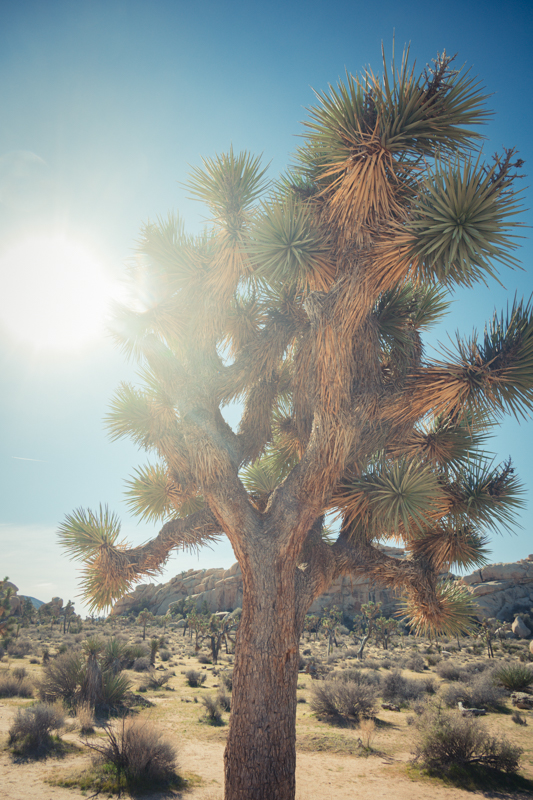
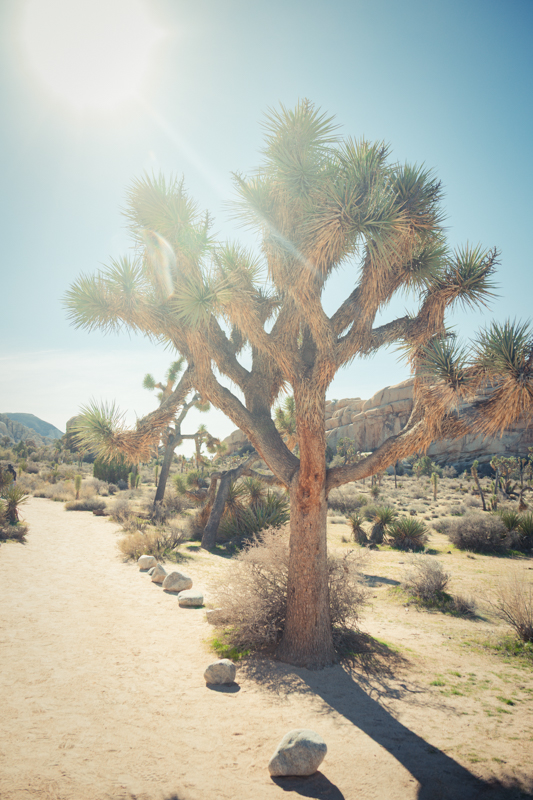
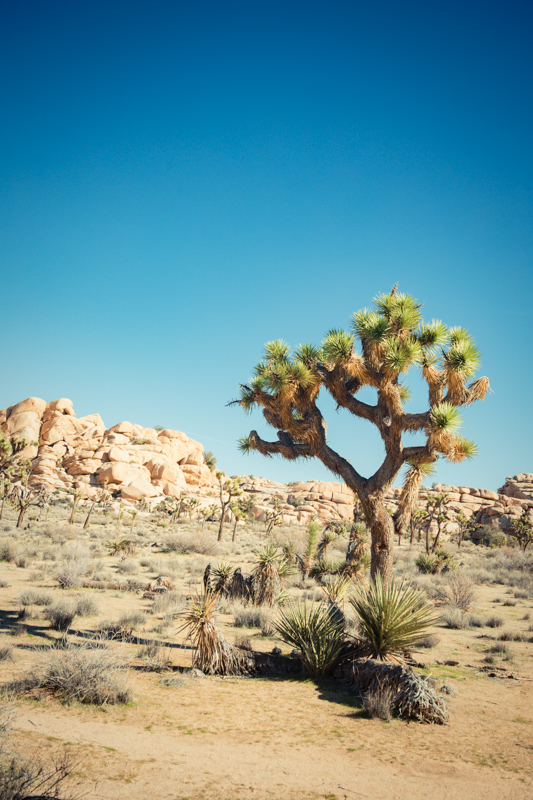
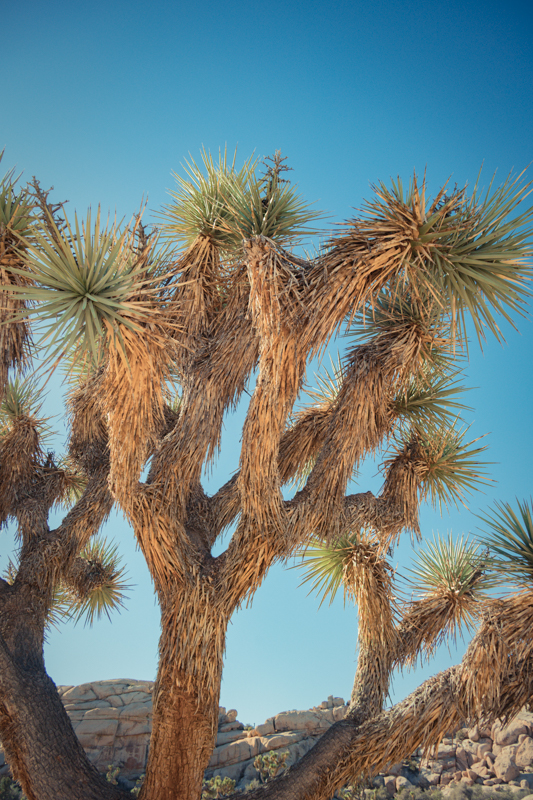
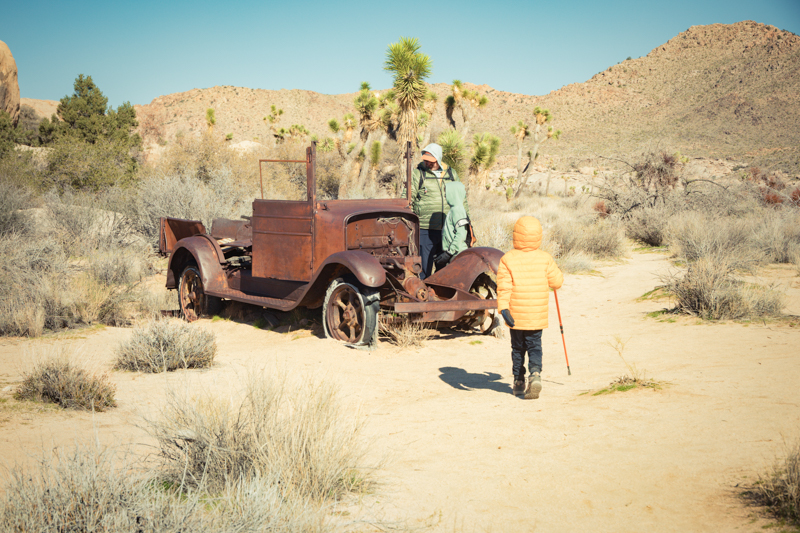
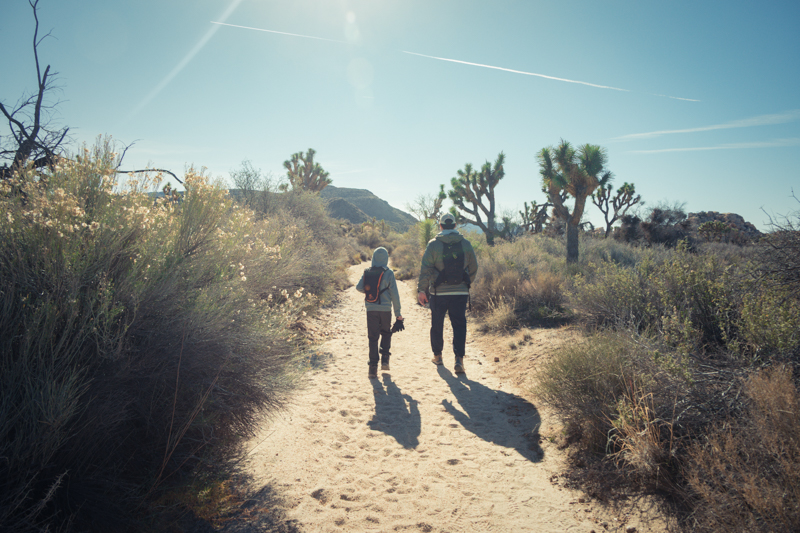
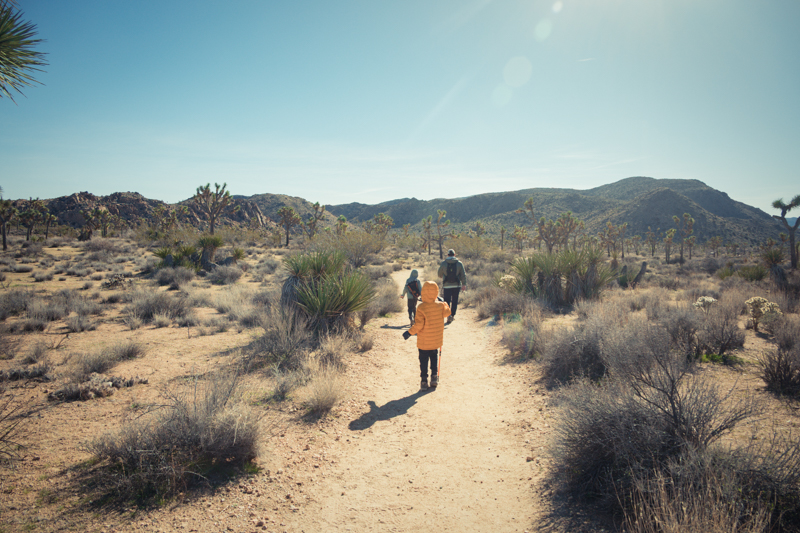
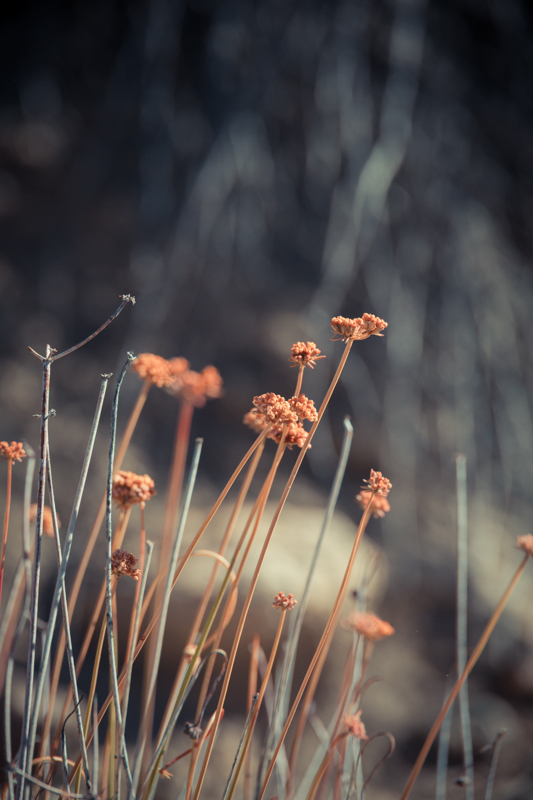
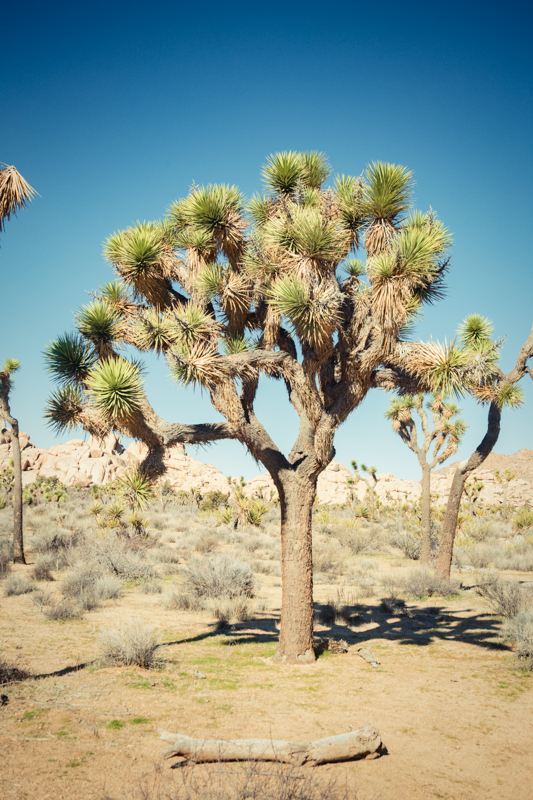
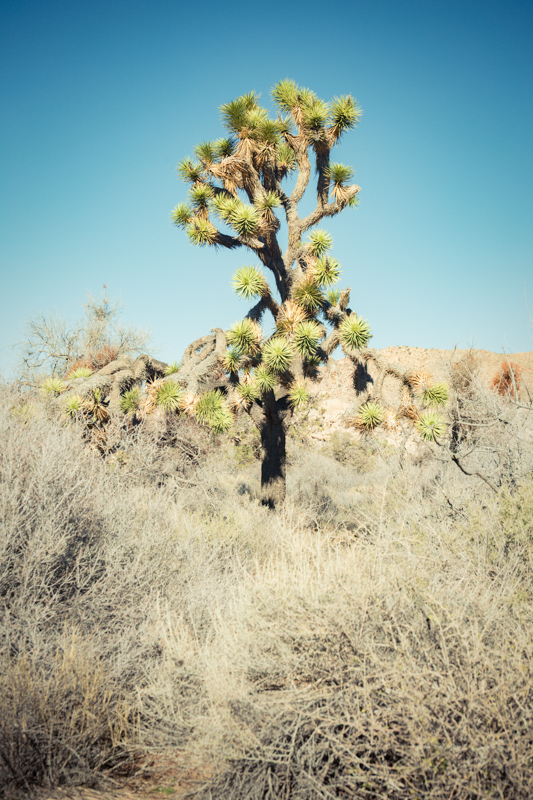
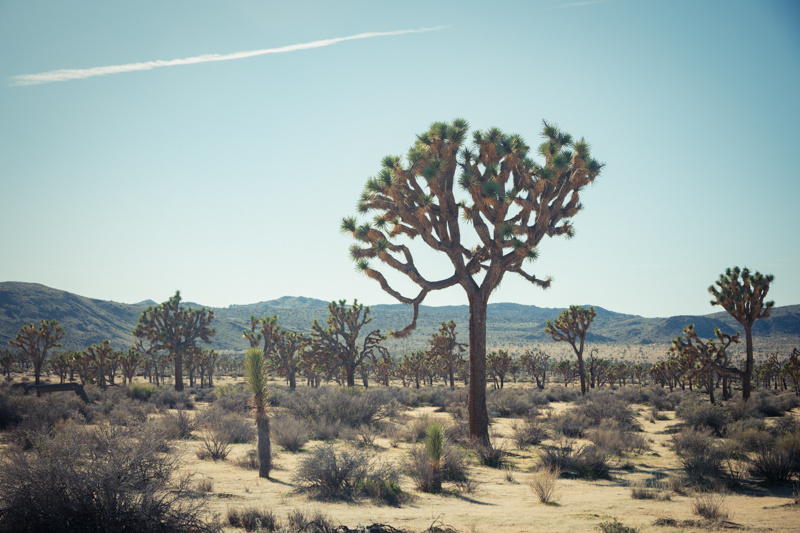
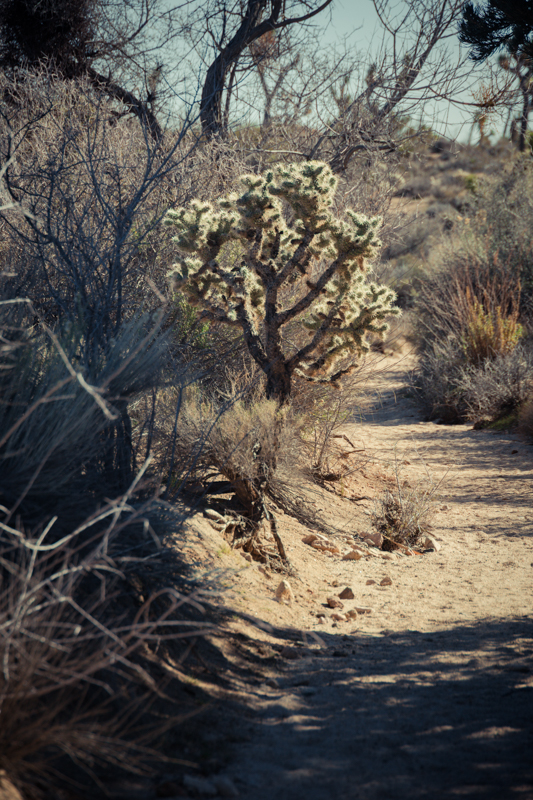
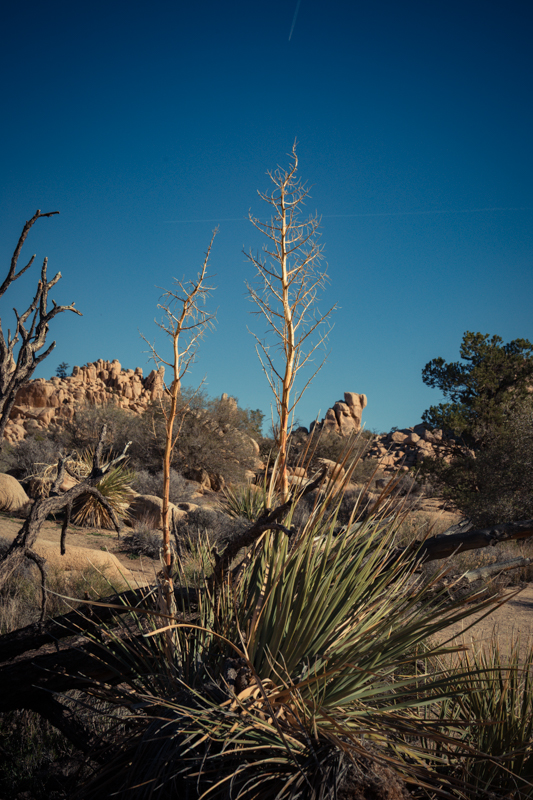
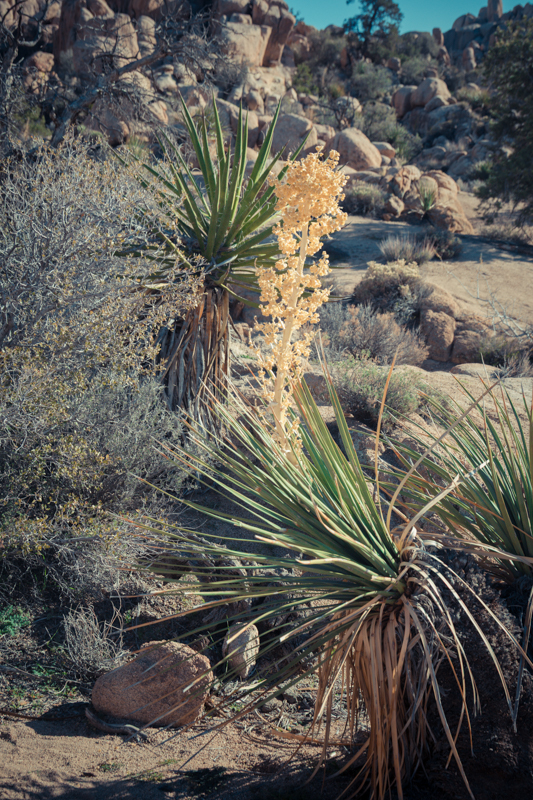
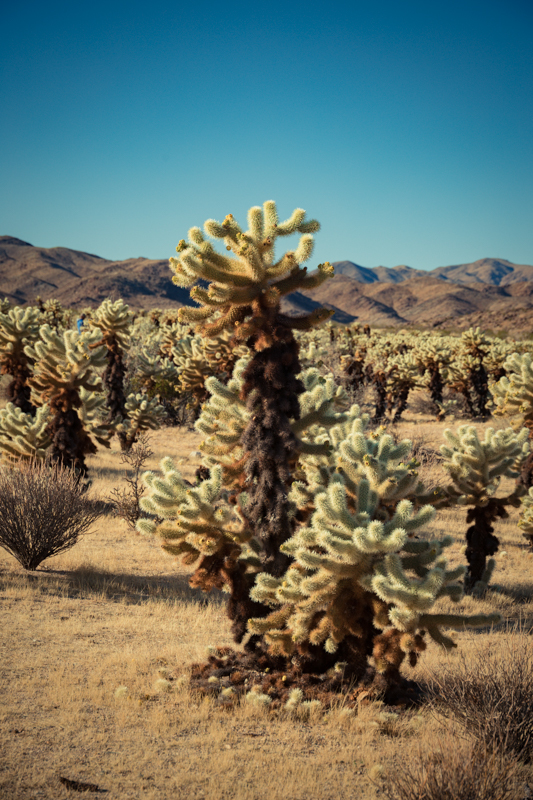
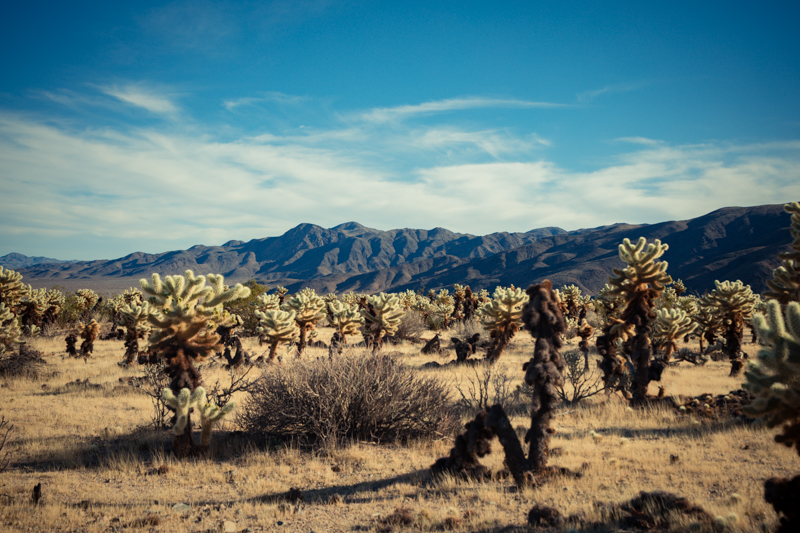
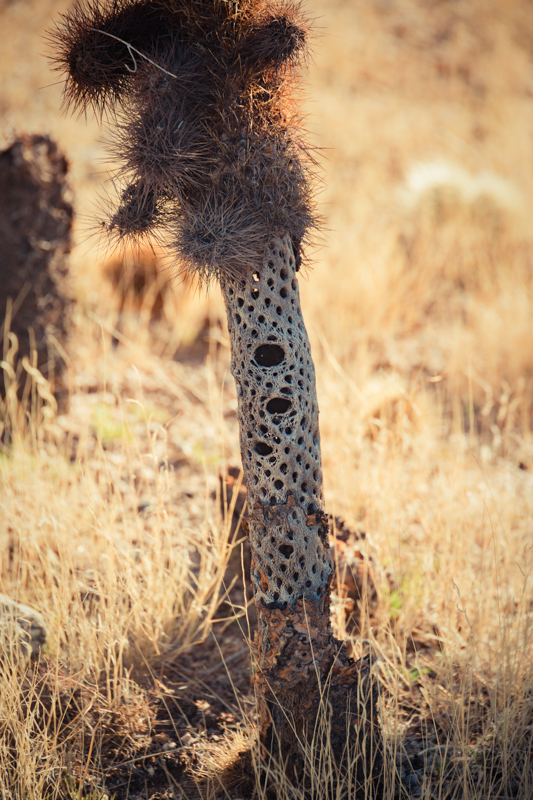
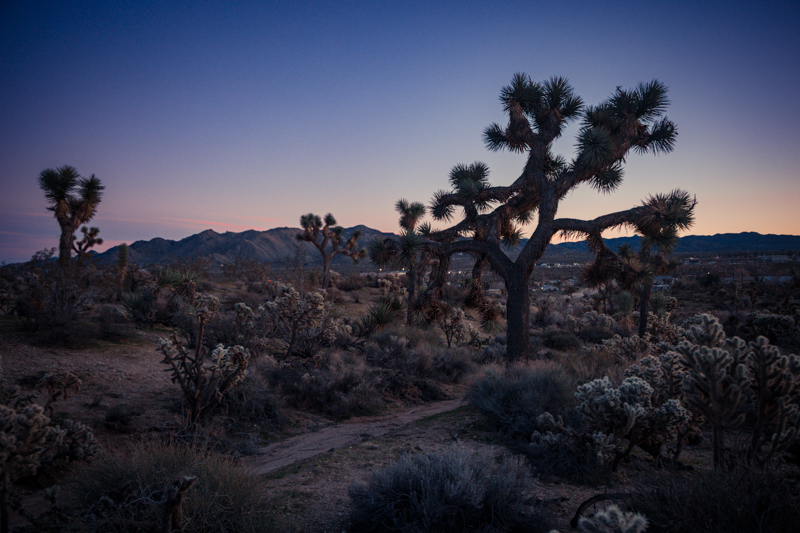
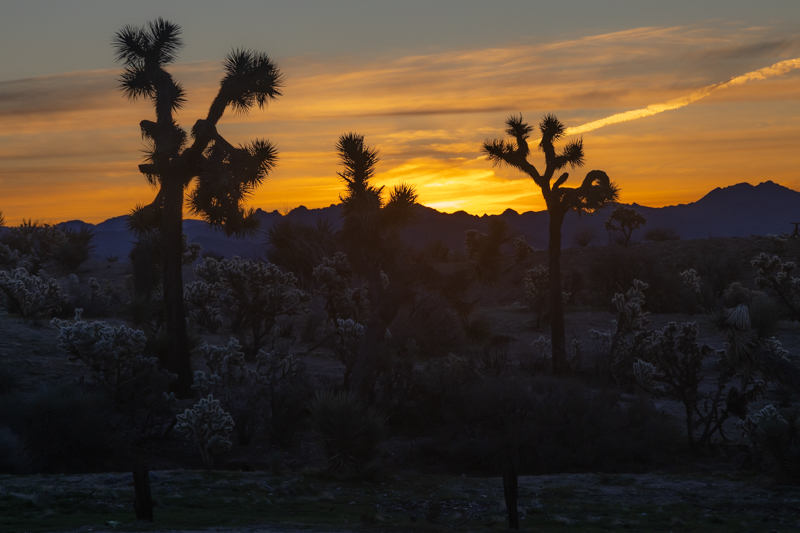
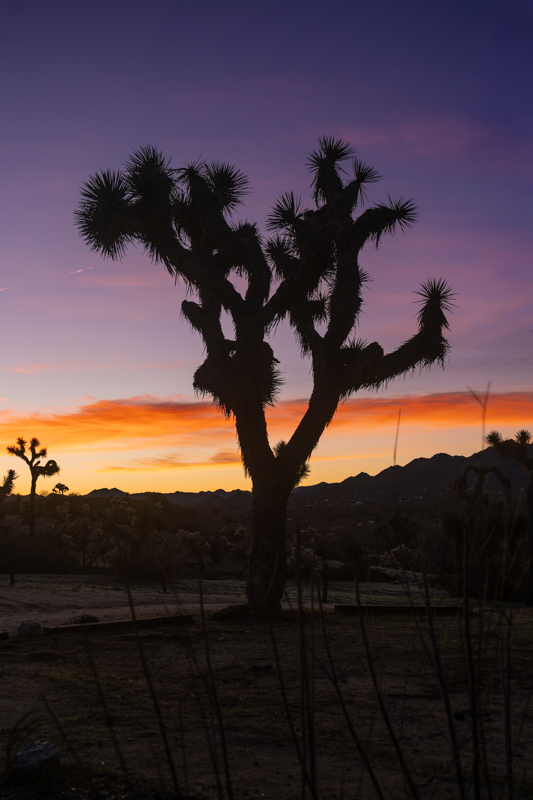
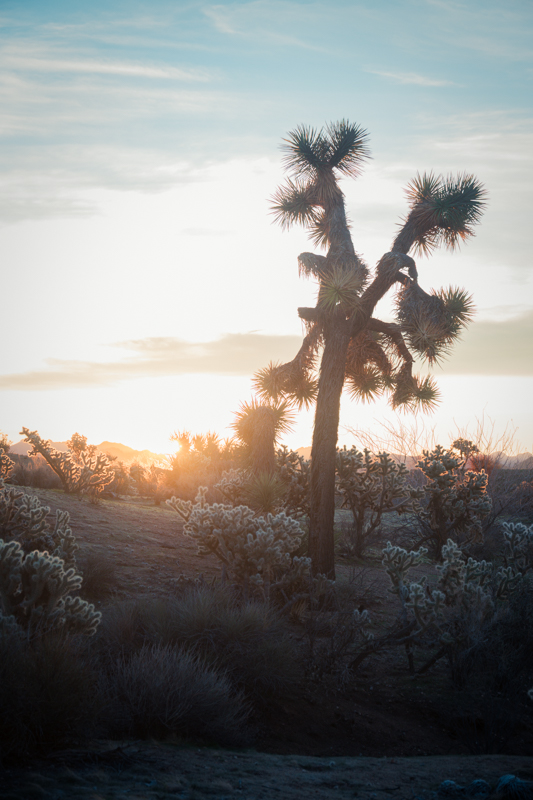
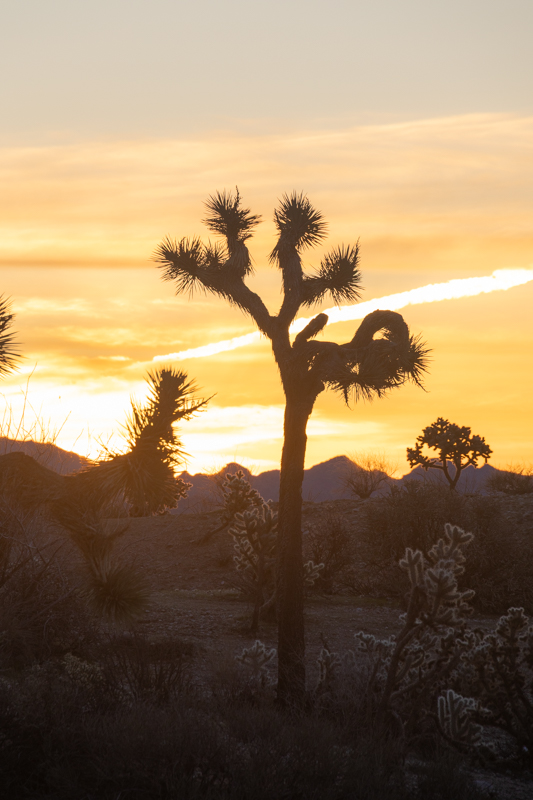
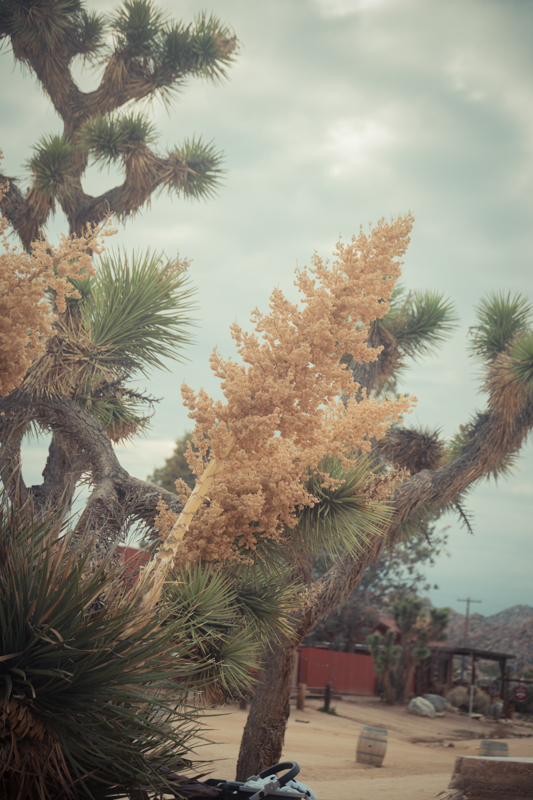
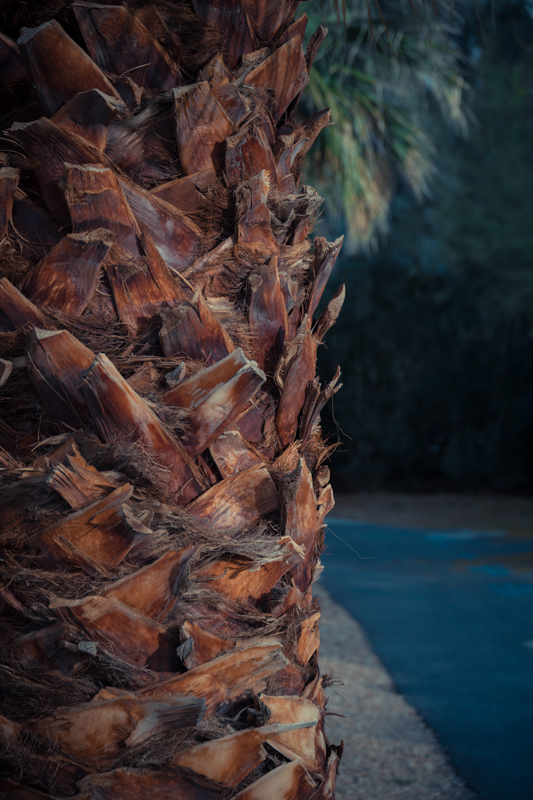
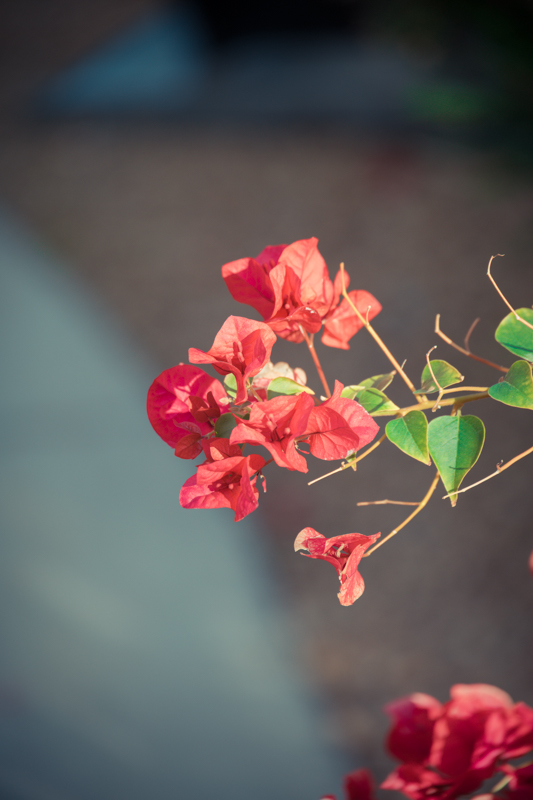
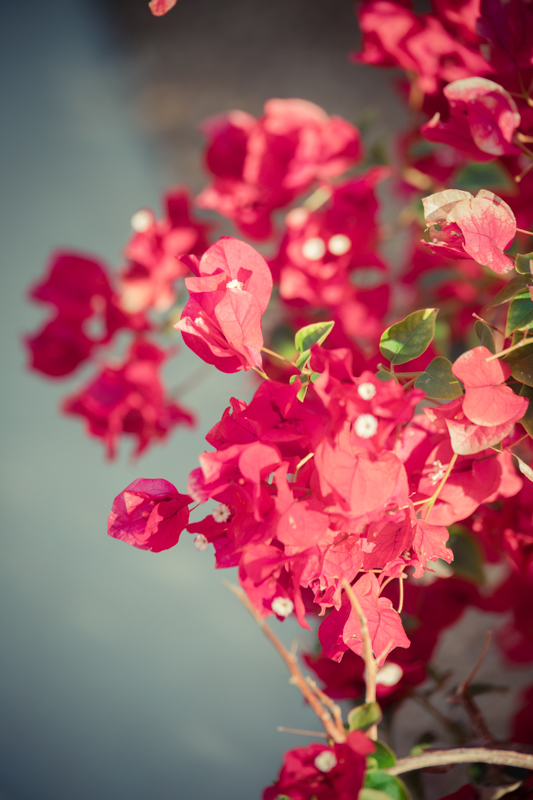
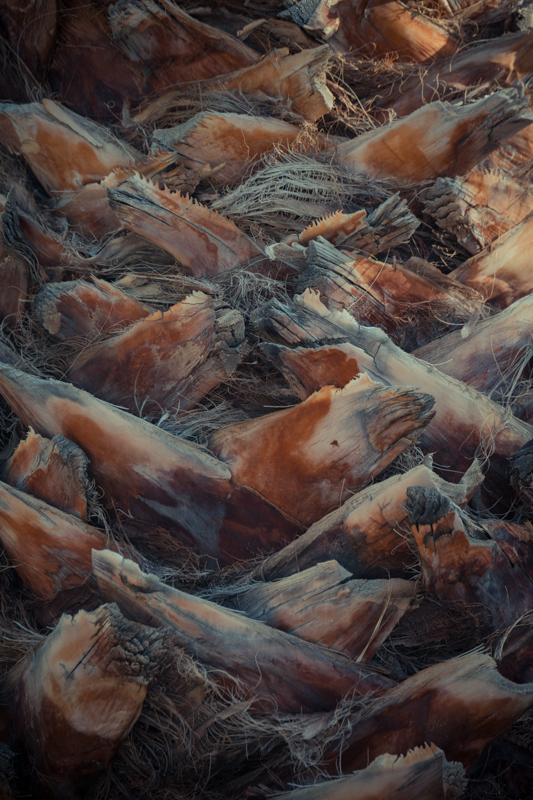
And then there are the trees. The Joshua trees themselves are what give the park its name, but they’re more than just a visual signature. These unique, spiky silhouettes are actually a type of yucca, and they only grow in a very specific ecosystem within the Mojave Desert. Early Mormon settlers are said to have named them, seeing their branches as outstretched arms guiding them westward. Standing among them, you can see why. They’re strange and beautiful, a little chaotic, and completely unforgettable. No two look the same. I found myself constantly stopping to take photos… of the trees, the textures, the light, the way everything felt both harsh and delicate at the same time.
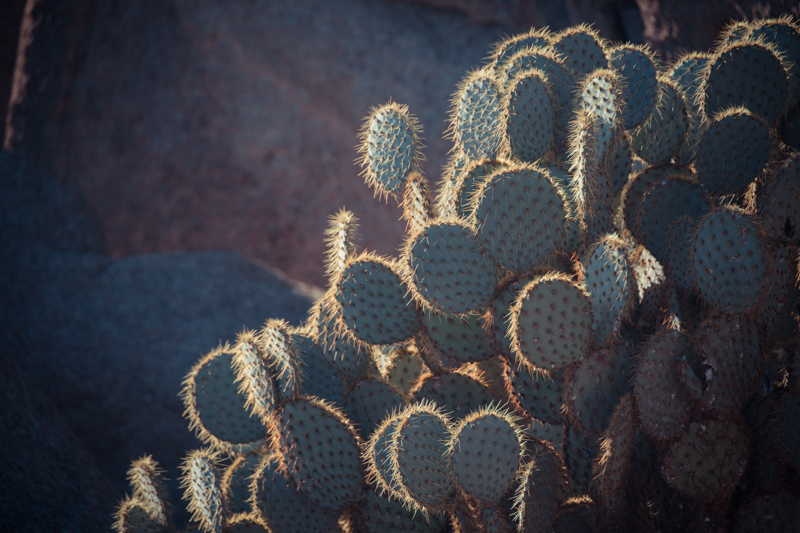
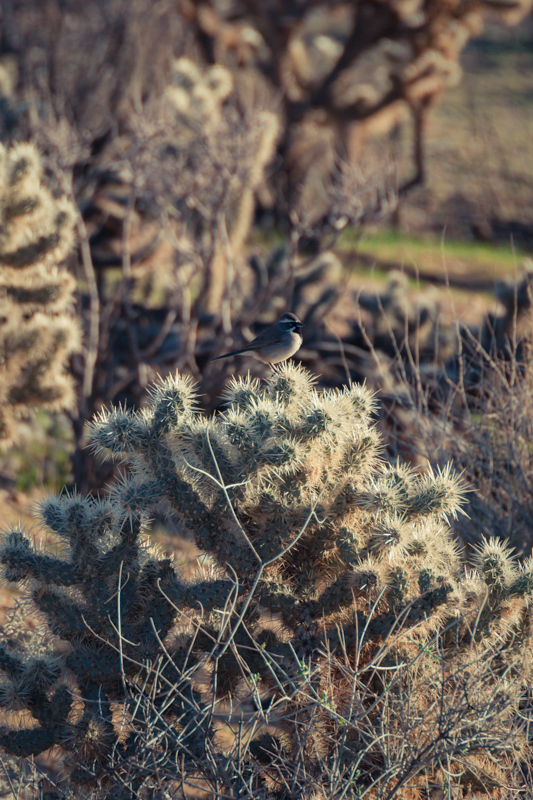
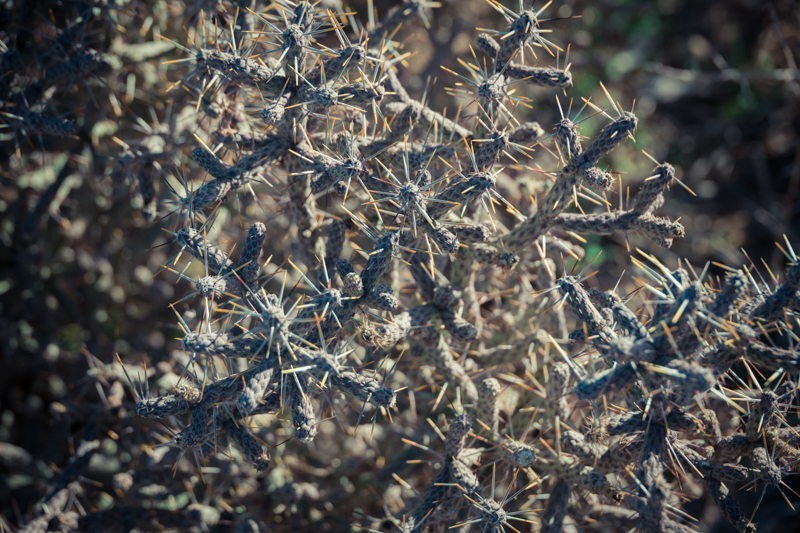
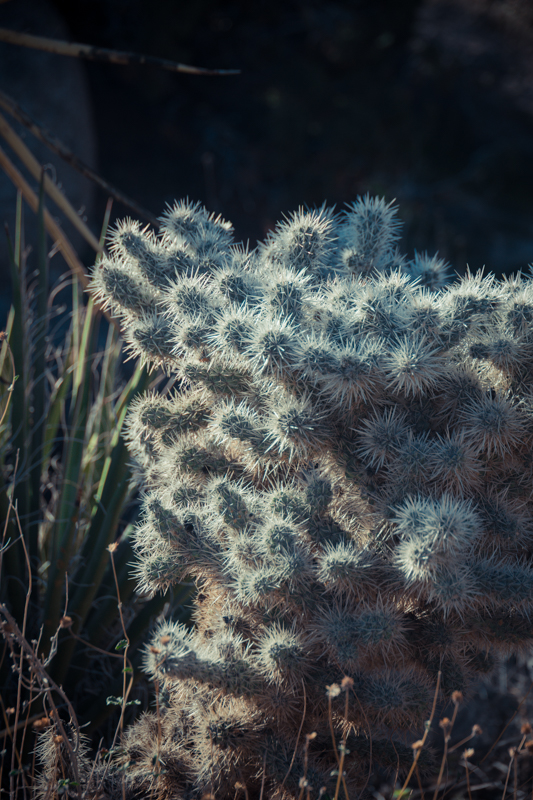
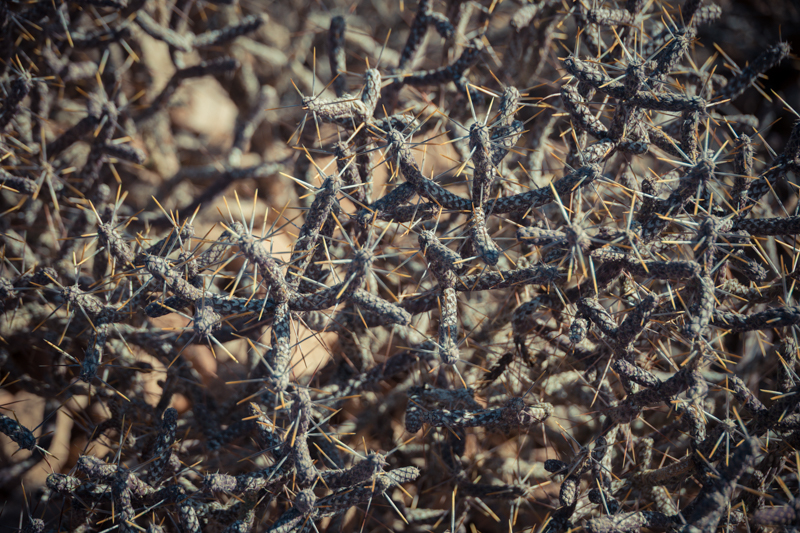
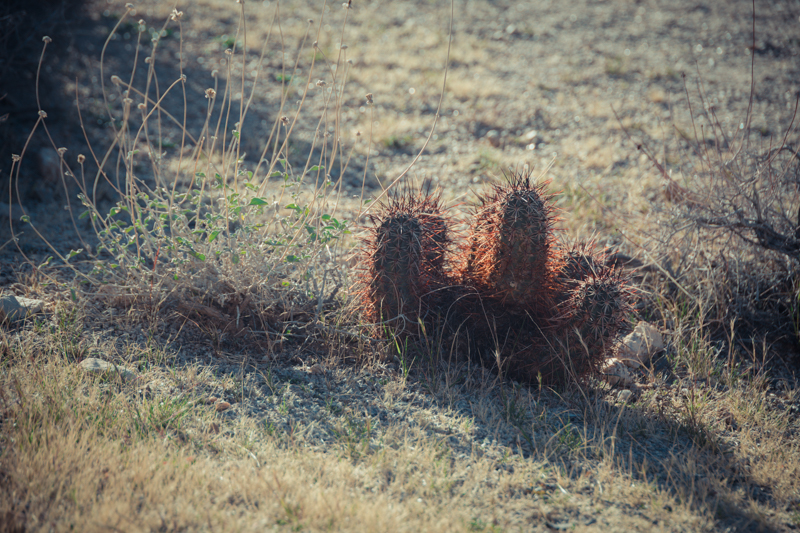
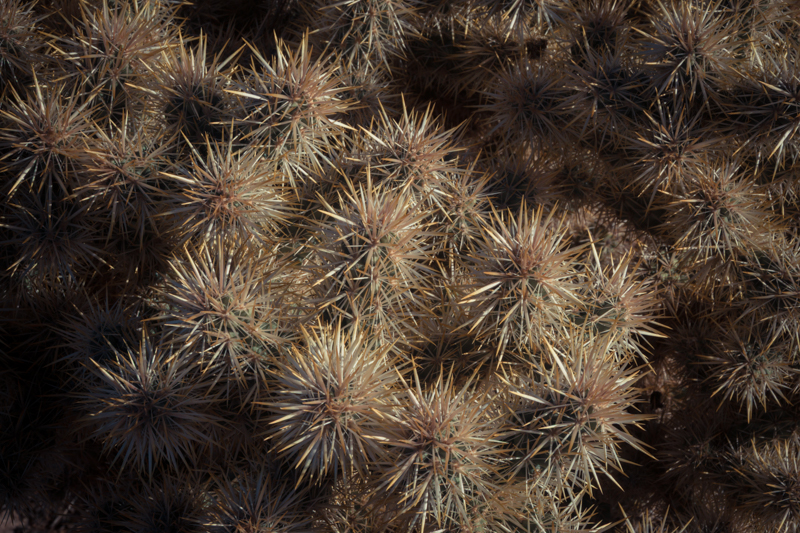
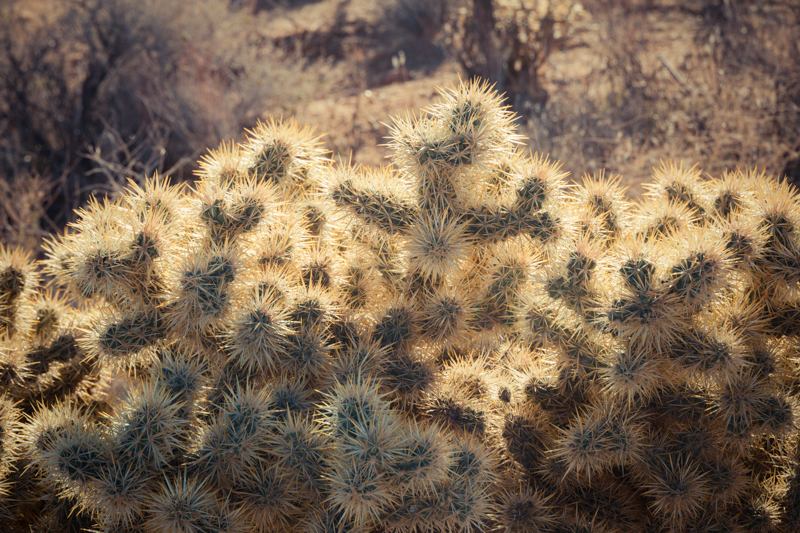
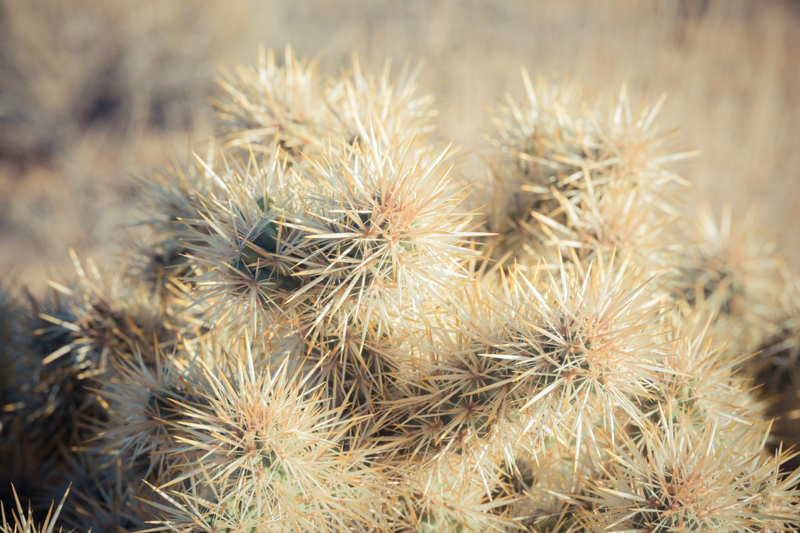
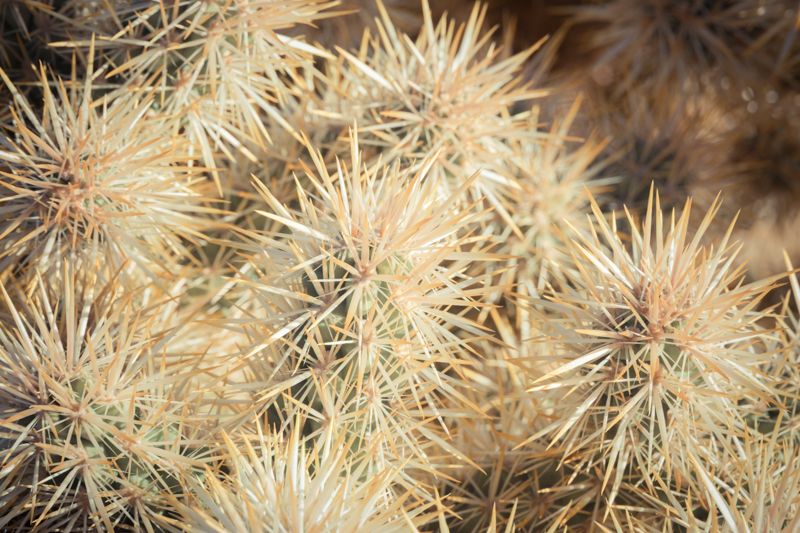
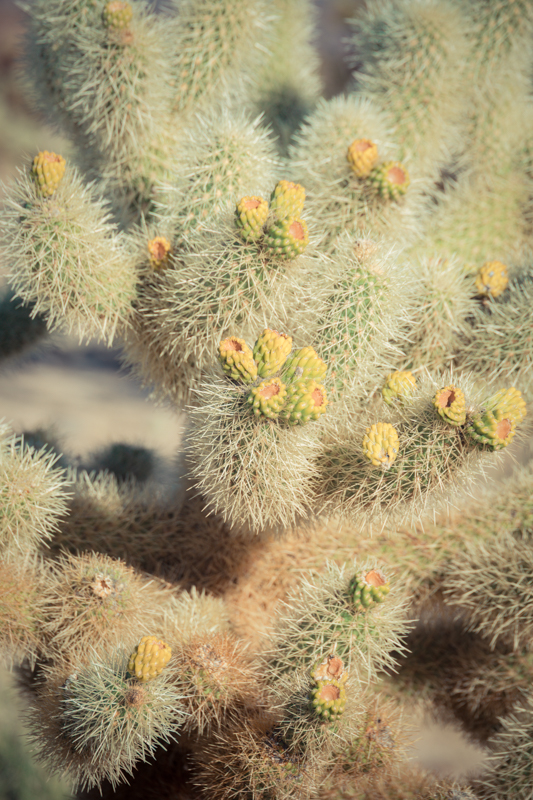
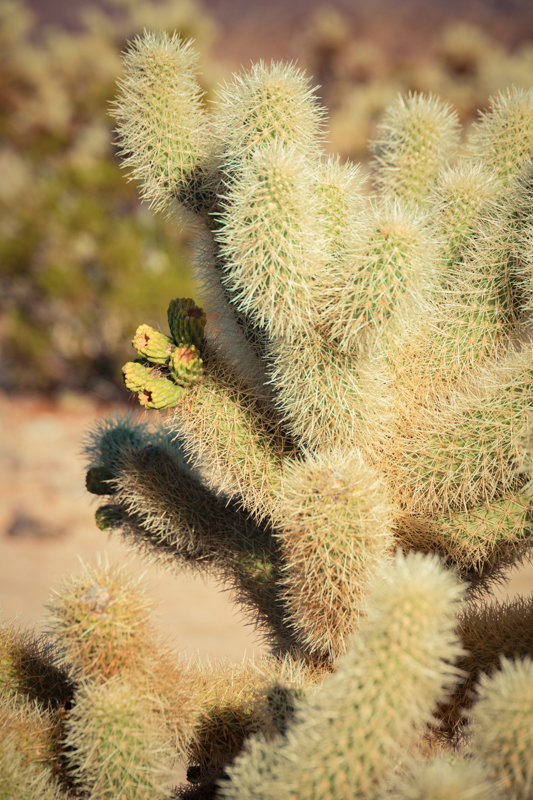
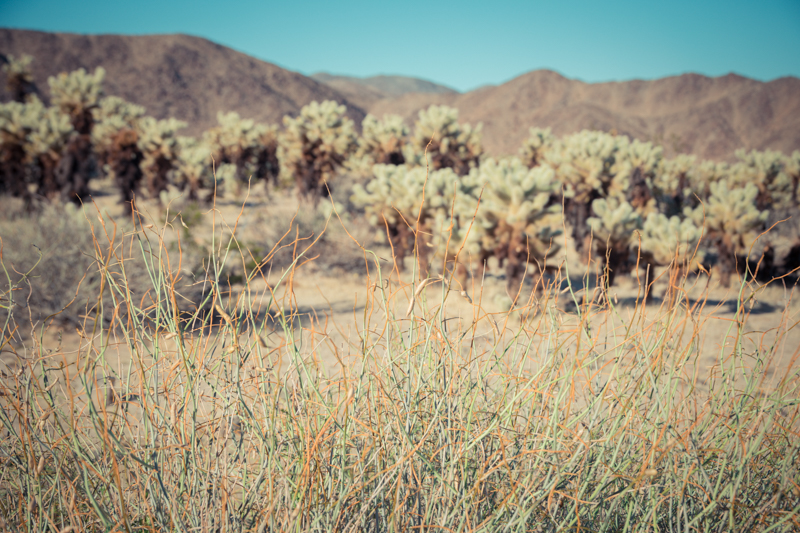
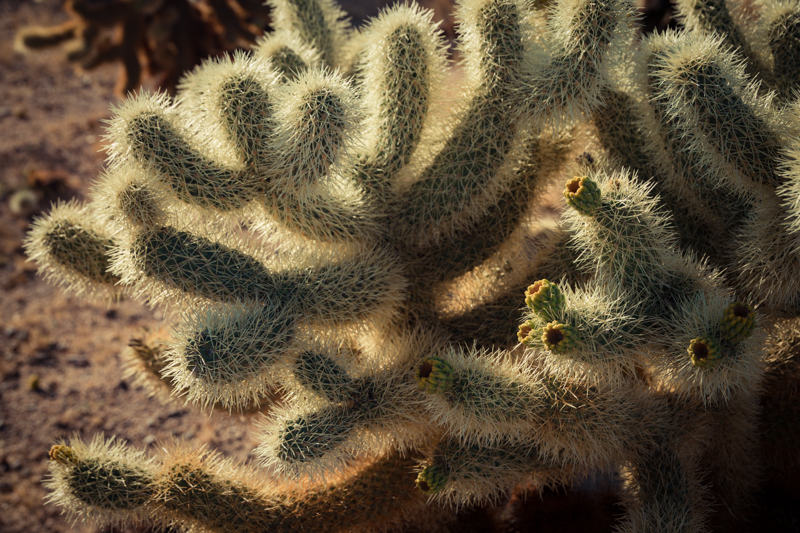
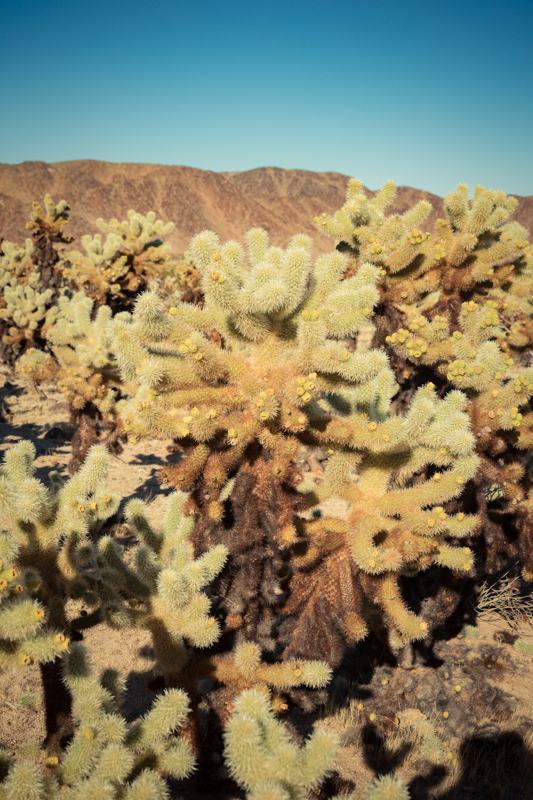
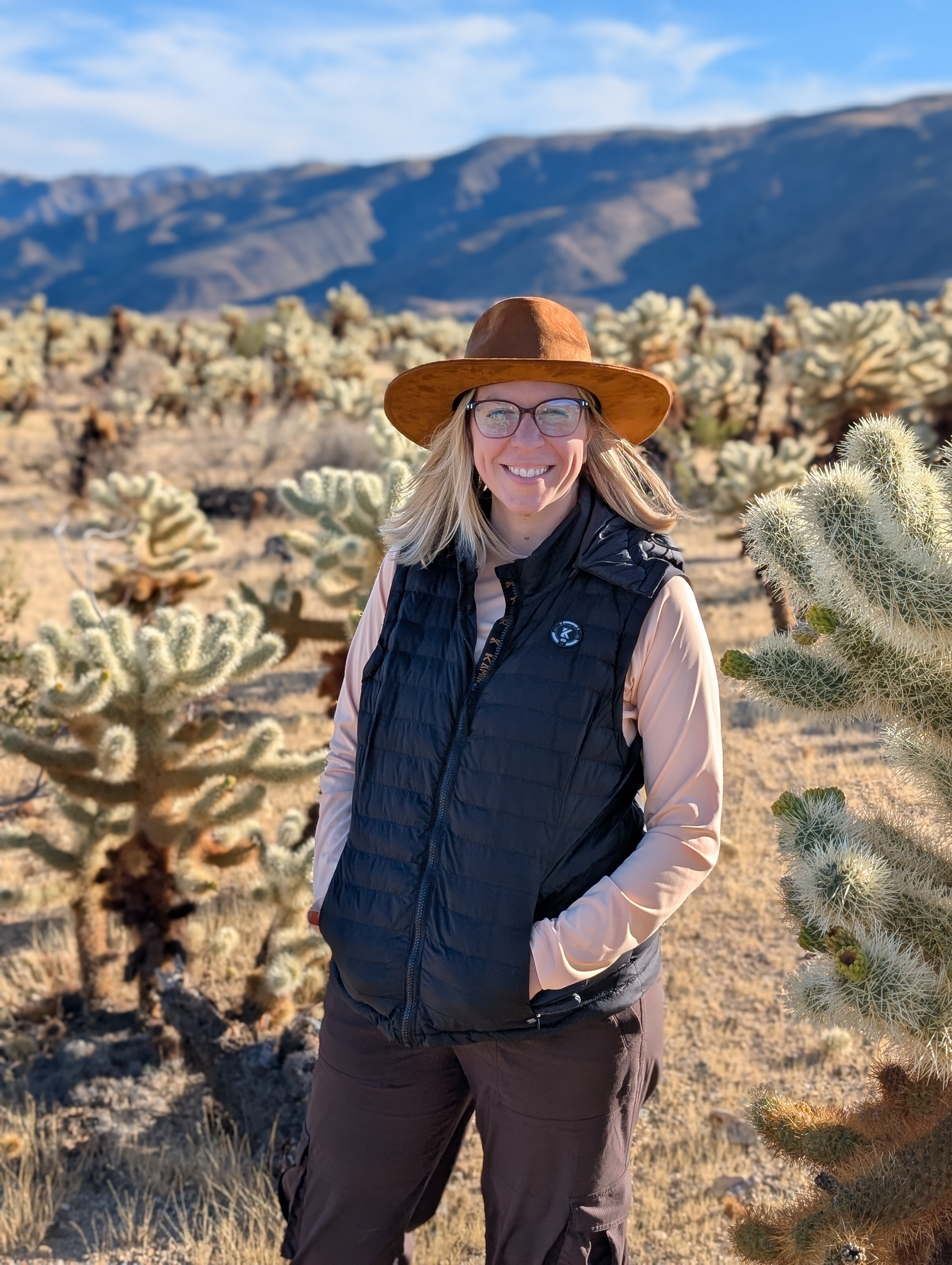
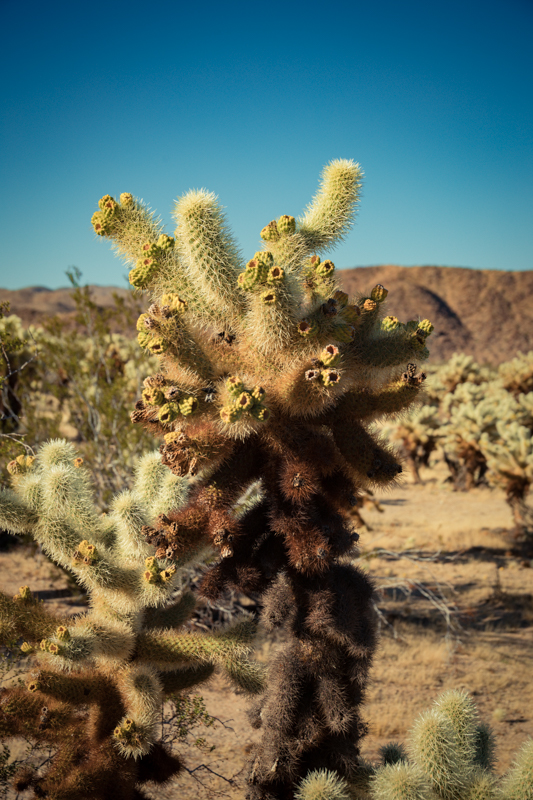
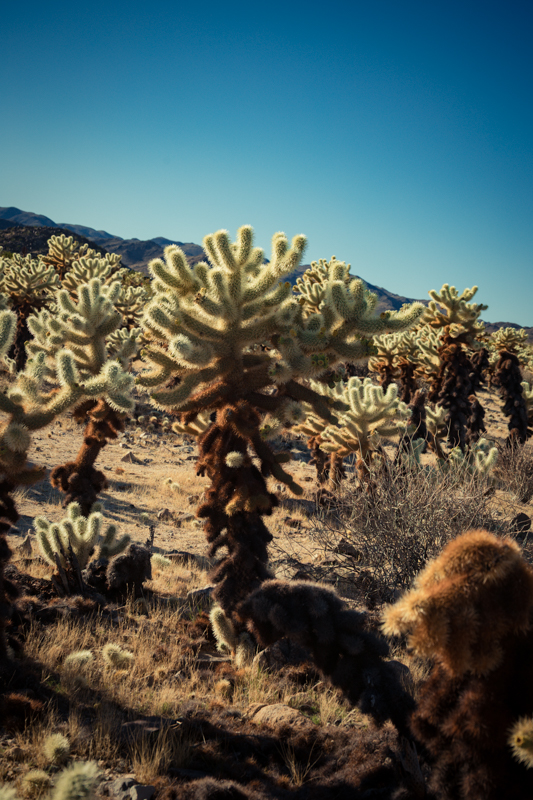
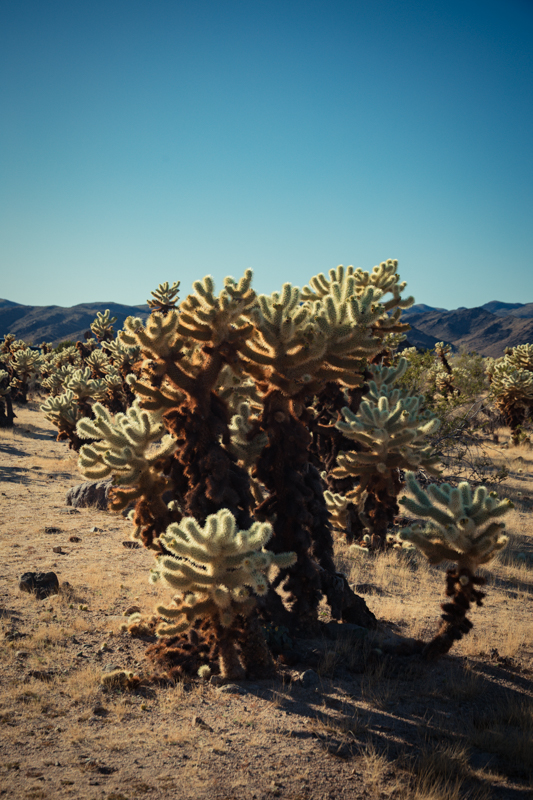
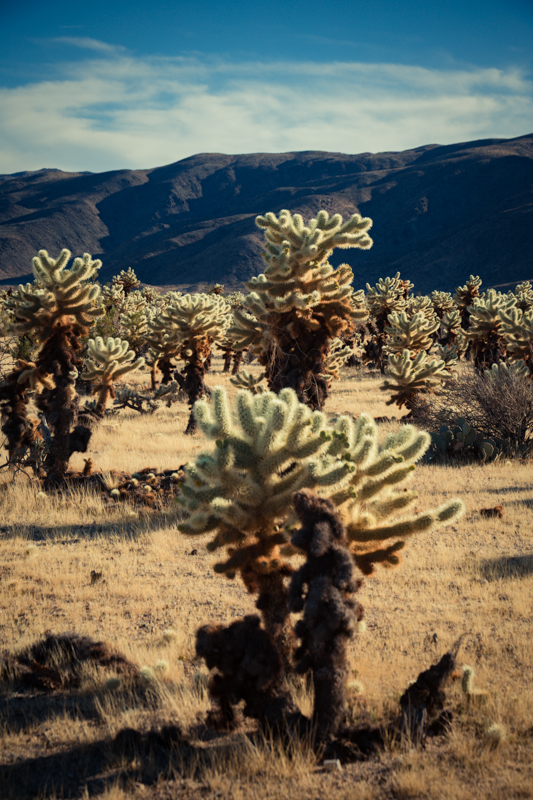
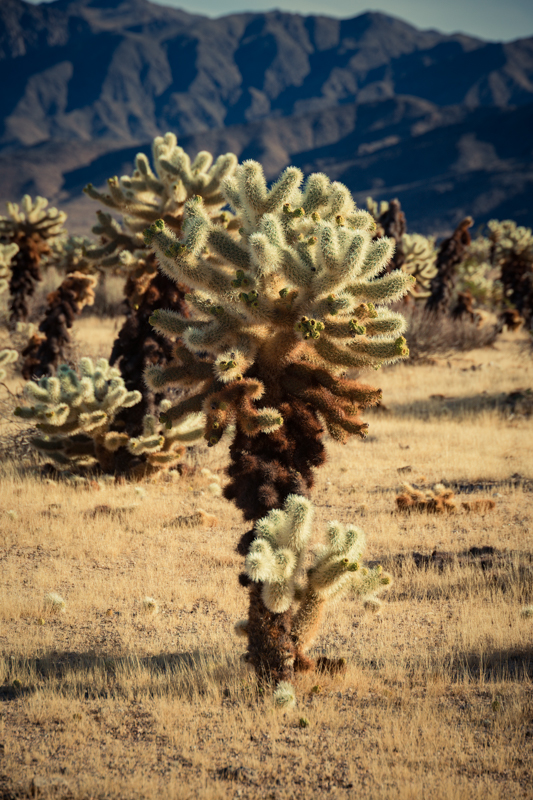
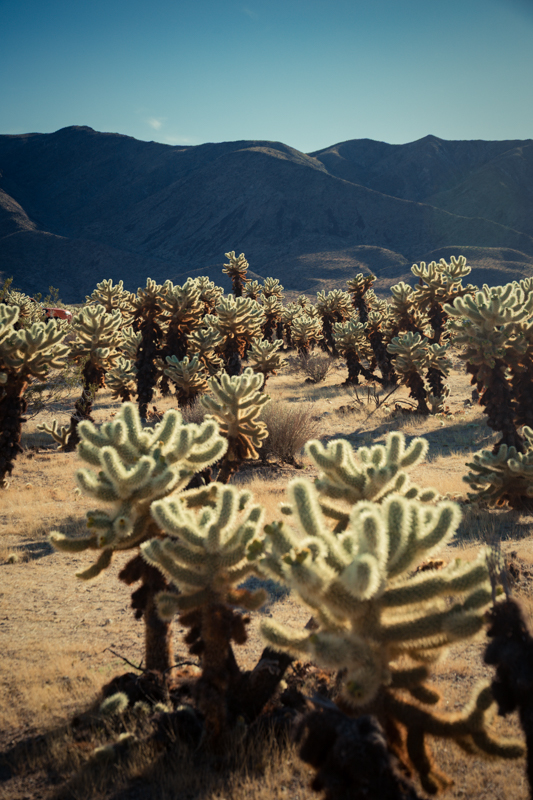
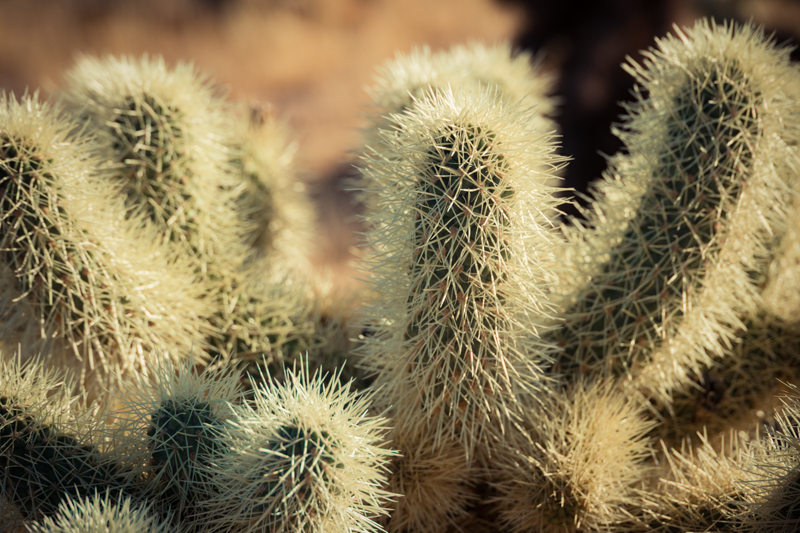
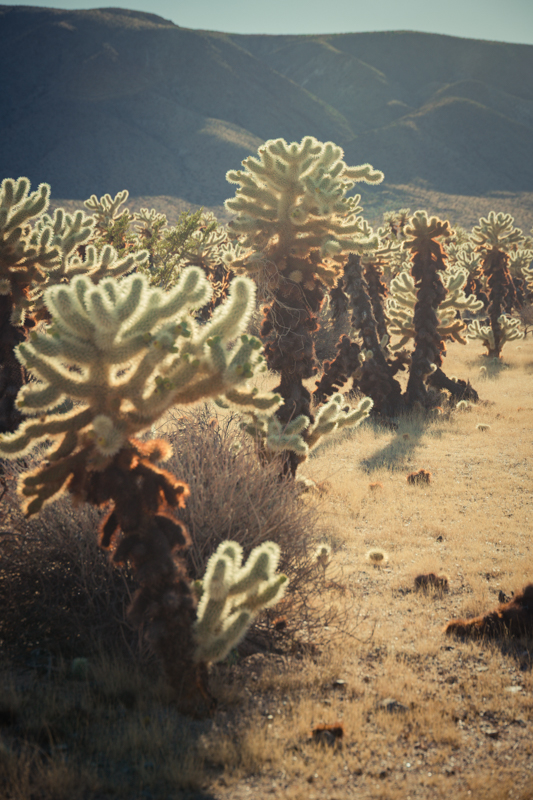
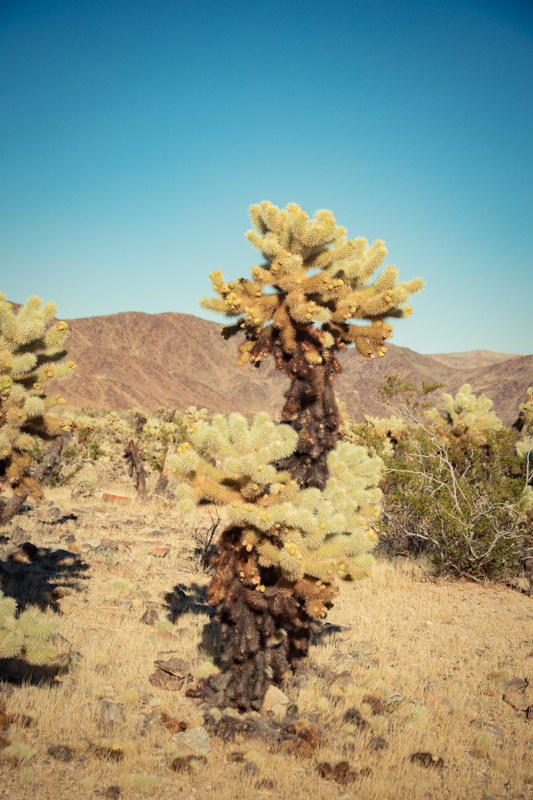
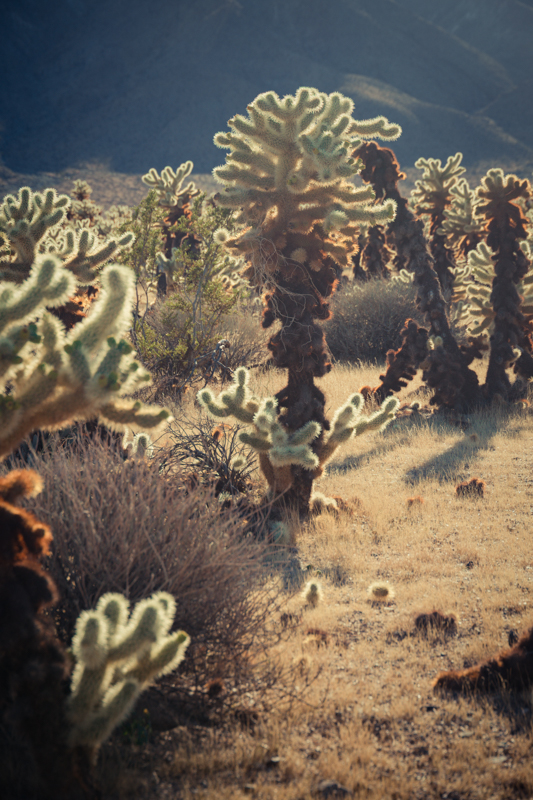
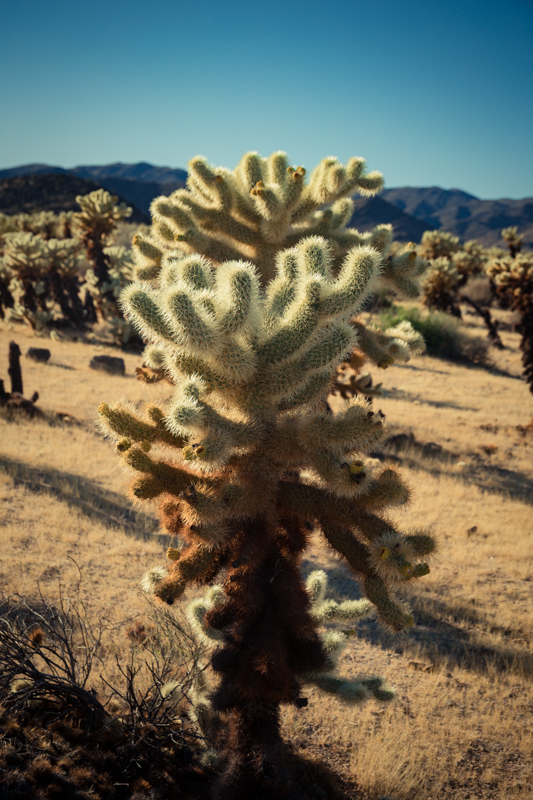
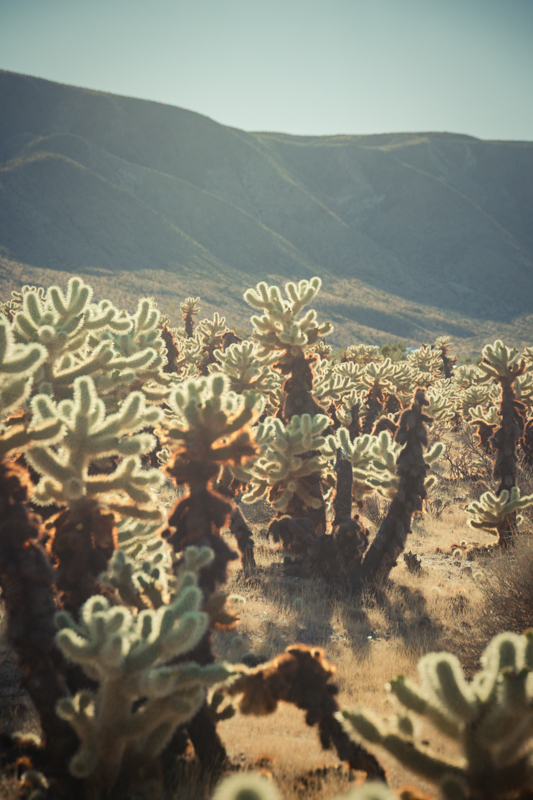
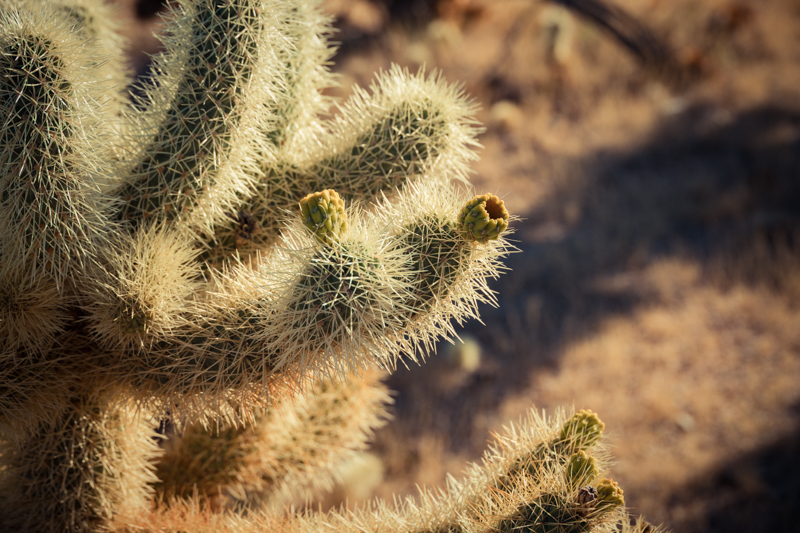
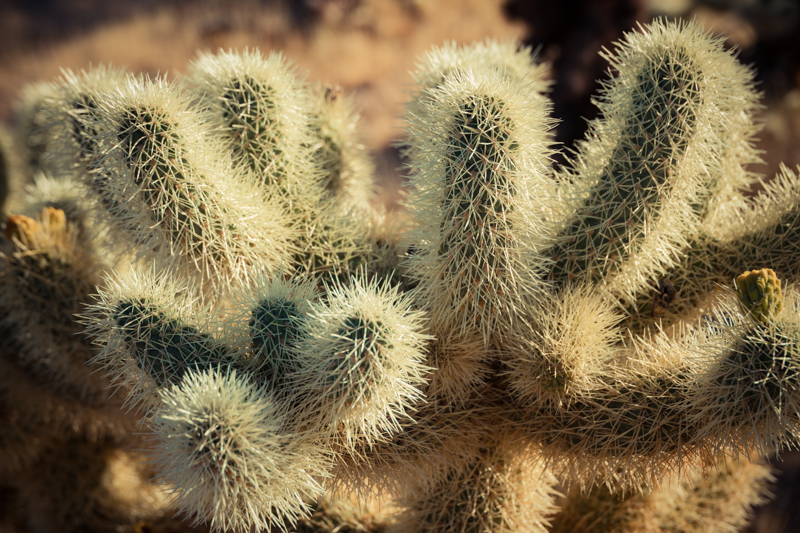
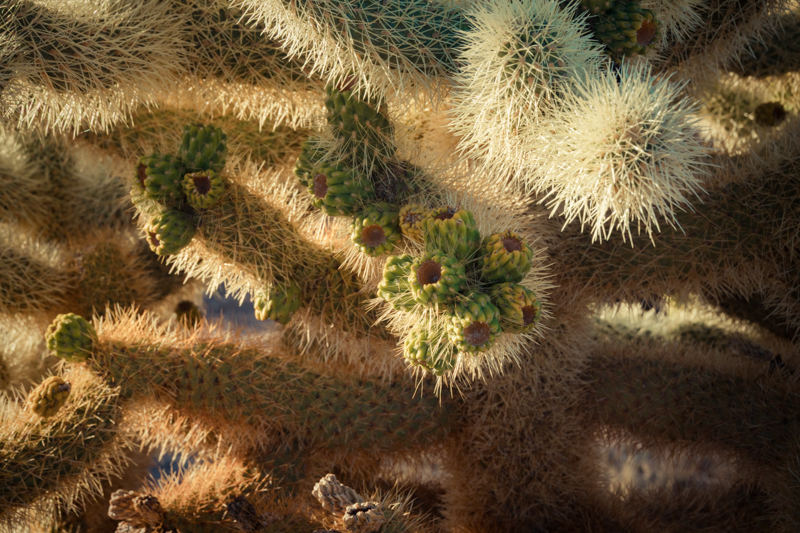
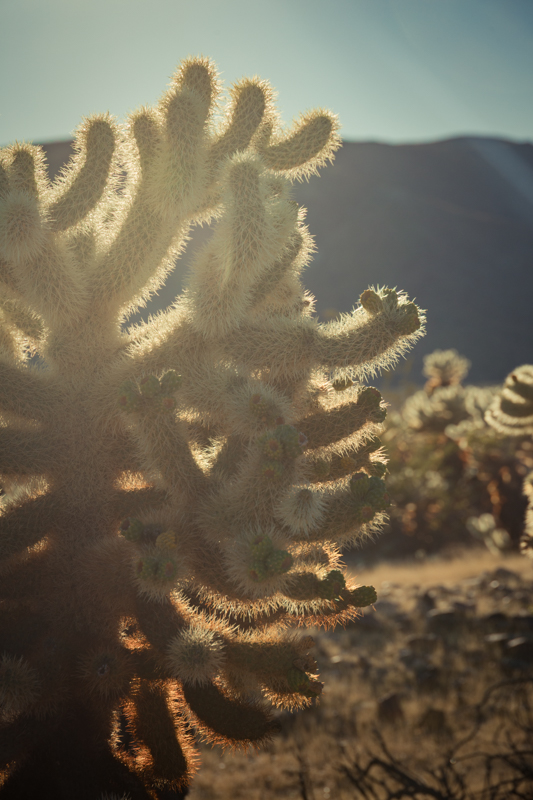
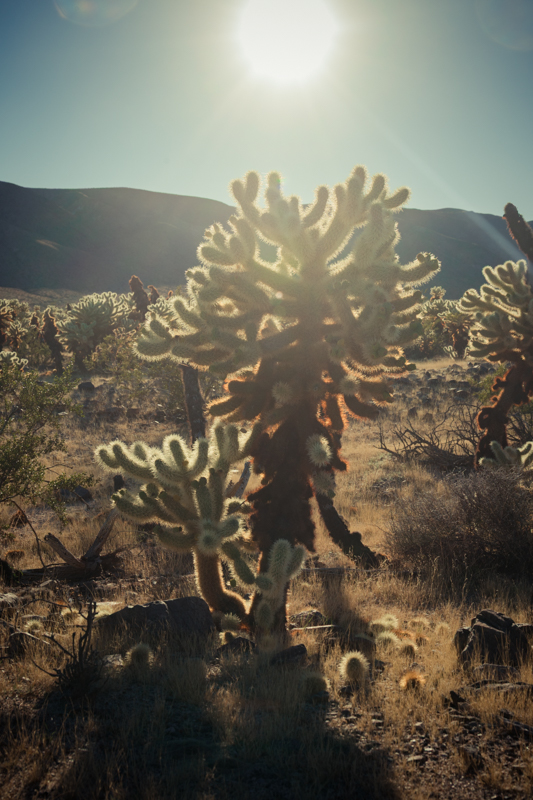
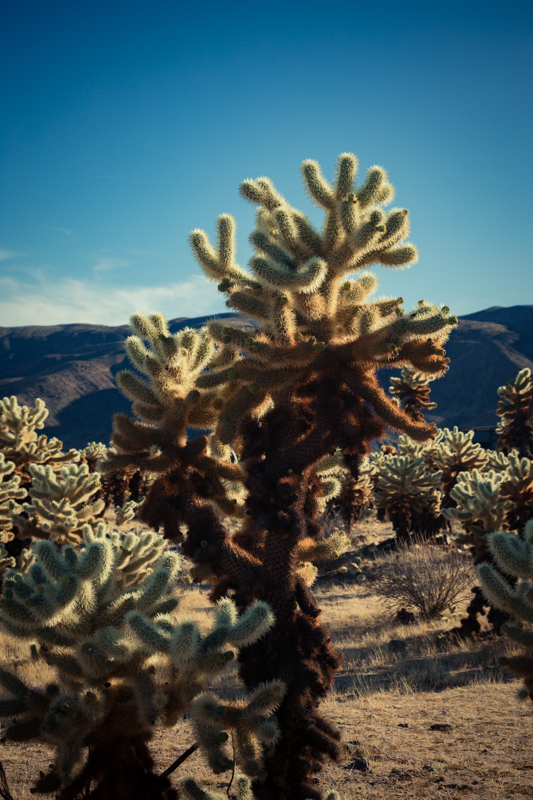
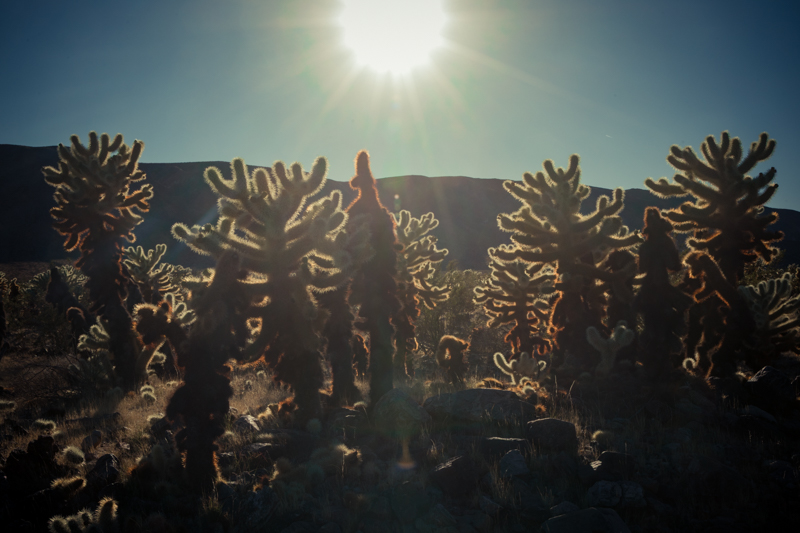
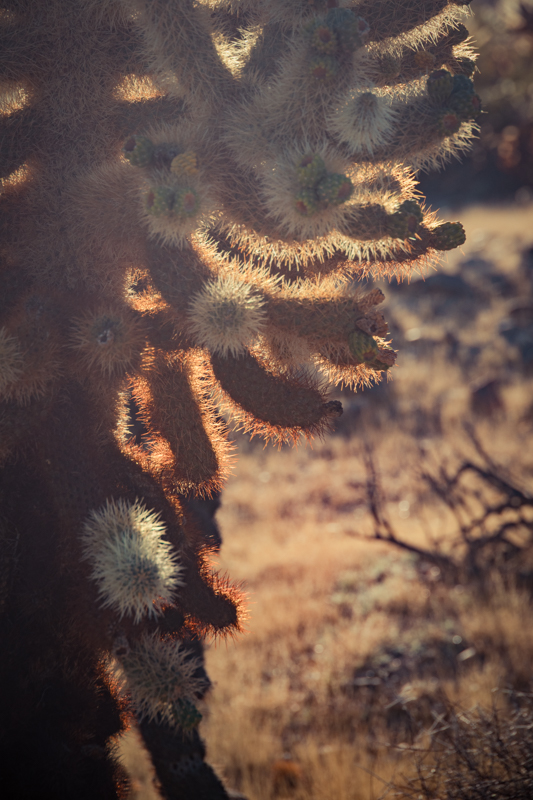
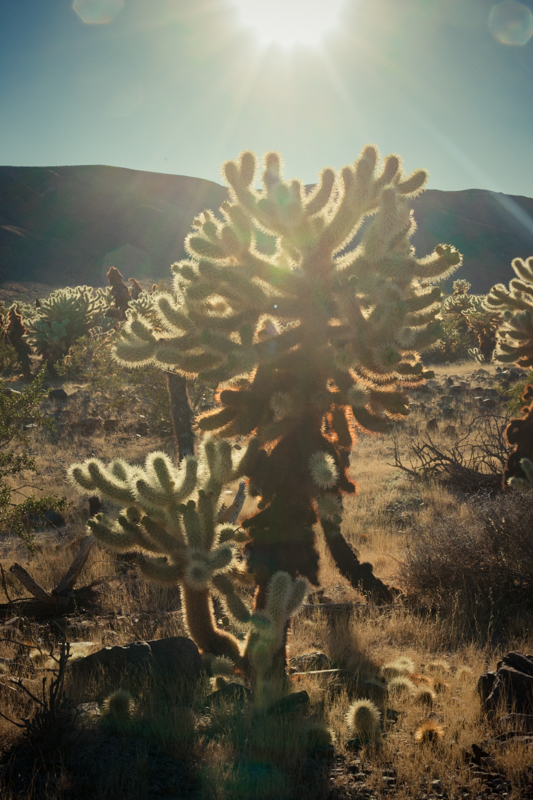
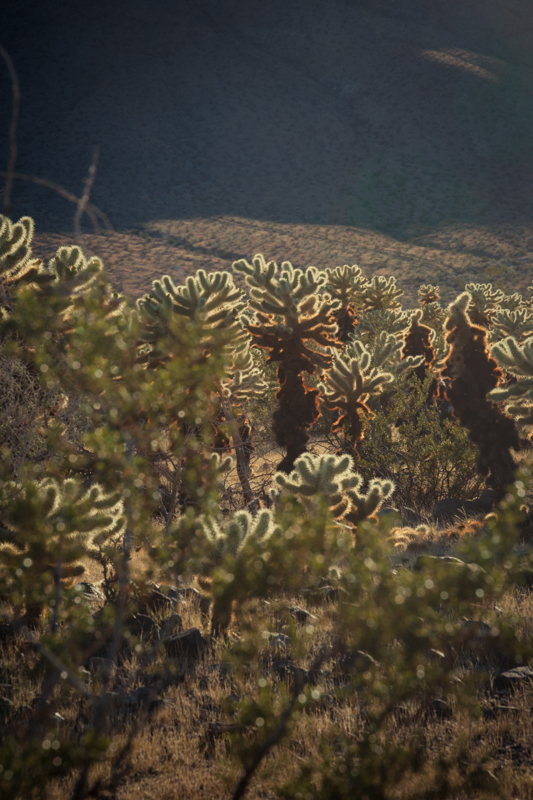
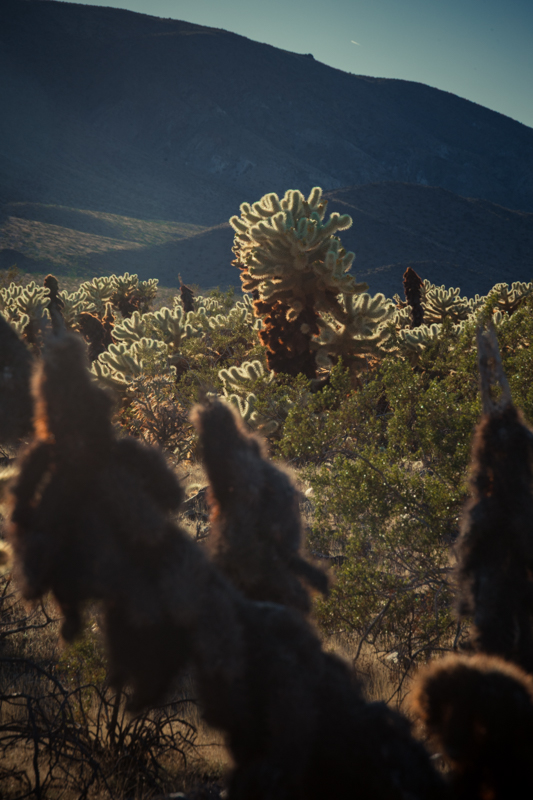
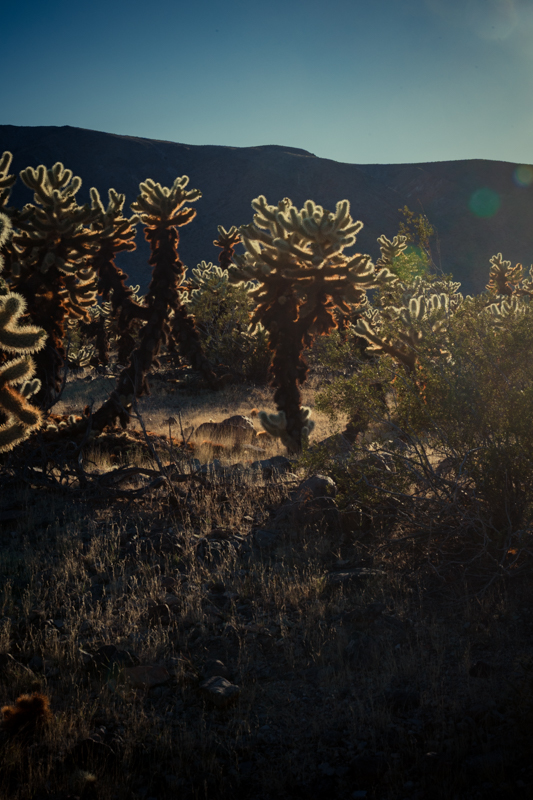
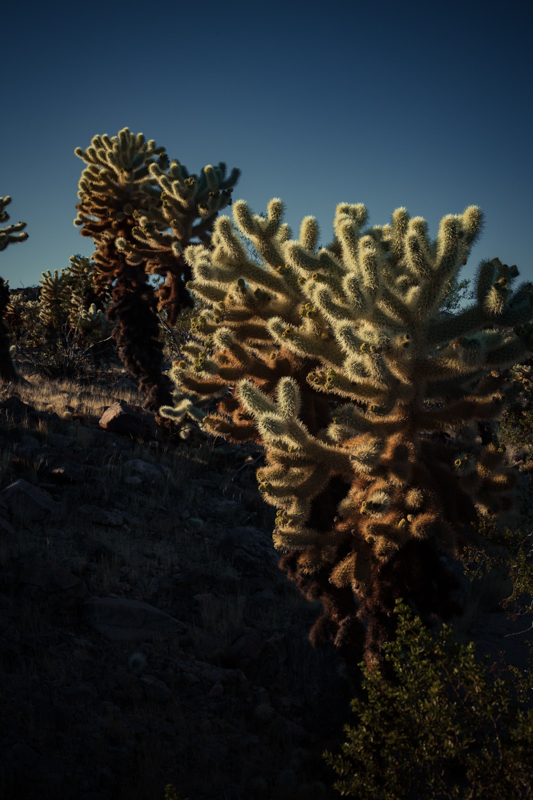
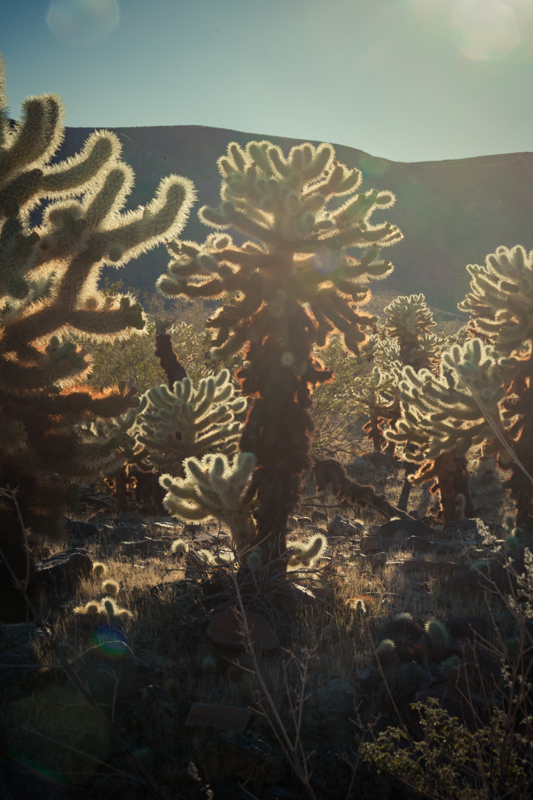
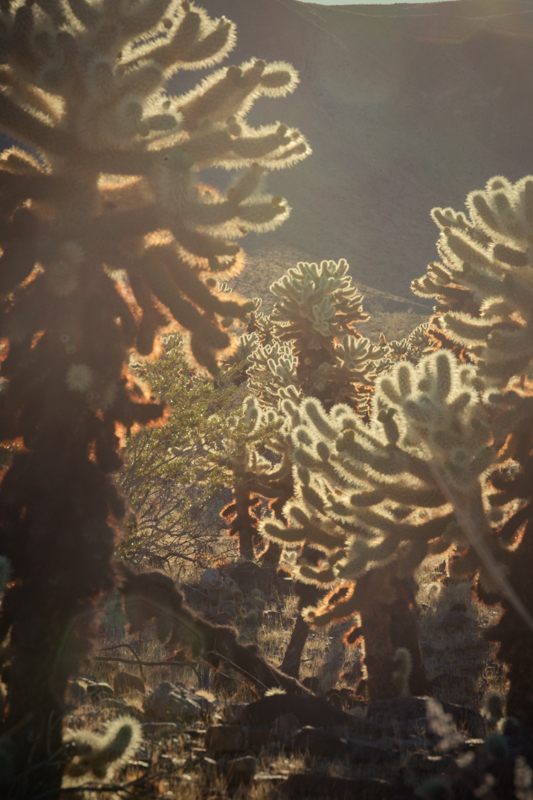
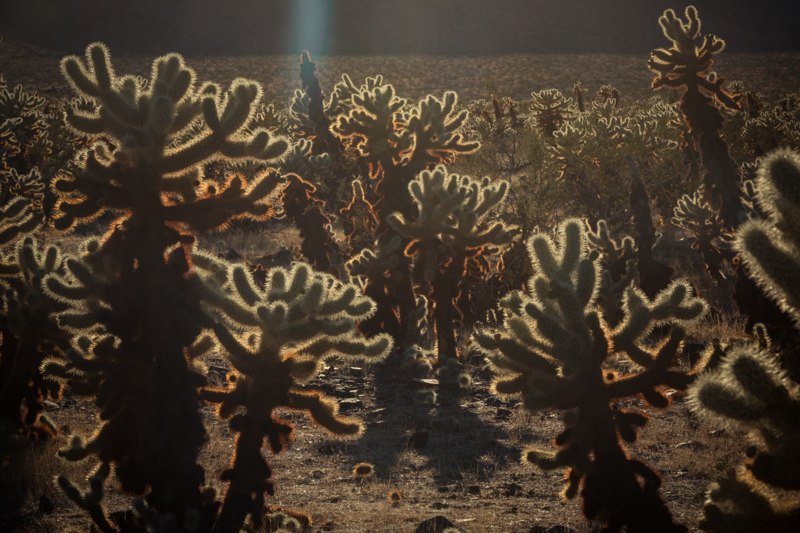
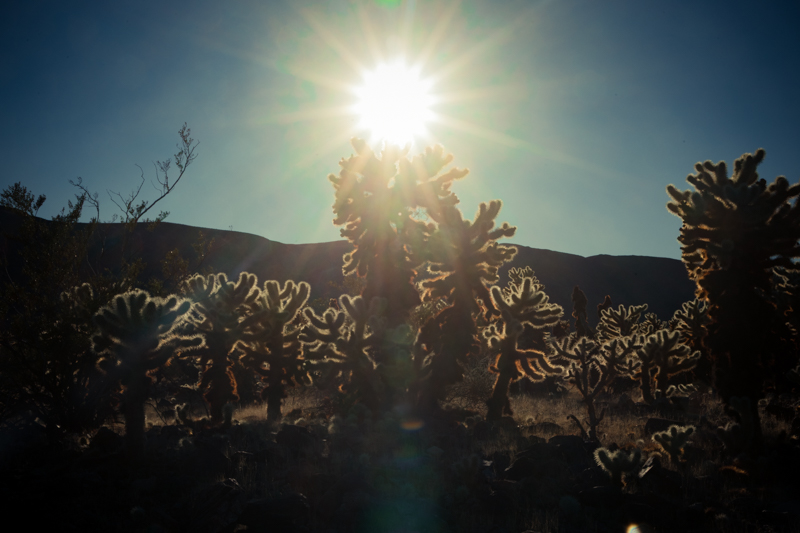
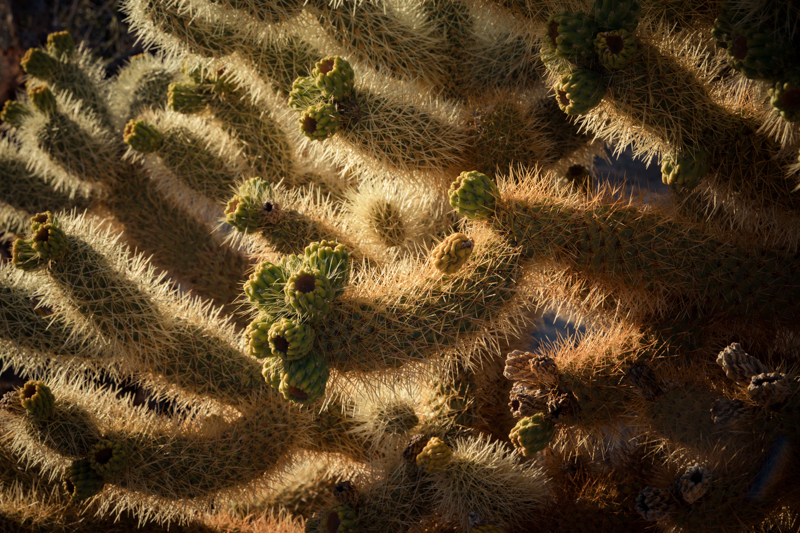
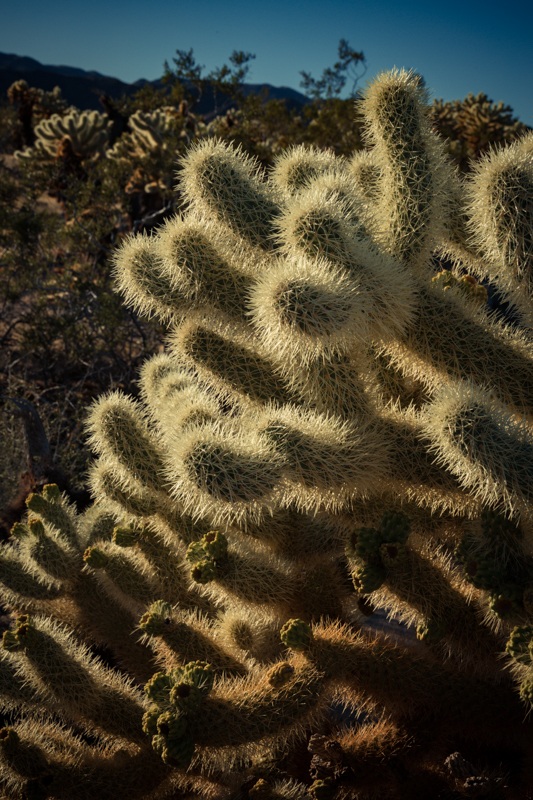
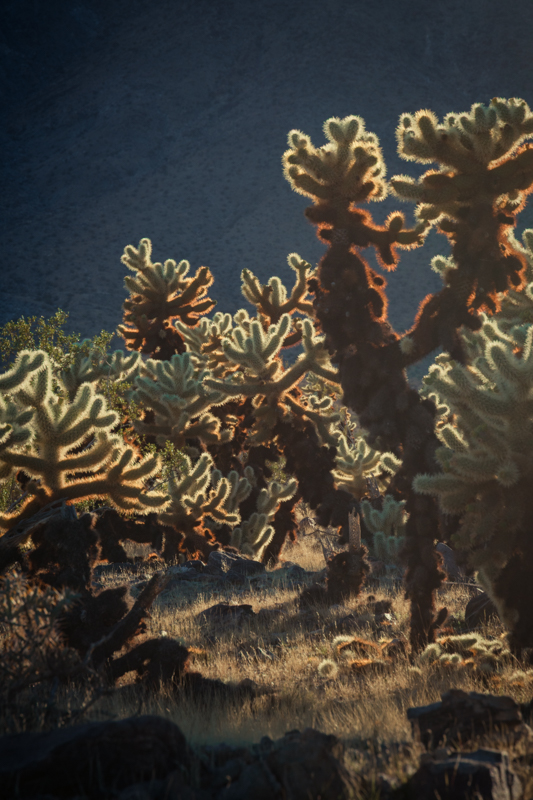
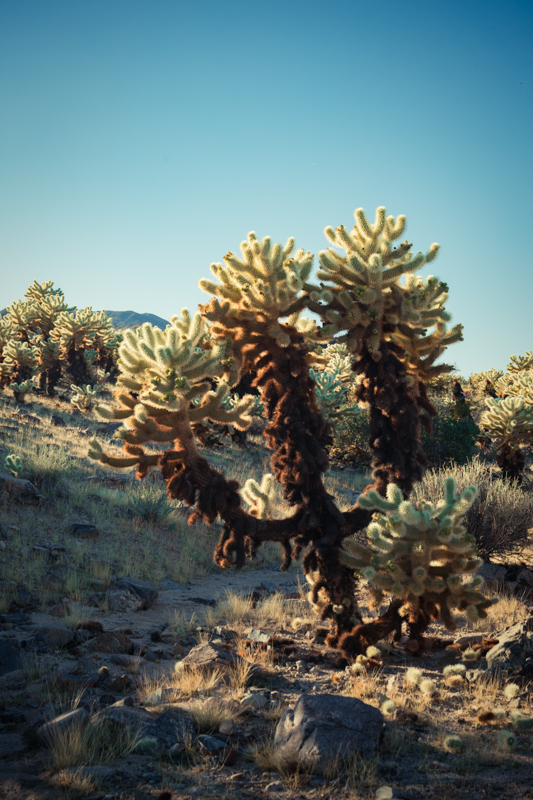
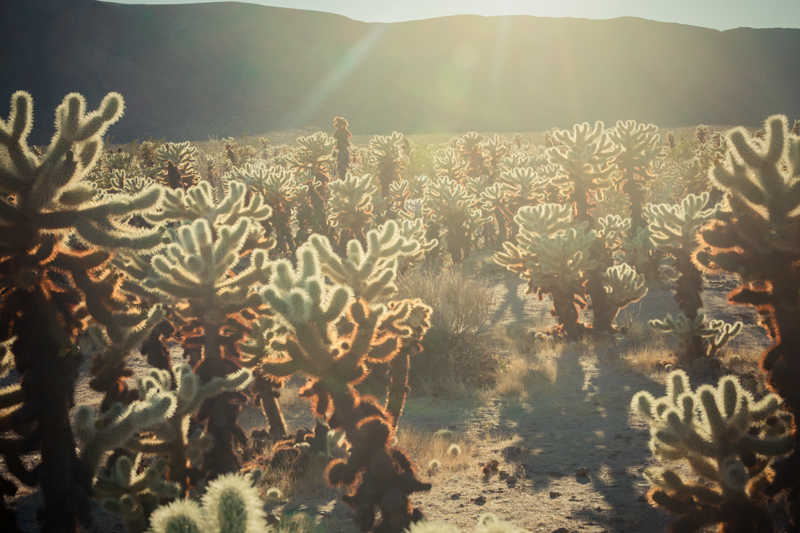
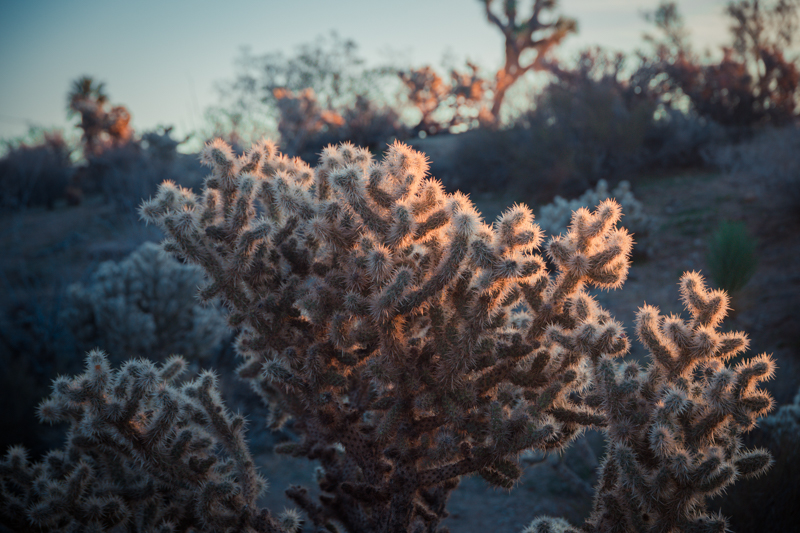
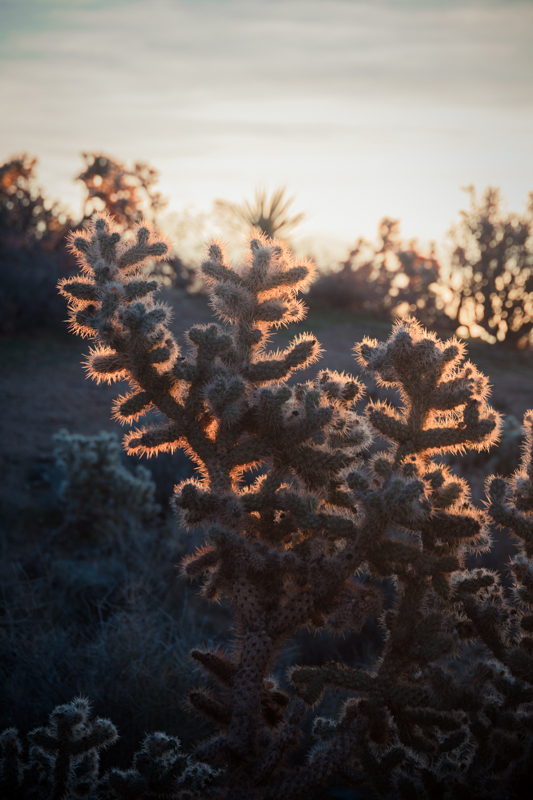
One of the most memorable moments came at sunset in the Cholla Cactus Garden. As the sun dropped lower, the cholla cacti began to glow—lit up in soft gold, almost like they were holding onto the last light of the day. It felt quiet and surreal, like the entire garden was exhaling.
Even with all of that beauty, Joshua Tree had a different energy than Death Valley. It was busy. Trails were full, parking lots packed, and there was a constant hum of people moving through the park. It shifted the experience just a bit, making it feel less like solitude and more like shared discovery. Because of that, it sits a little lower on our list.
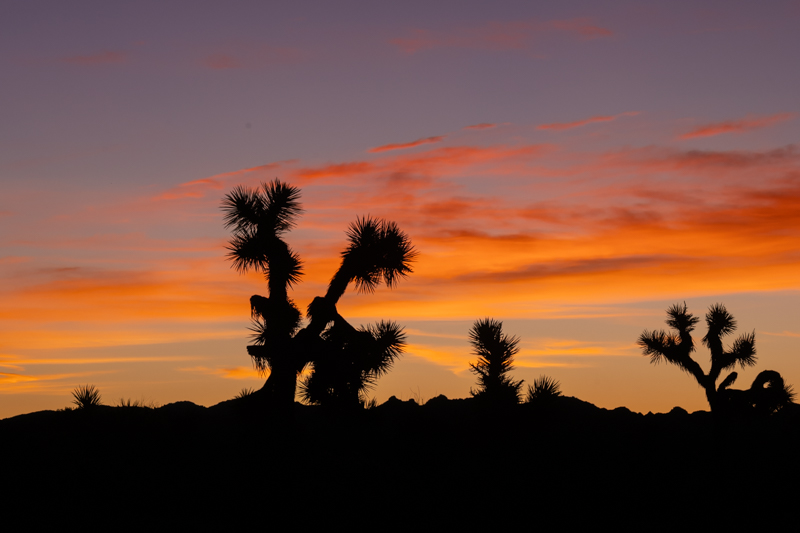
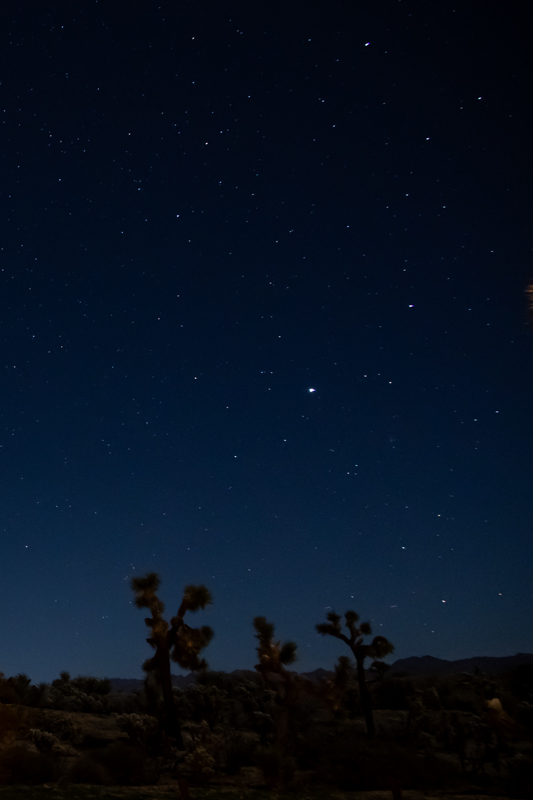
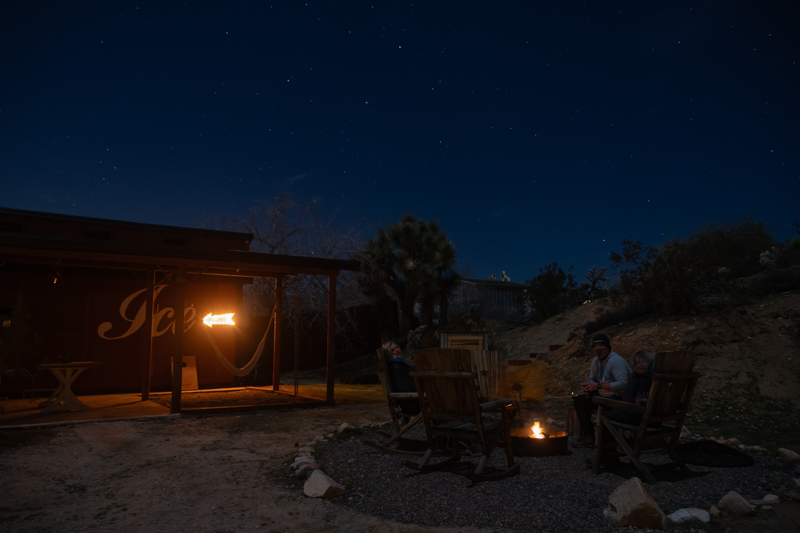
But the sunrises and sunsets? They made up for everything. Mornings came softly, lighting up the landscape in muted pastels, and evenings closed out the day in deep, warm tones that stretched across the sky. And at night, we had our own quiet again. Back at the house, we soaked in the hot tub under a sky full of stars, muscles tired from climbing and hiking. We lit the fire pit, bundled up, and just sat together. No rush, nowhere to be. Just the desert and the stillness.
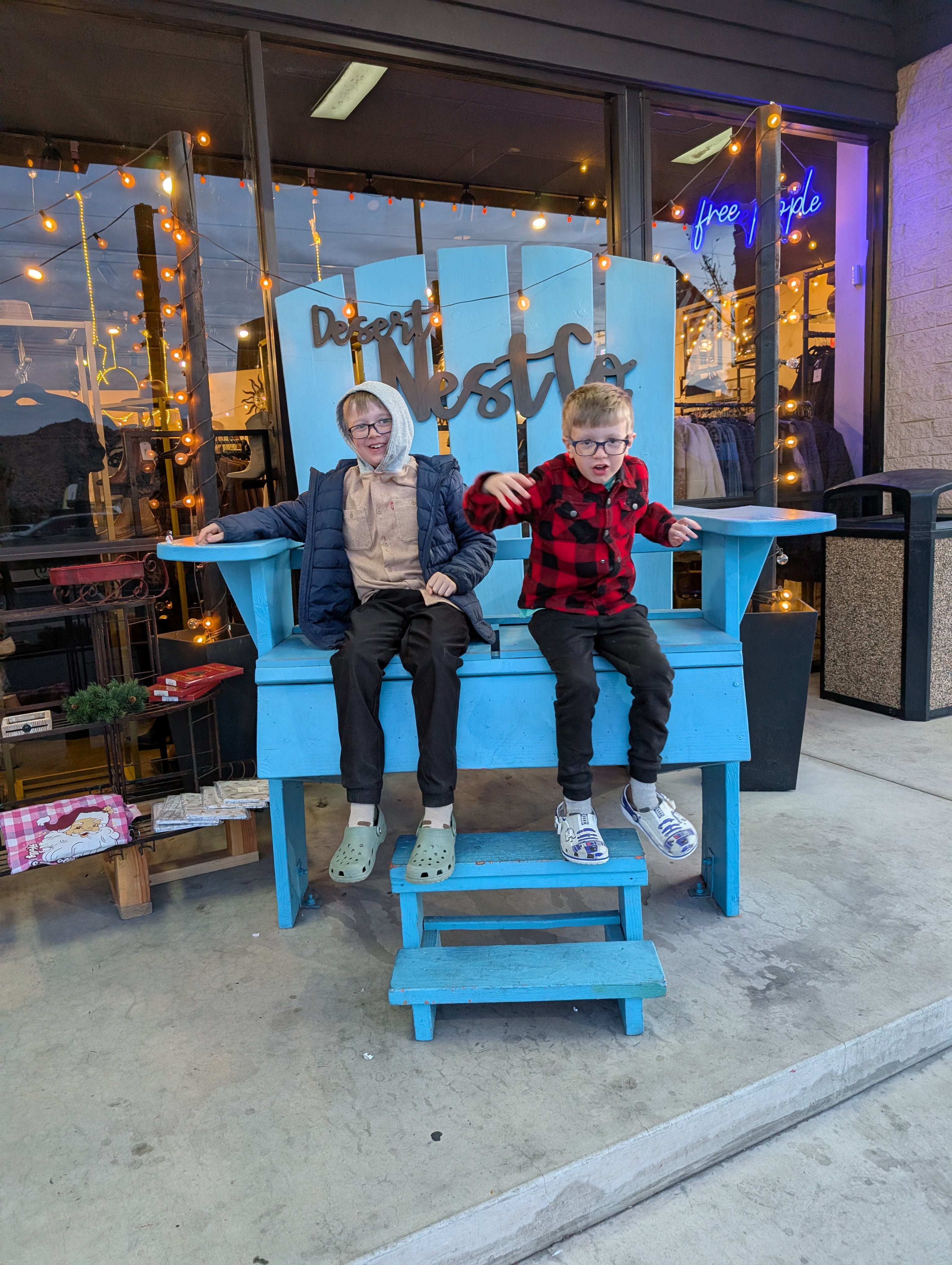
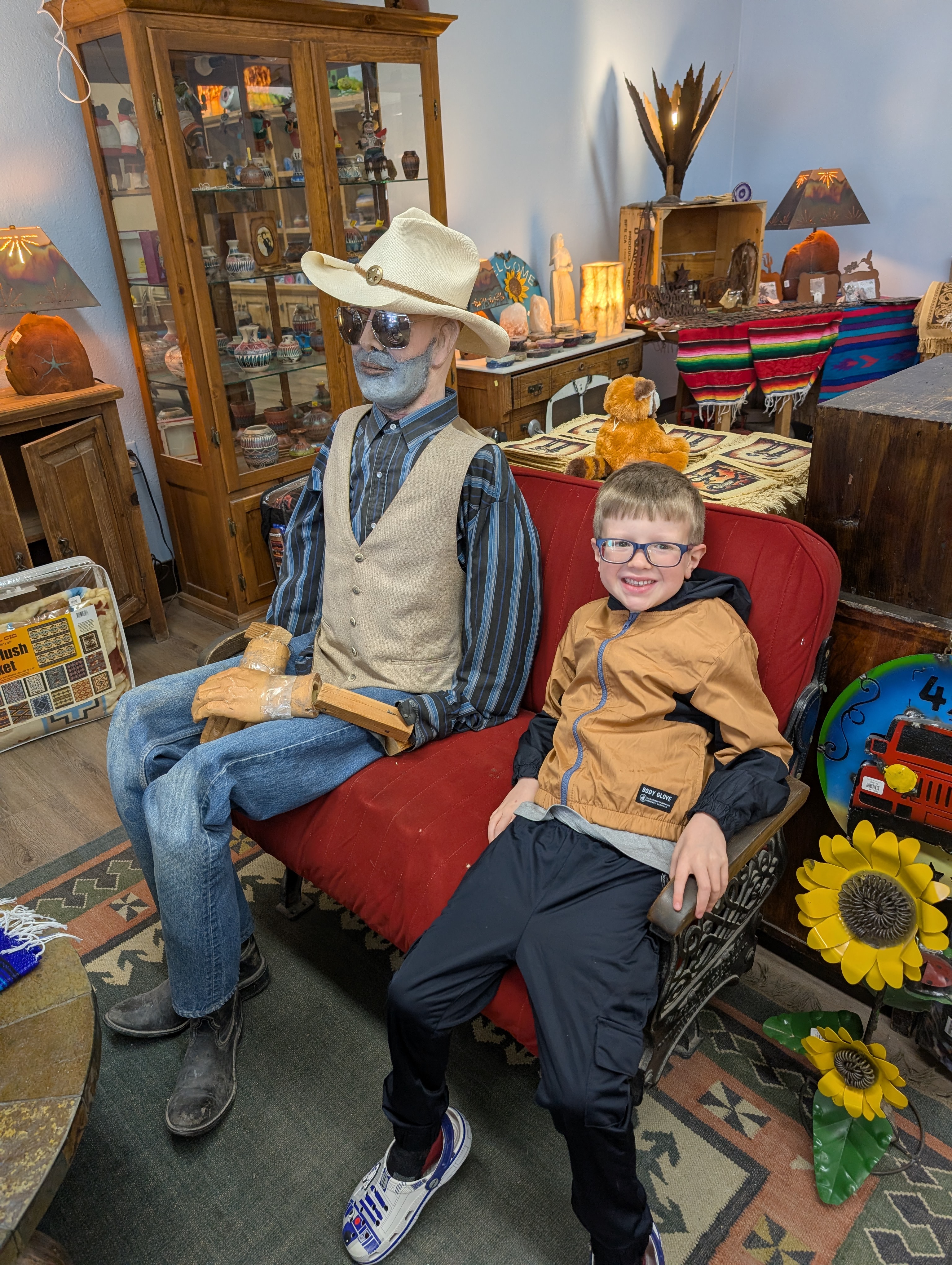
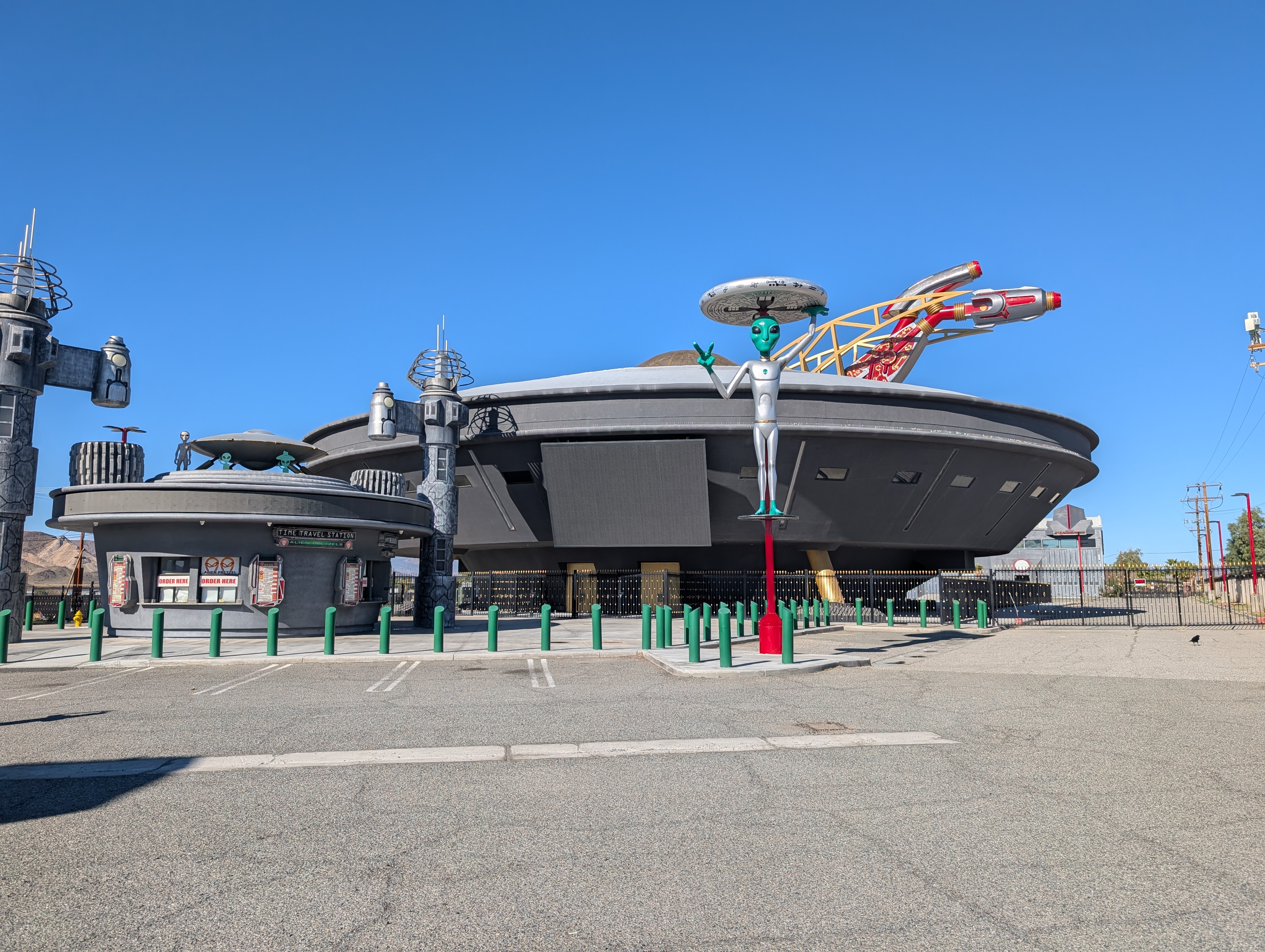
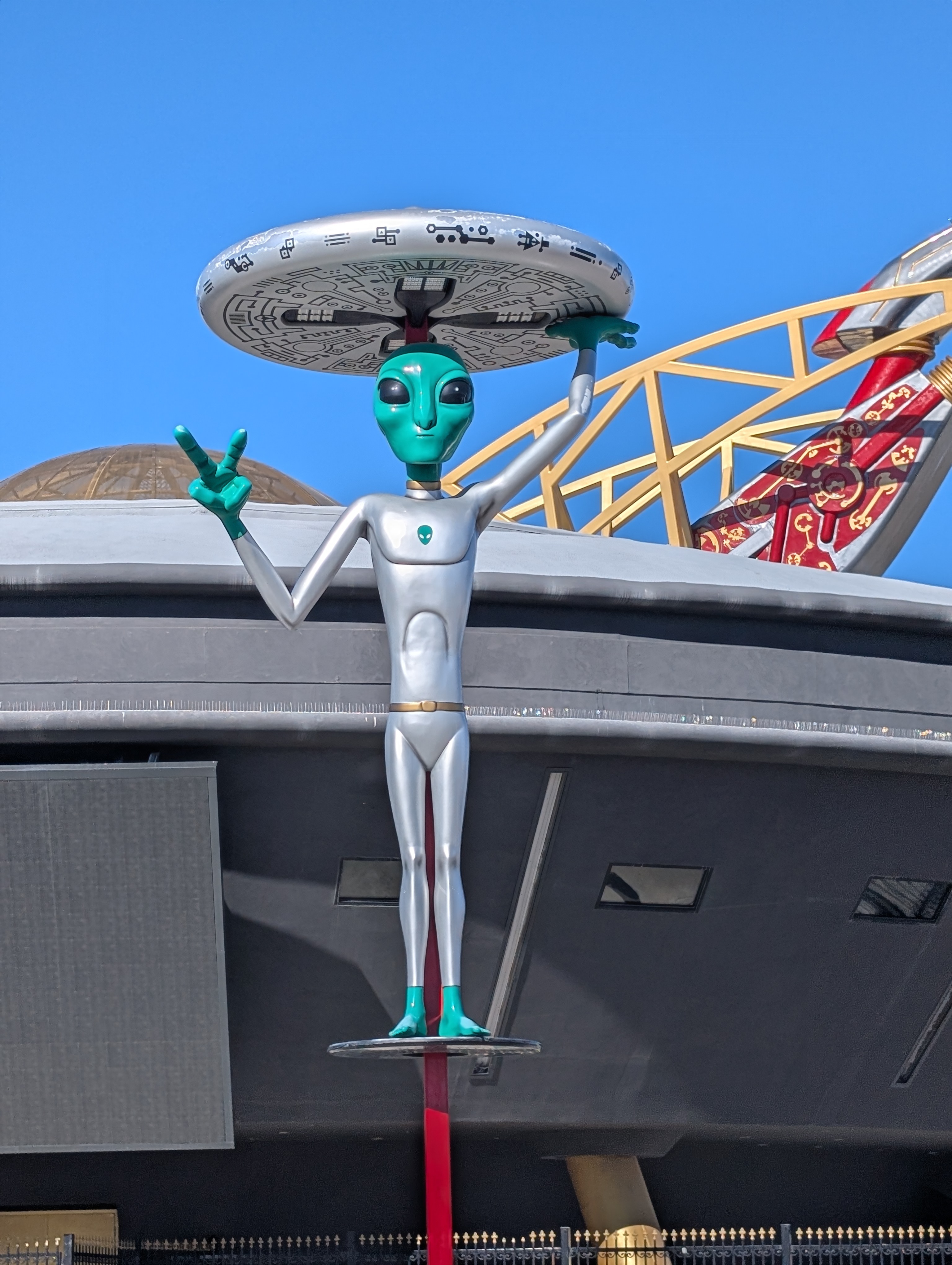
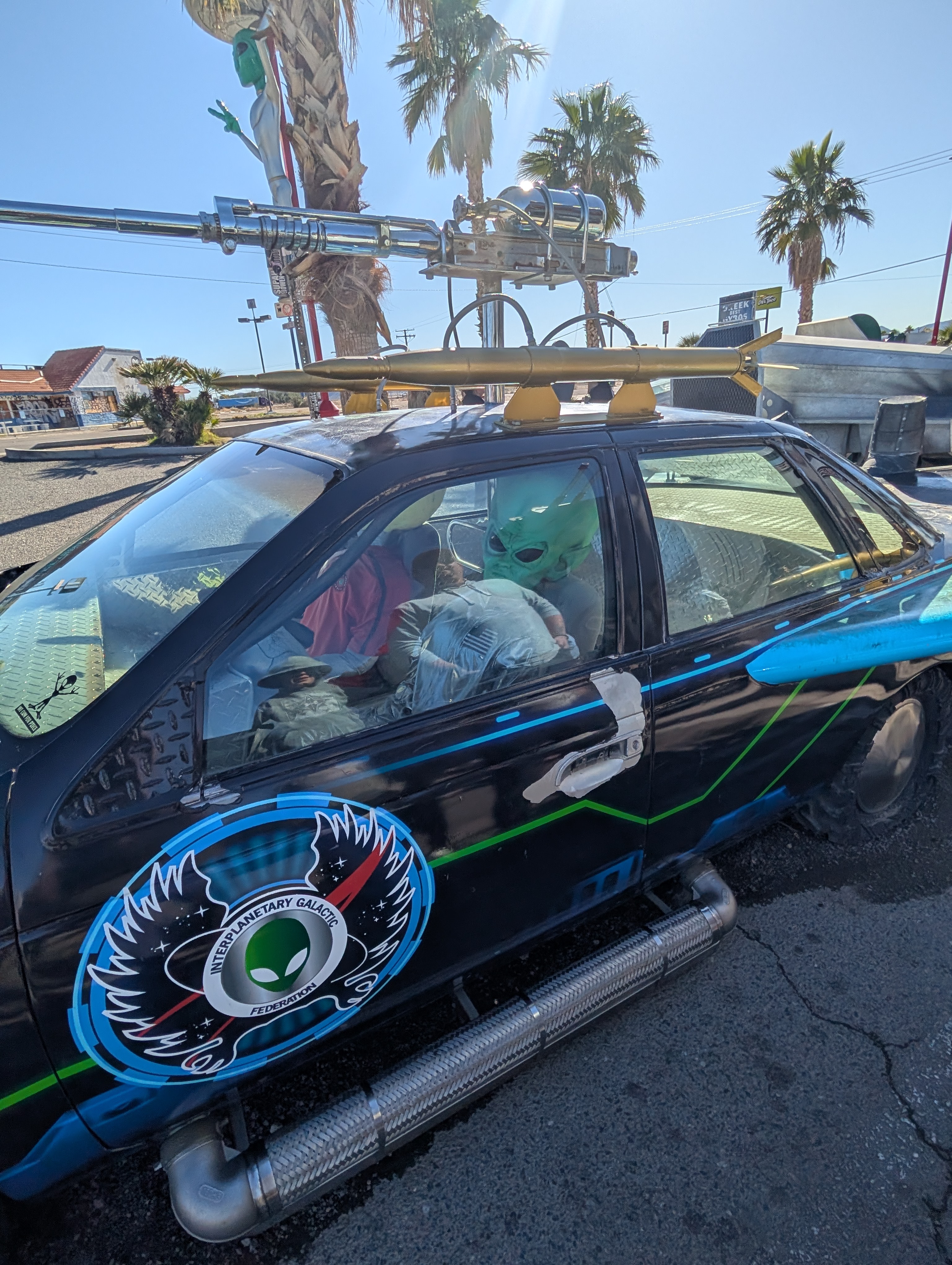
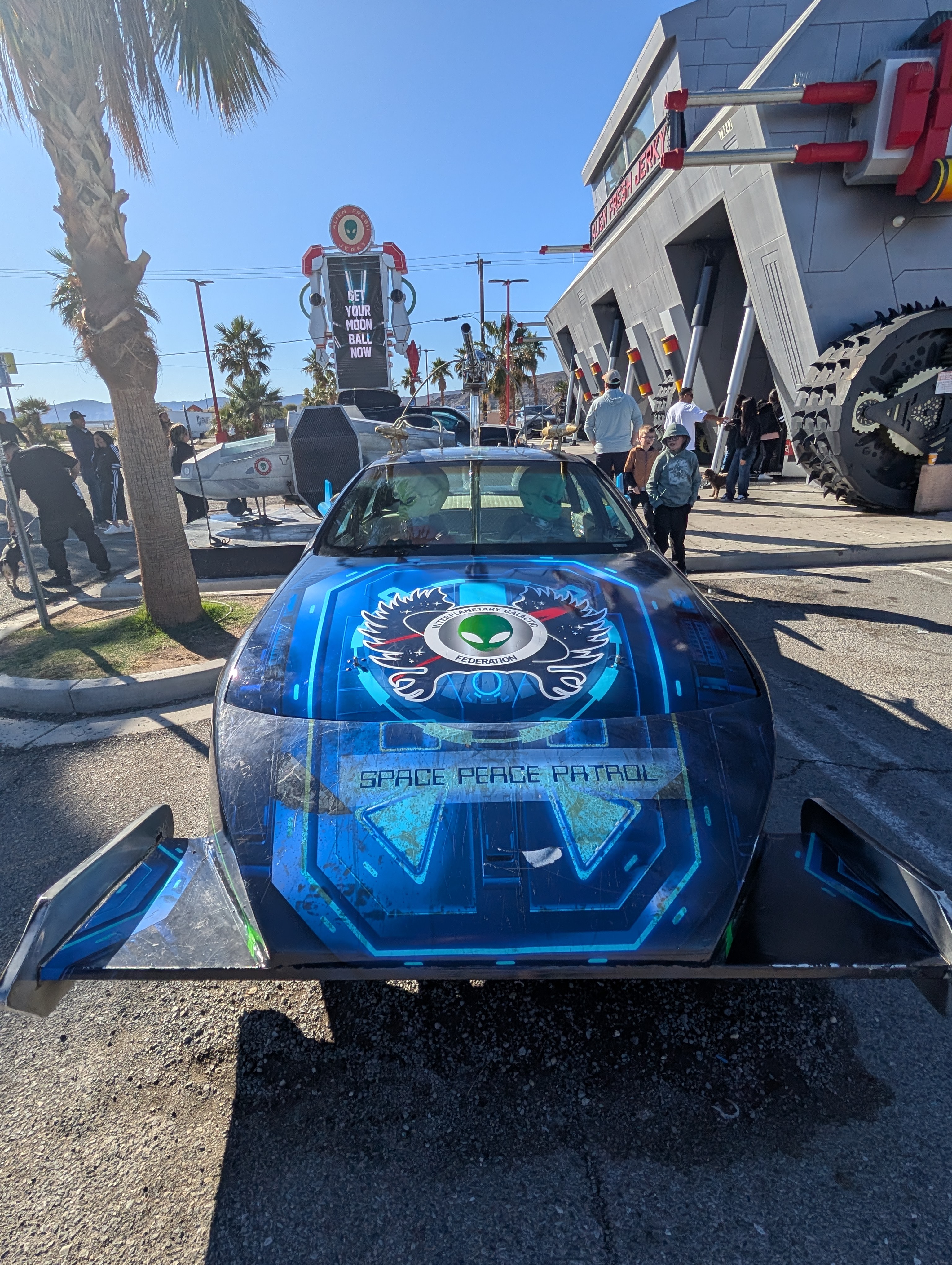
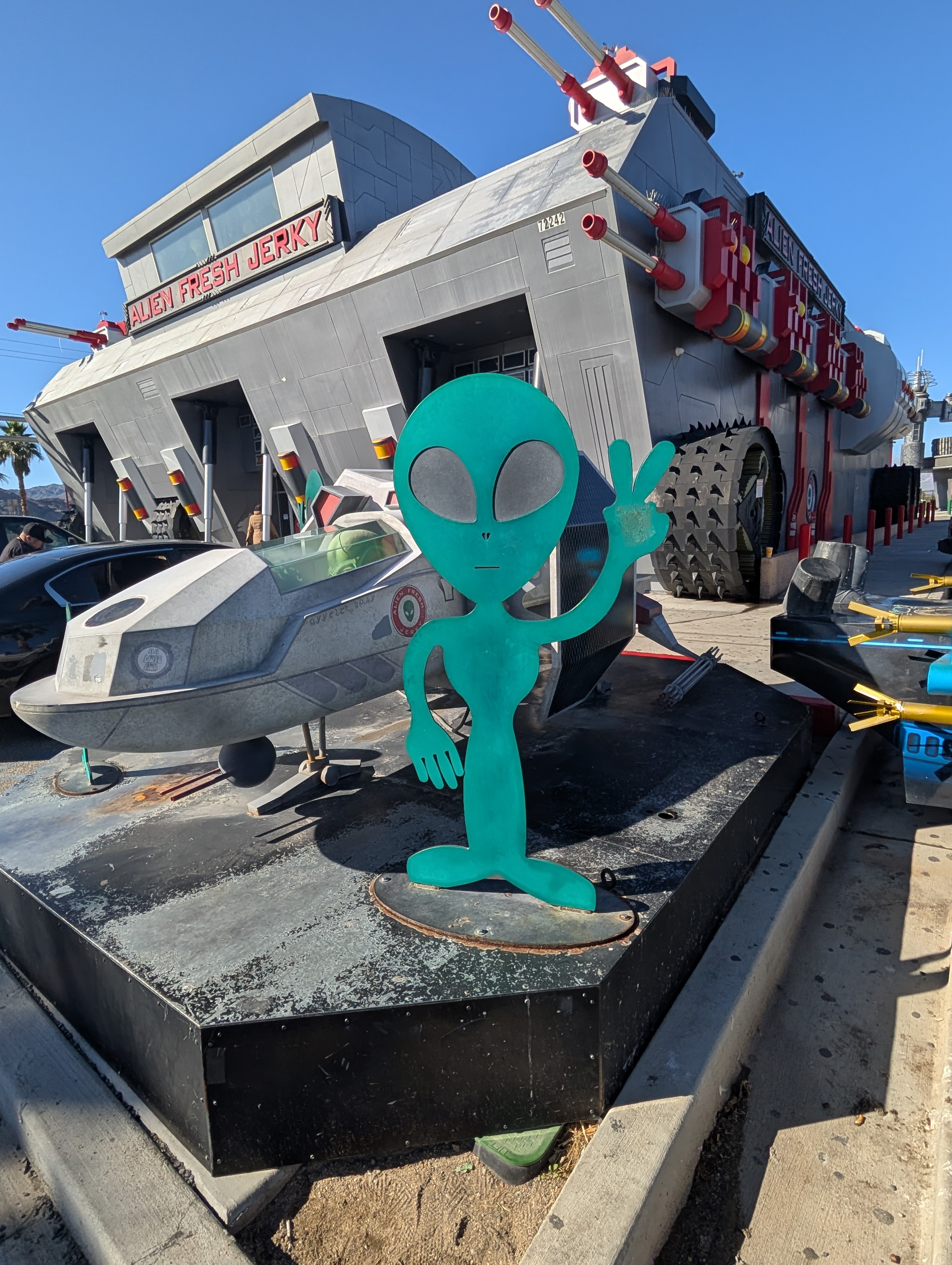
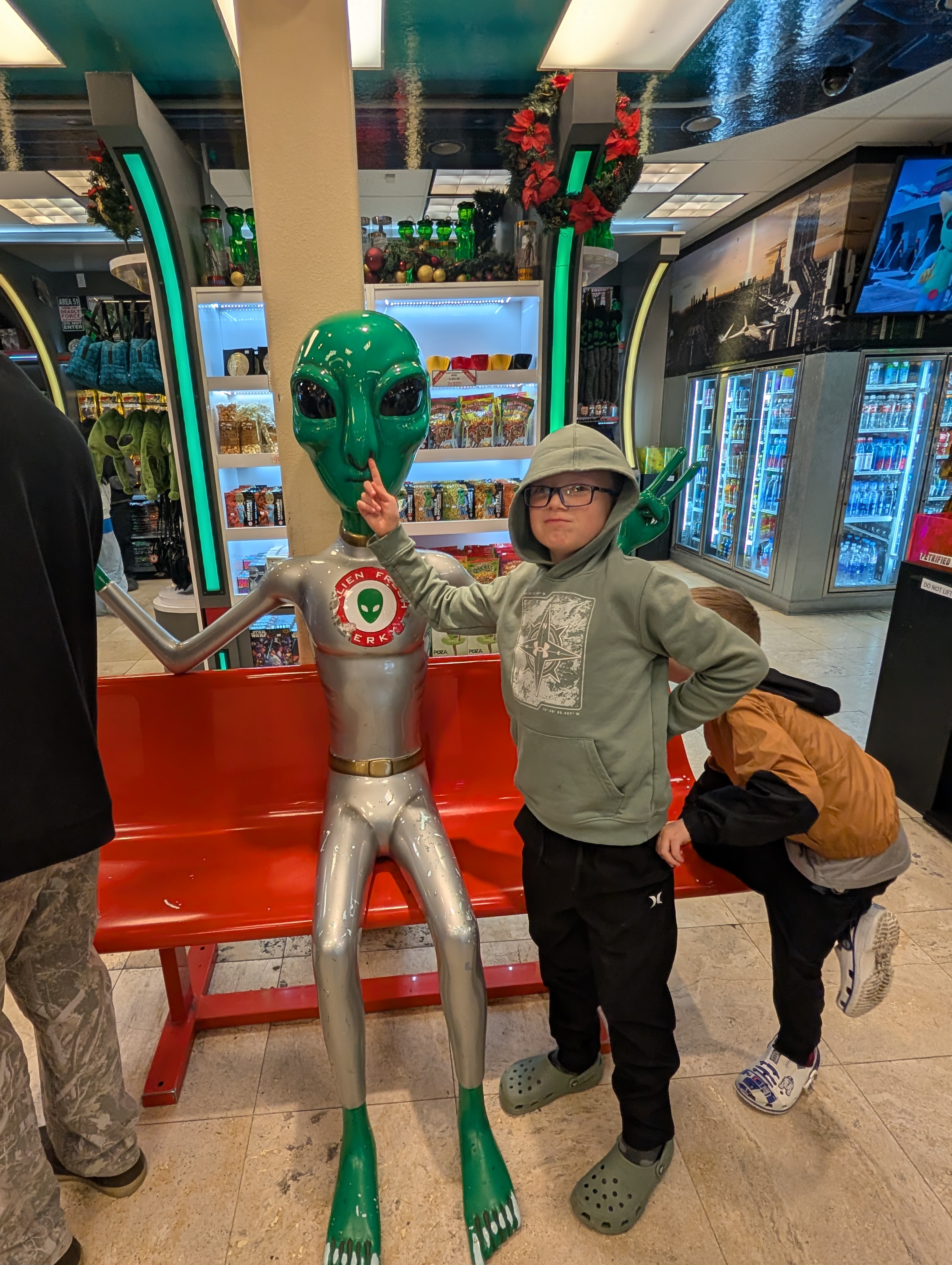
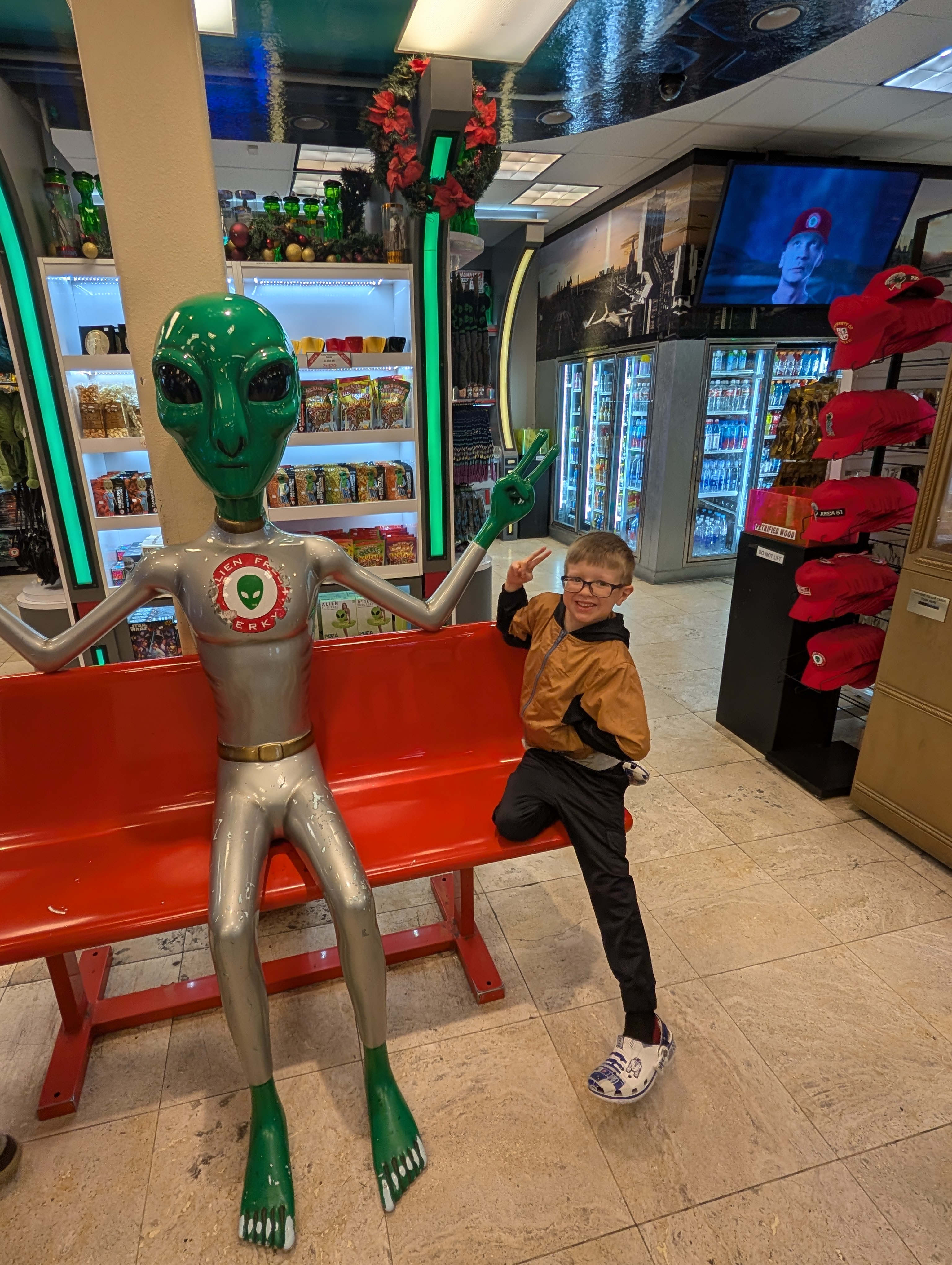
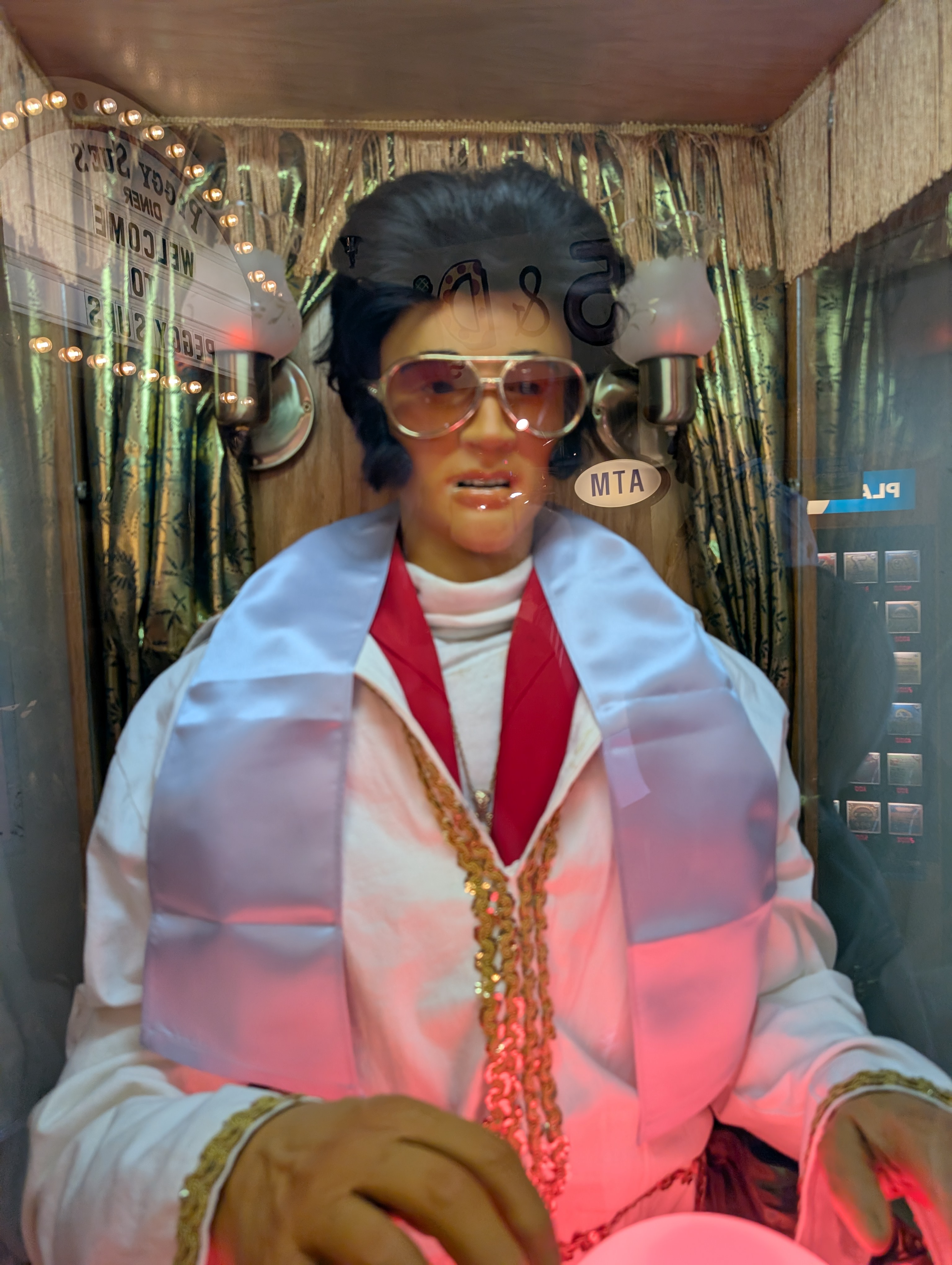
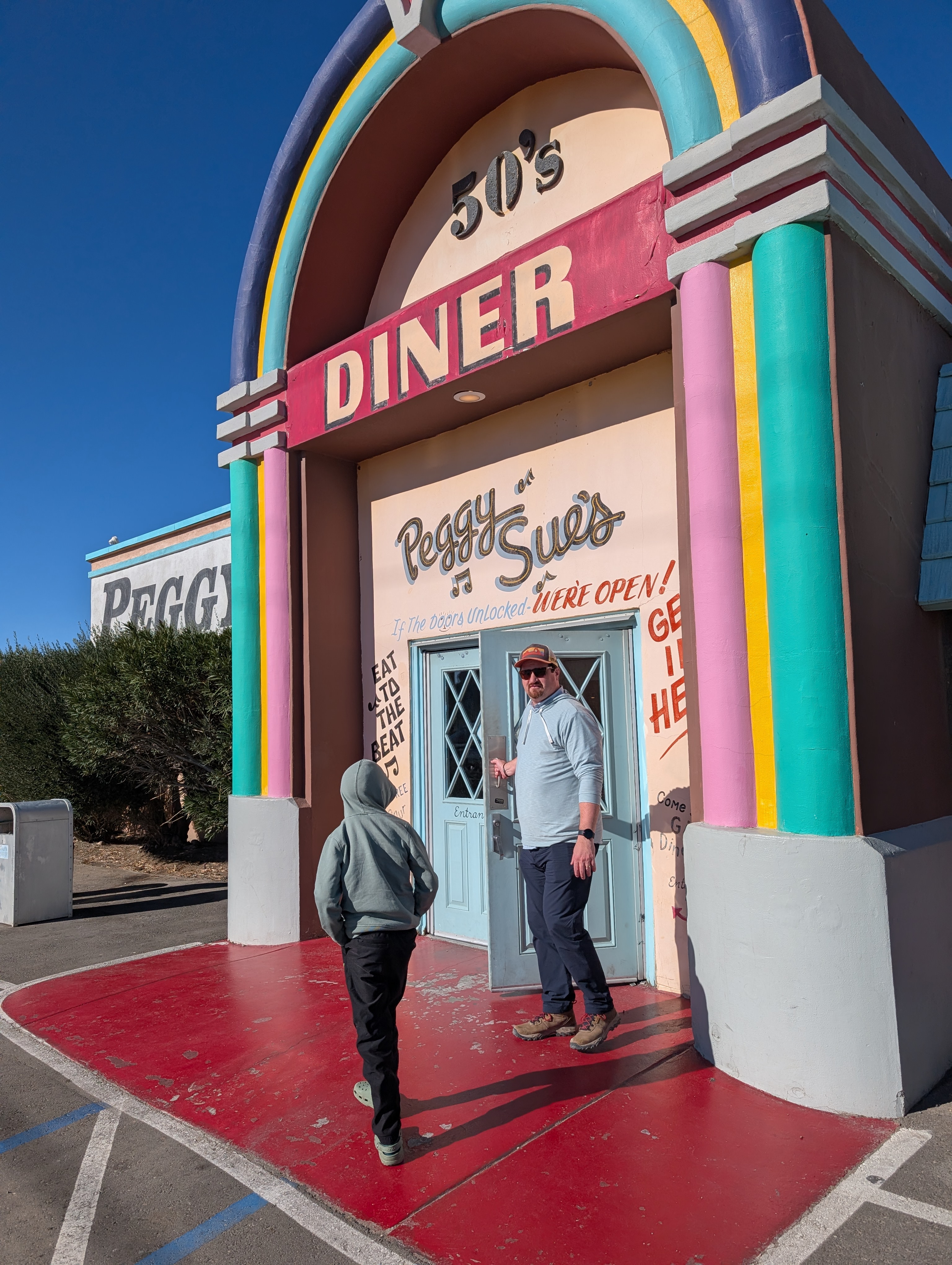
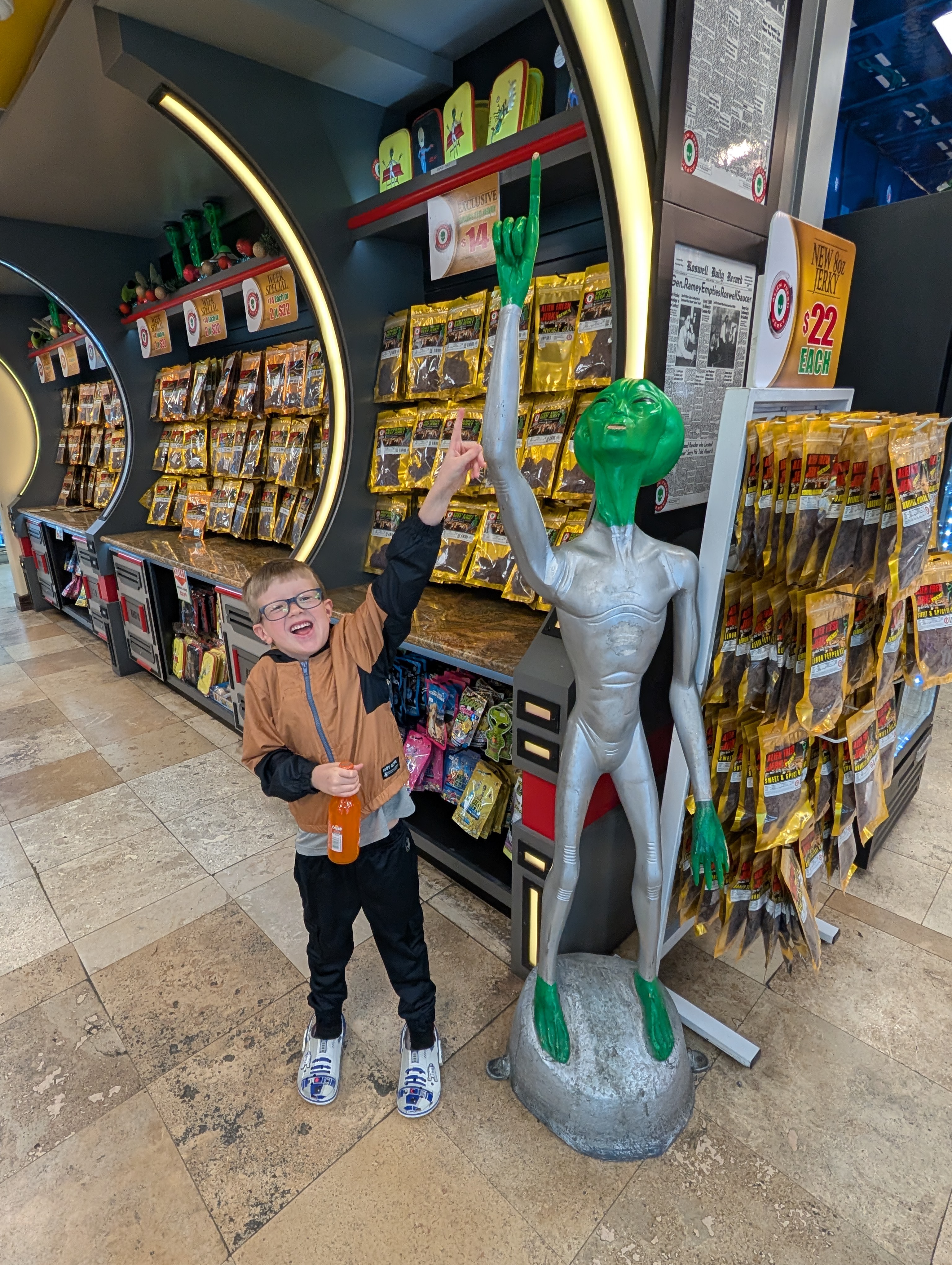
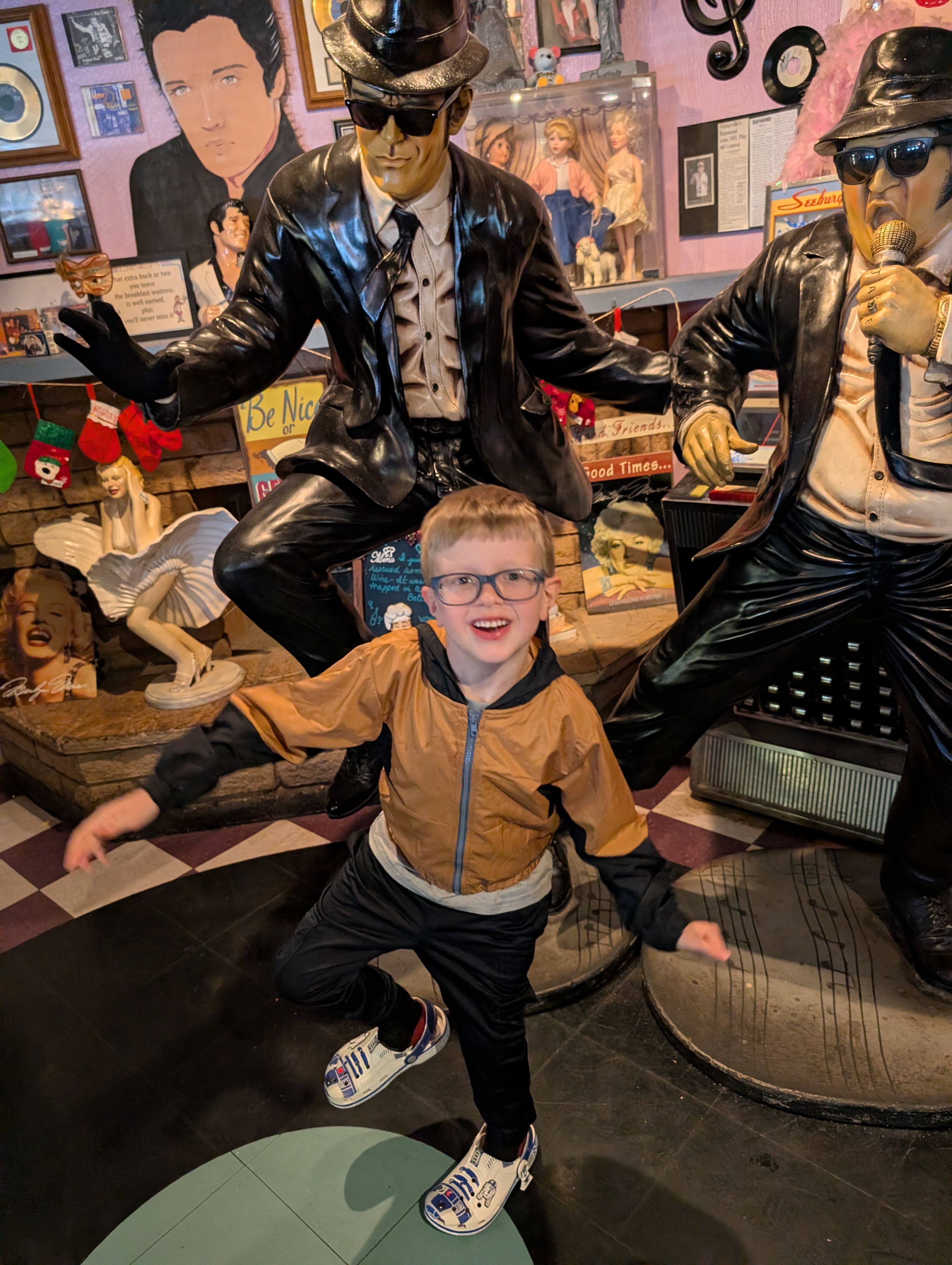
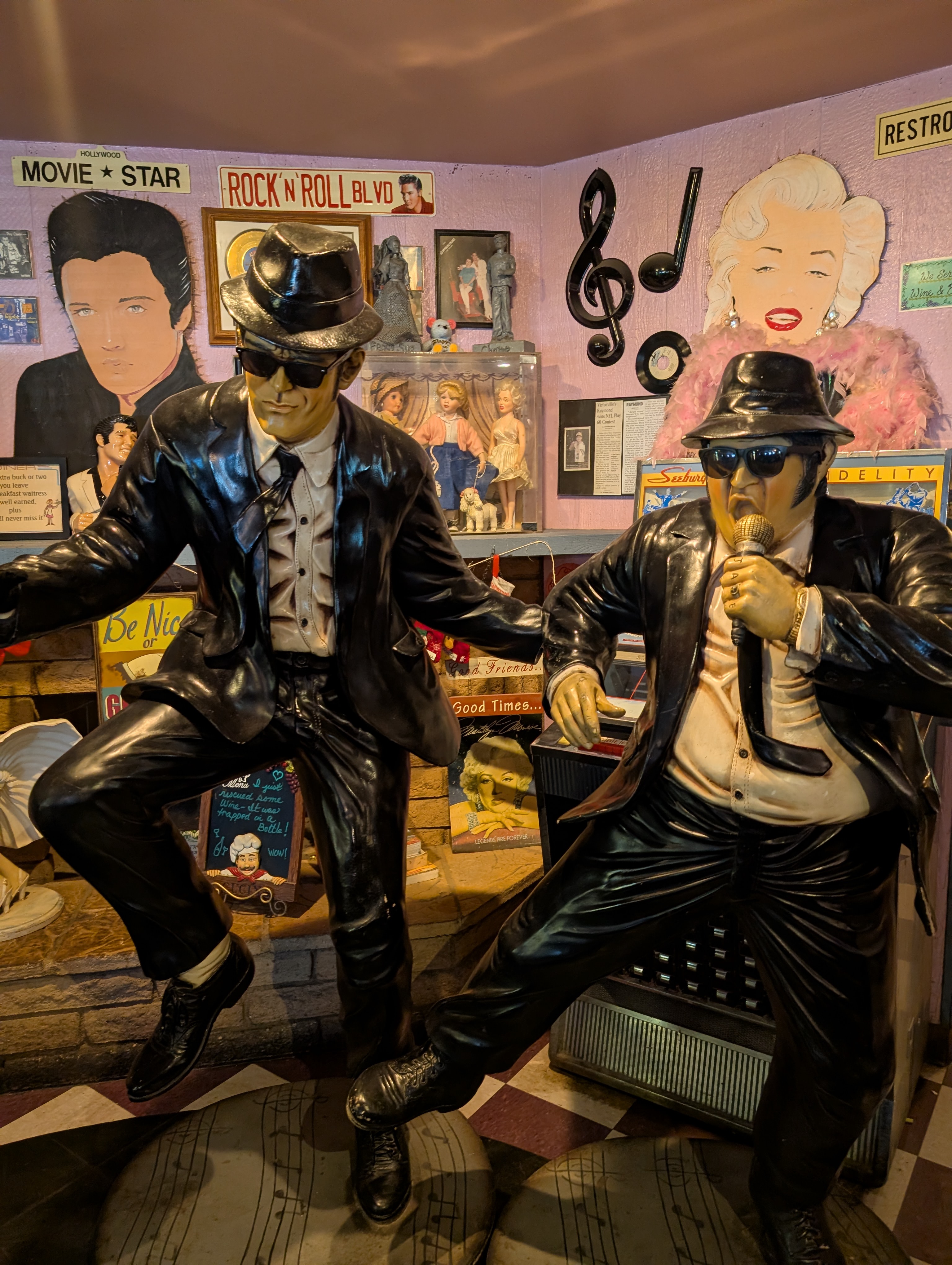
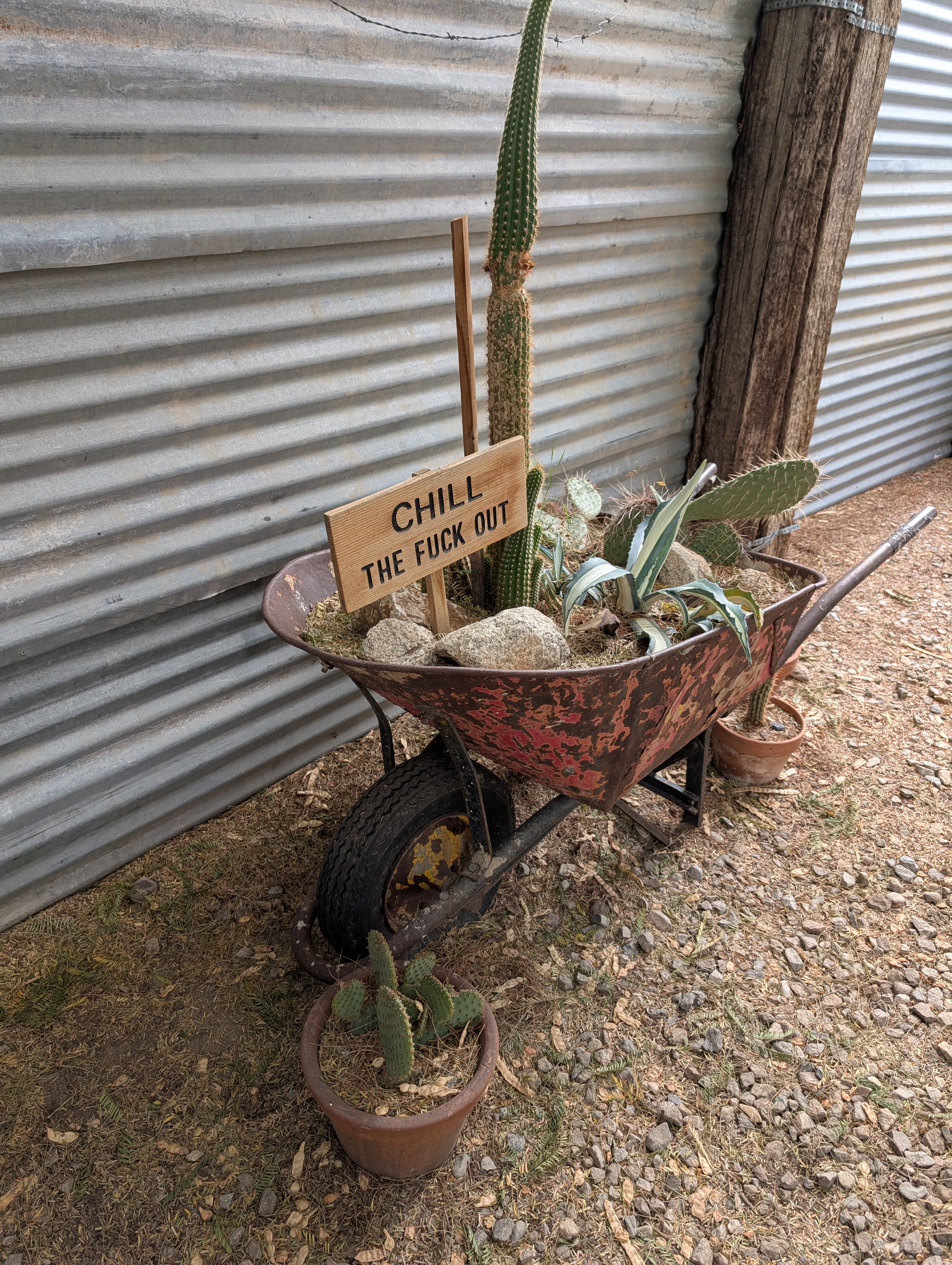
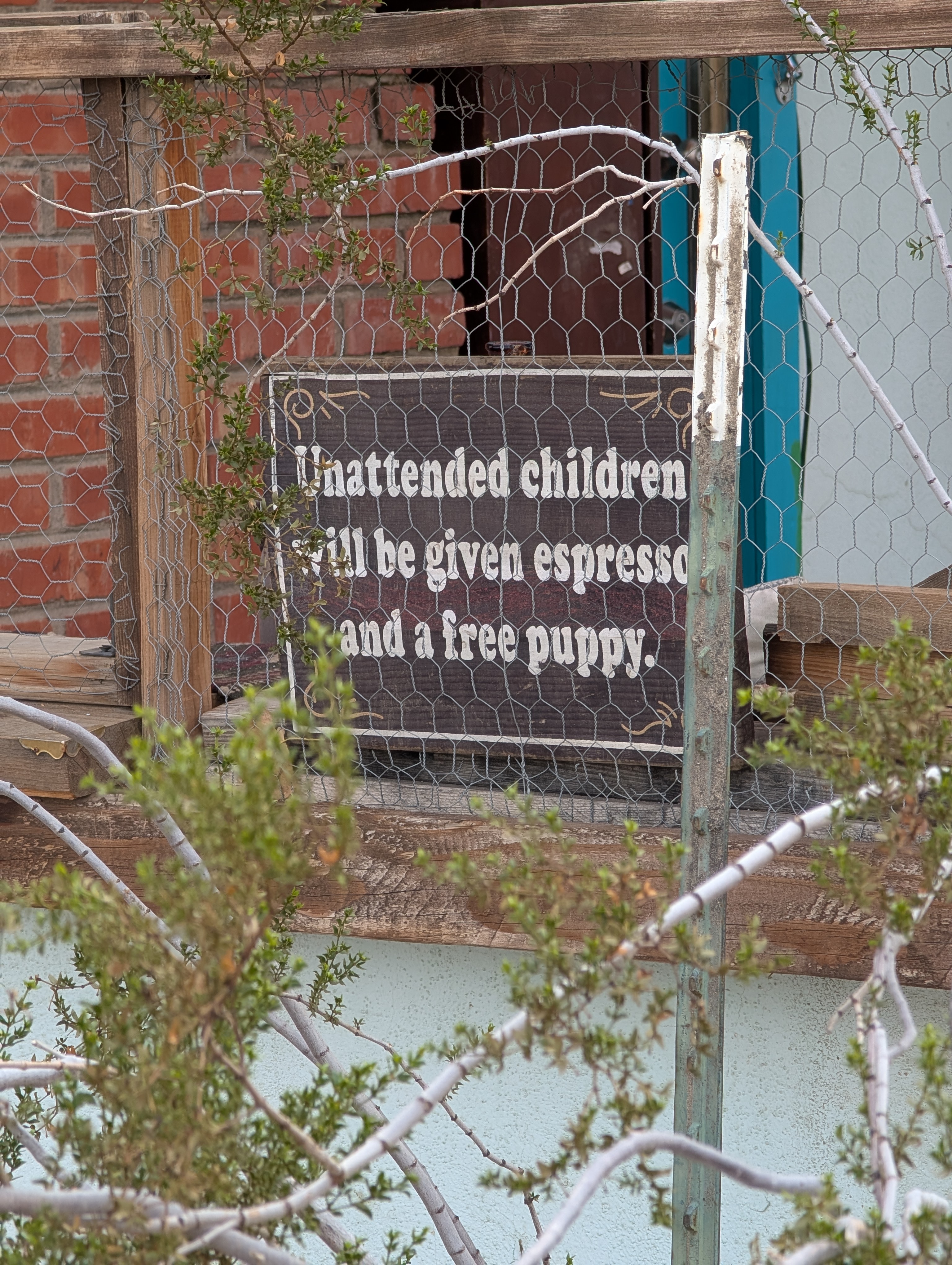
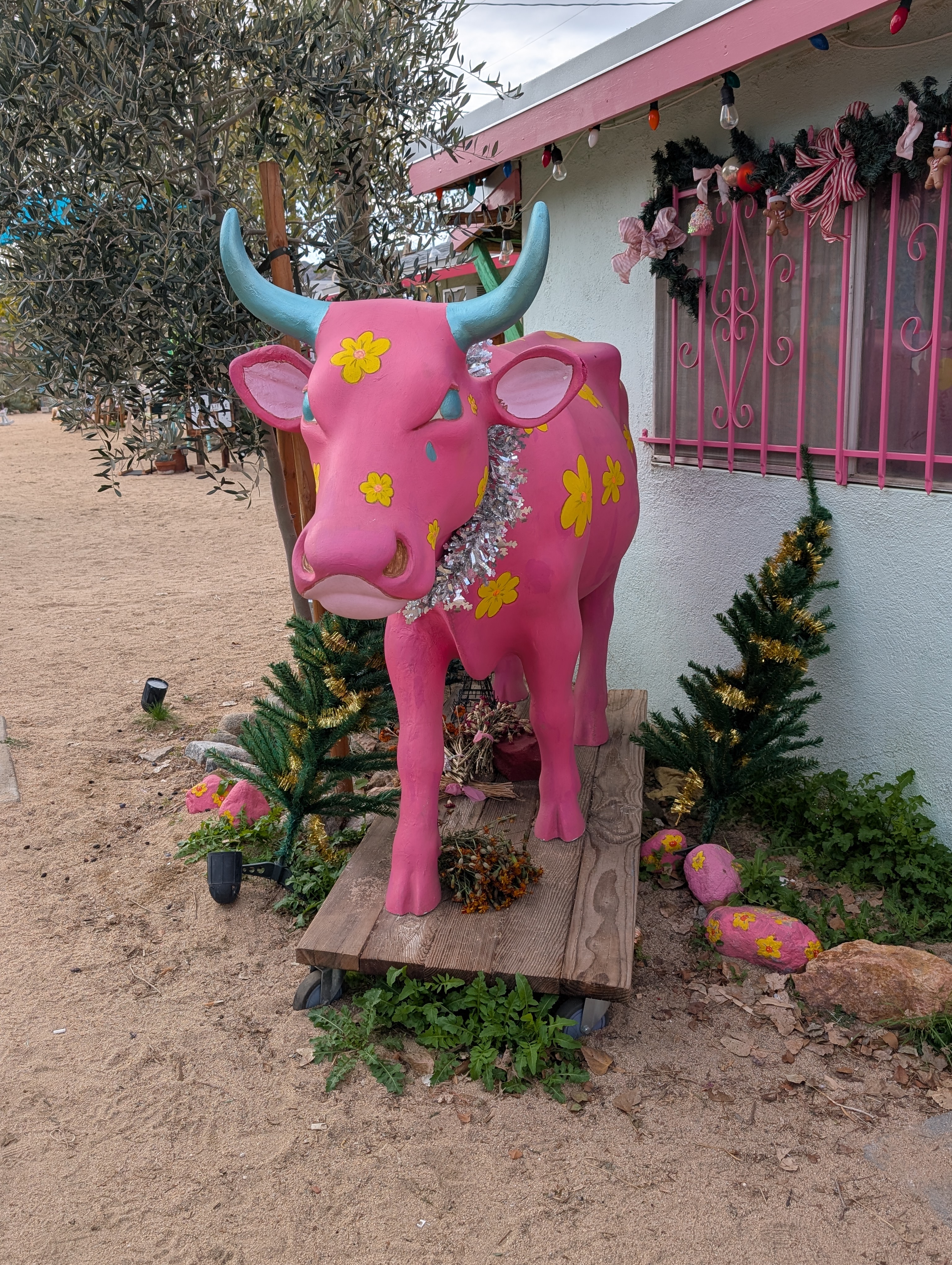
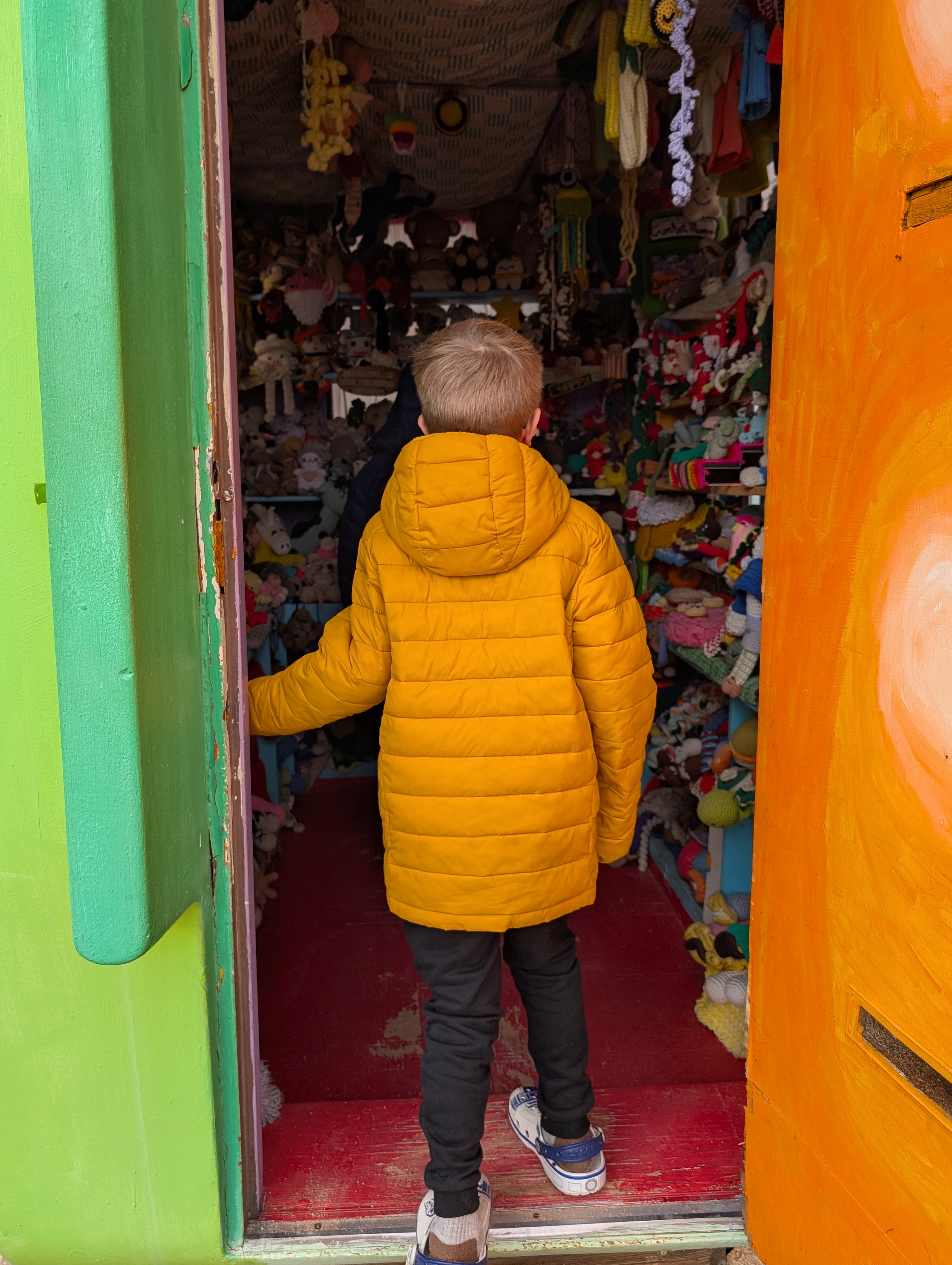
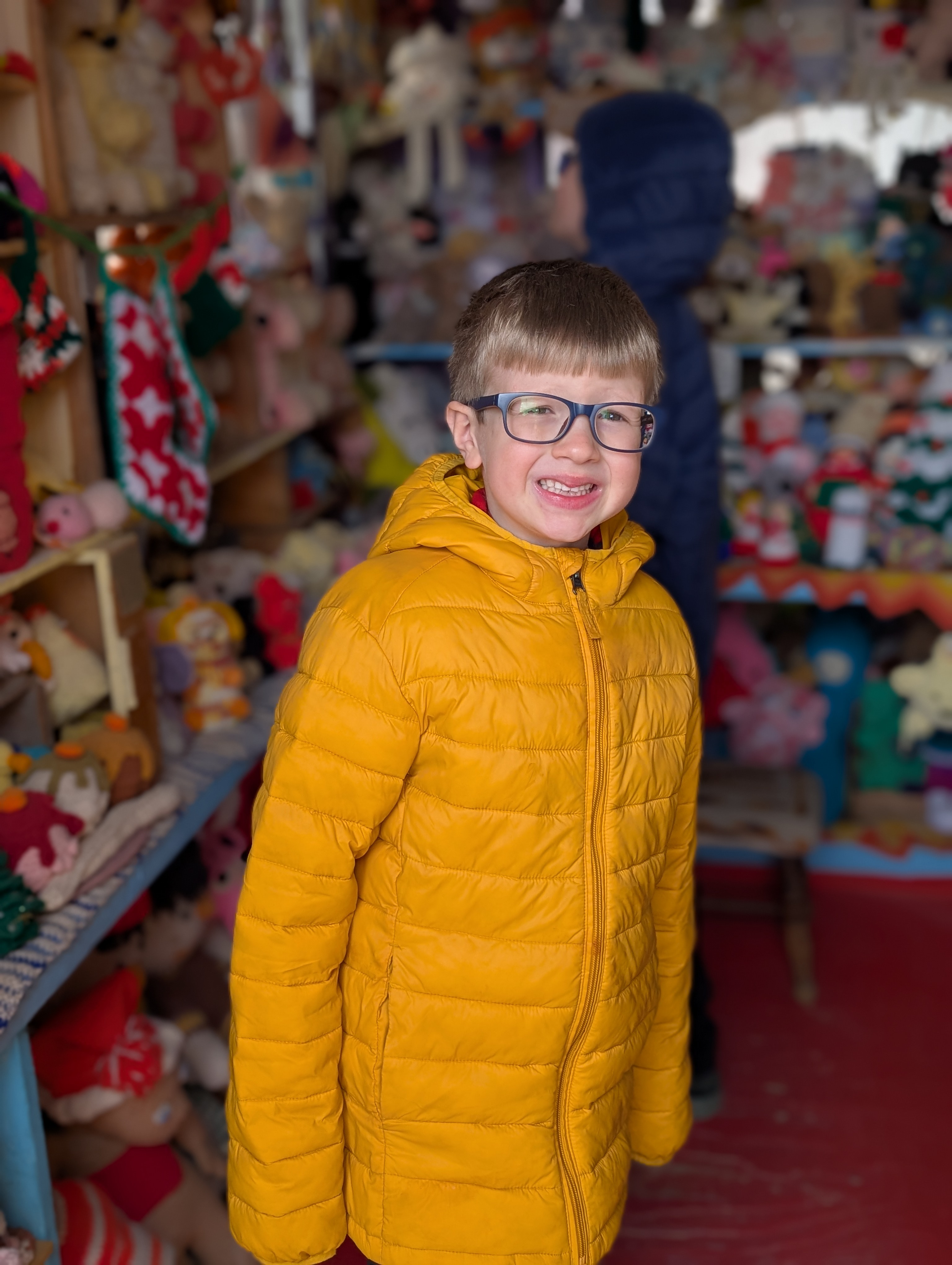
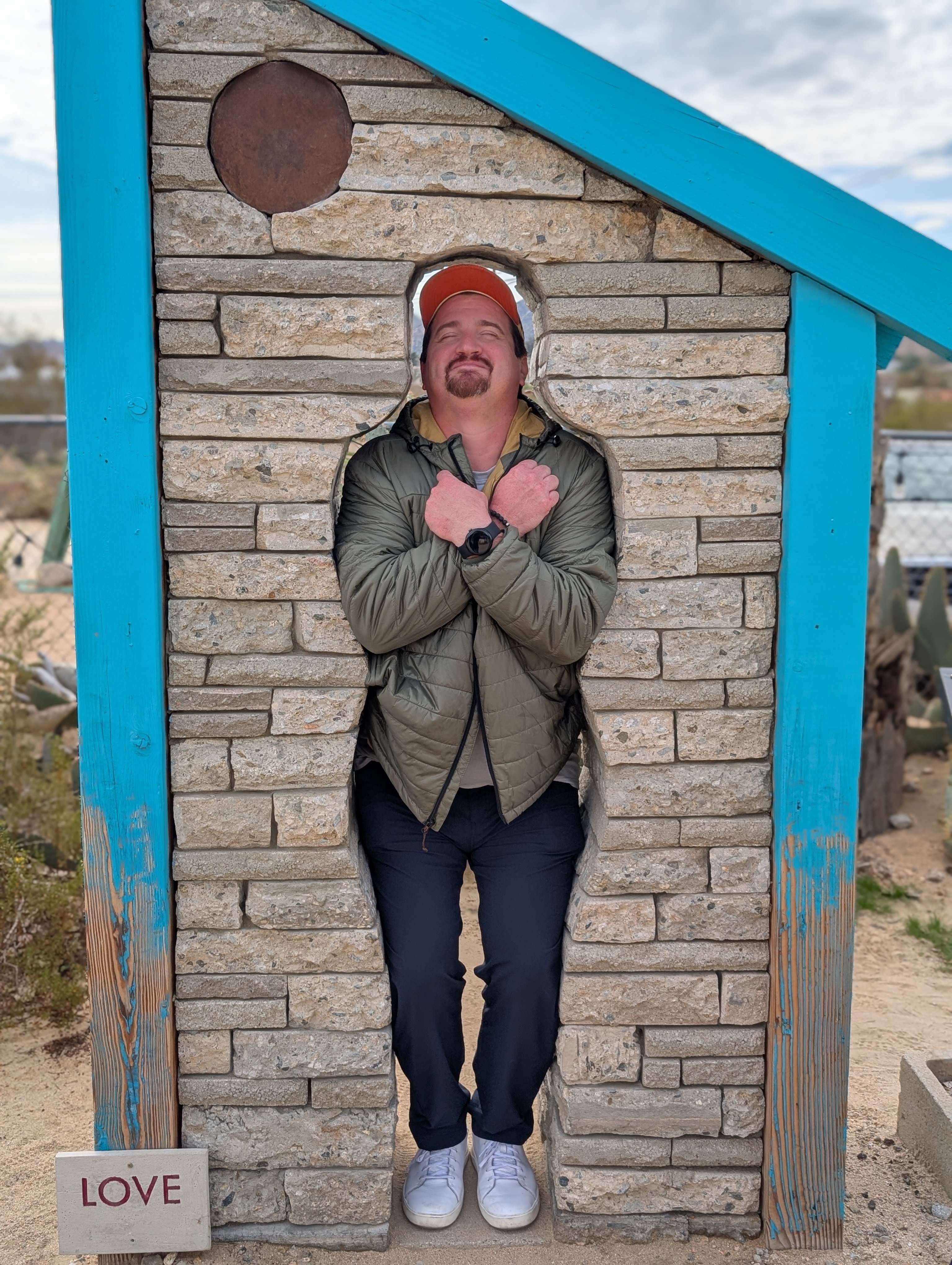
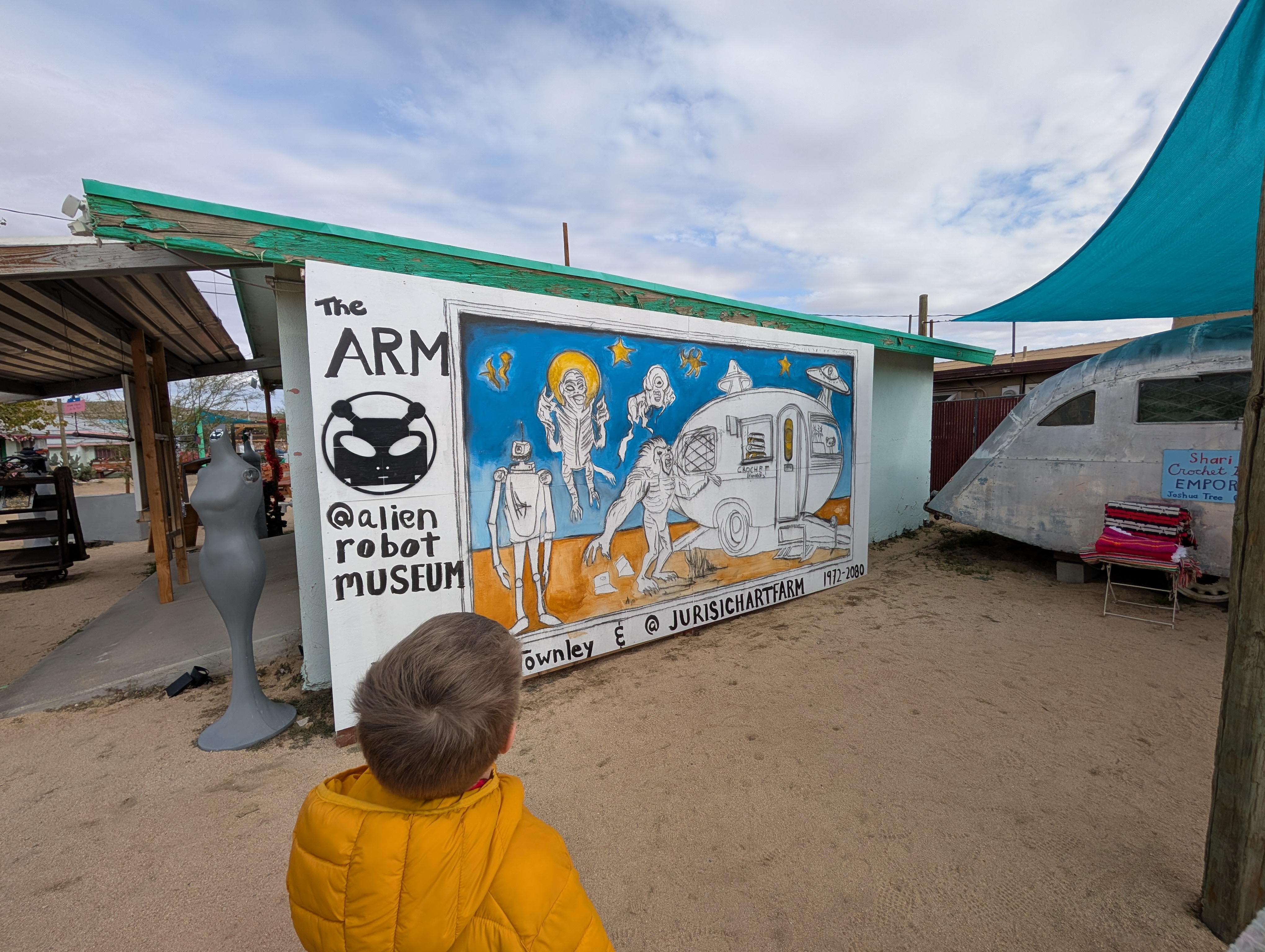
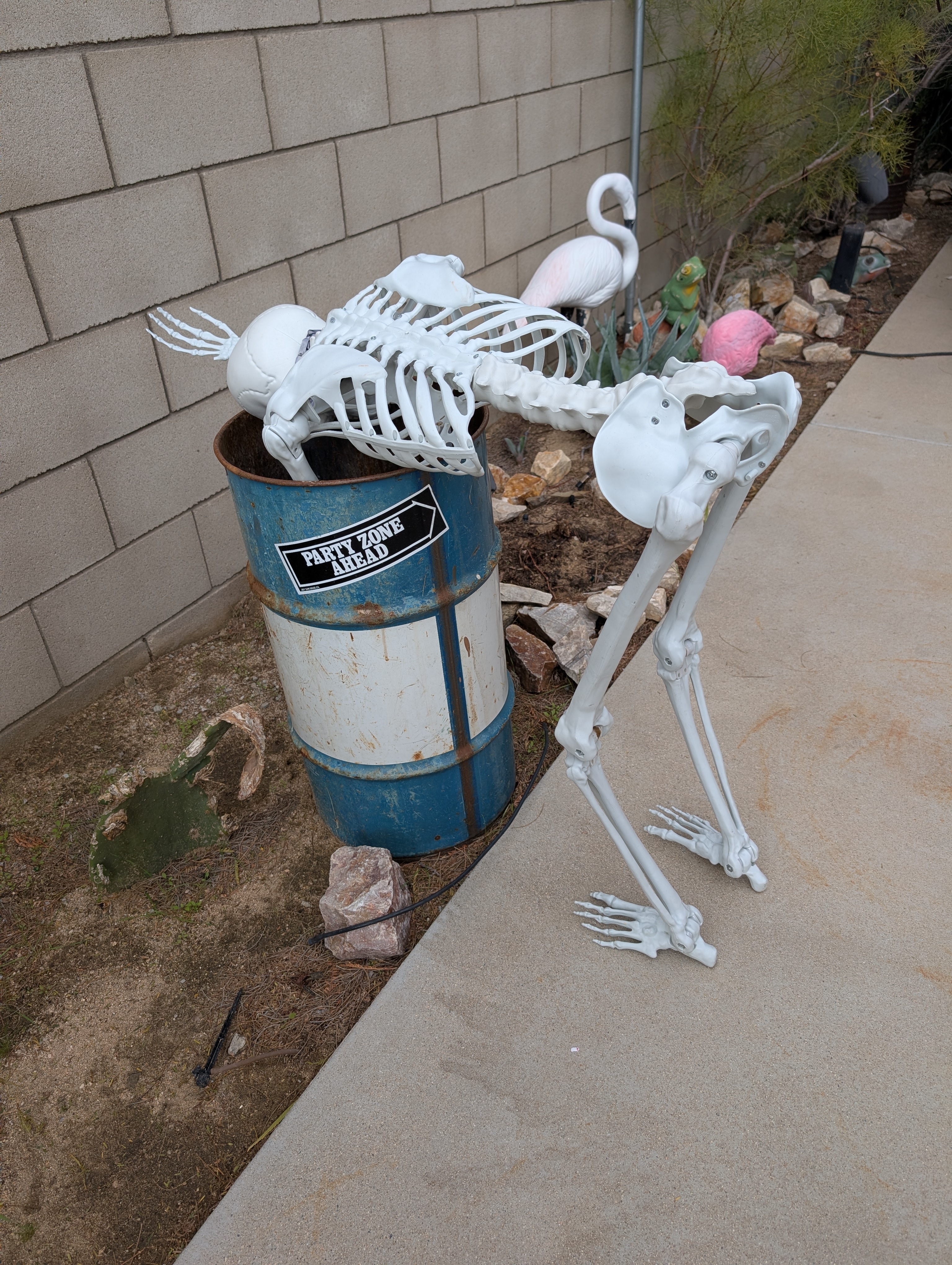
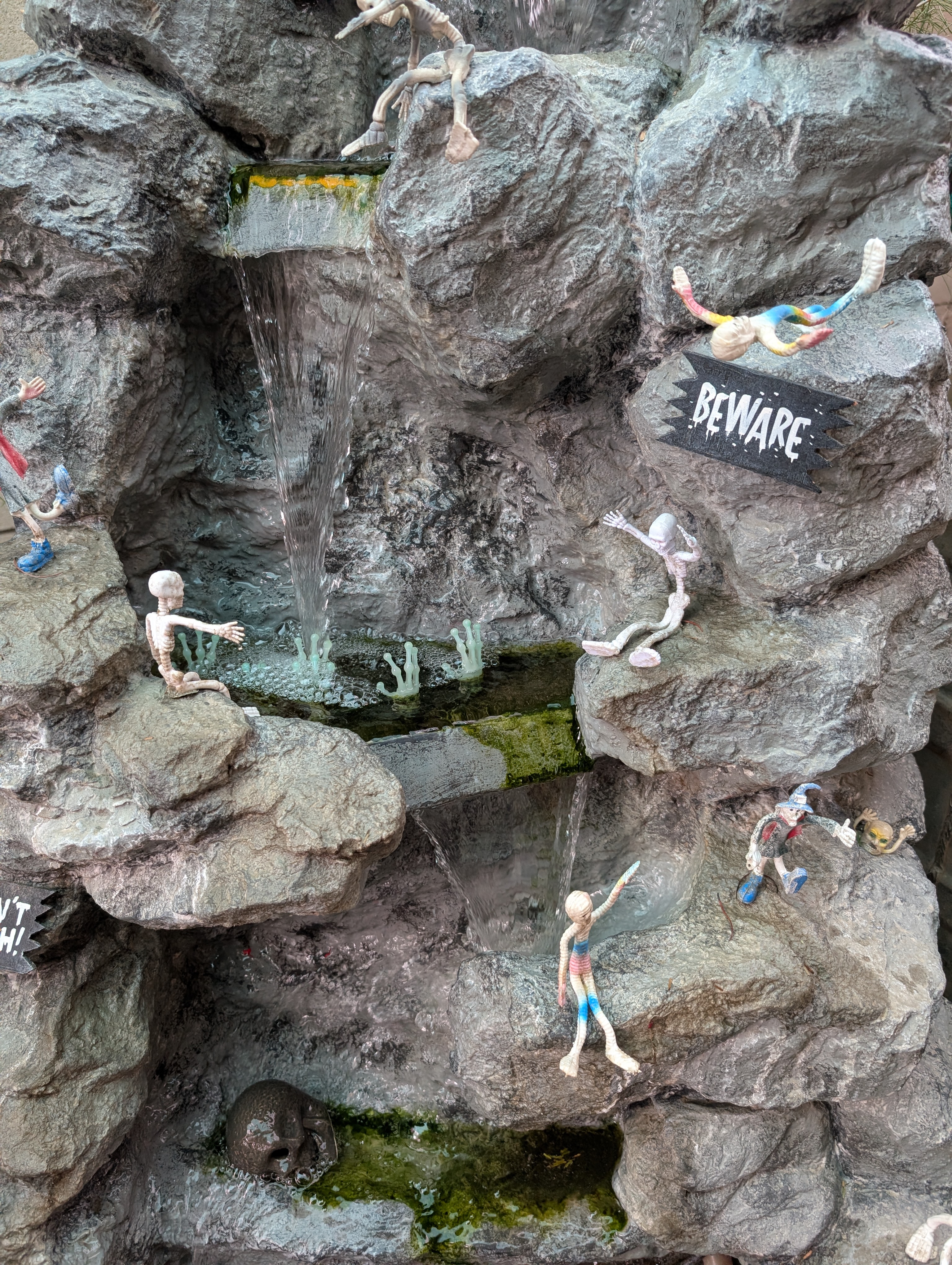
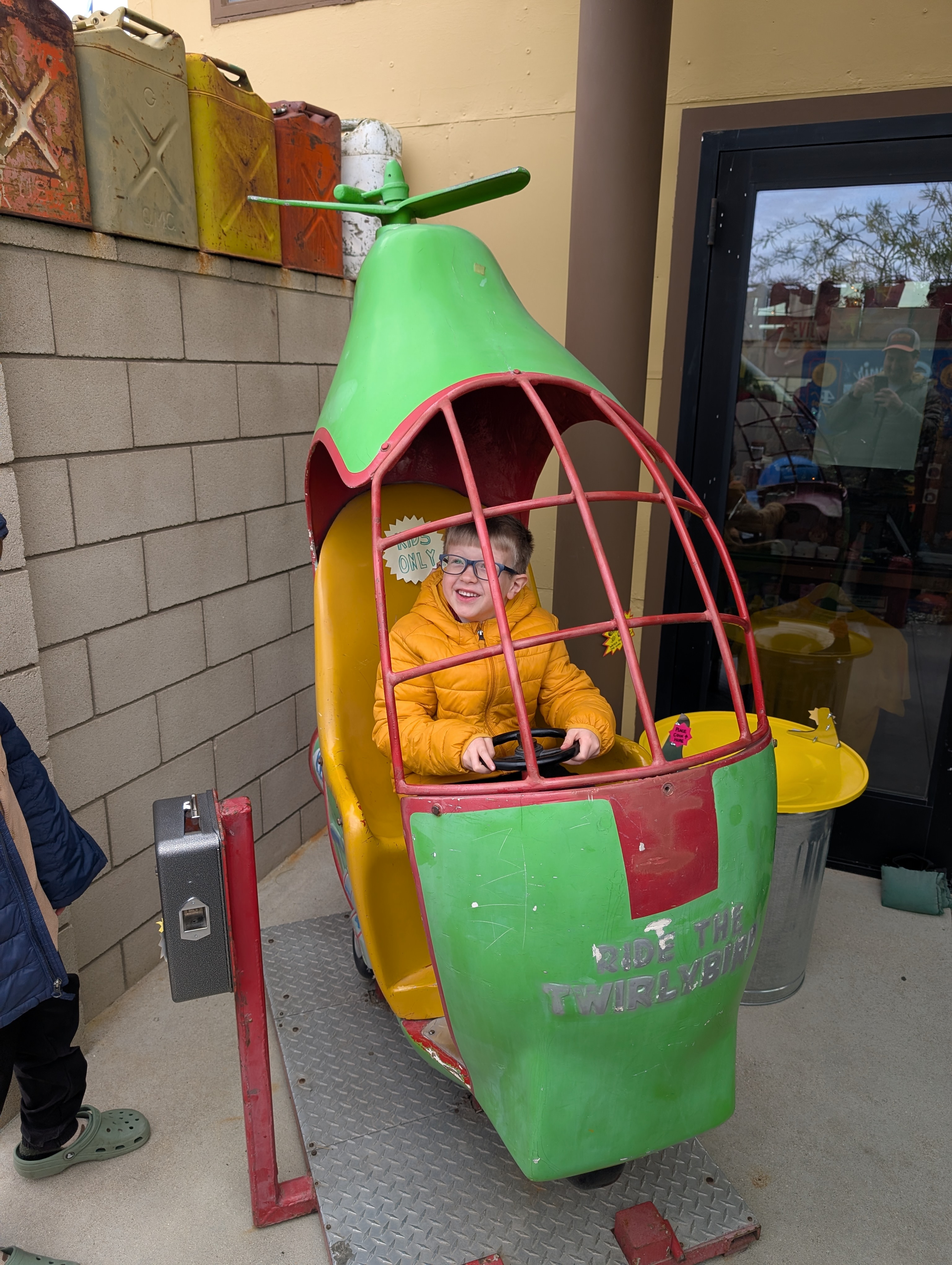
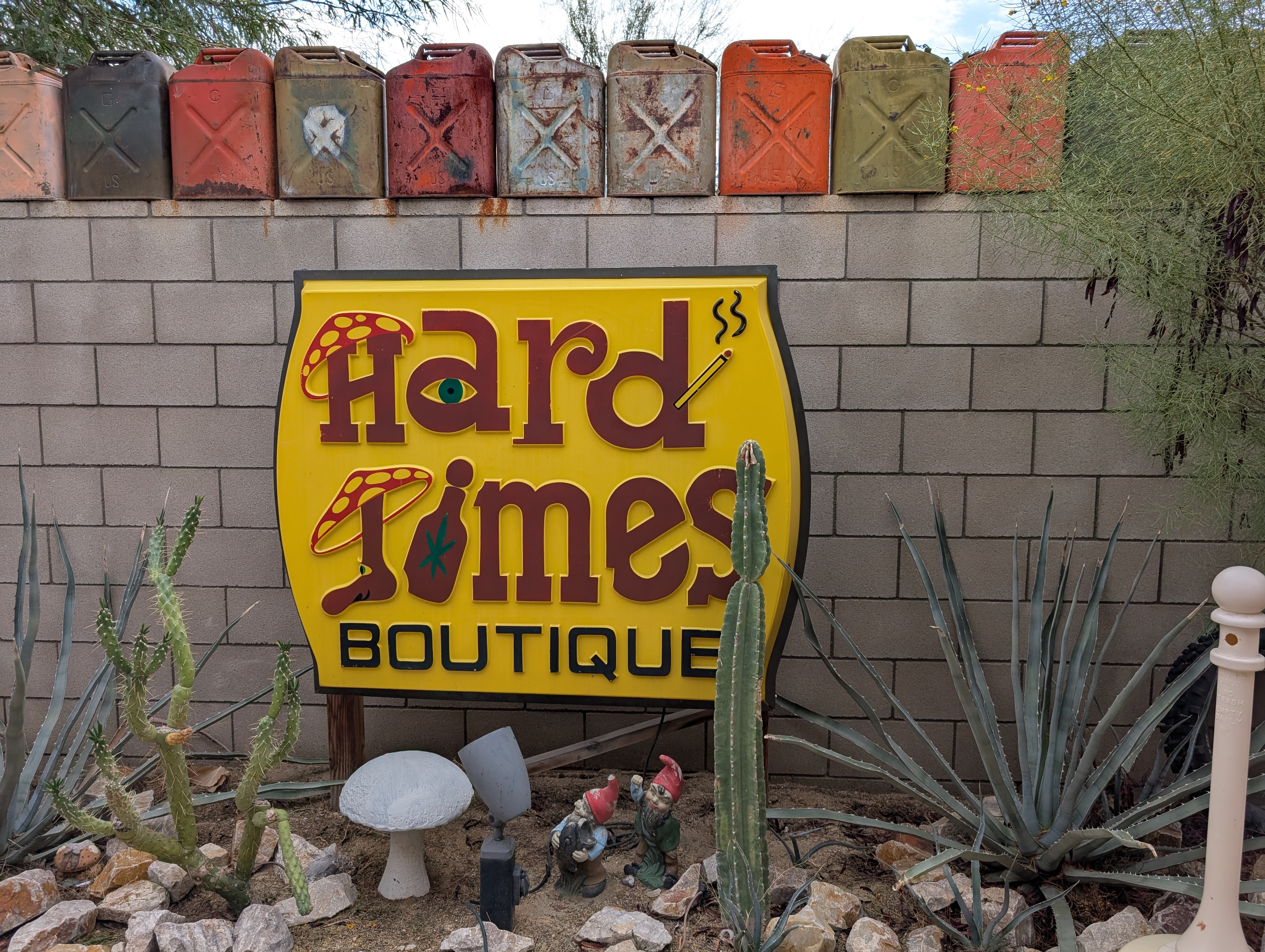
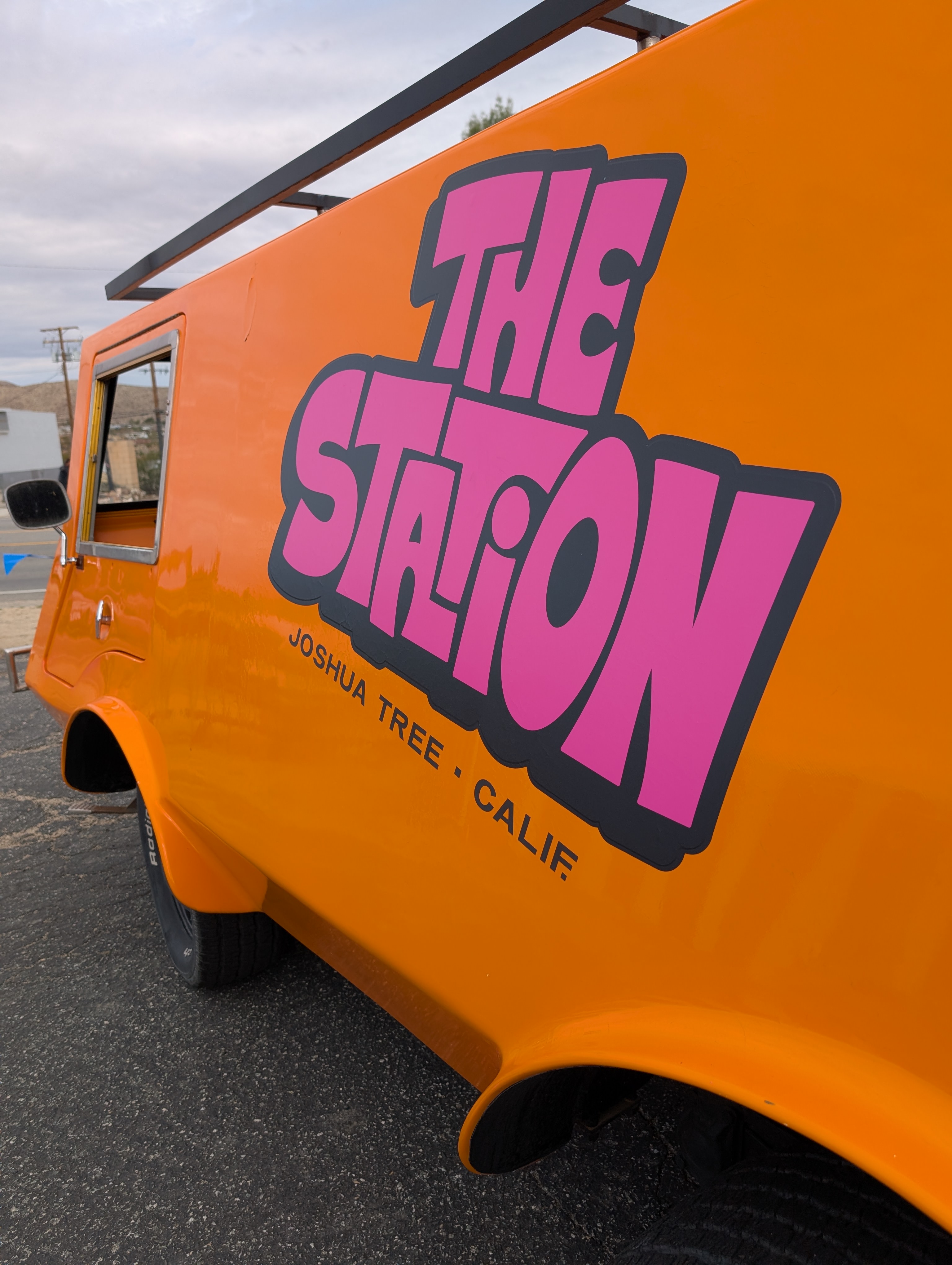
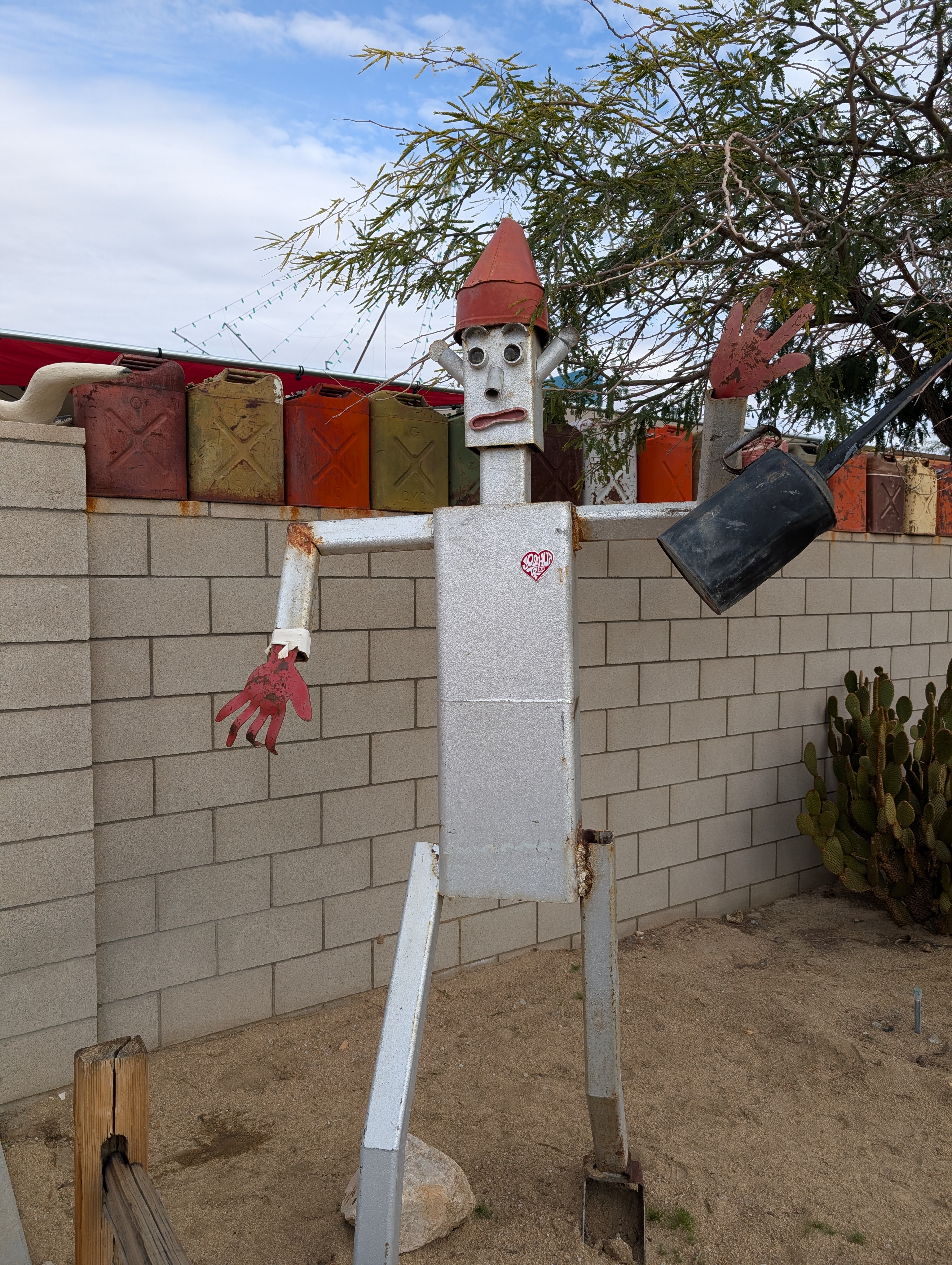
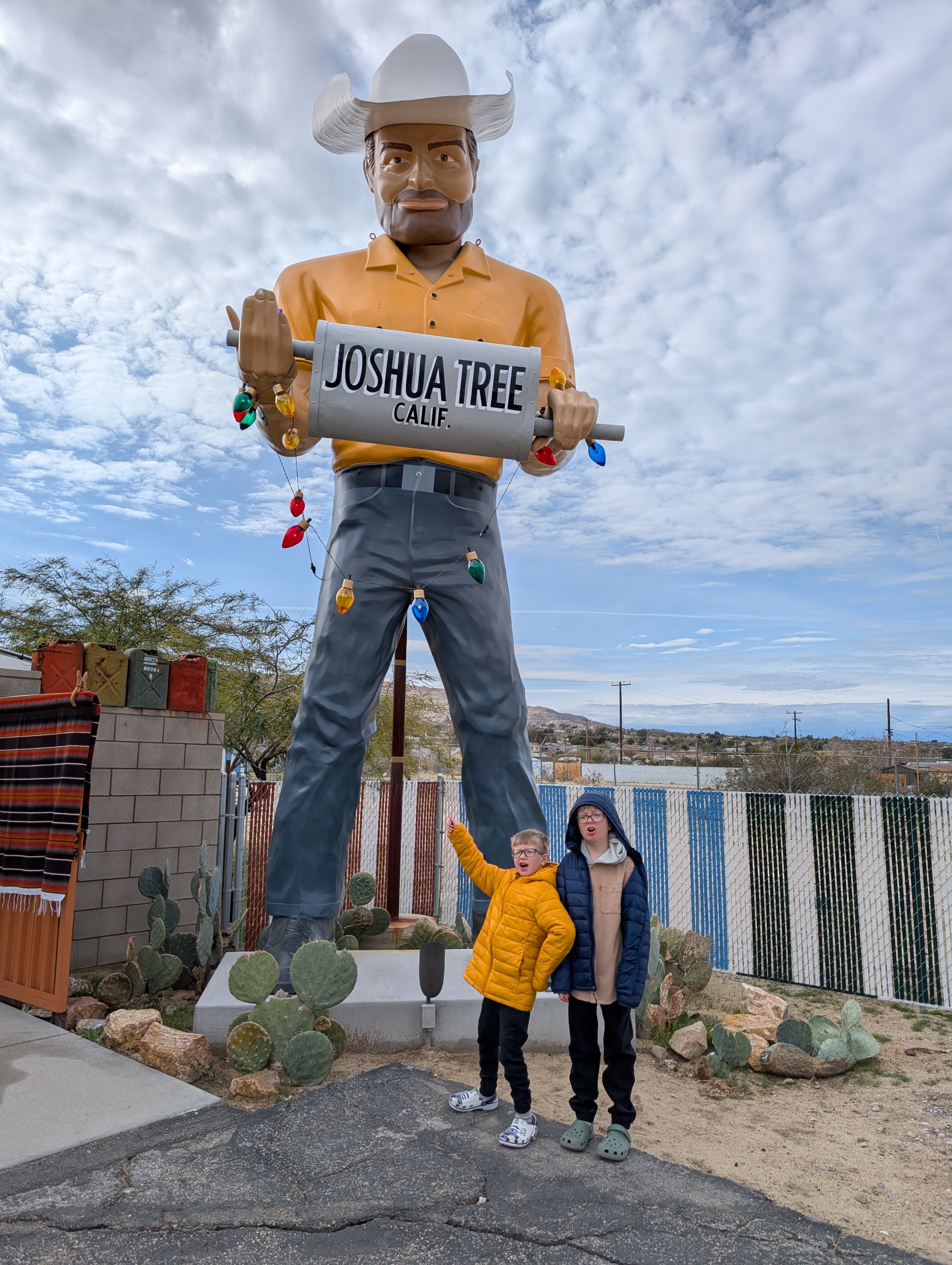
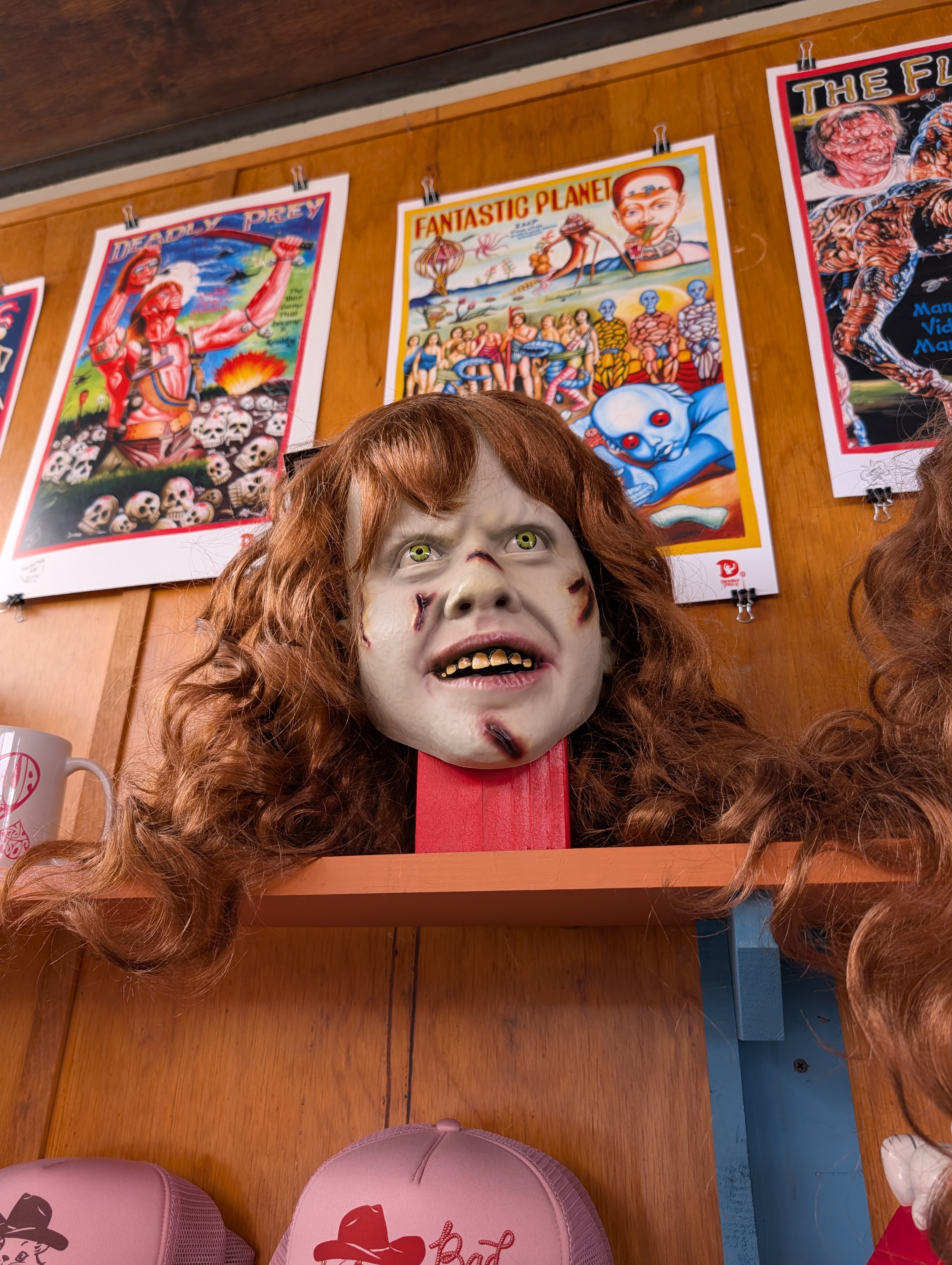
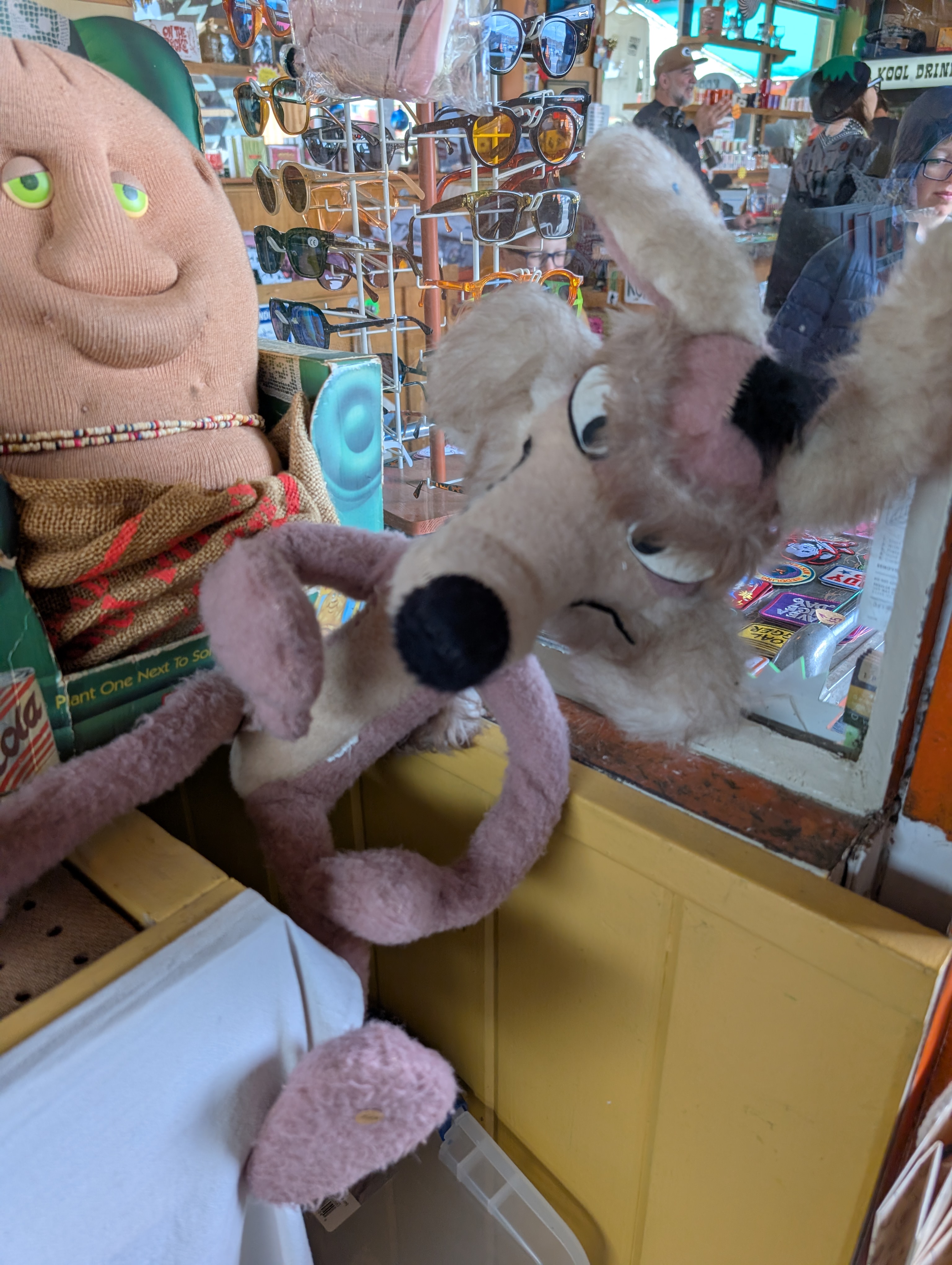
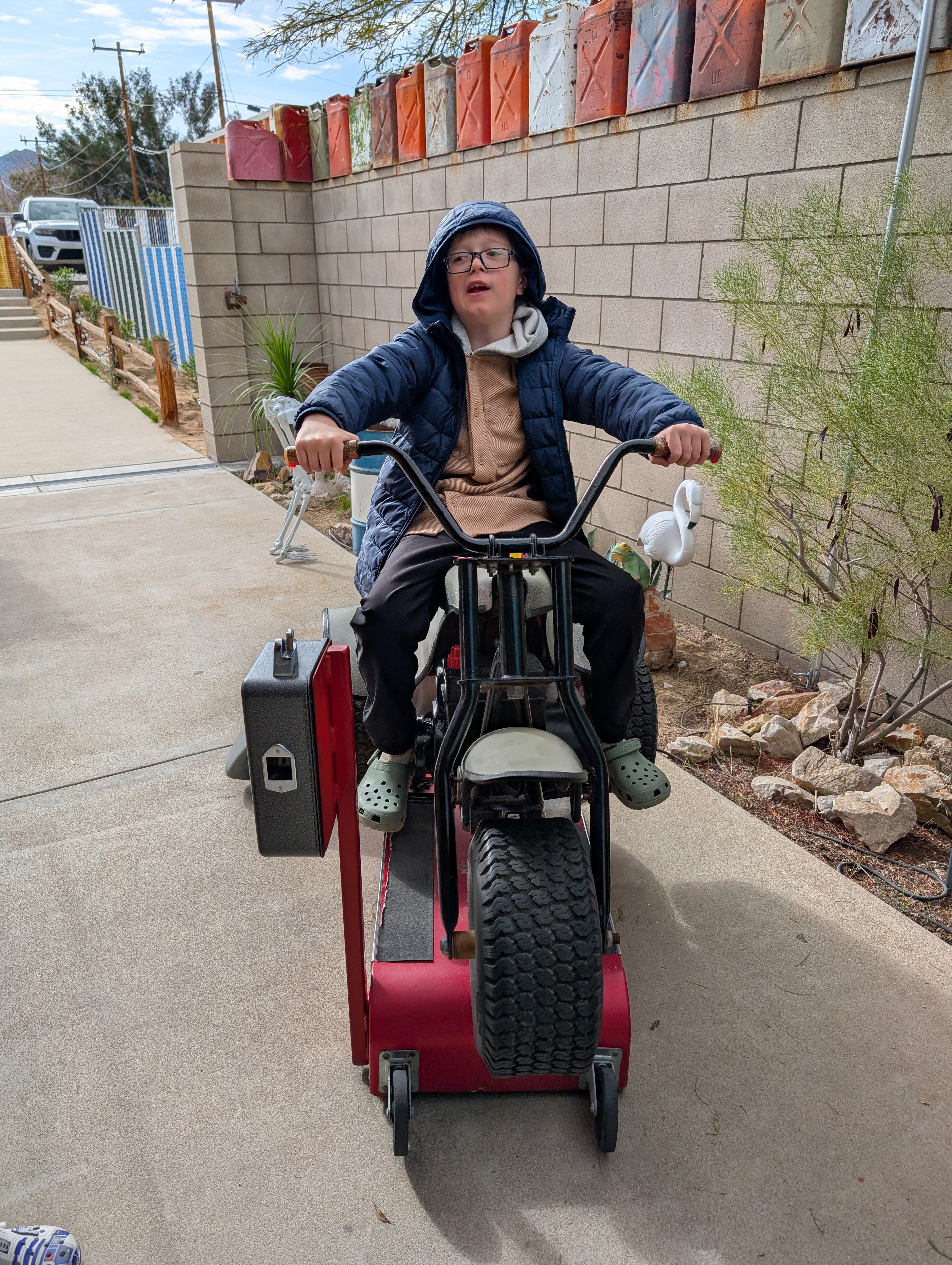
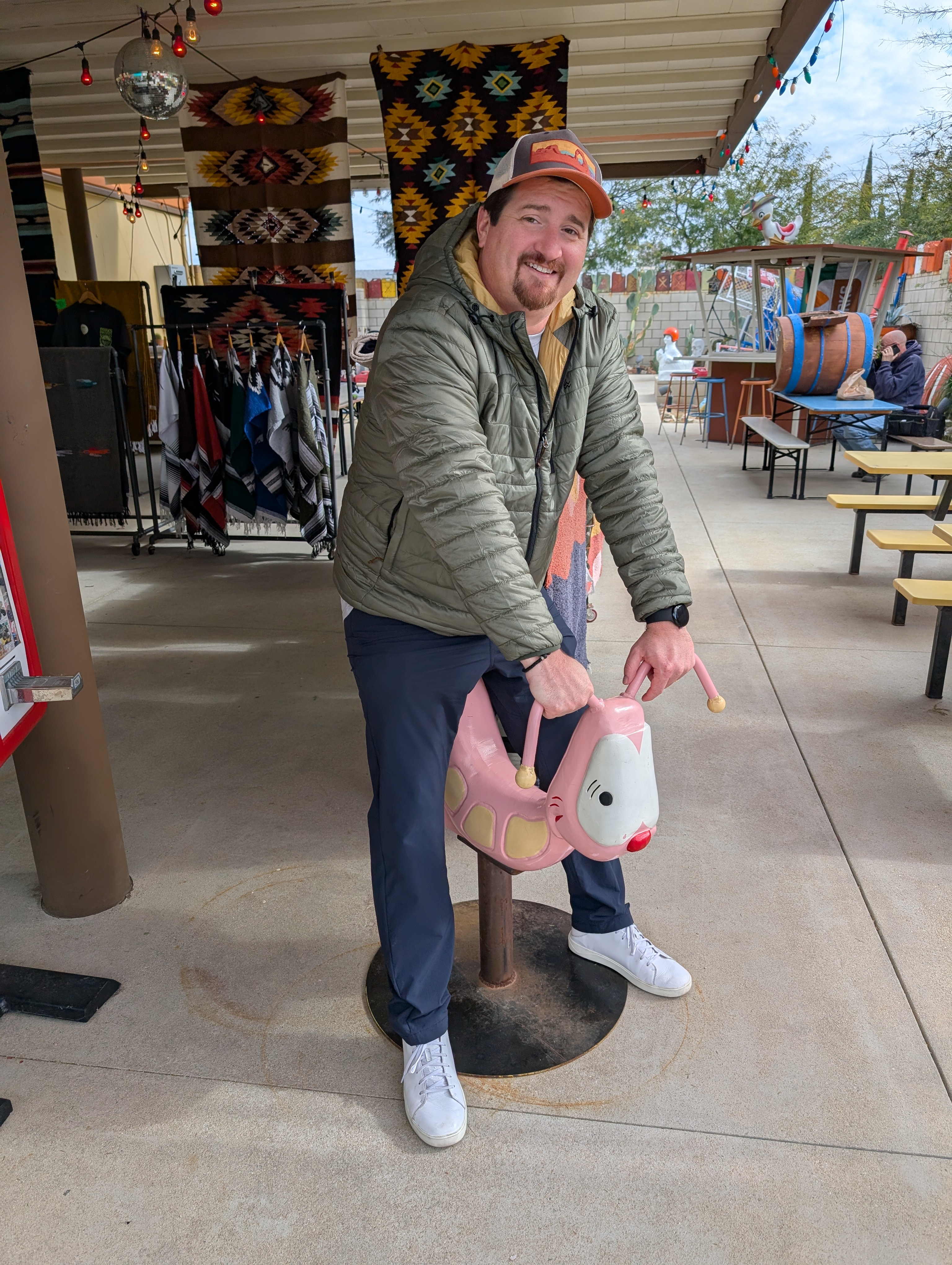
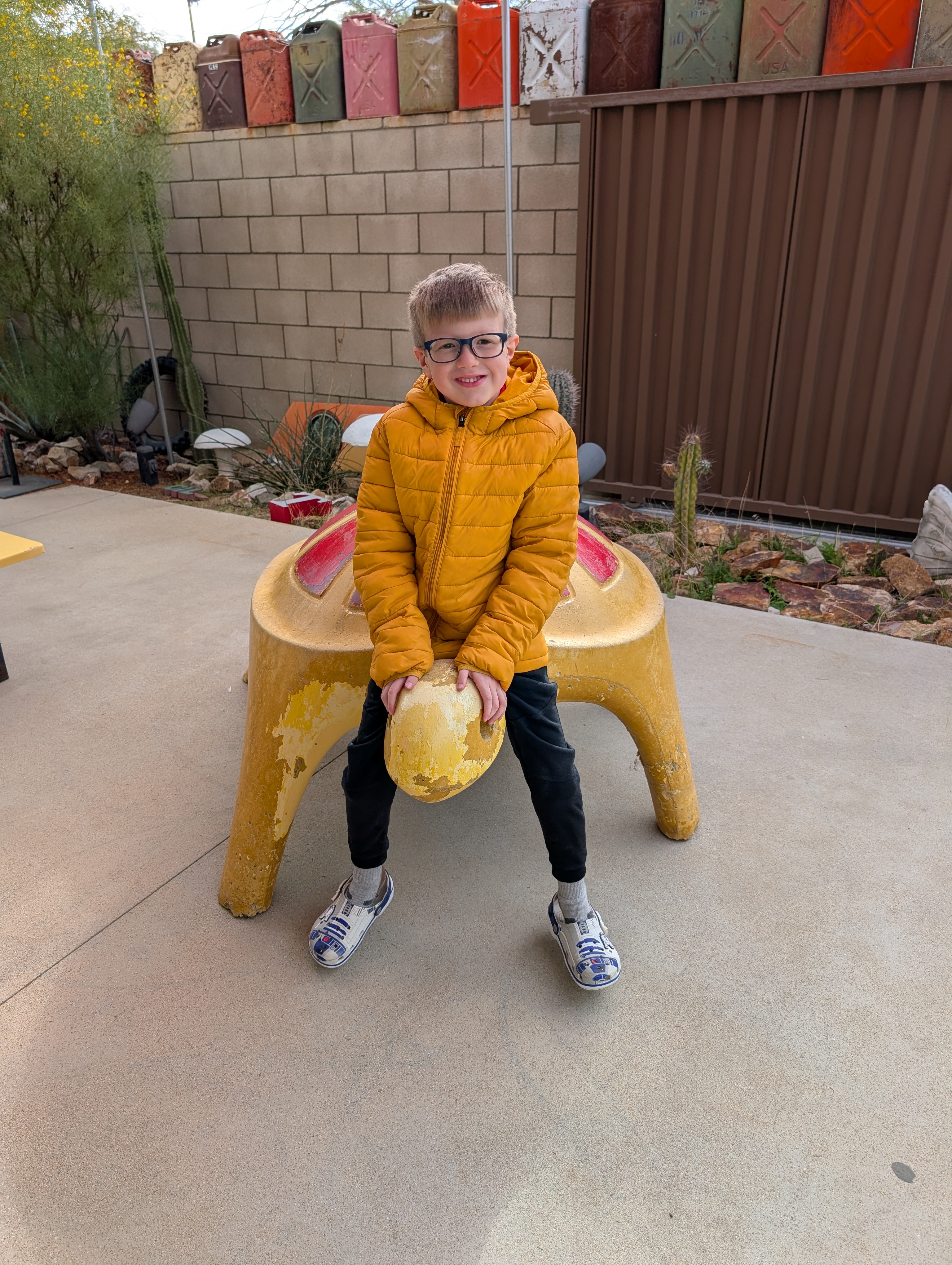
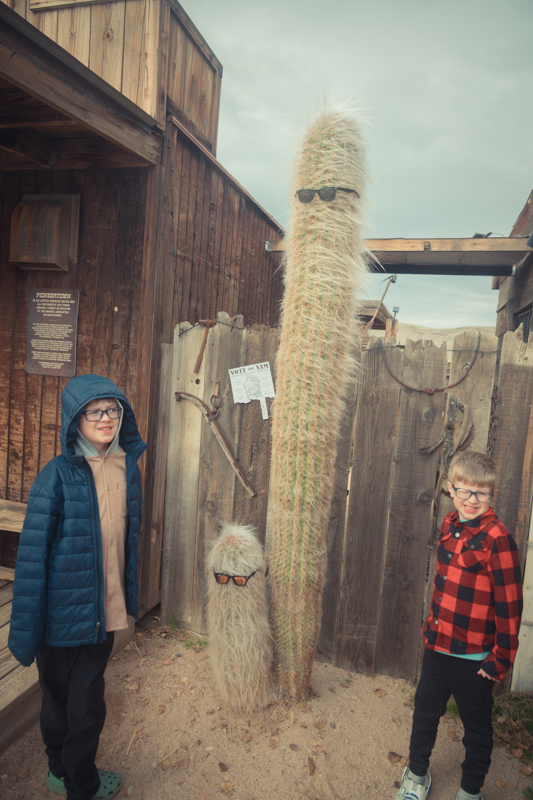
Part of the fun of this park, is actually in exploring the surrounding area. The shops were exactly what you’d hope for… quirky, creative, and just a little offbeat. There were aliens everywhere, handmade goods, vintage finds… the kind of place where you don’t go looking for anything specific, but somehow leave with something memorable.
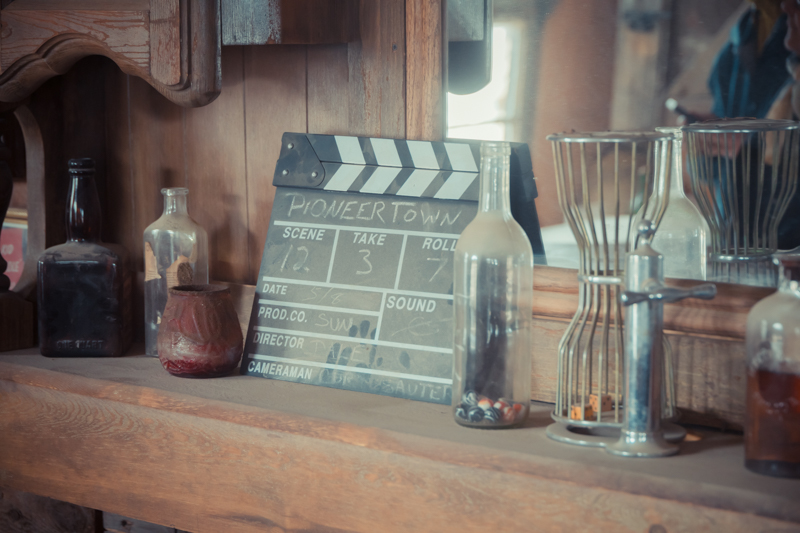
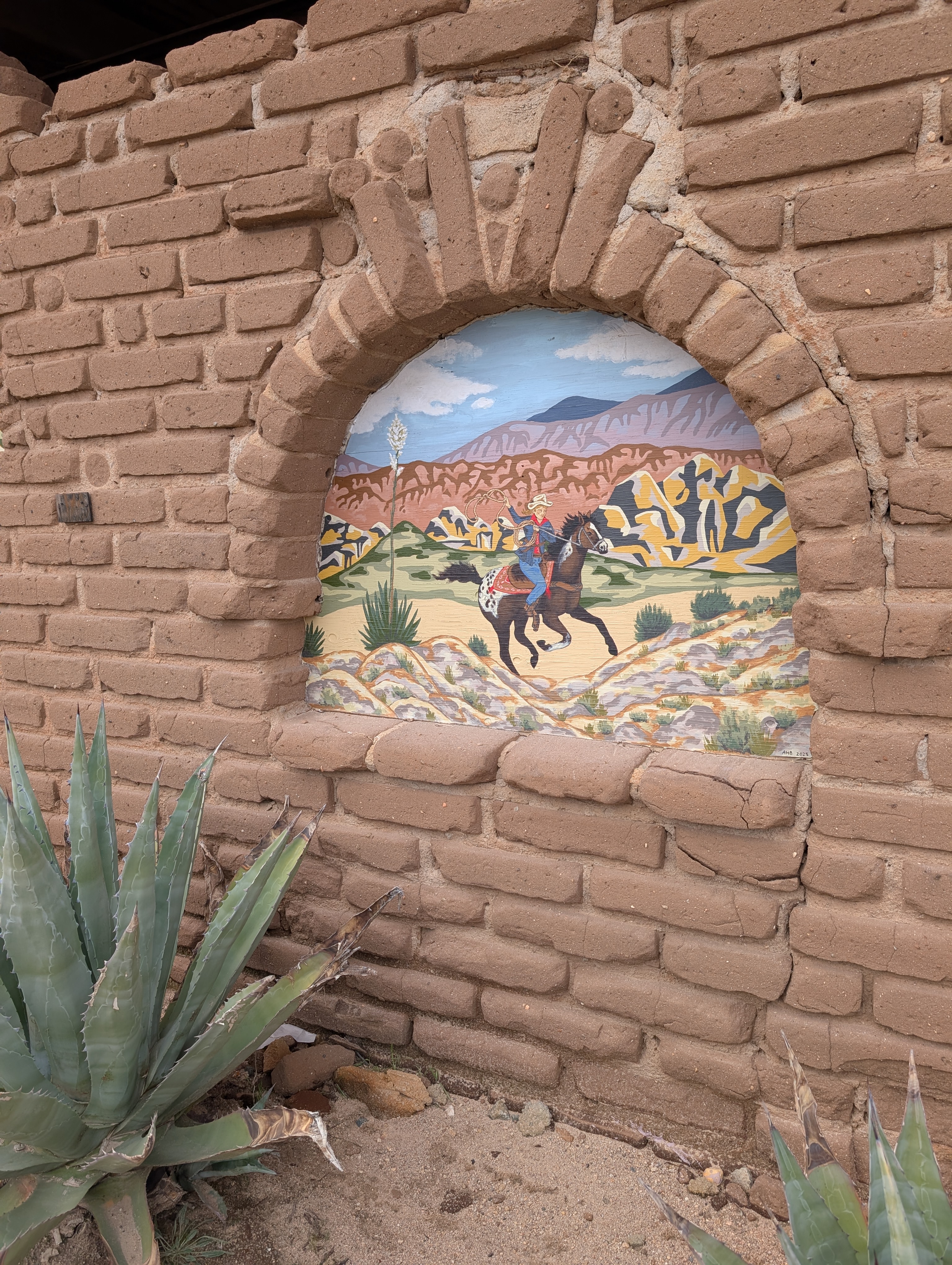
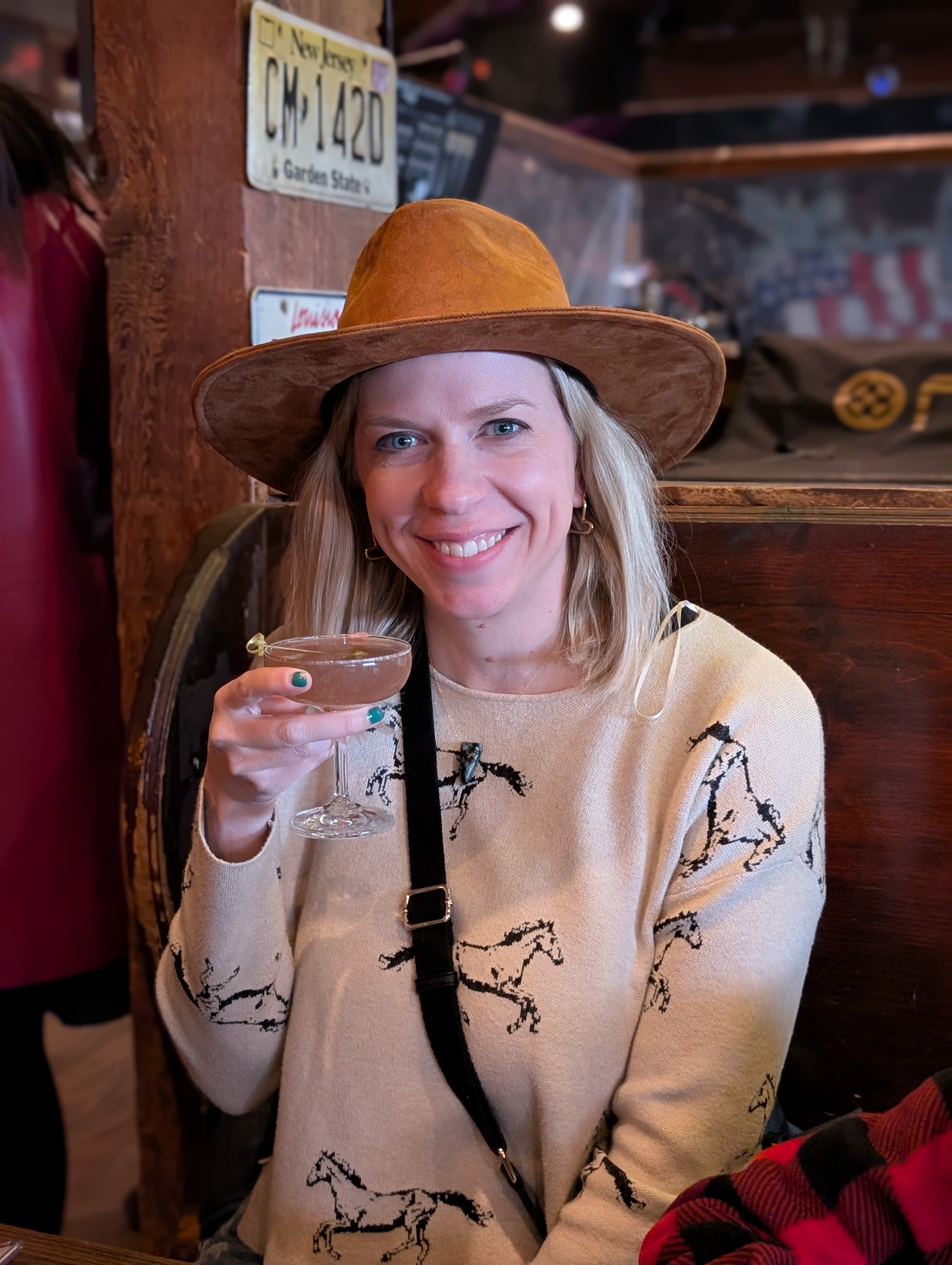
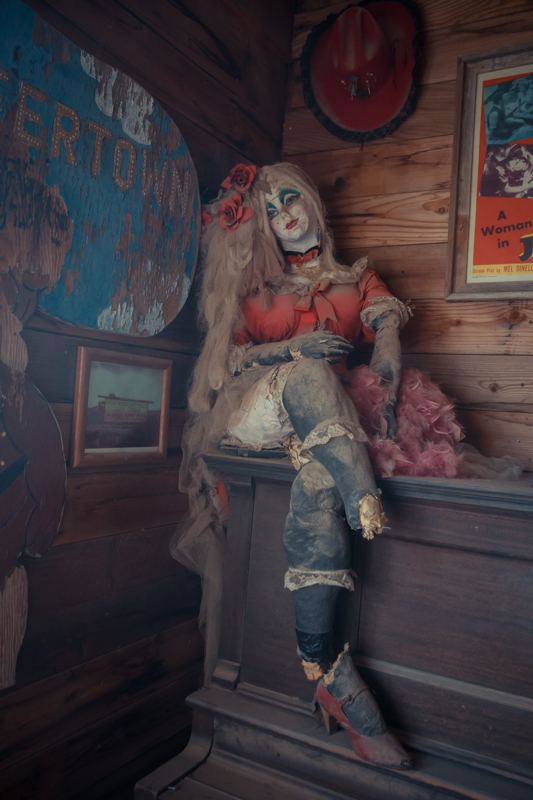
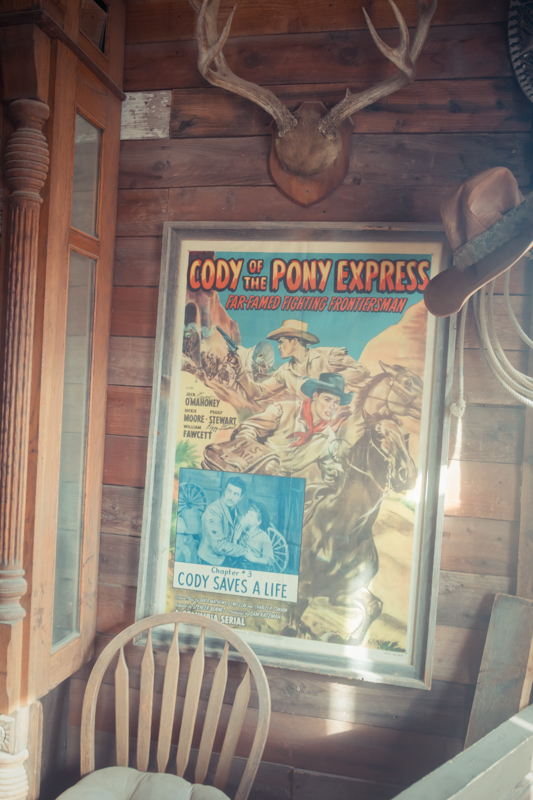
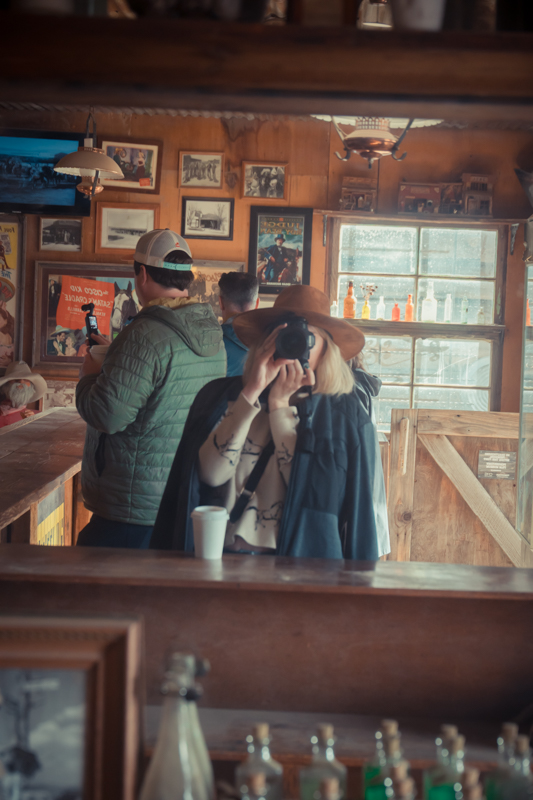
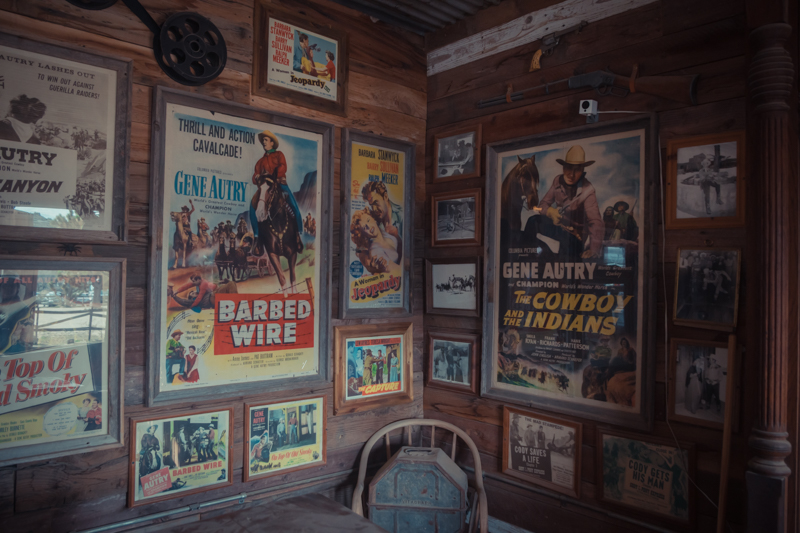
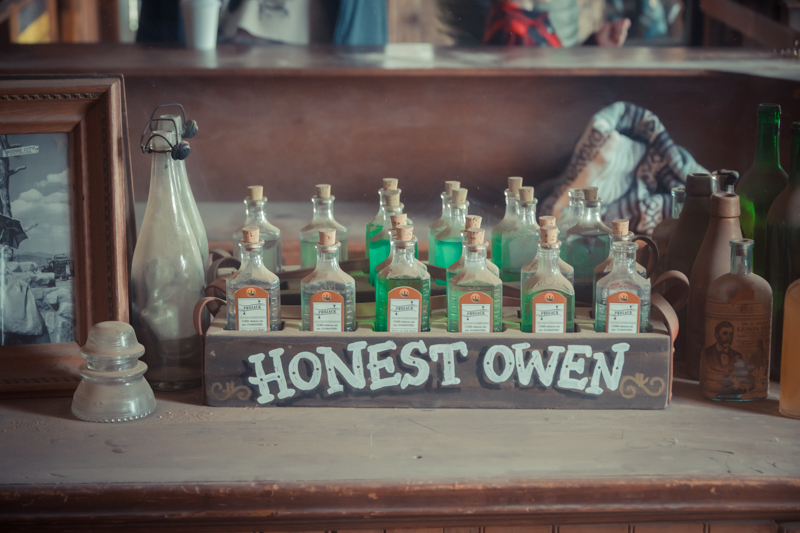
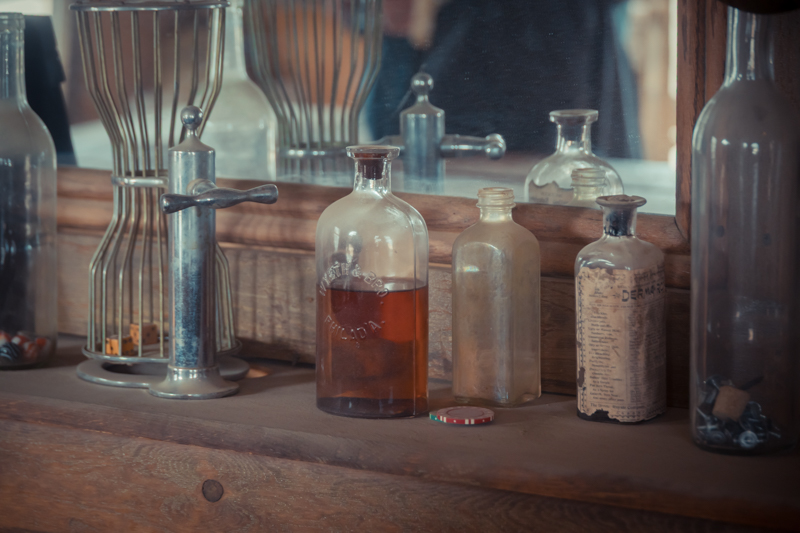
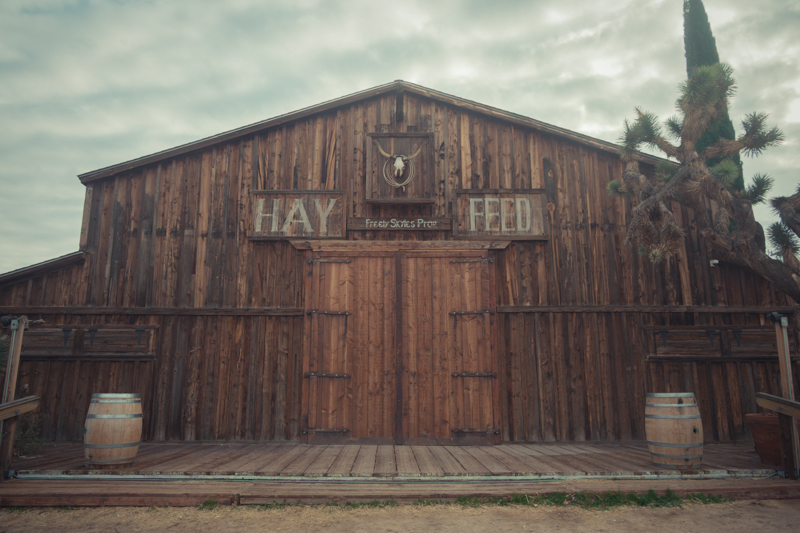
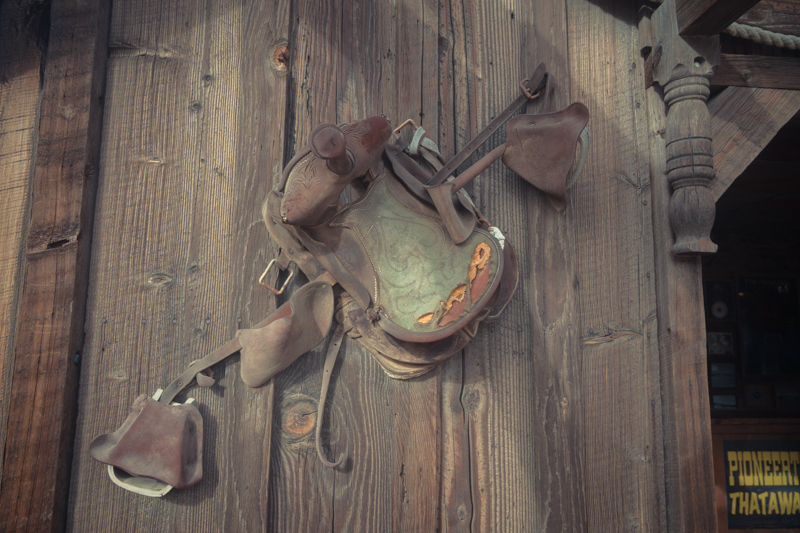
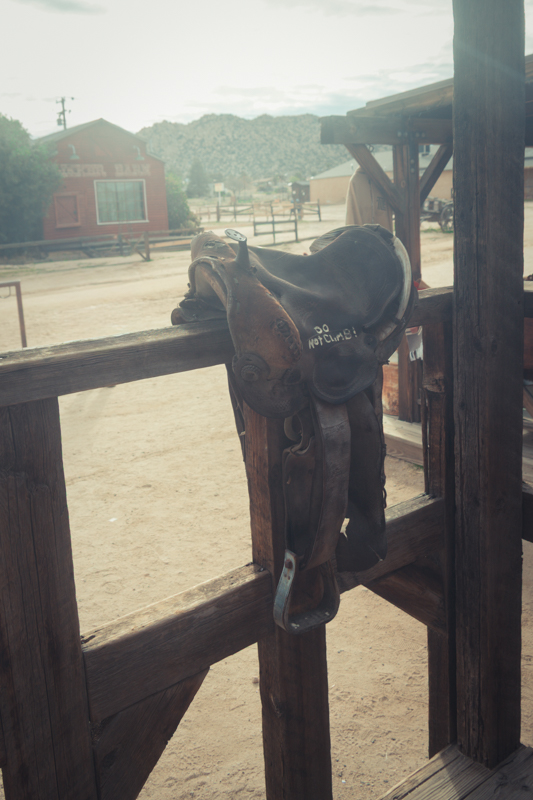
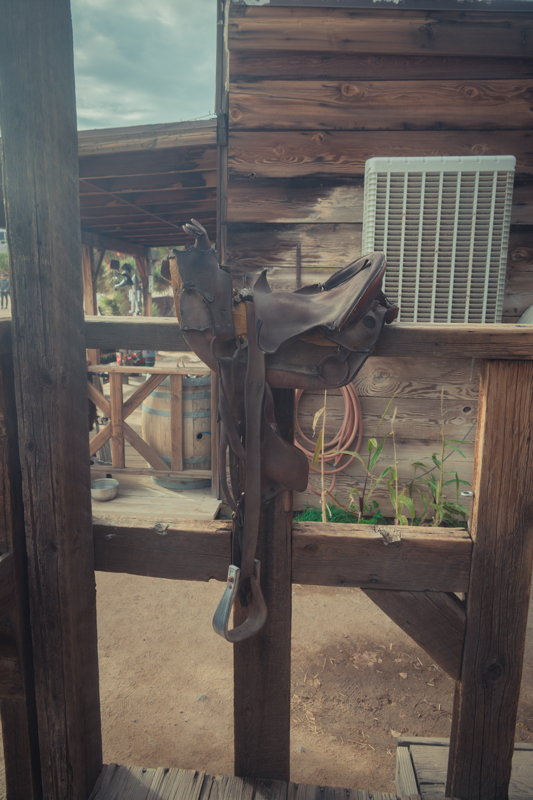
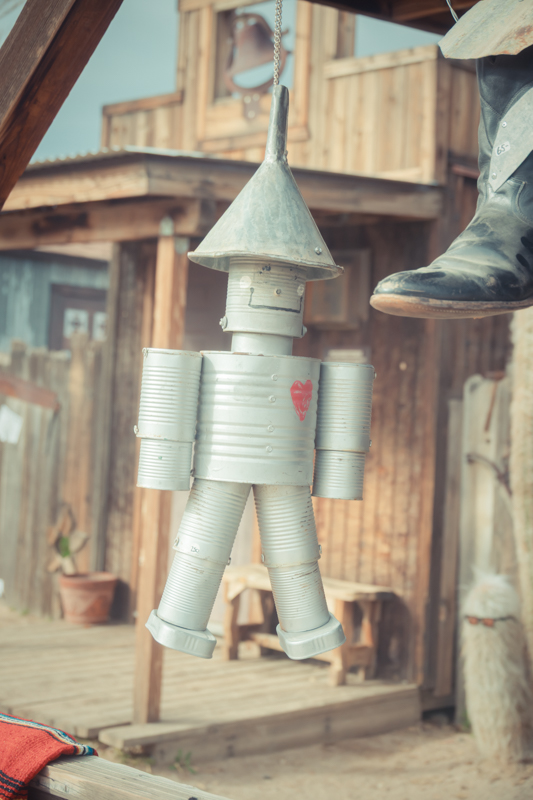
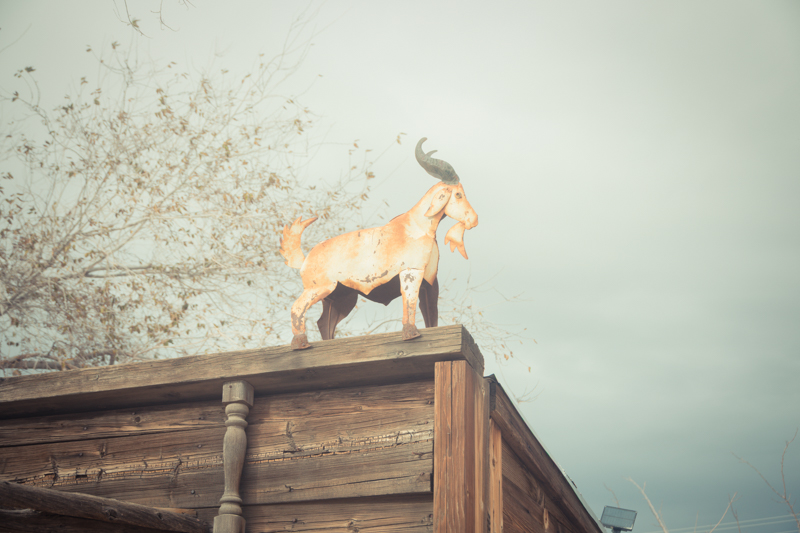
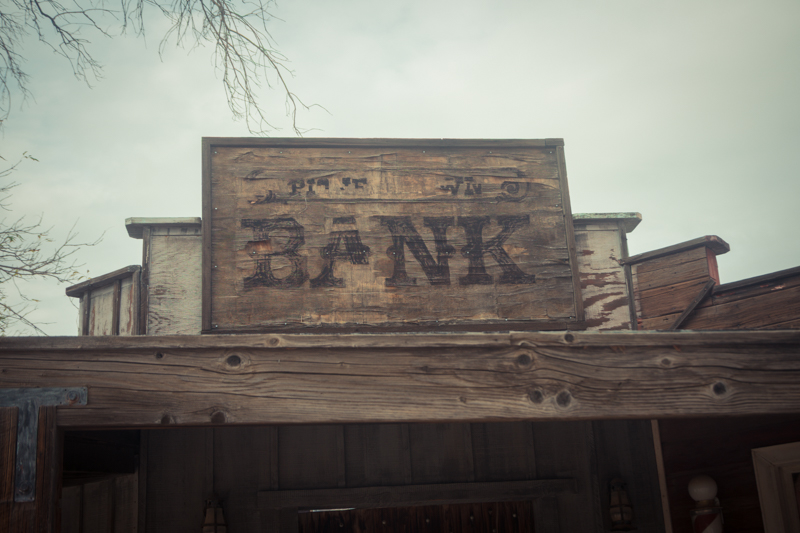
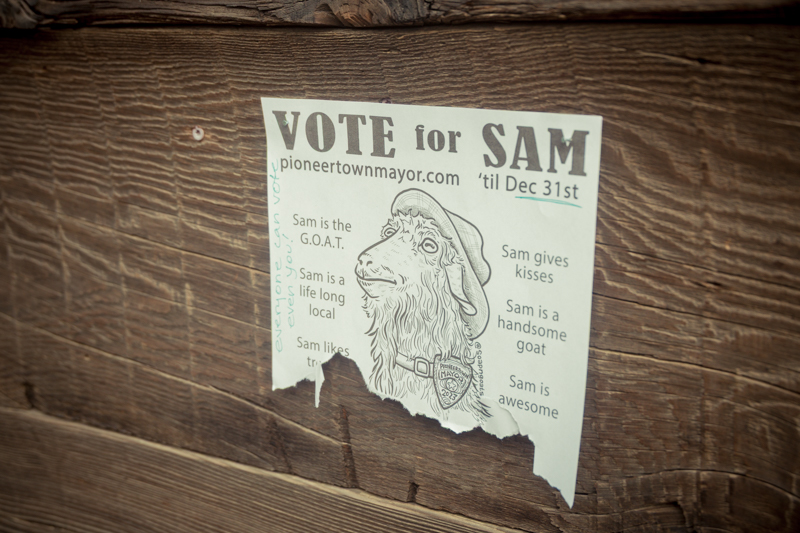
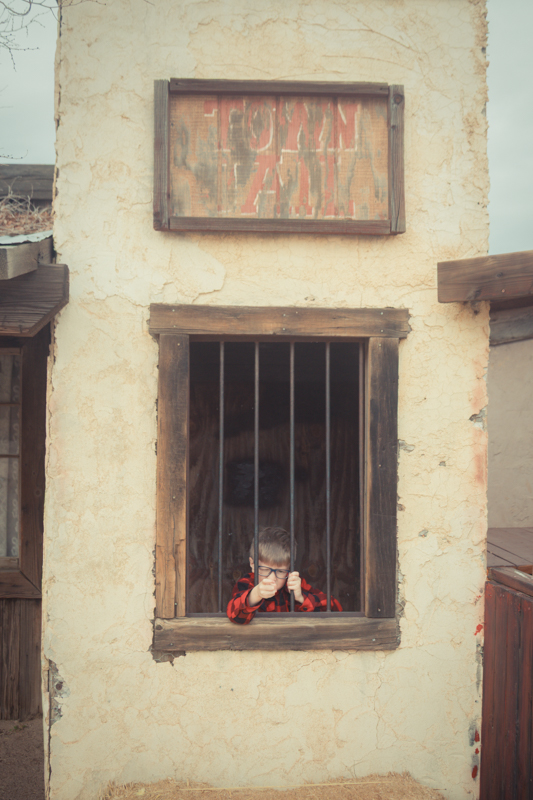
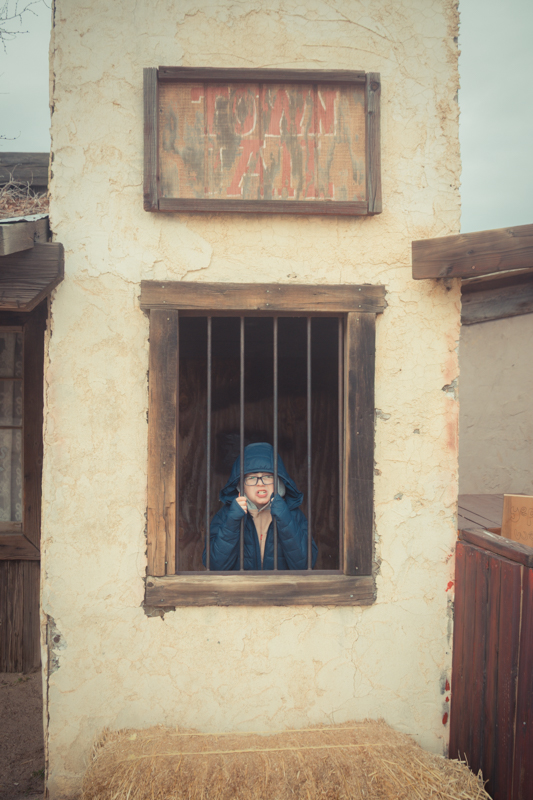
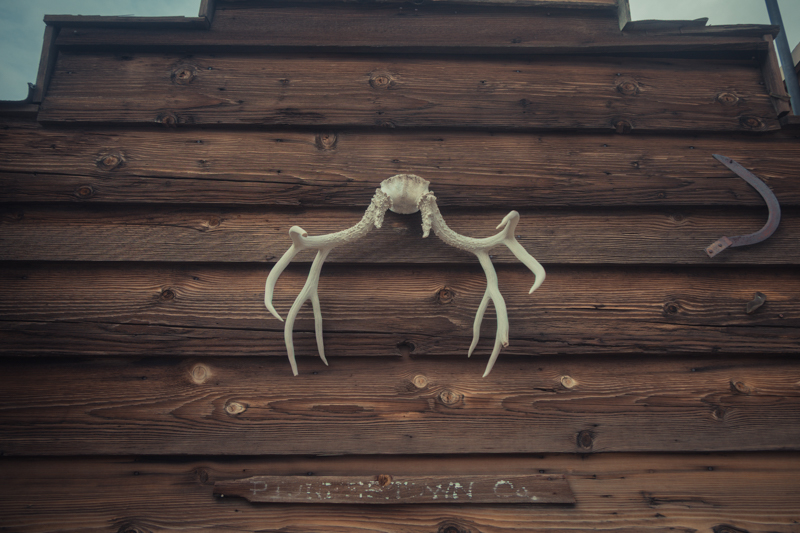
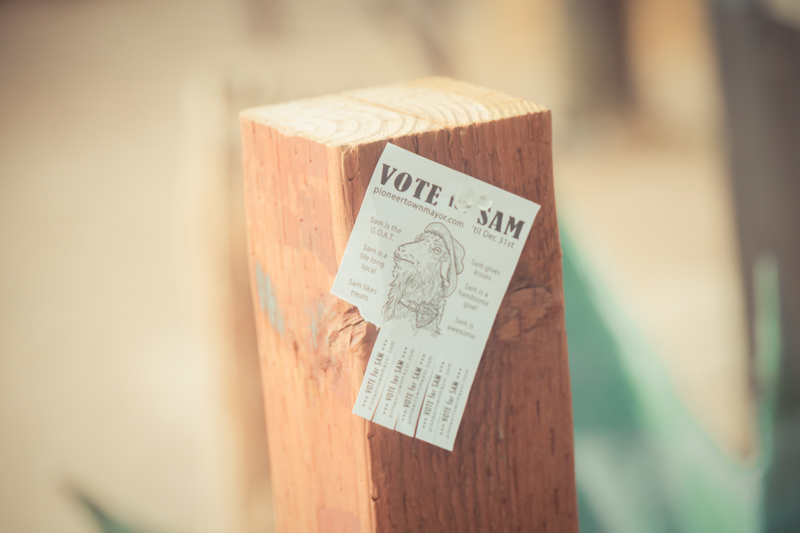
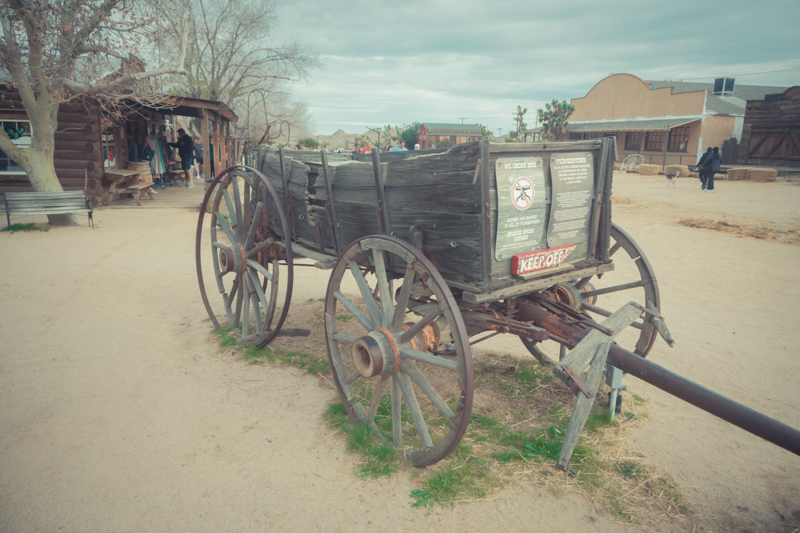
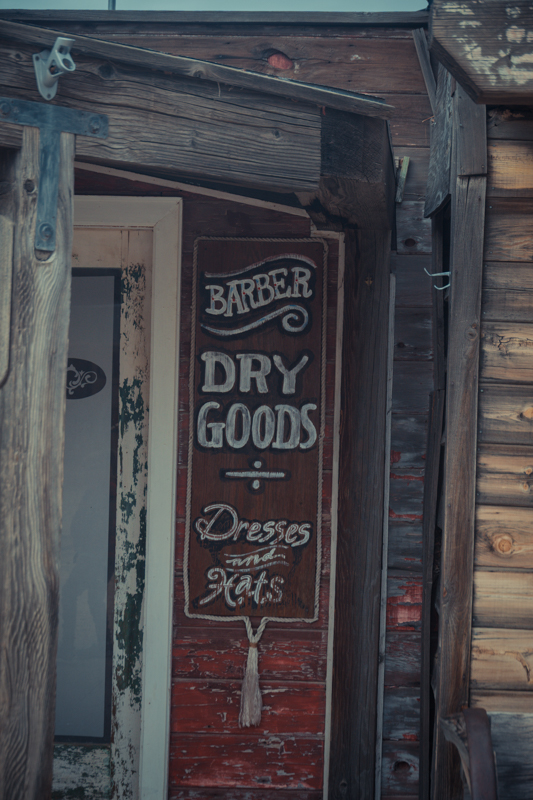
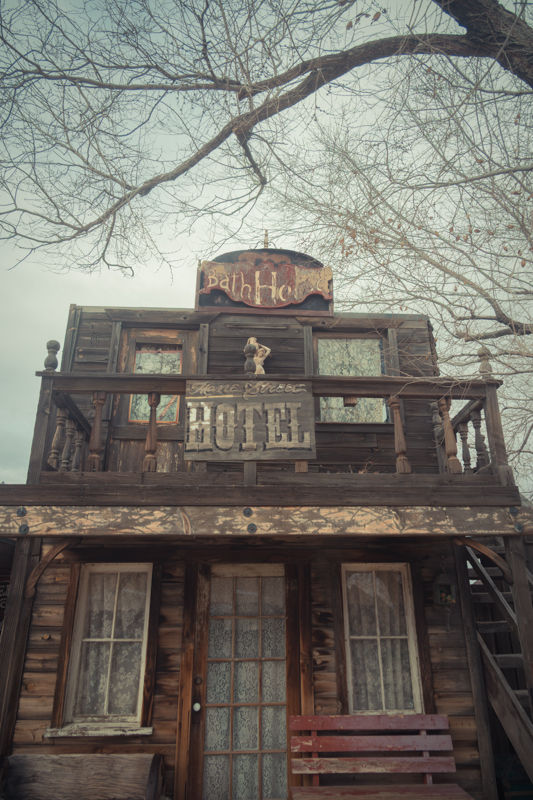
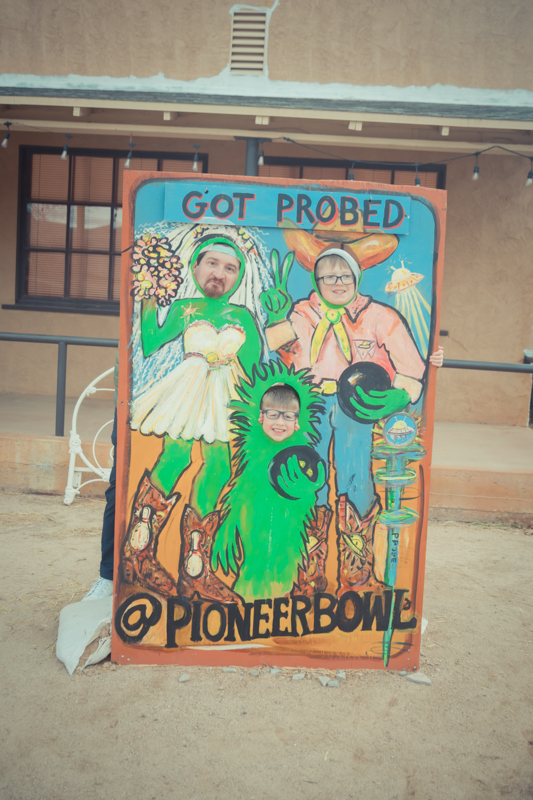
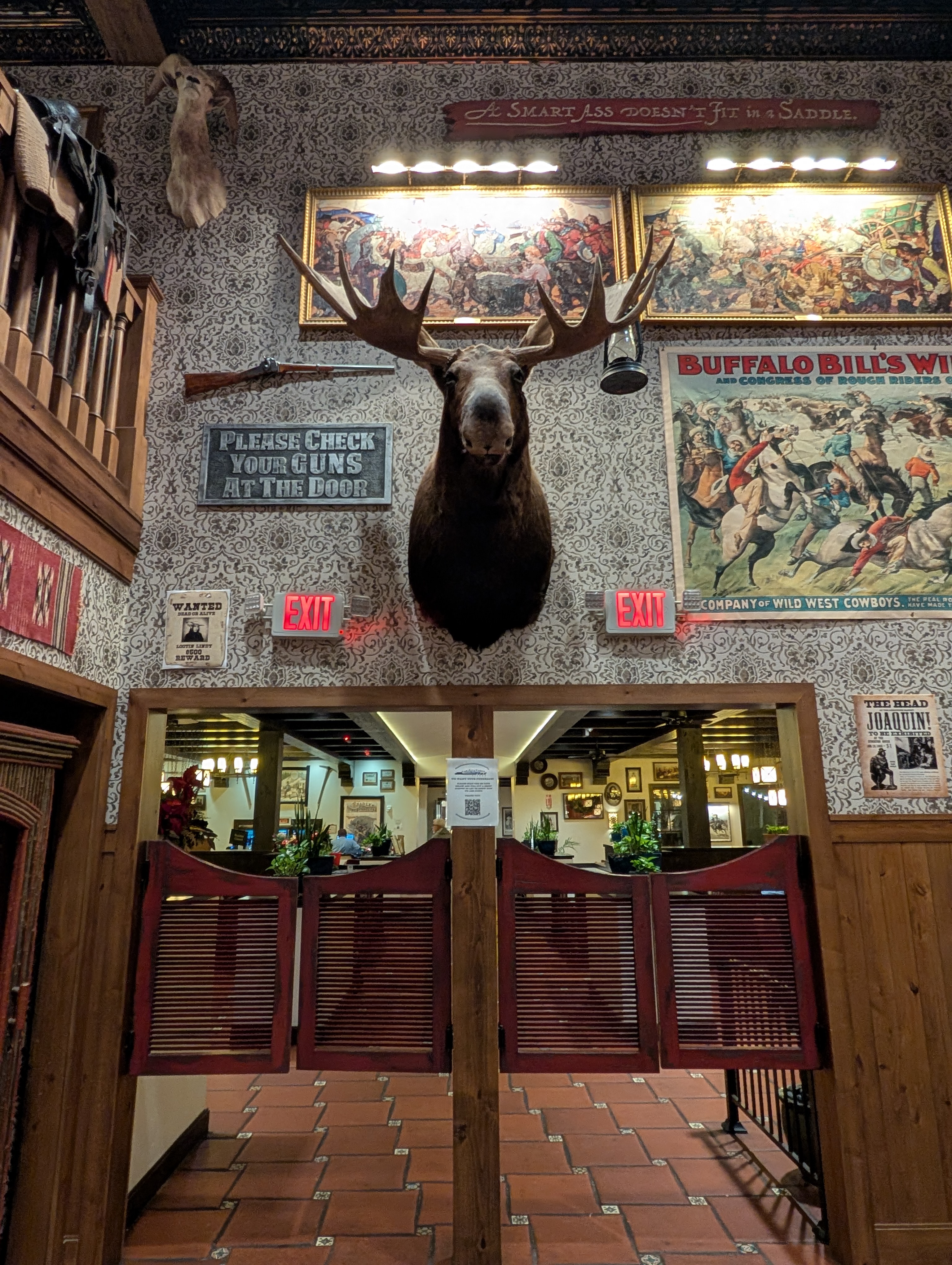
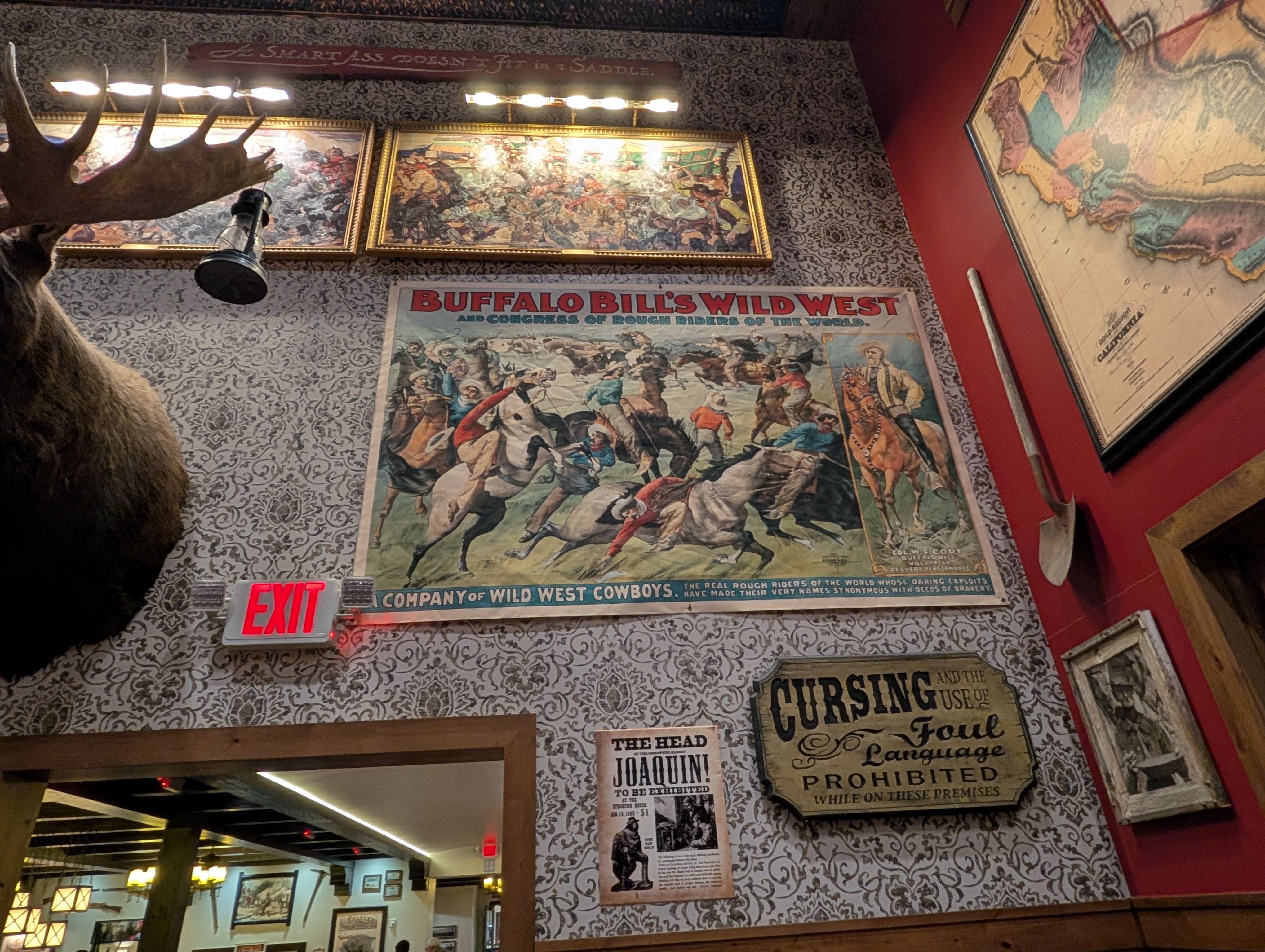
We made our way out to Pioneertown, which feels like stepping onto an old movie set—and in many ways, it is. Built in the 1940s as a live-in Old West film set, actors would film during the day and stay there at night, blending Hollywood with frontier life. It’s now home to one of the most iconic desert spots, Pappy & Harriet’s, where we stopped for a meal. Equal parts restaurant and music venue, it carries that same rugged, lived-in charm as the town itself. And then there was Sam. All over town, we kept seeing flyers: Vote for Sam for Mayor. Naturally, we were curious. Sam, it turns out, is a goat. So of course… we voted for him.
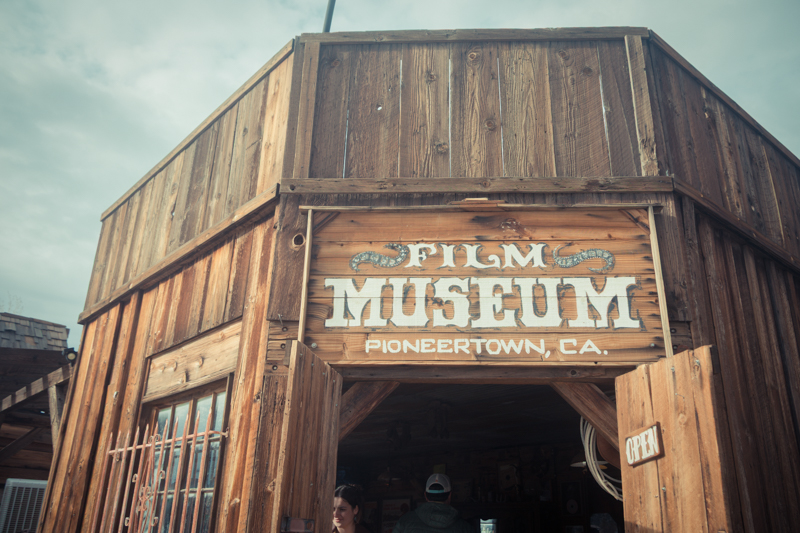
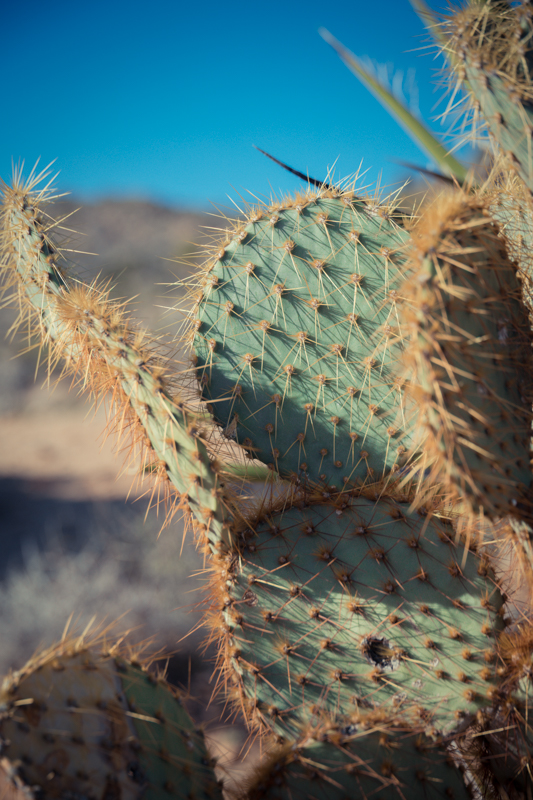
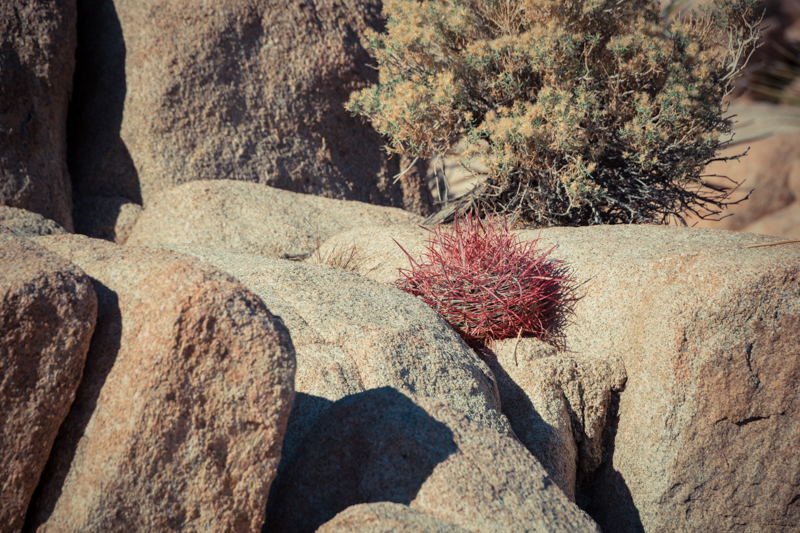
Because that’s Joshua Tree. A little unexpected. A little eccentric. Completely itself. In the end, Joshua Tree gave us something different than Death Valley. Less quiet, more character. Less isolation, more expression. It’s a place where the desert leans into its quirks, where the landscape invites you to play, and where even a simple moment… watching the light hit a cactus or sitting by a fire under the stars… feels like enough.
Until next time,
by Missie Hills | Mar 21, 2026 | North America
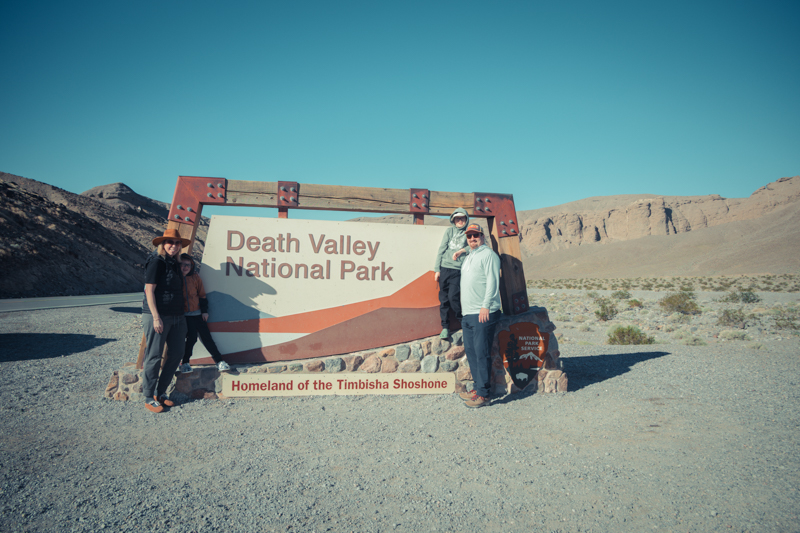
This past Christmas, we made a decision that felt a little unconventional… and completely right. Instead of gifts, we gave each other an experience: A journey into one of the most extreme and beautiful places in the world—Death Valley.
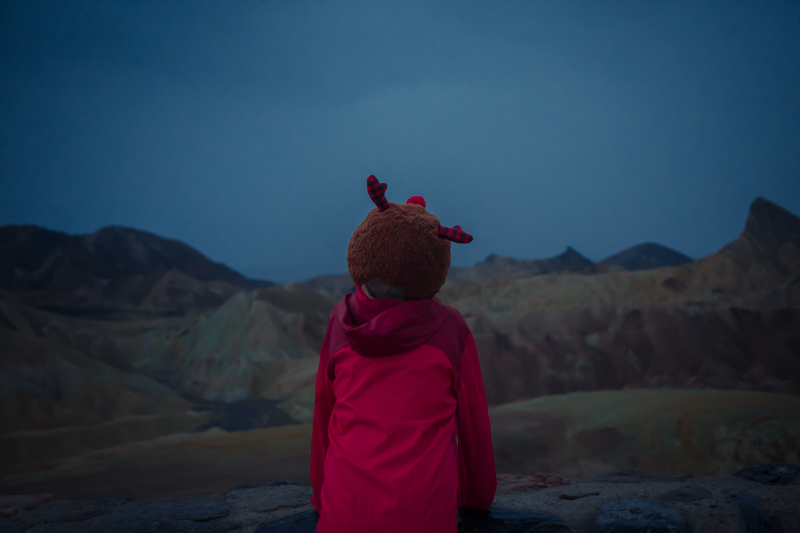
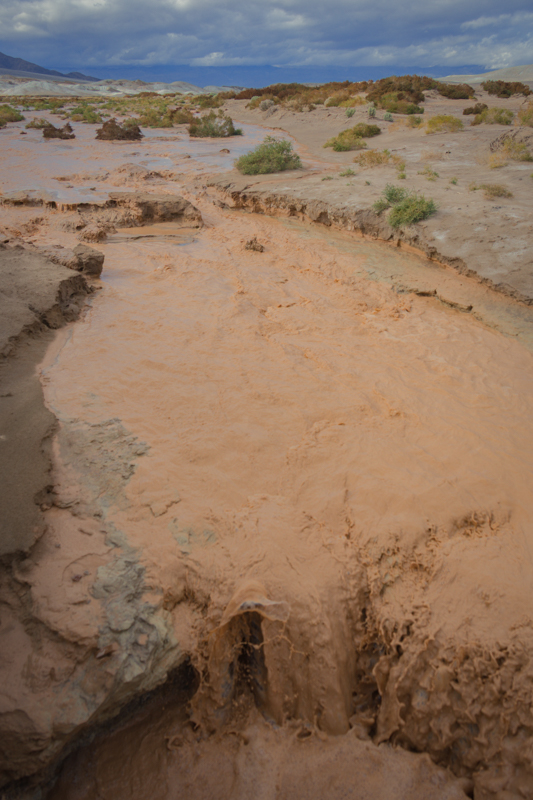
And from the very start, it reminded us that the best plans are often the ones you don’t fully control. We arrived on Christmas Eve just as a rare storm rolled into the valley. Death Valley, the driest national park in North America, was suddenly touched by rain… a once-in-a-lifetime kind of moment. While it shifted some of our plans, it gave us something even better: a completely different version of the desert than most ever get to see.
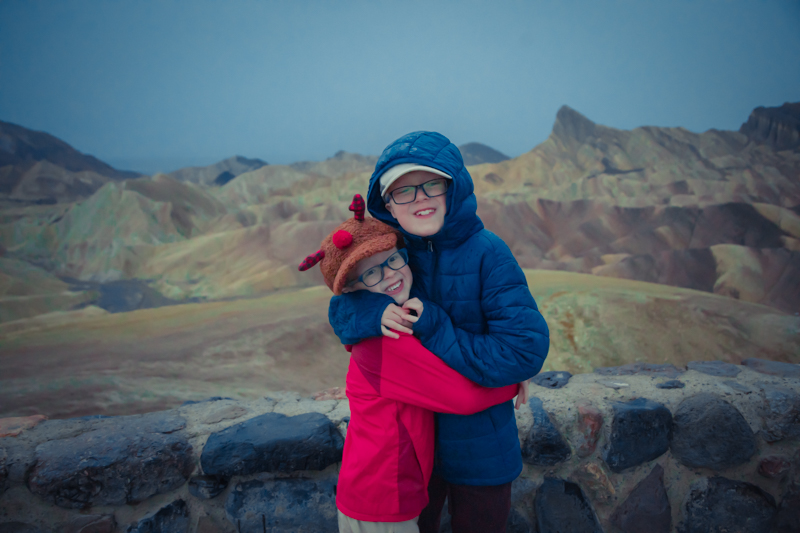
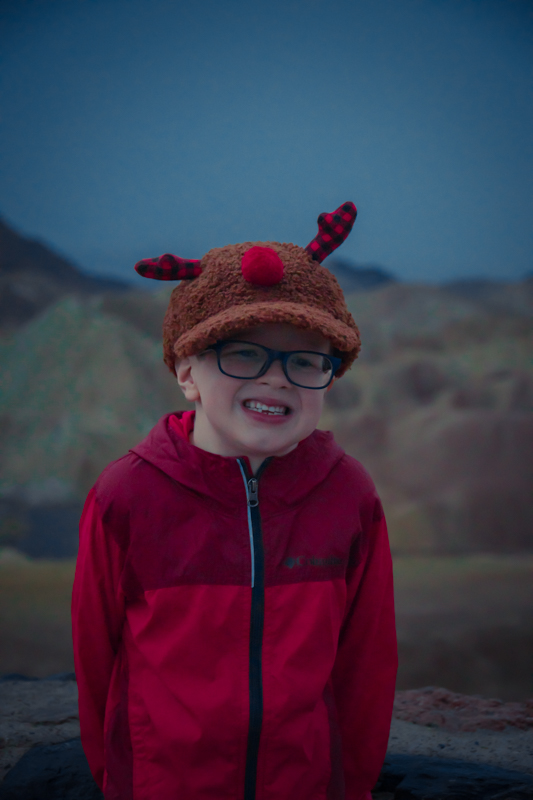
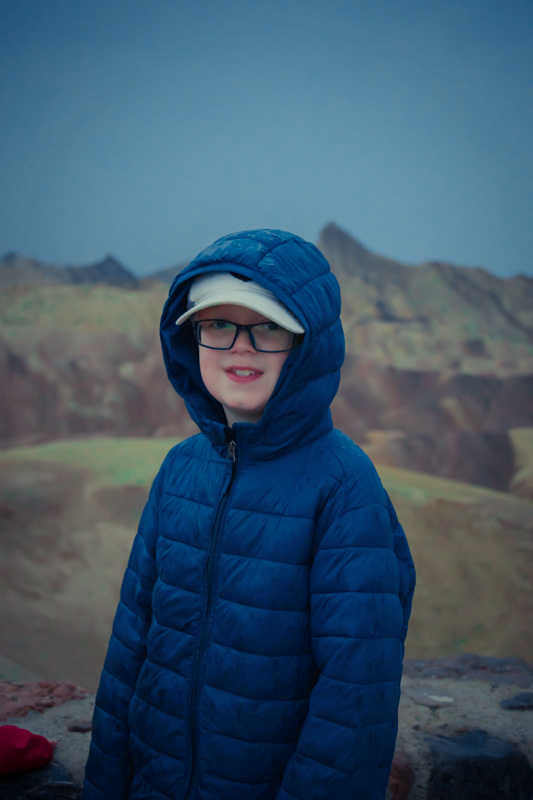
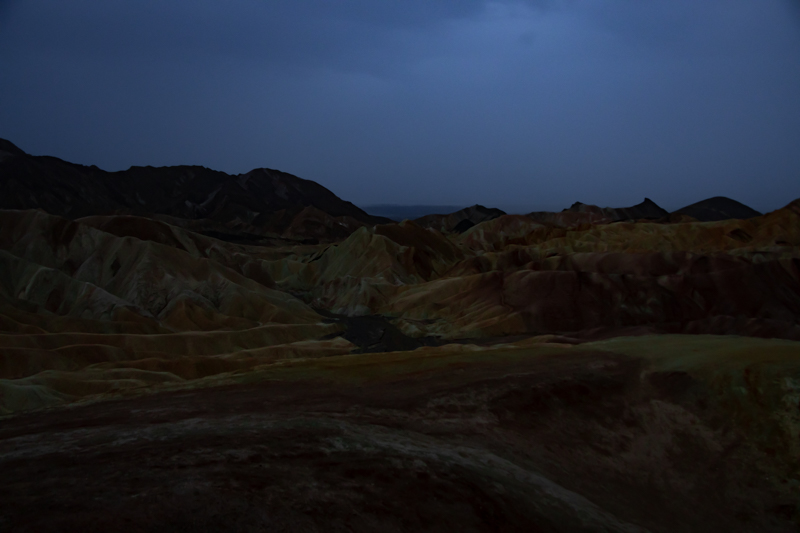
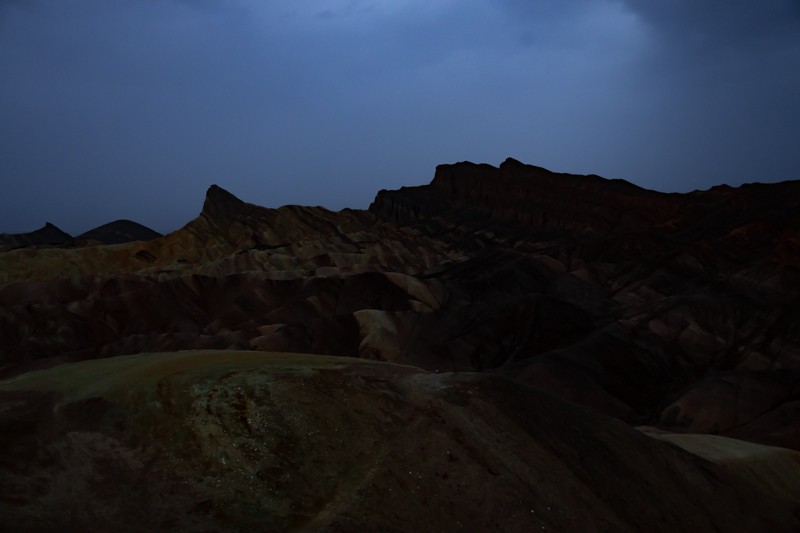
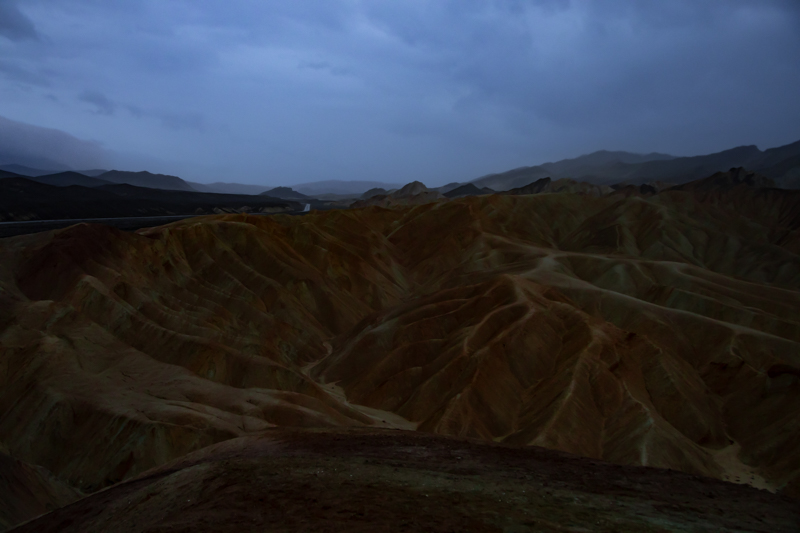
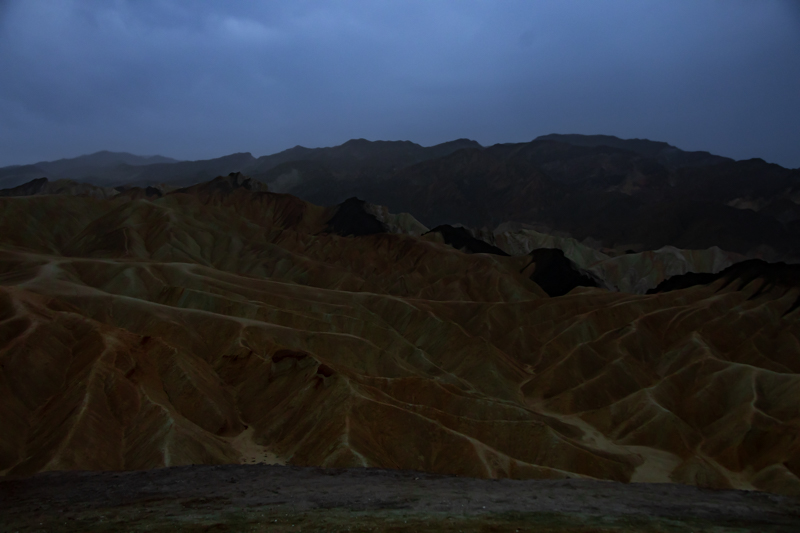
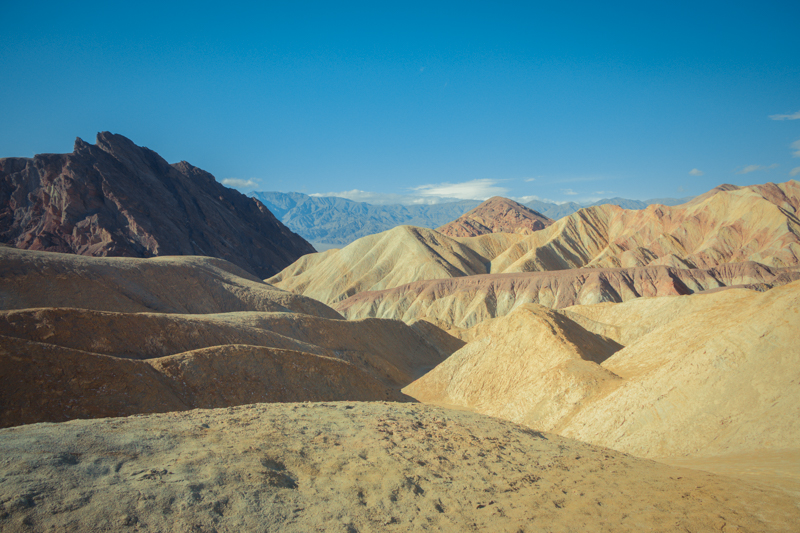
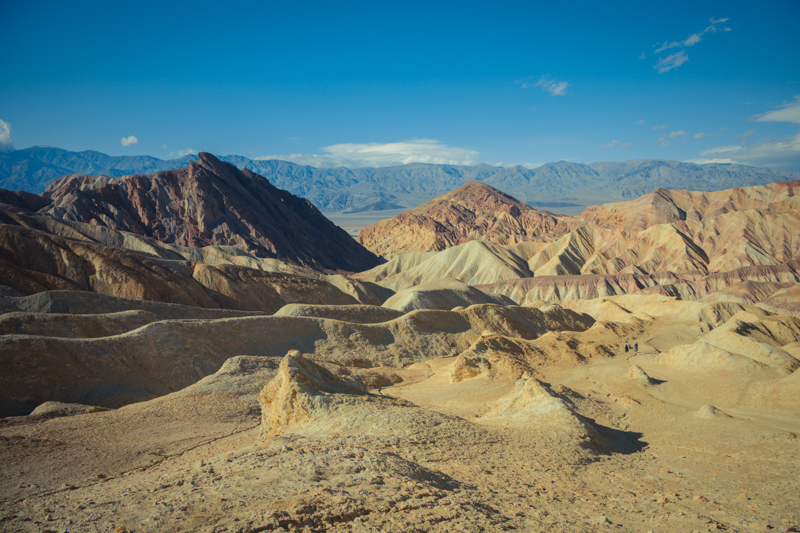
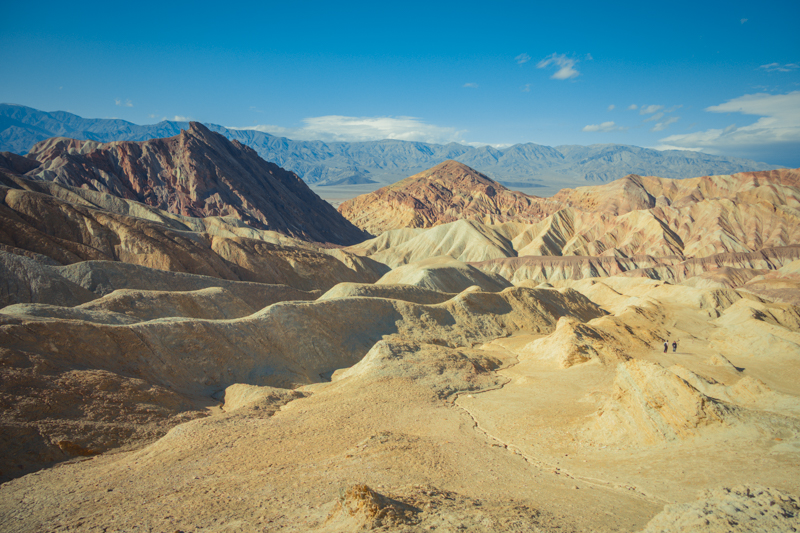
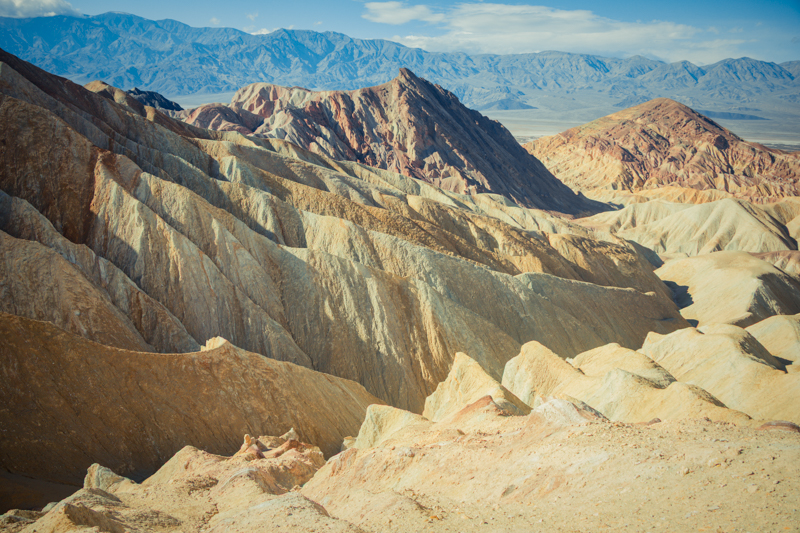
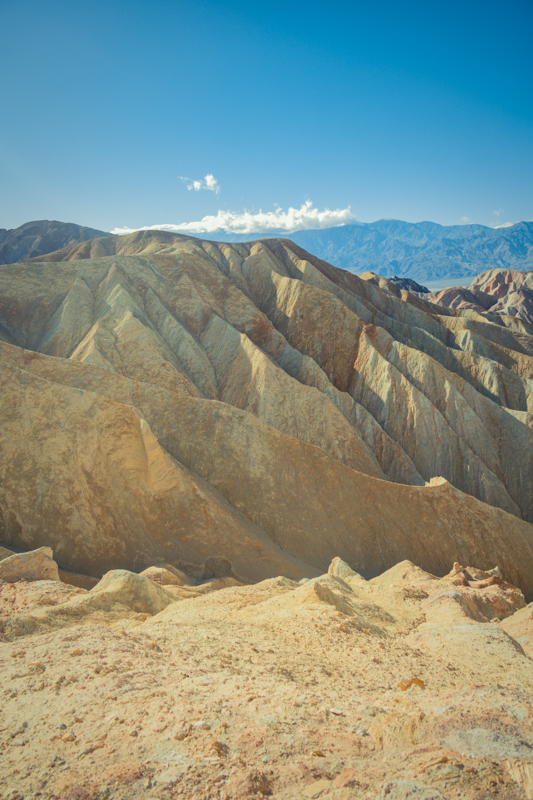
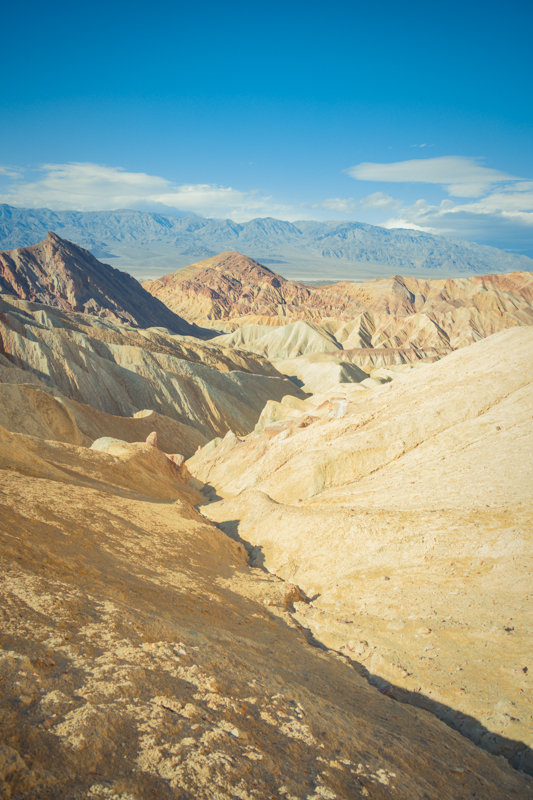
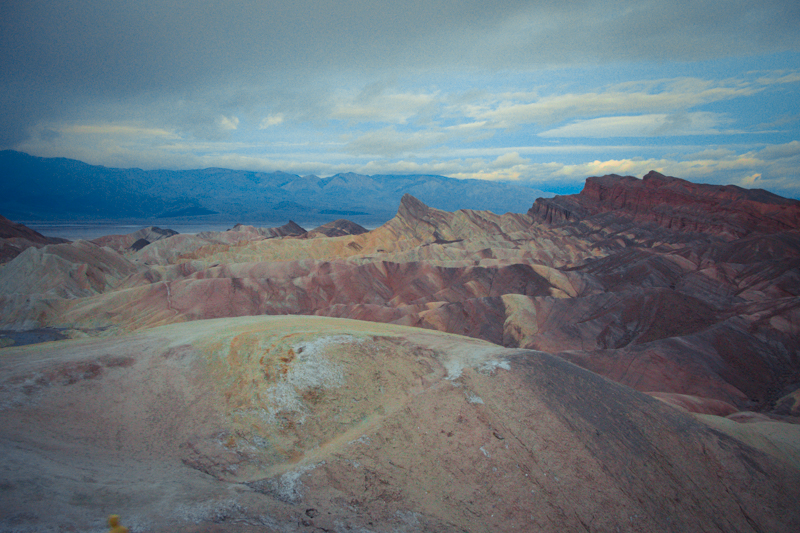
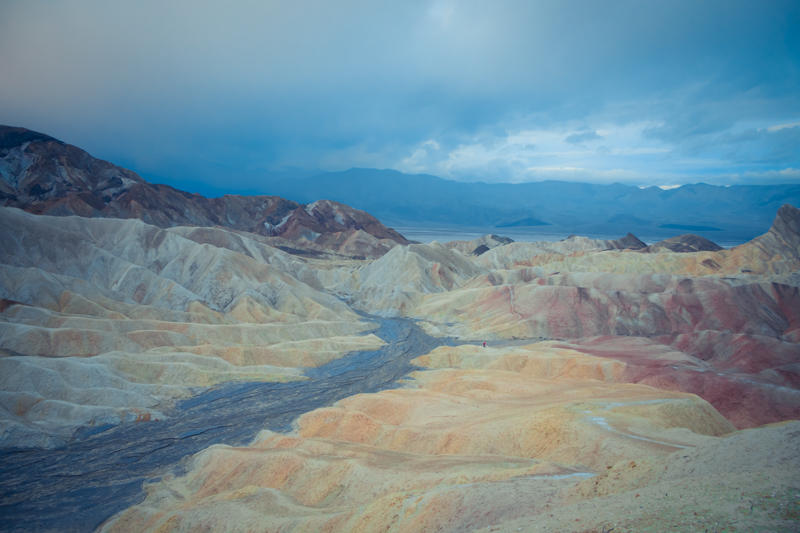
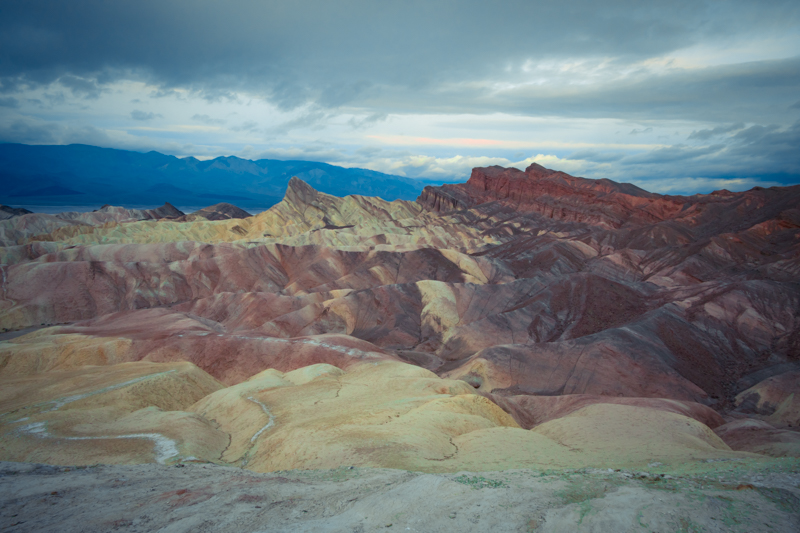
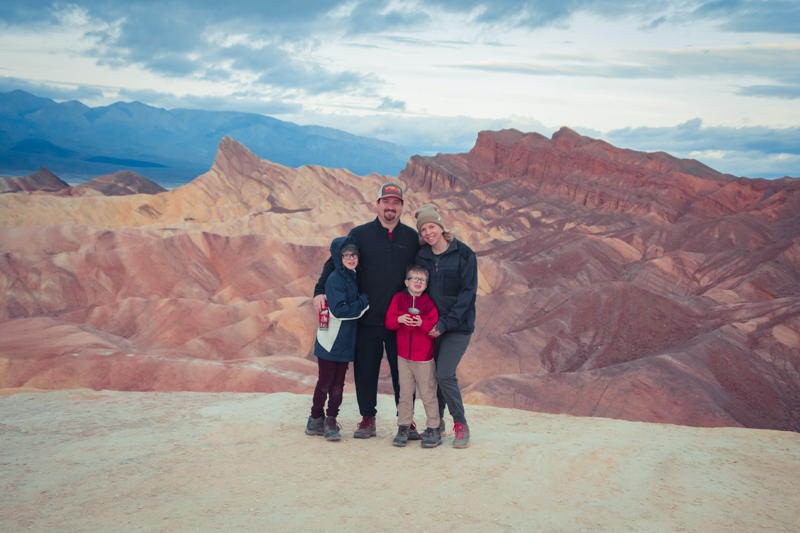
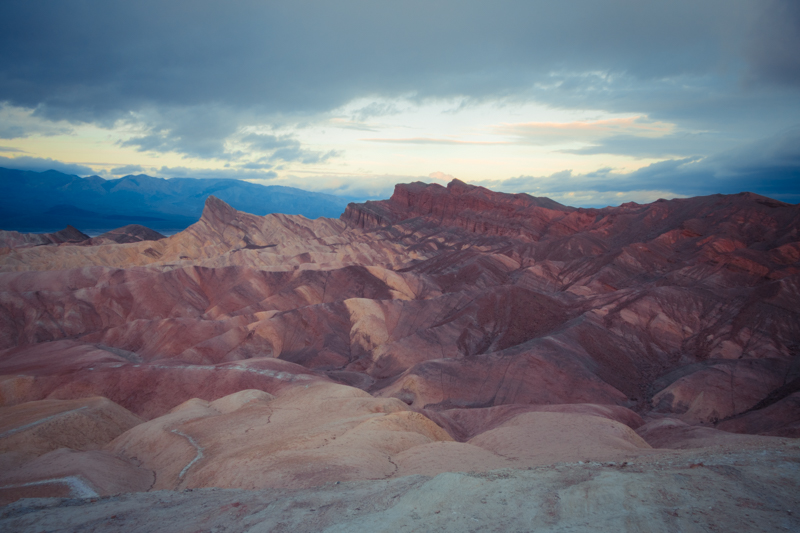
We started the morning at sunrise at Zabriskie Point. The clouds hung low, softening the dramatic ridgelines we had imagined, but there was something peaceful about it. A quiet start. A reminder that this trip wasn’t about perfect conditions. It was about being there.
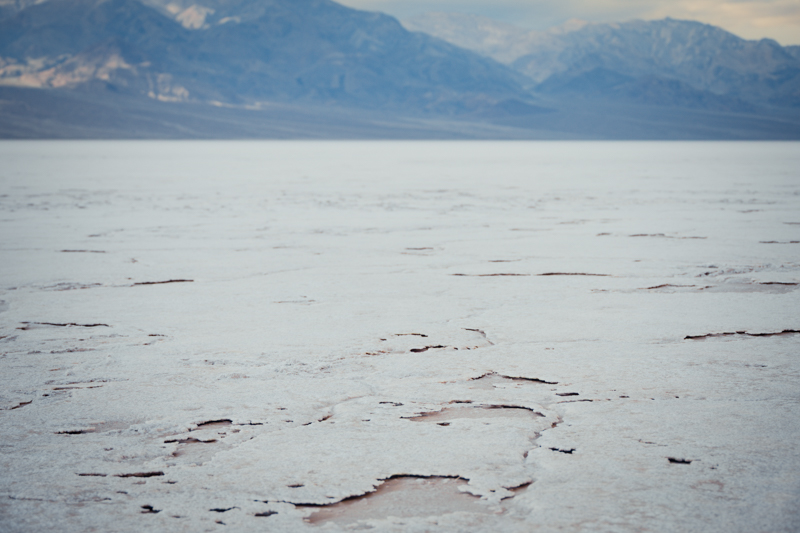
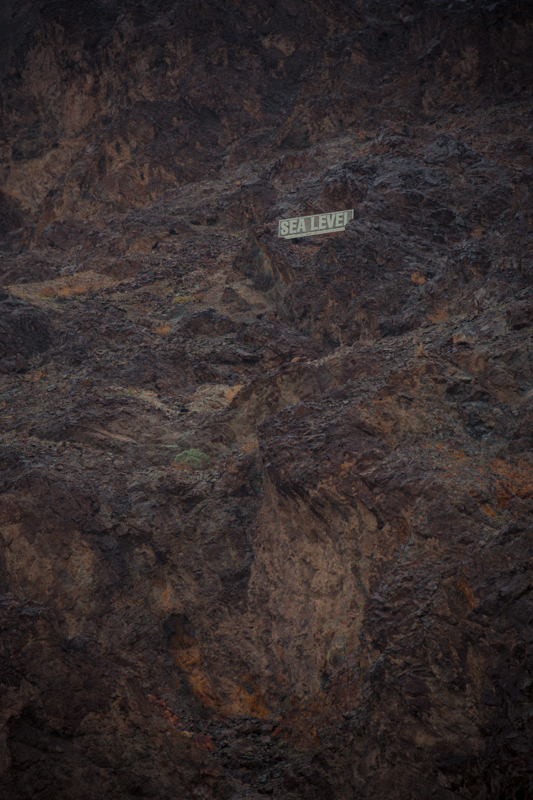
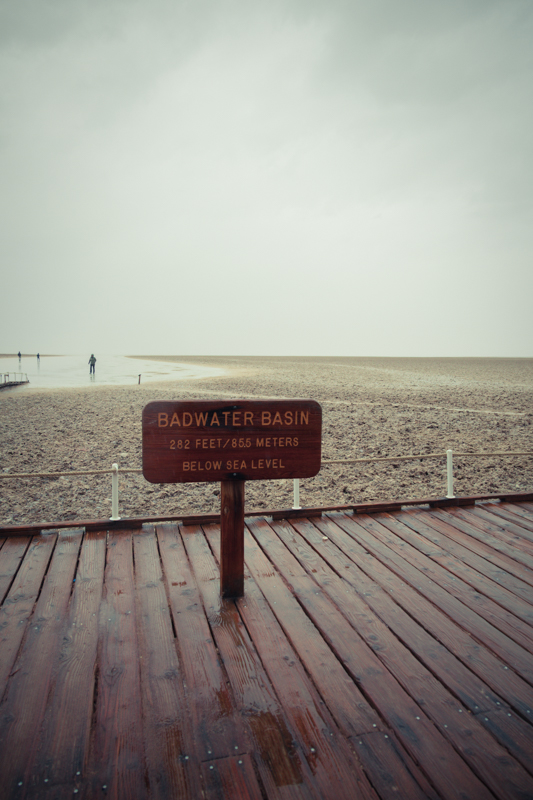
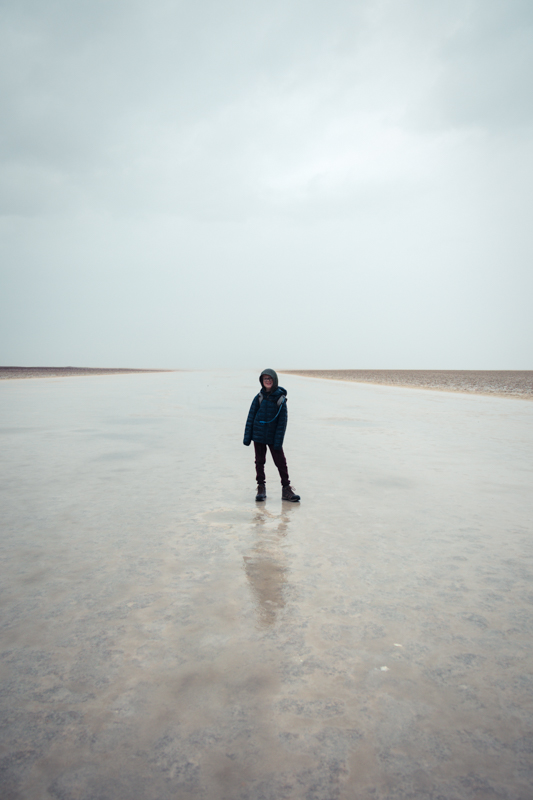
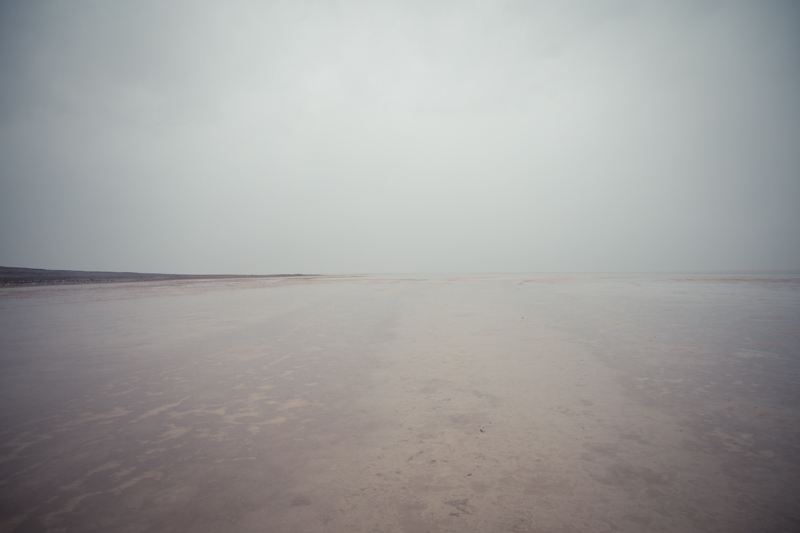
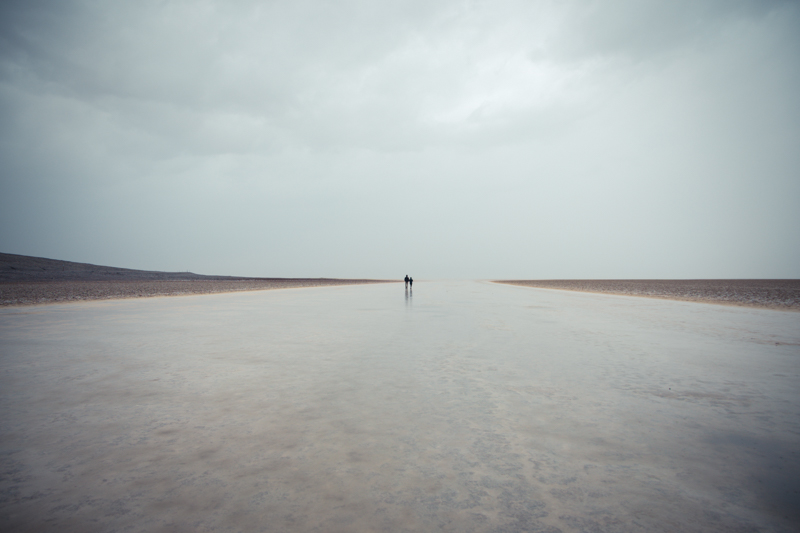
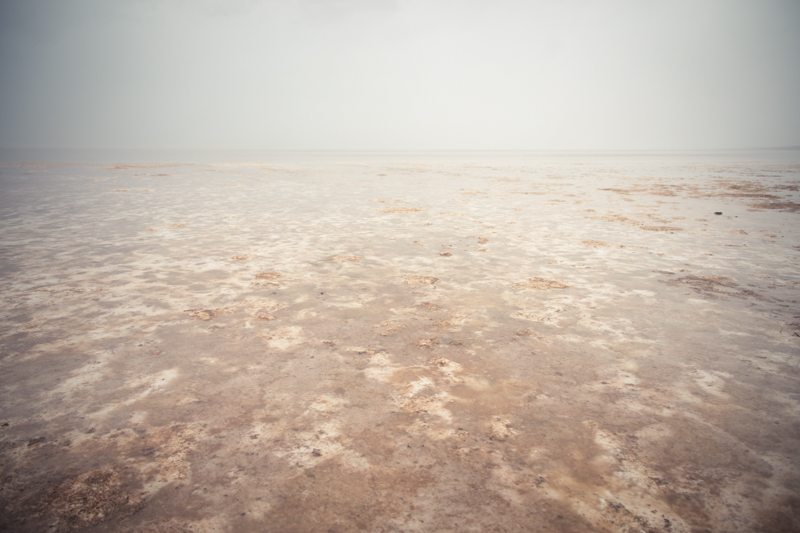
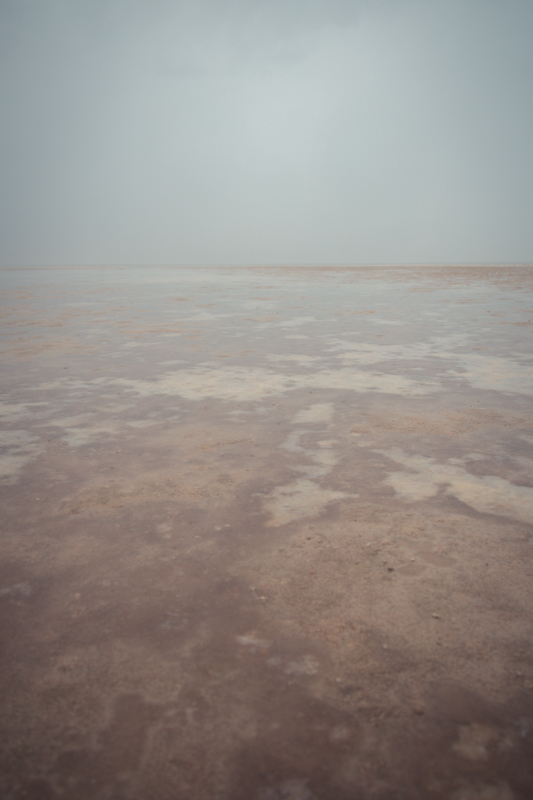
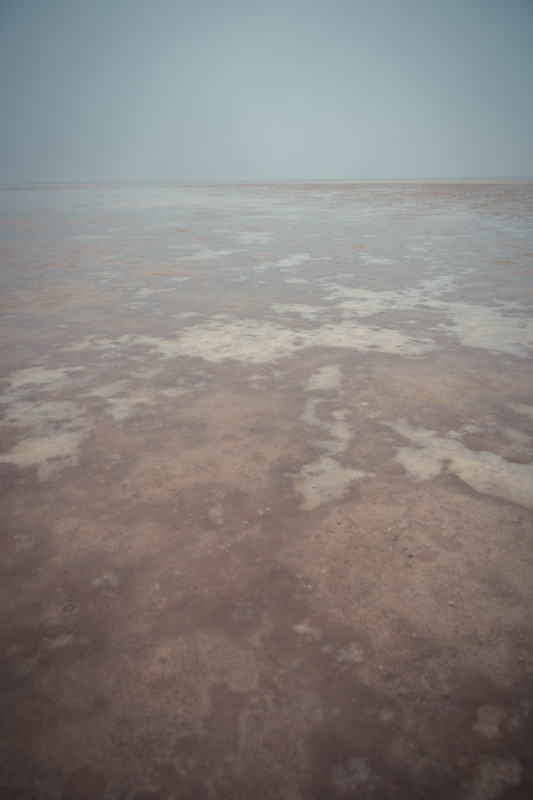
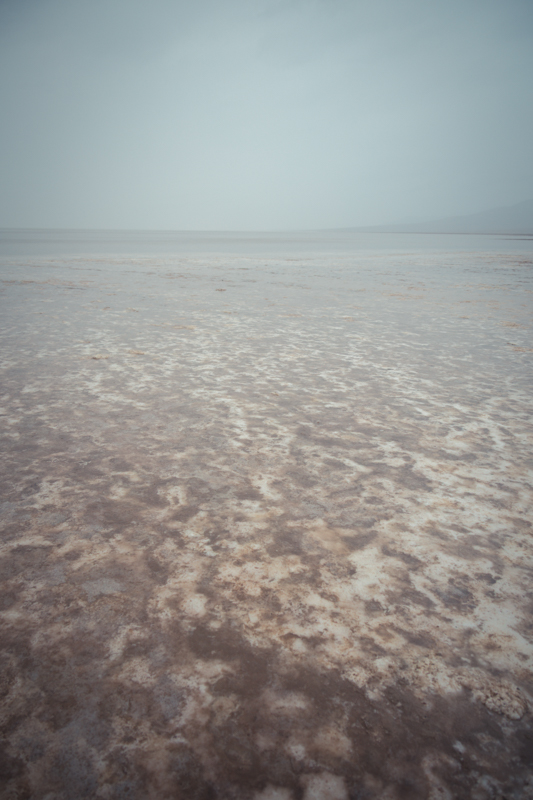
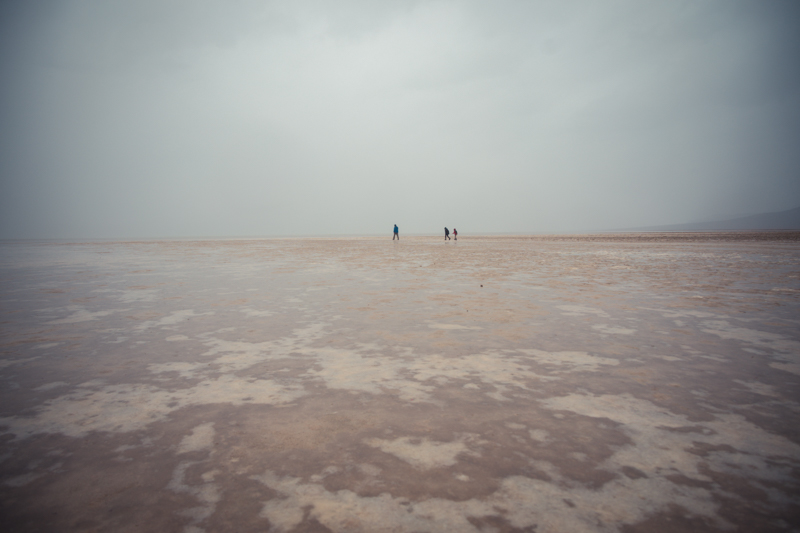
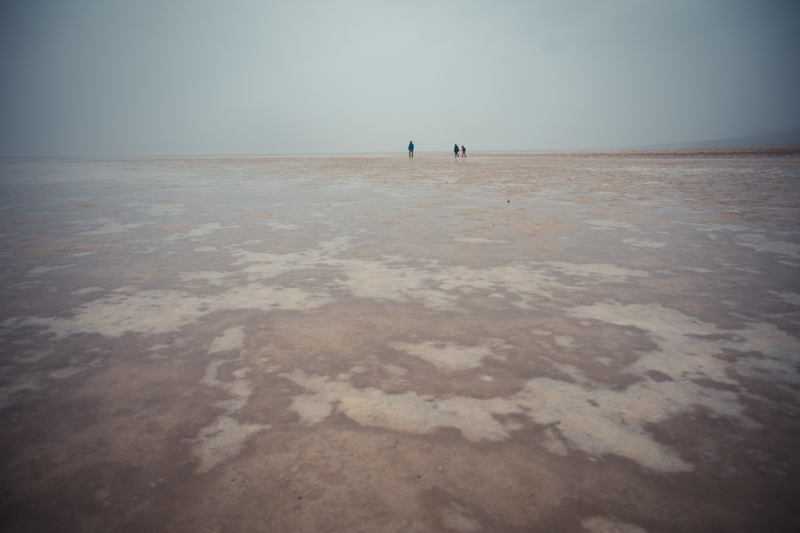
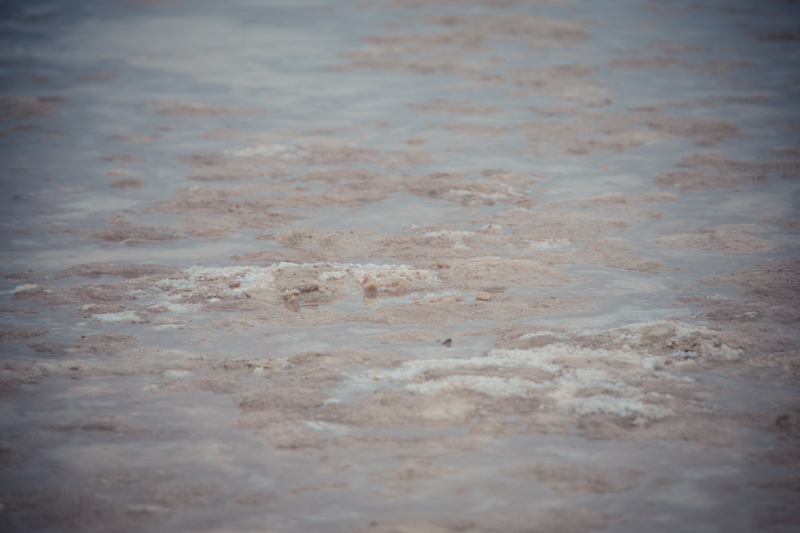
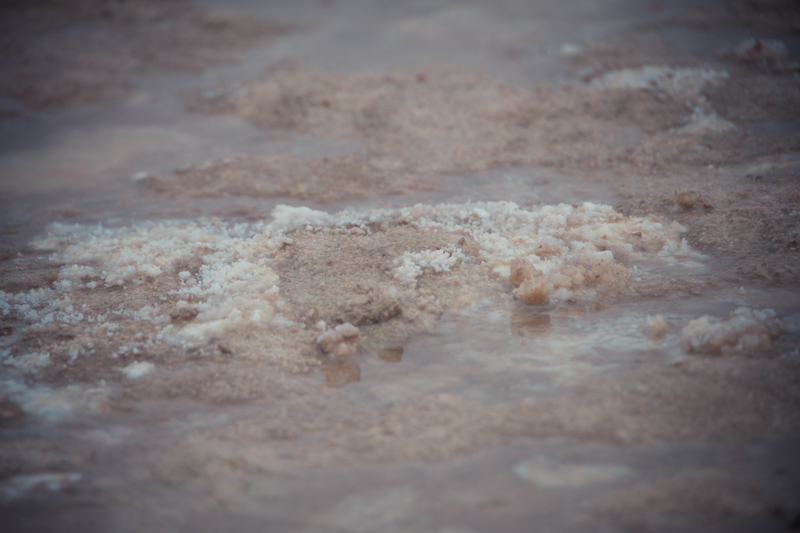
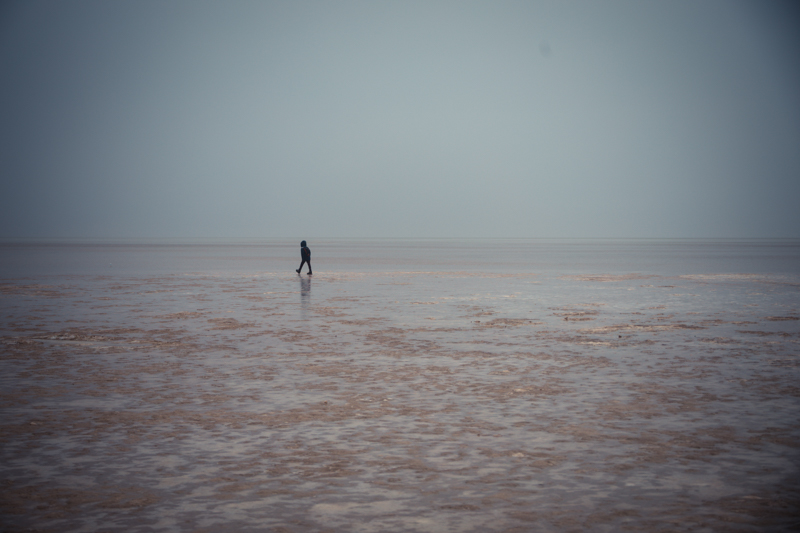
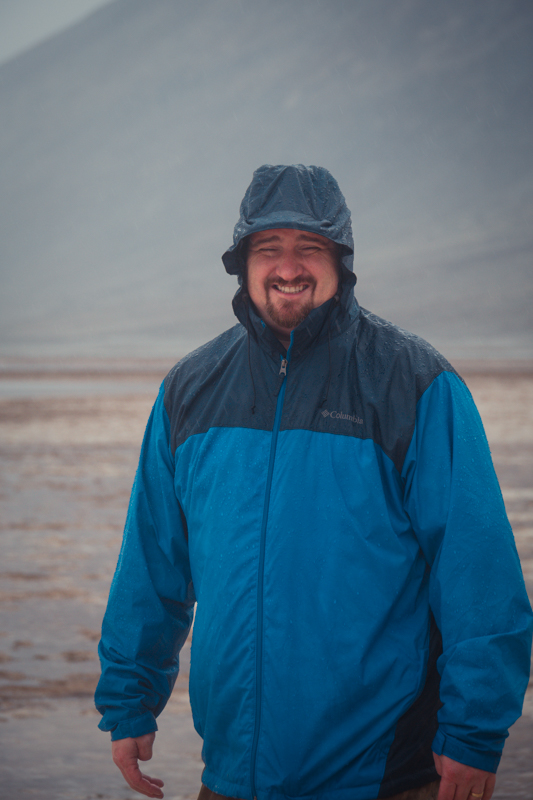
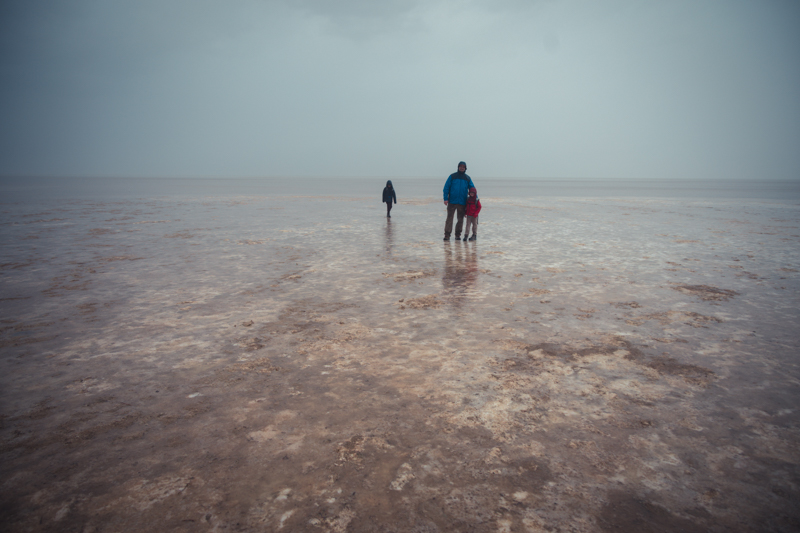
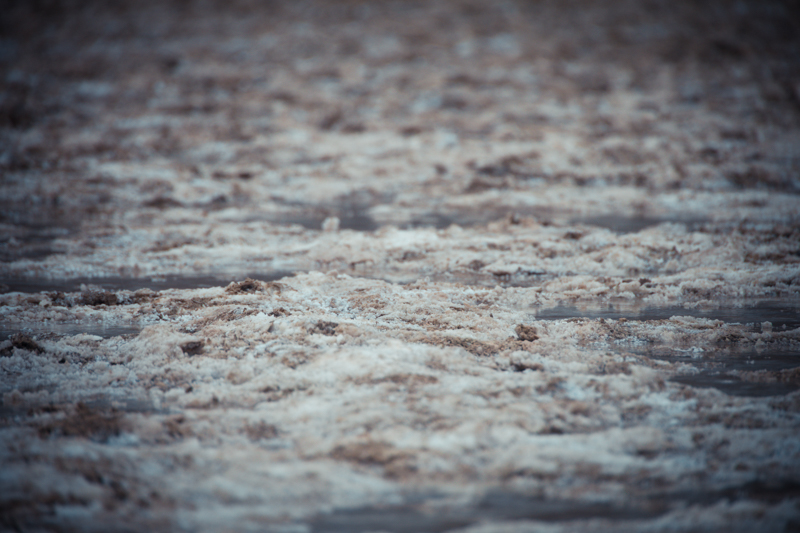
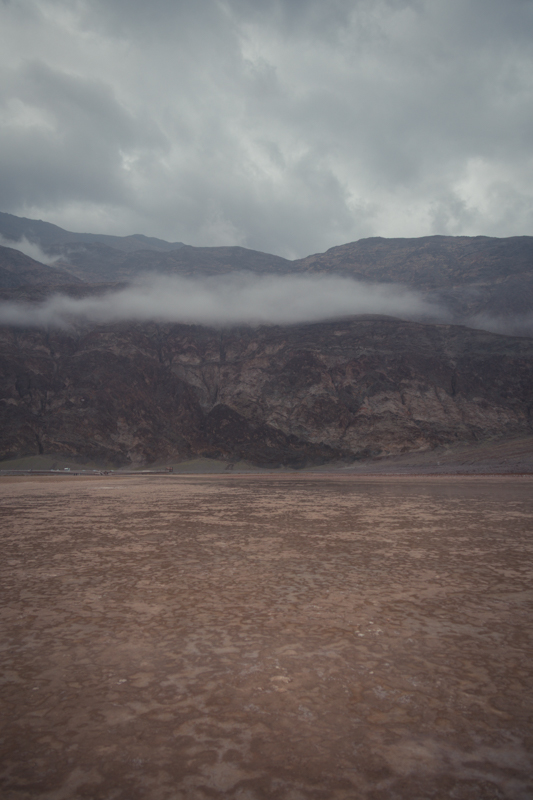
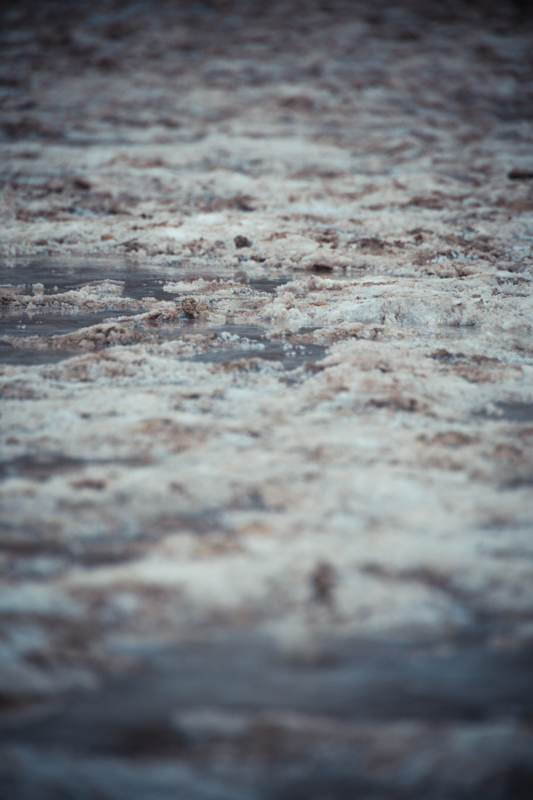
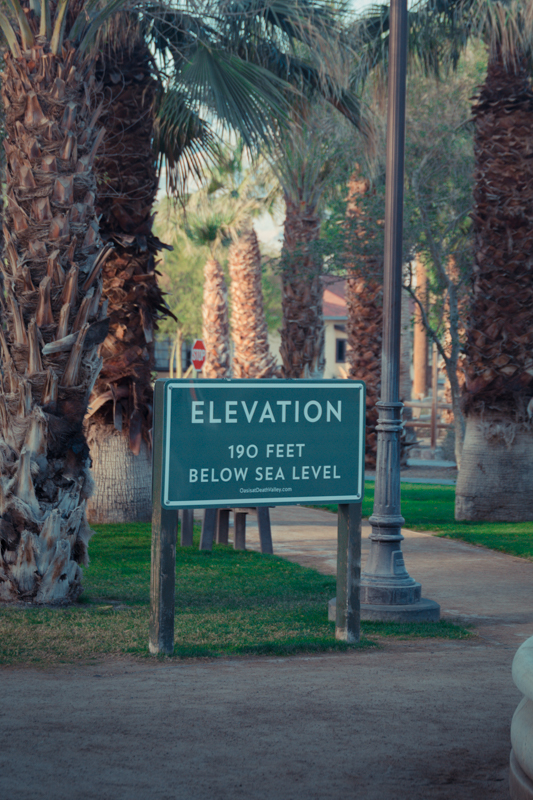
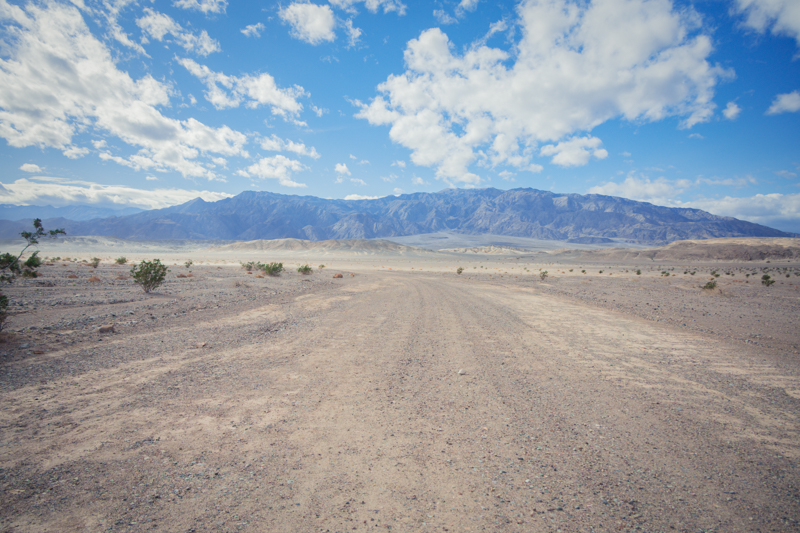
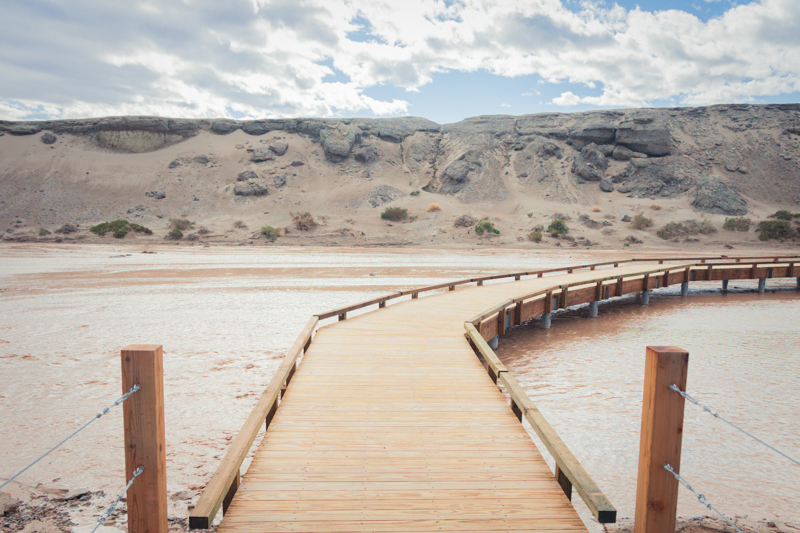
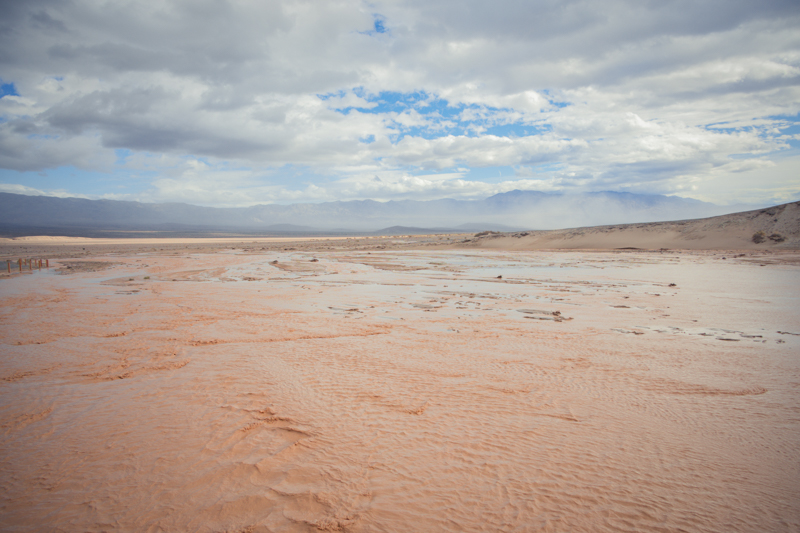
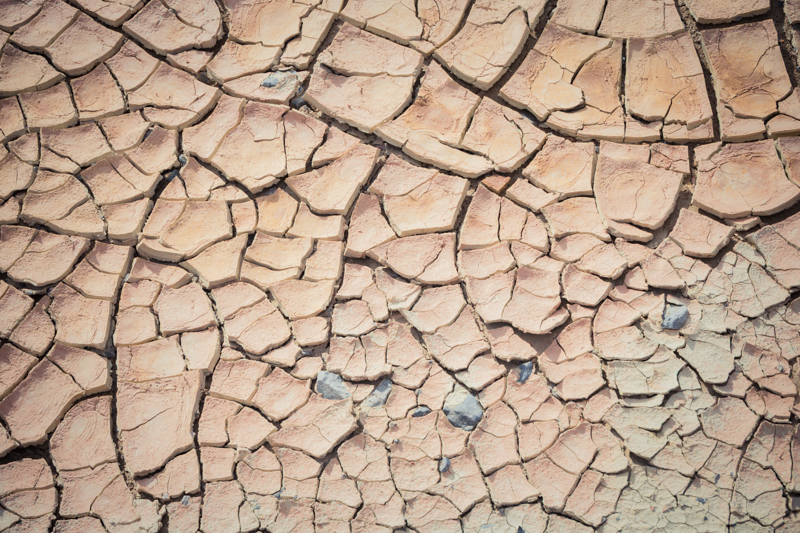
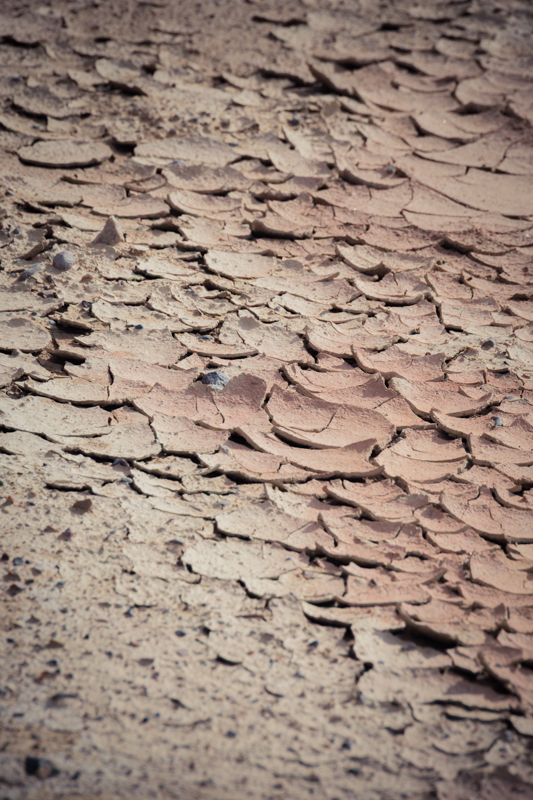
From there, we made our way to Badwater Basin, the lowest point in North America at 282 feet below sea level. Normally, it’s a vast expanse of cracked salt flats stretching endlessly in every direction. But this time, the rain had transformed it. A shallow, reflective lake had emerged across the basin, something that only happens after rare storms. It felt surreal, like the desert had briefly decided to become something else entirely.
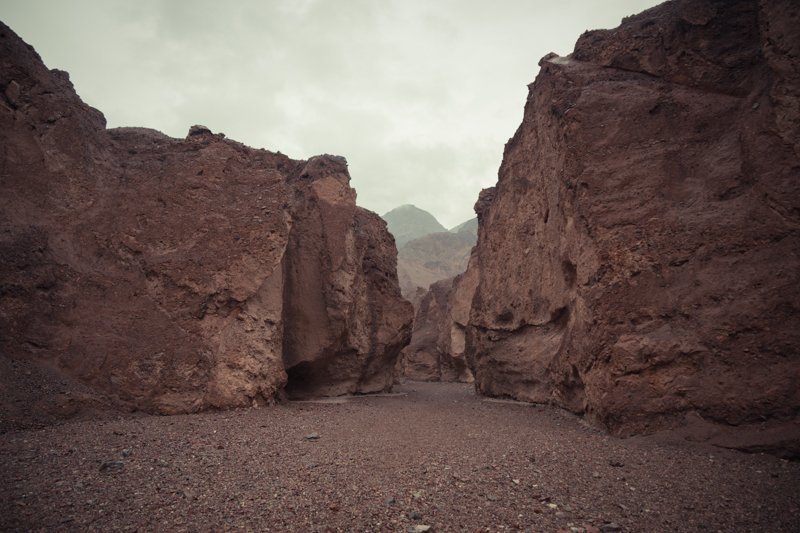
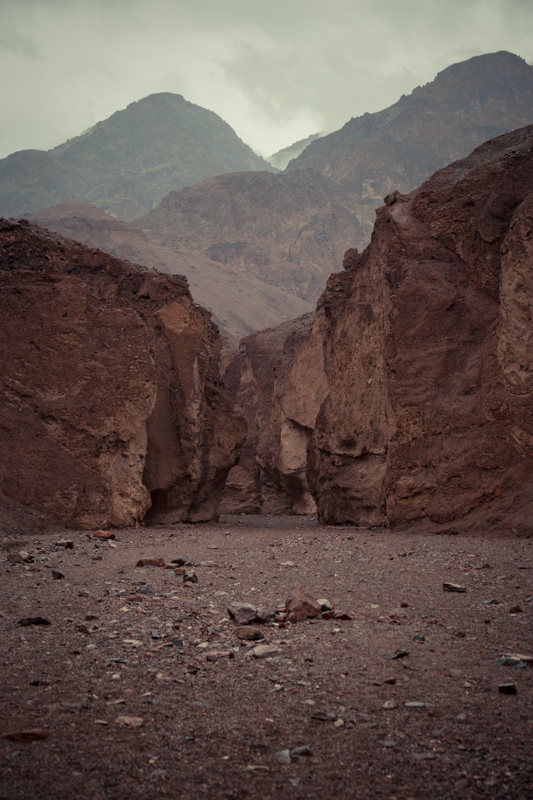
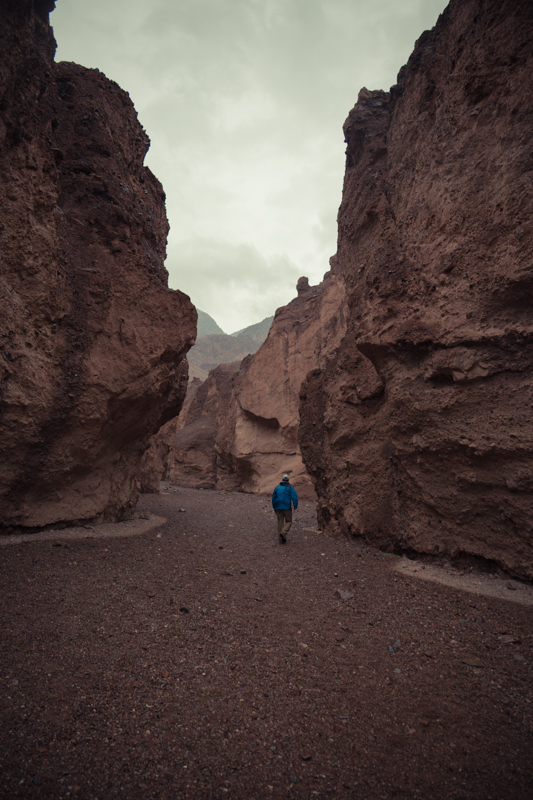
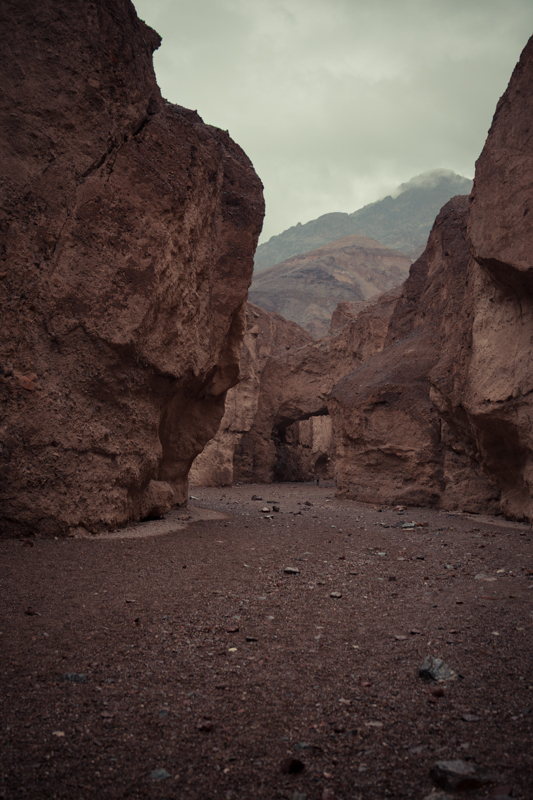
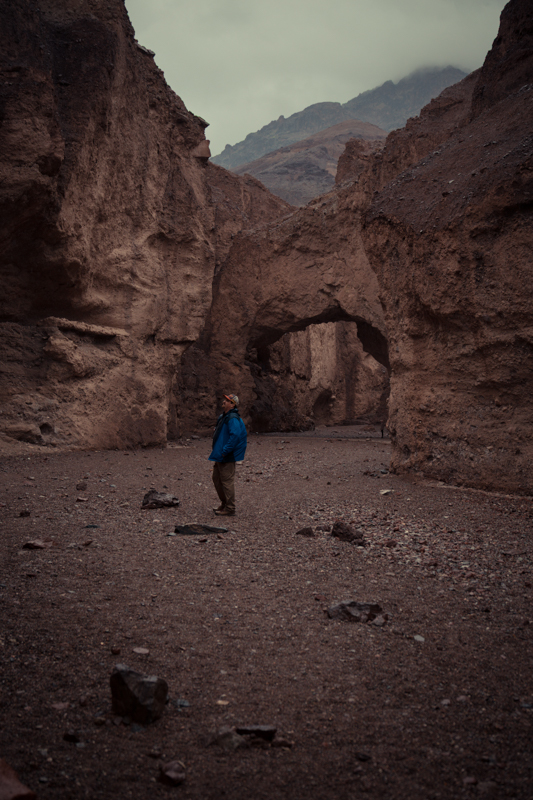
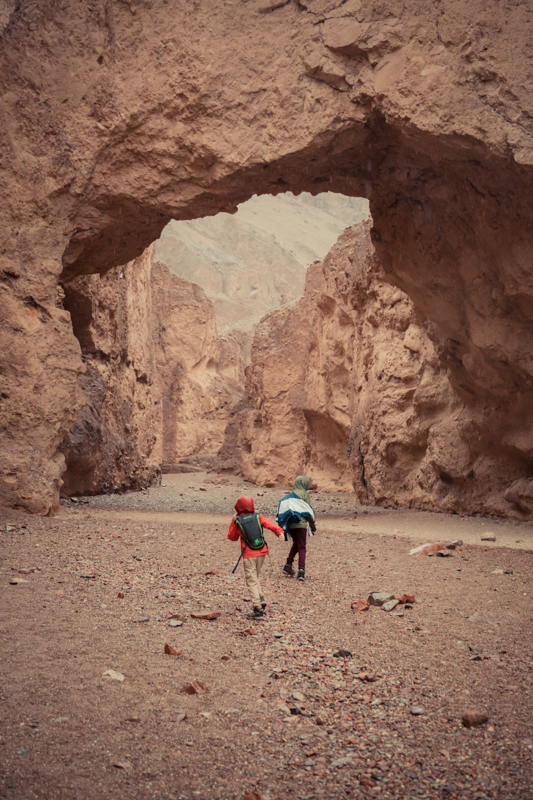
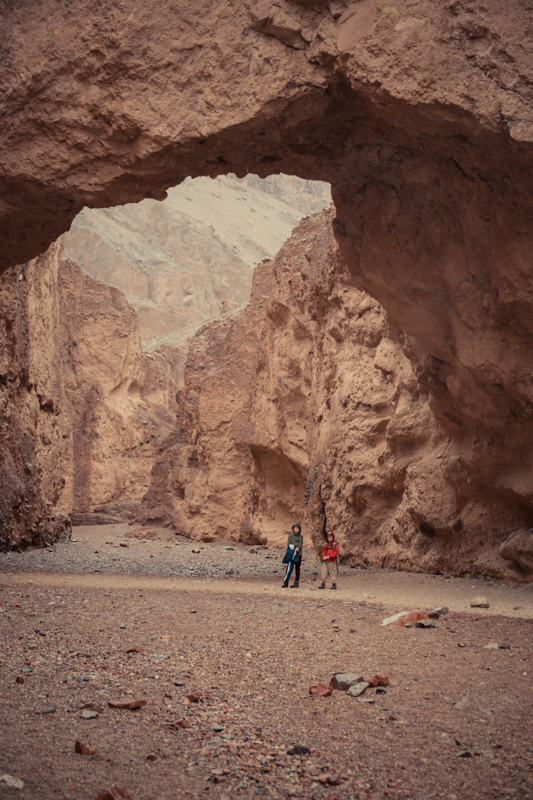
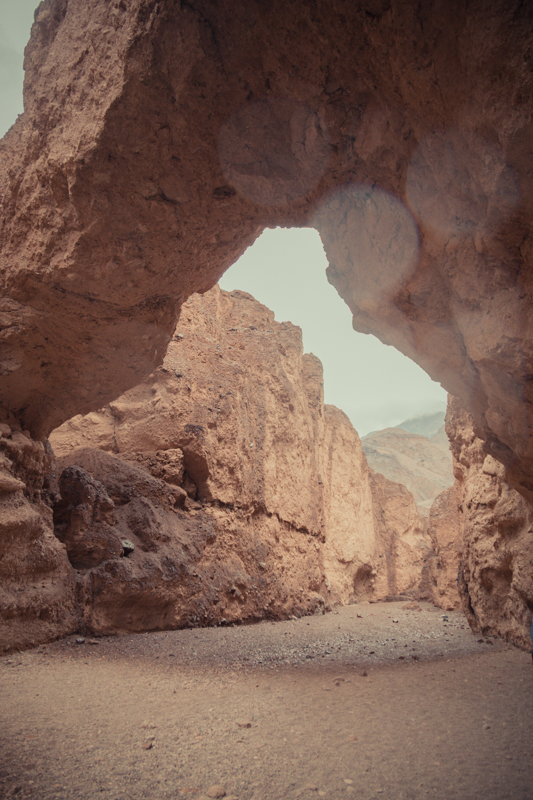
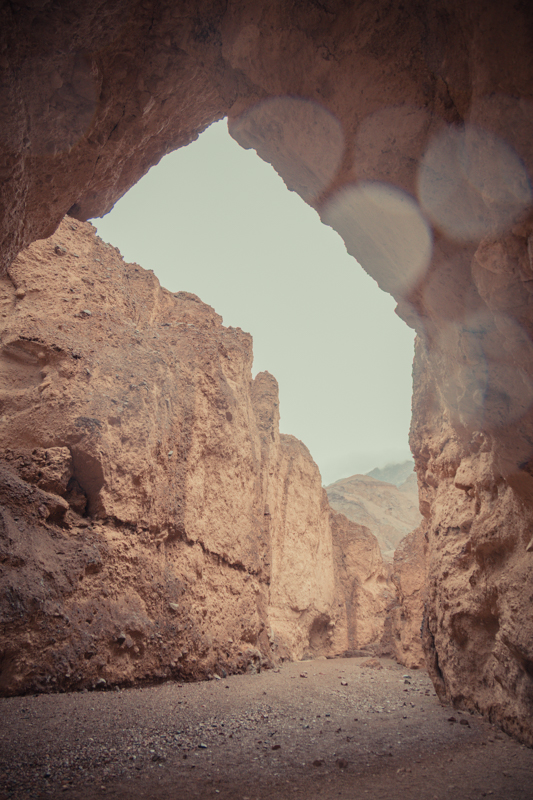
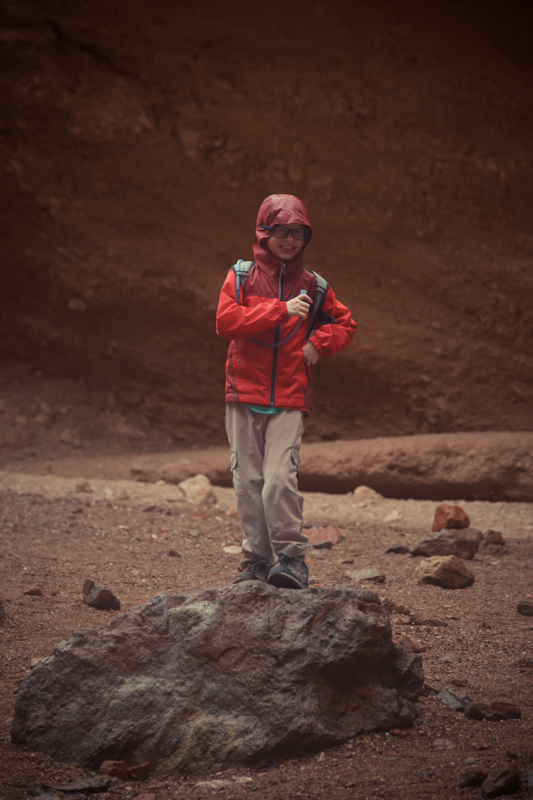
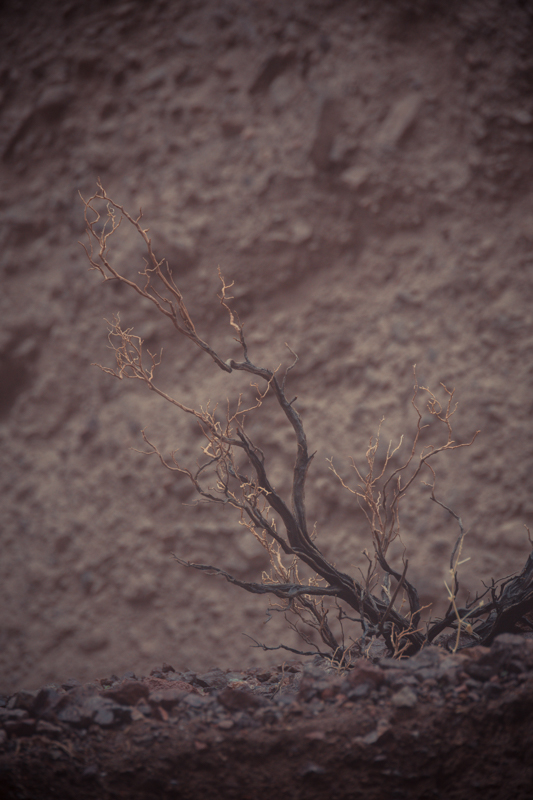
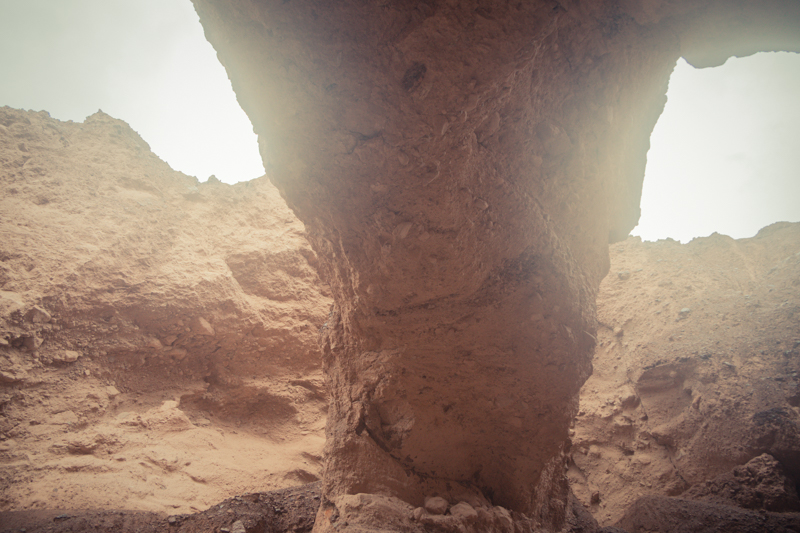
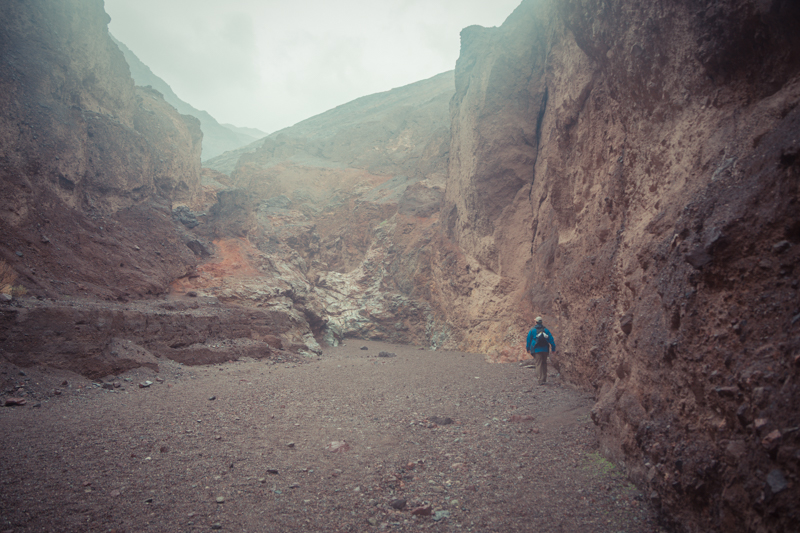
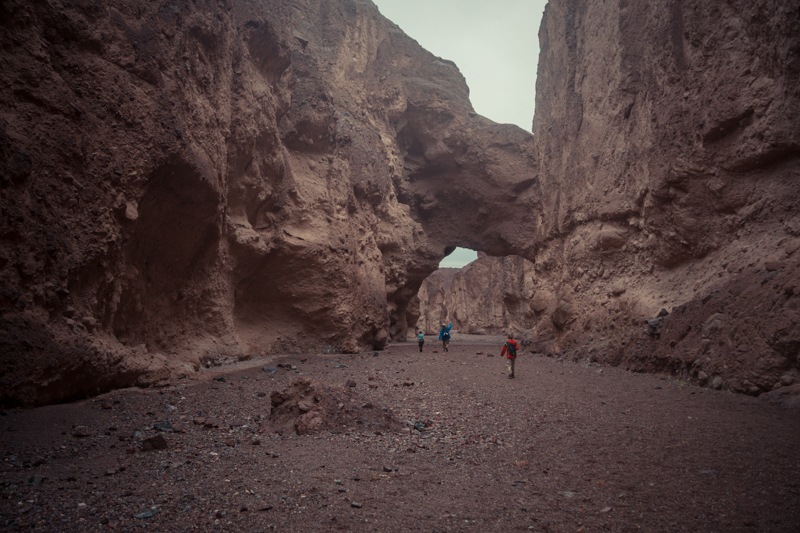
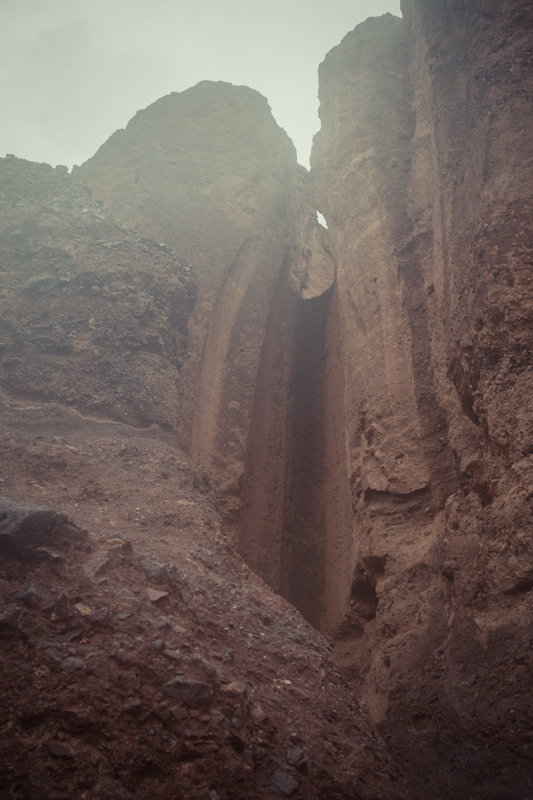
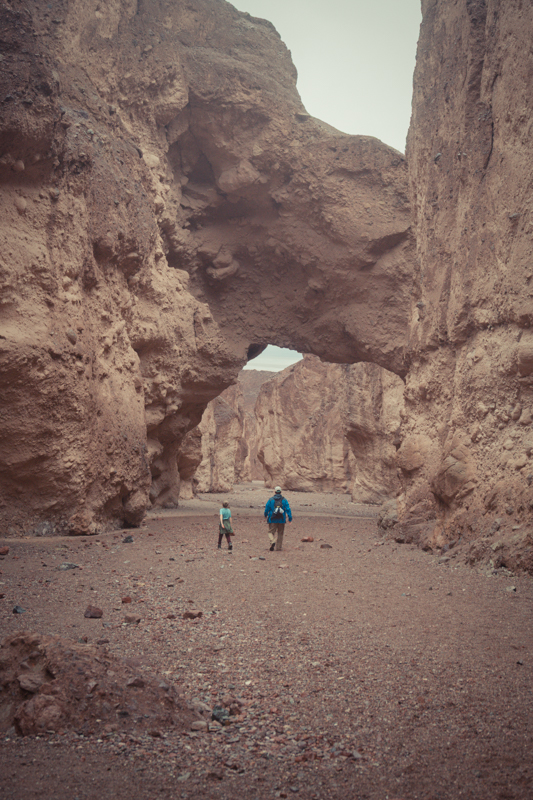
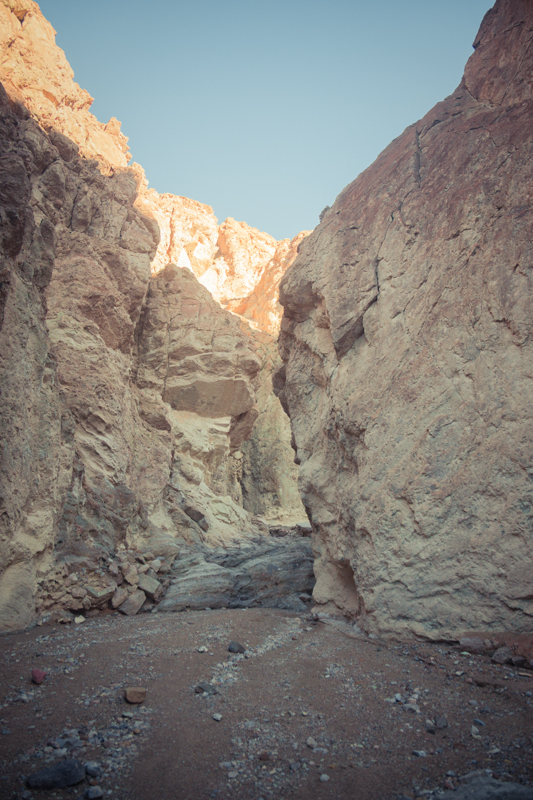
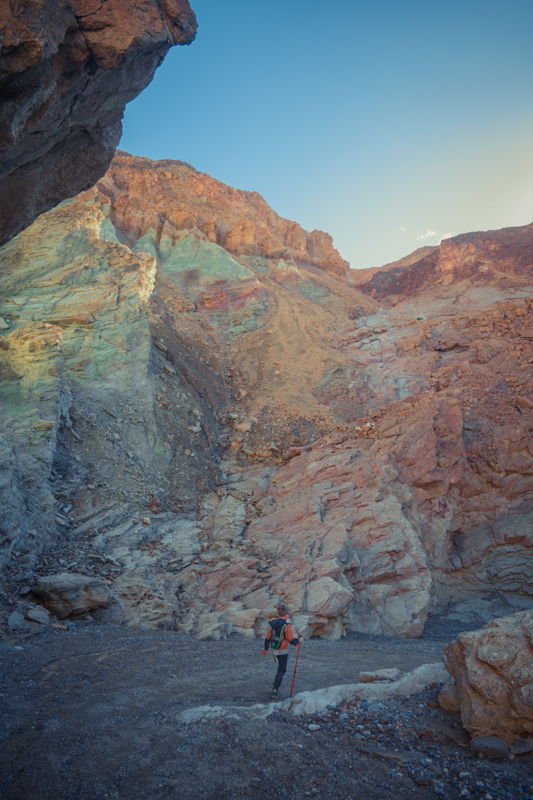
As the weather began to clear, we hiked out to Natural Bridge, a quiet canyon where centuries of flash floods have carved out smooth rock walls and a hidden arch. Death Valley is full of these contrasts—harsh yet delicate, barren yet full of stories shaped over time.
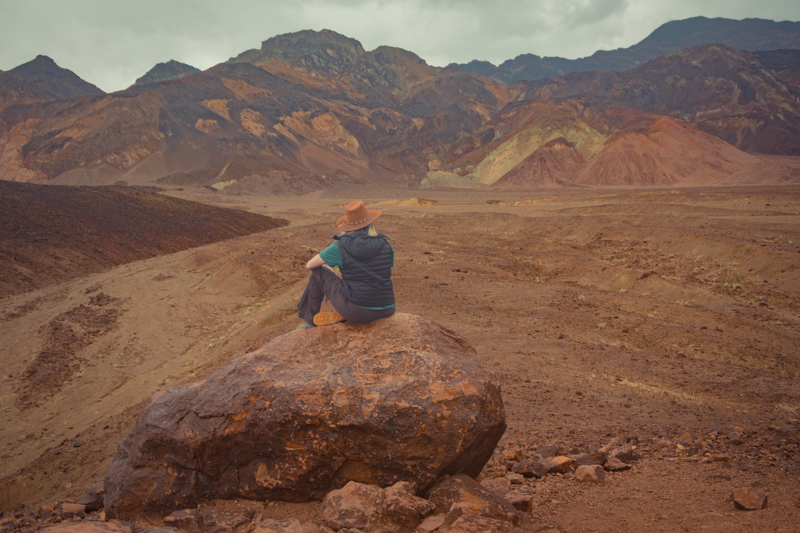
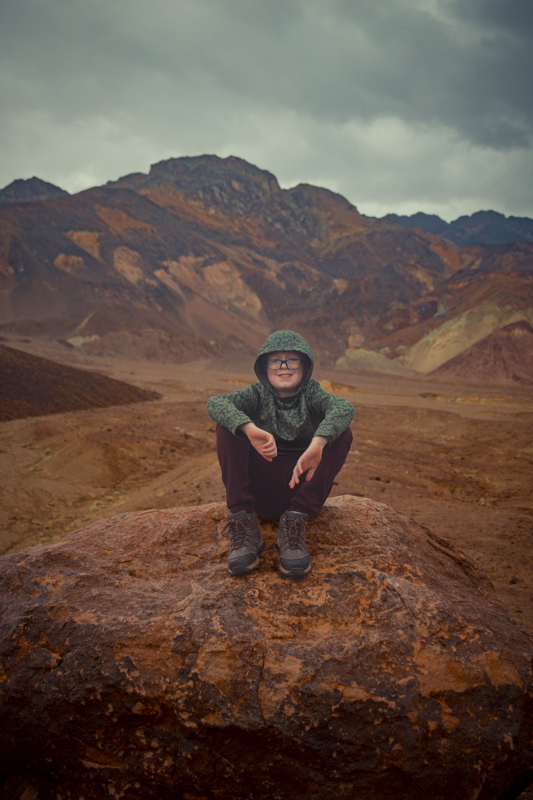
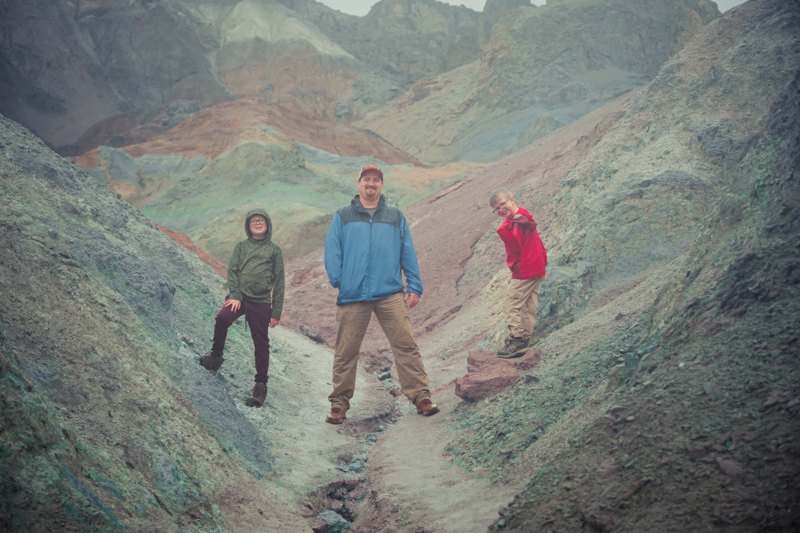
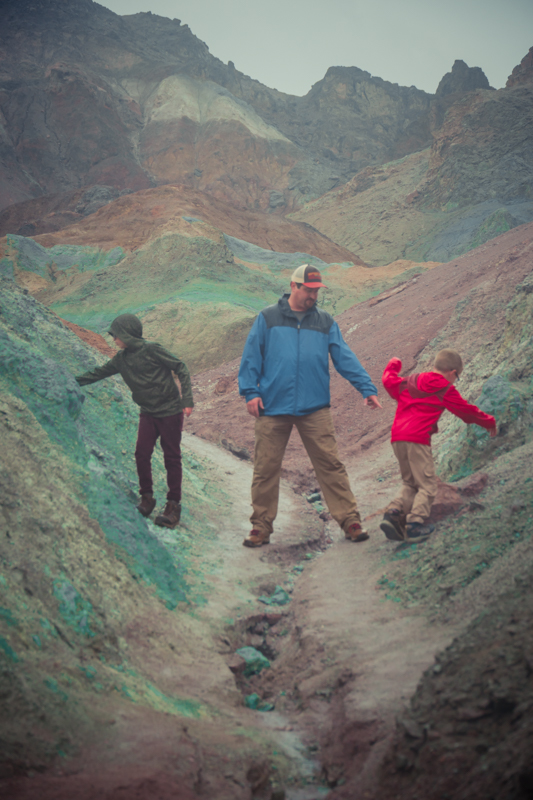
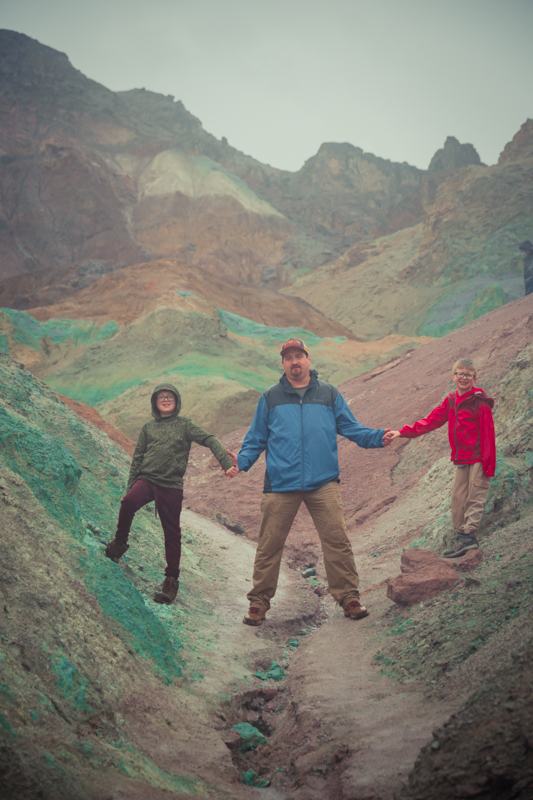
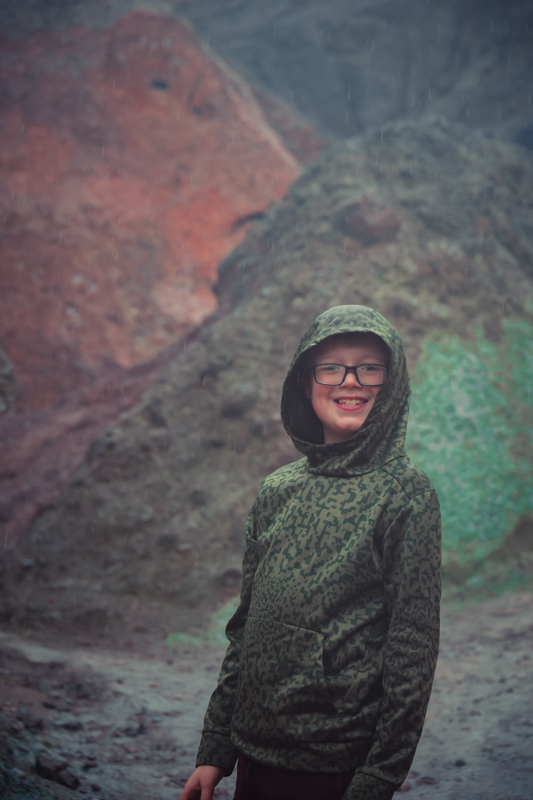
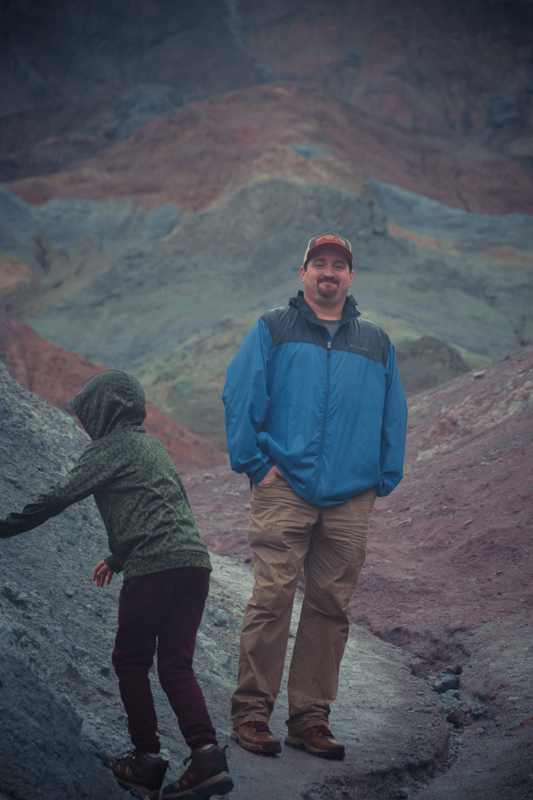
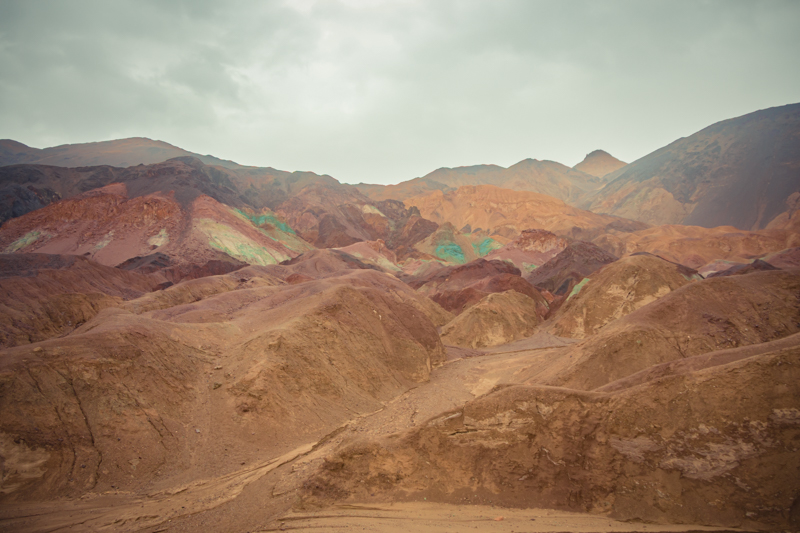
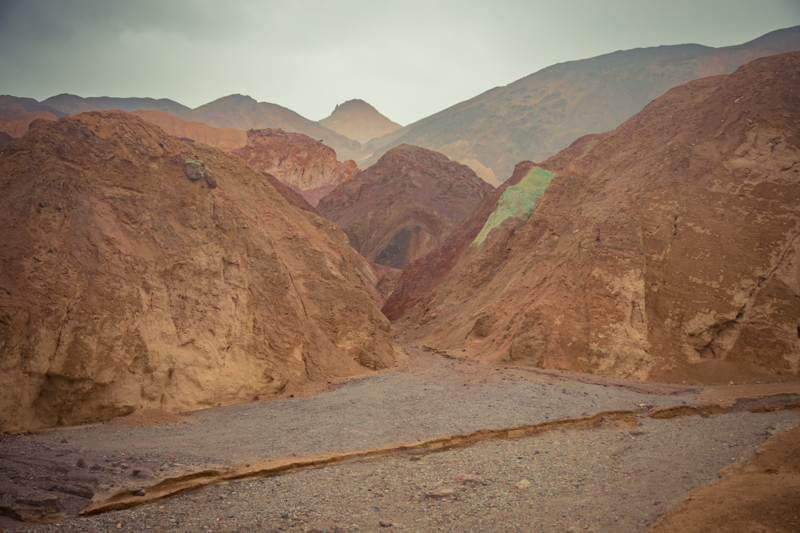
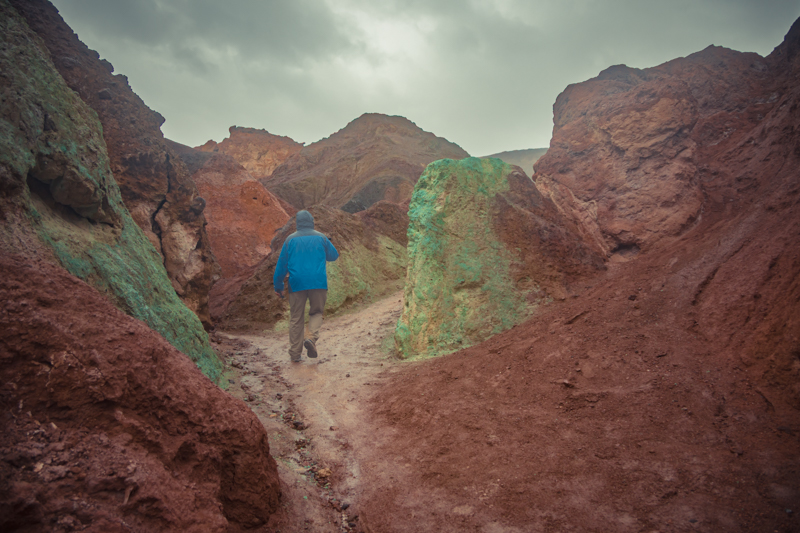
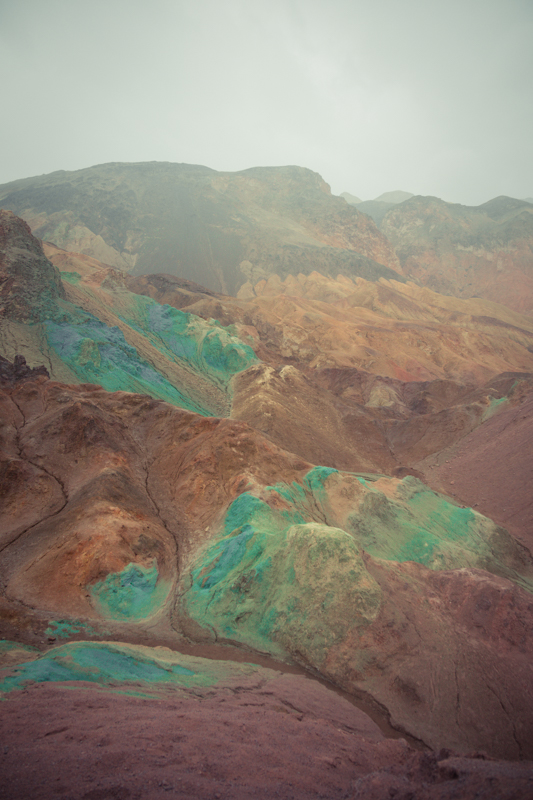
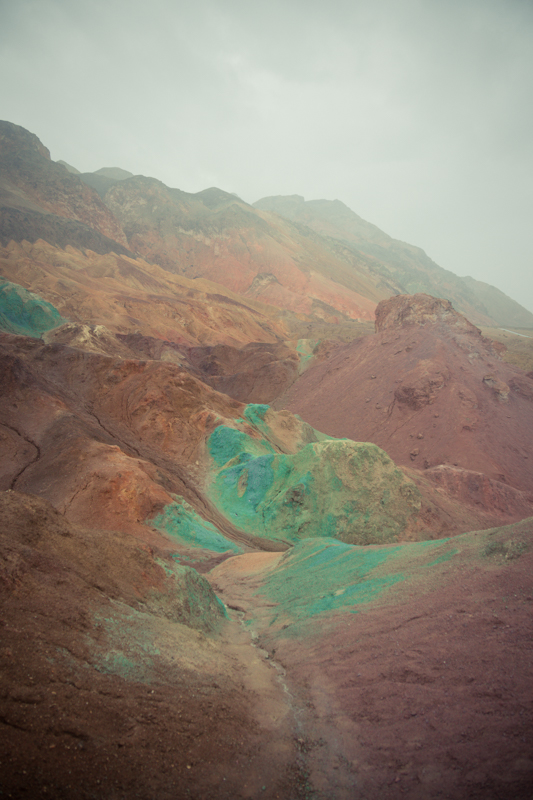
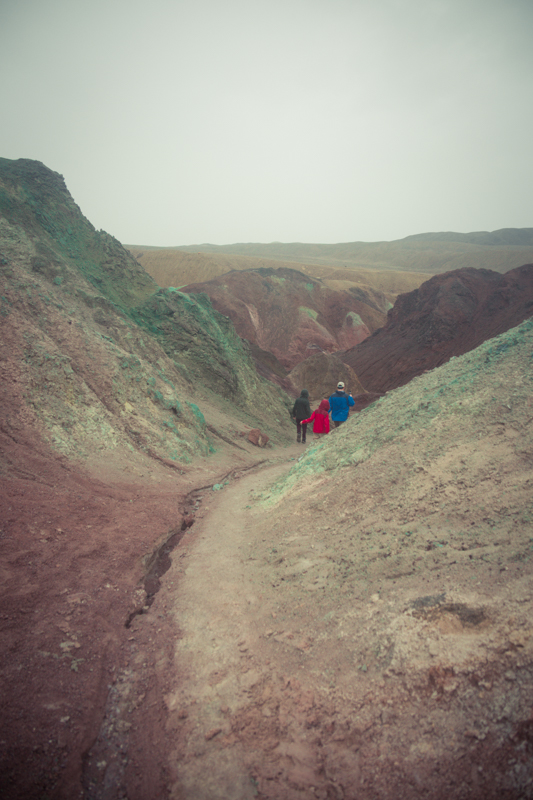
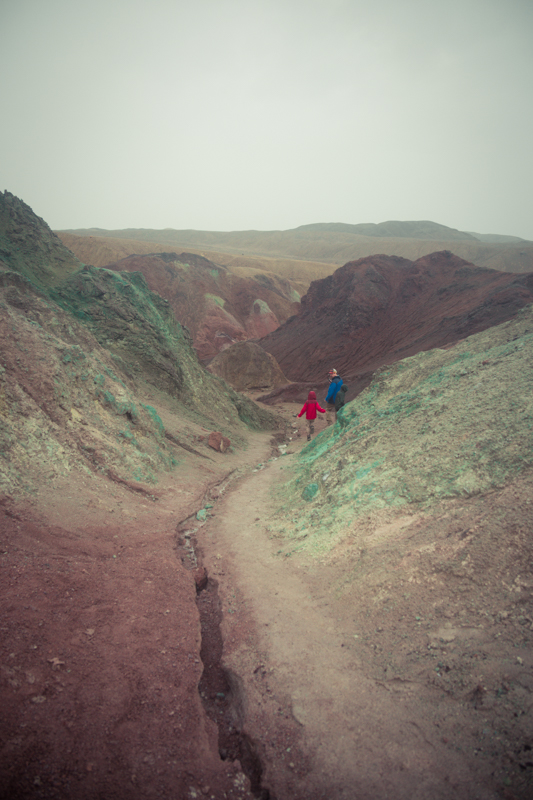
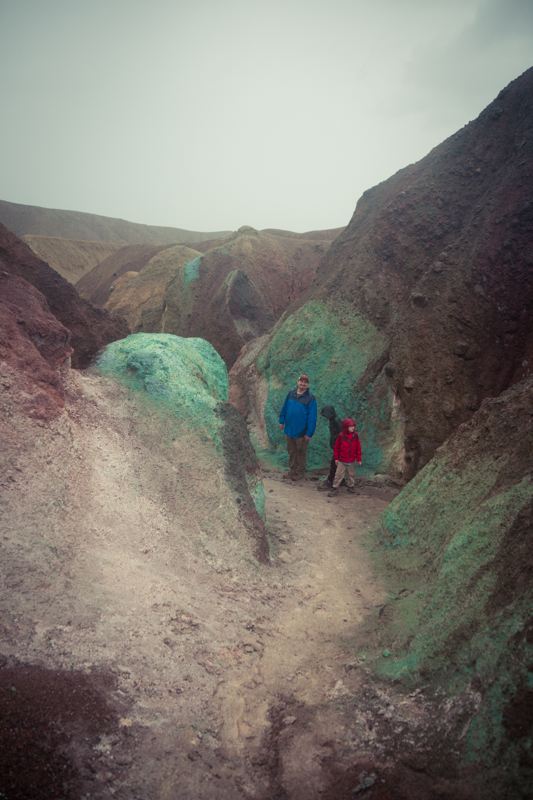
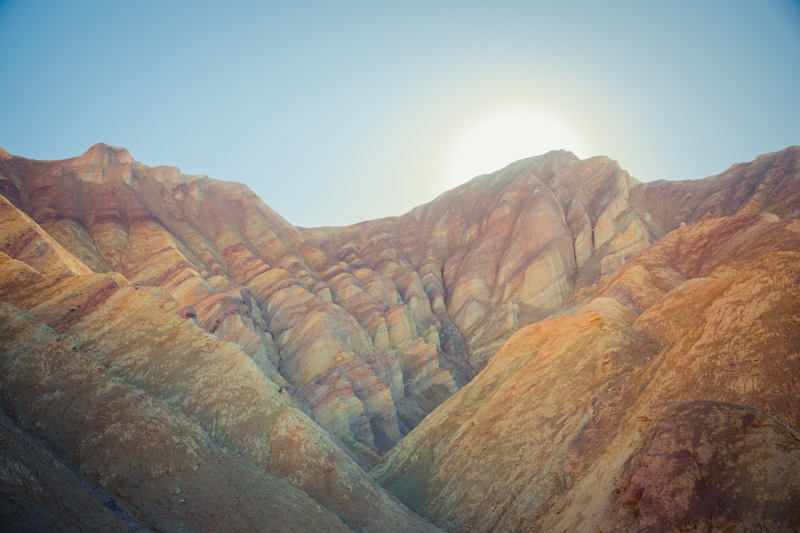
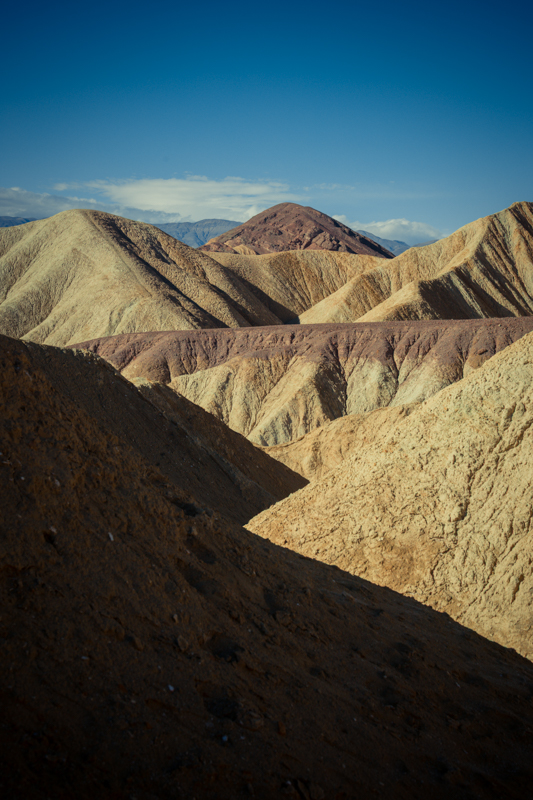
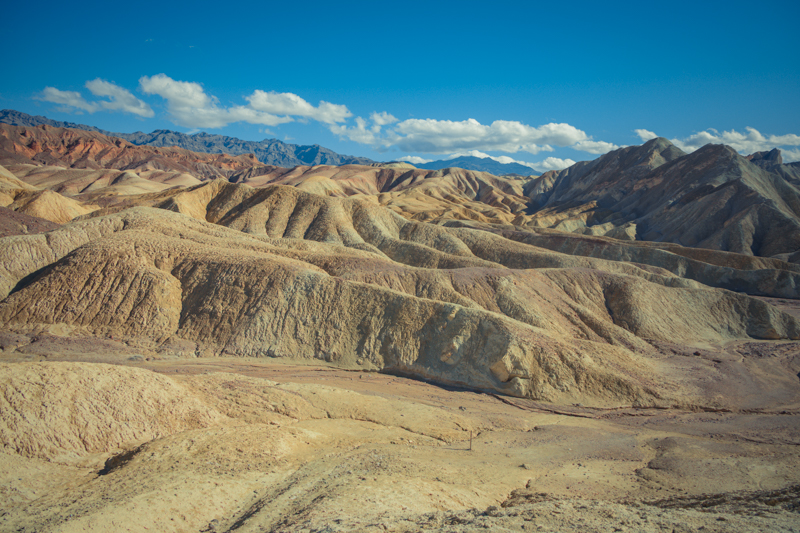
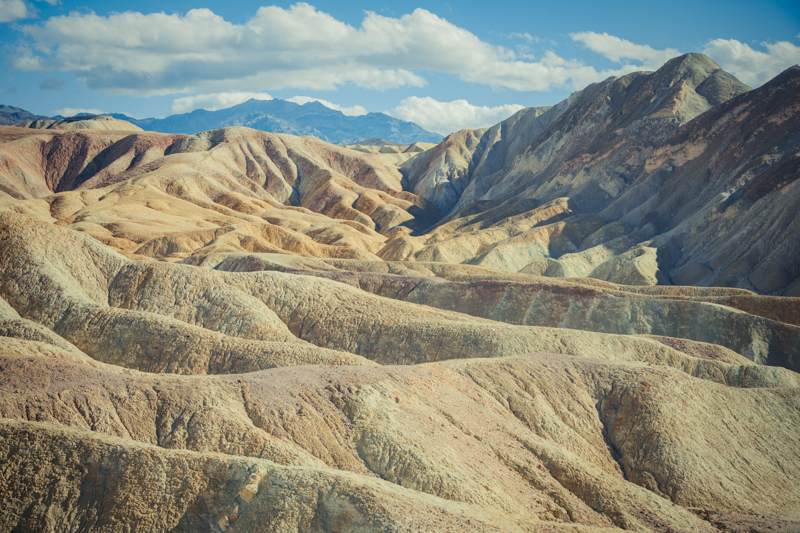
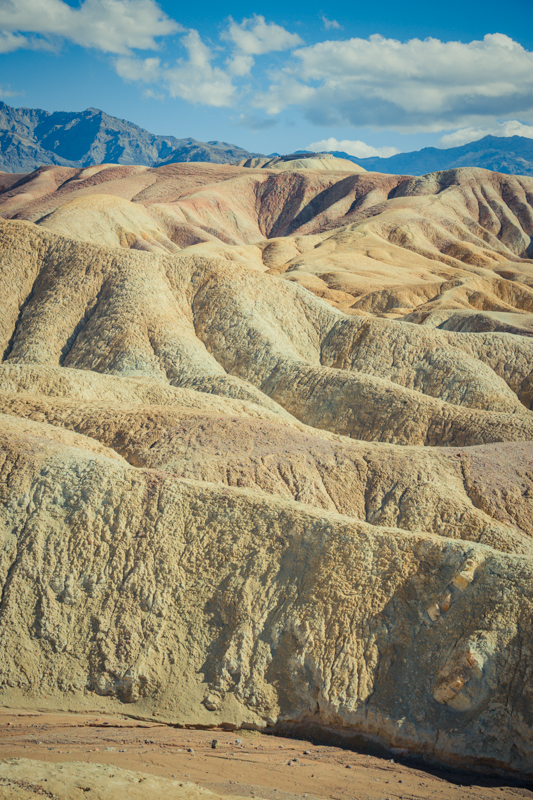
By the afternoon, we found ourselves at Artist’s Palette, and it quickly became one of our favorite stops. The hills were streaked with soft greens, pinks, yellows, and purples—colors created by the oxidation of different metals in the rock. It looked almost painted, like someone had brushed the desert with watercolor.
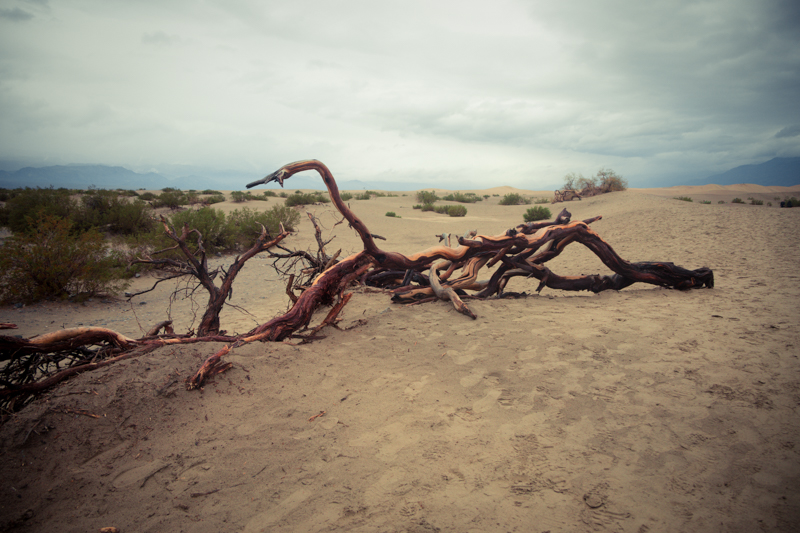
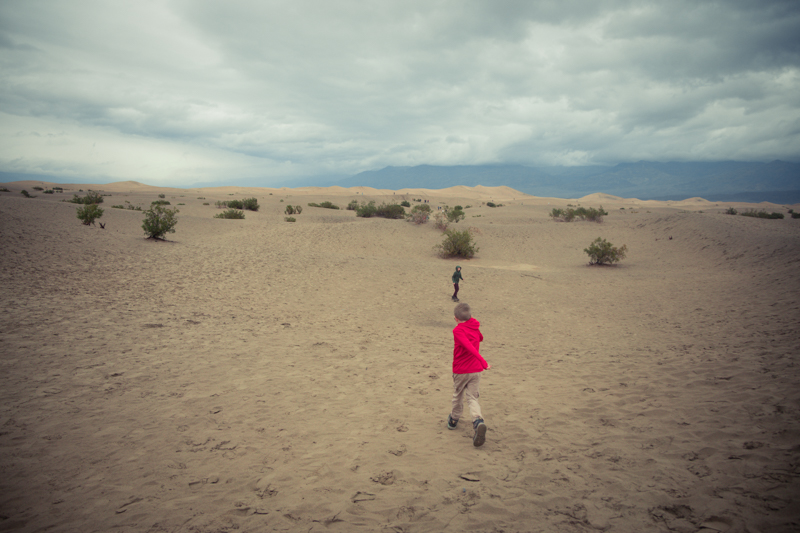
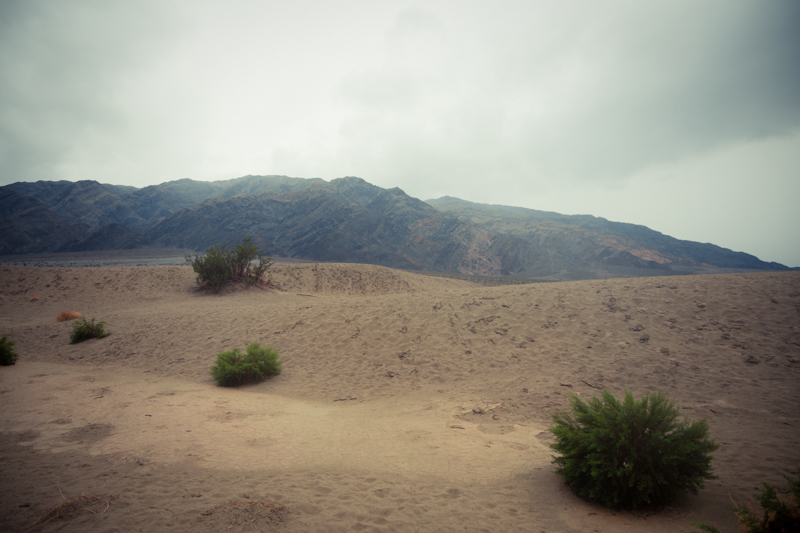
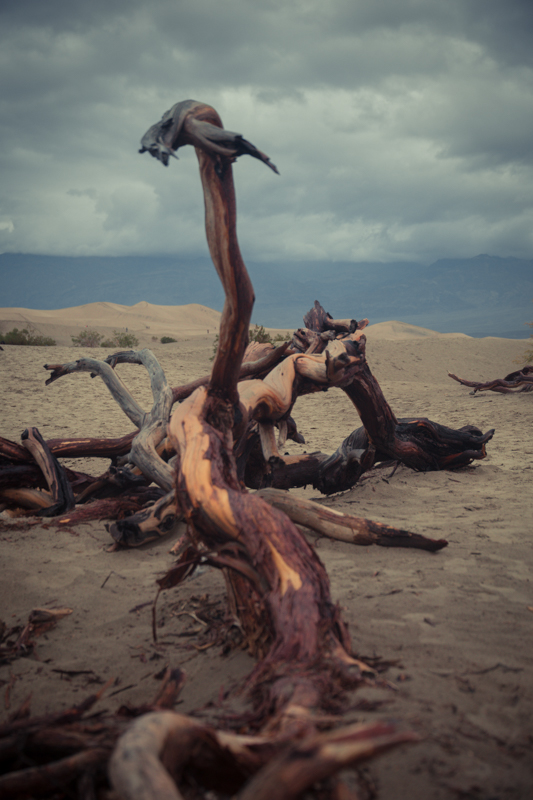
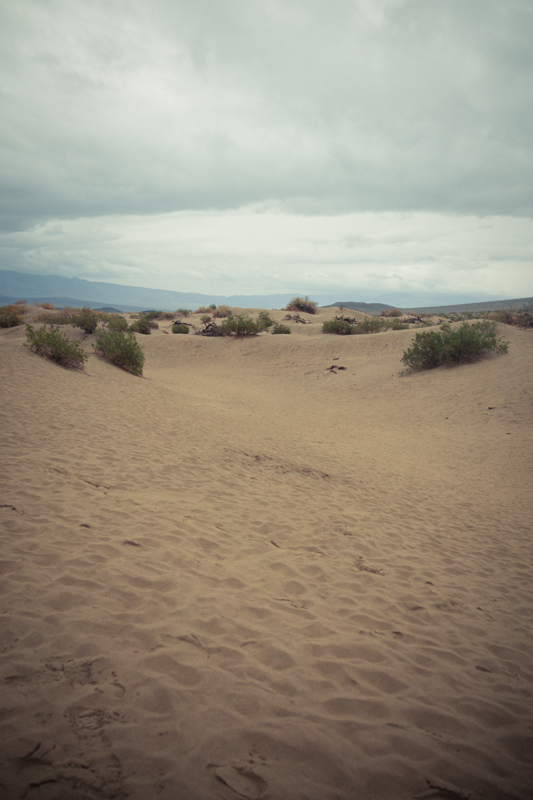
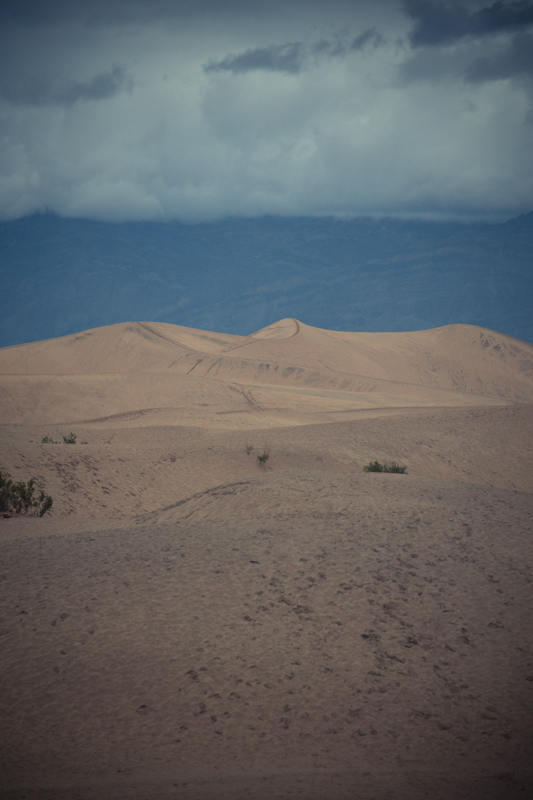
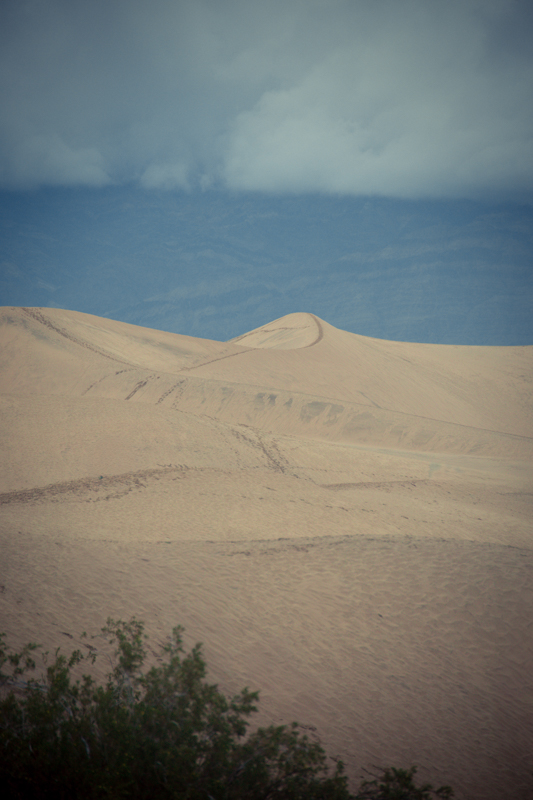
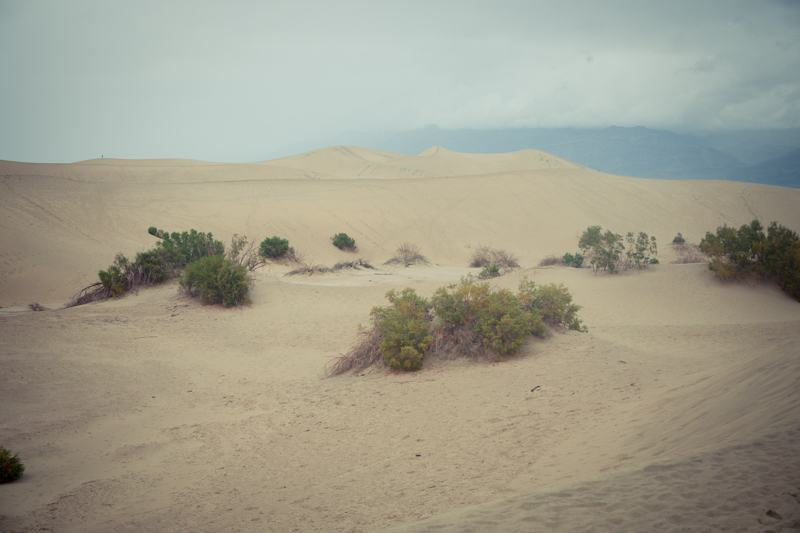
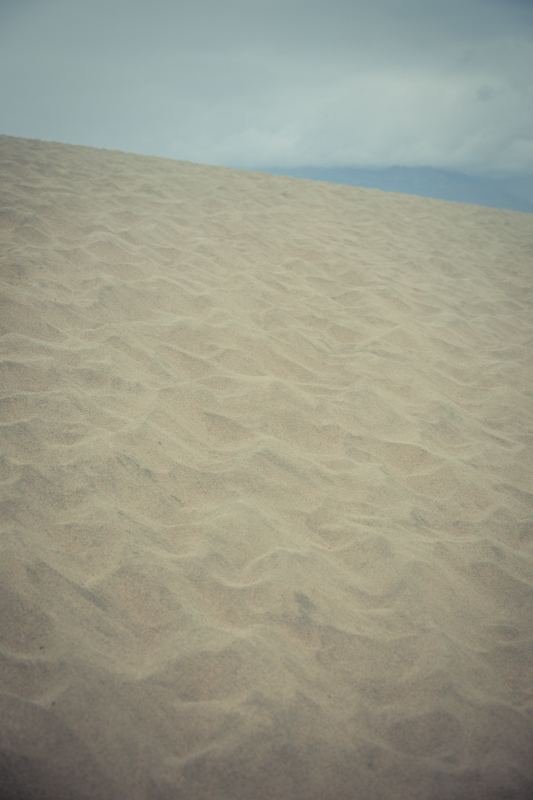
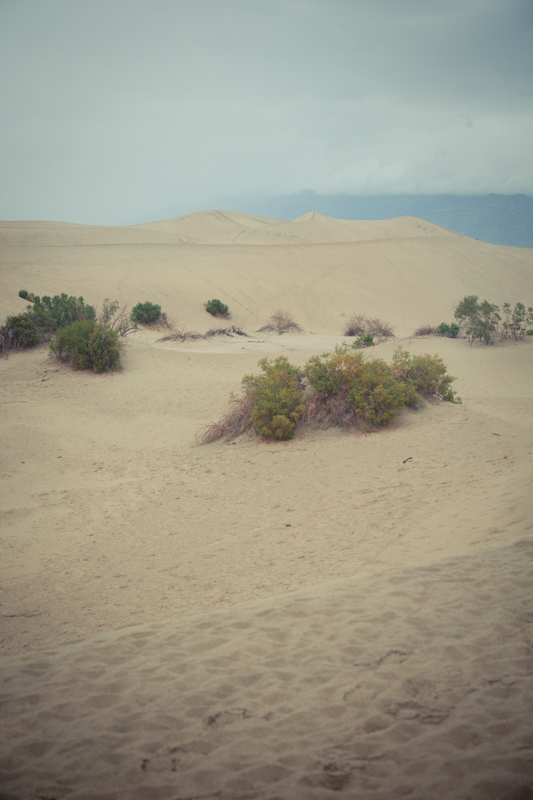
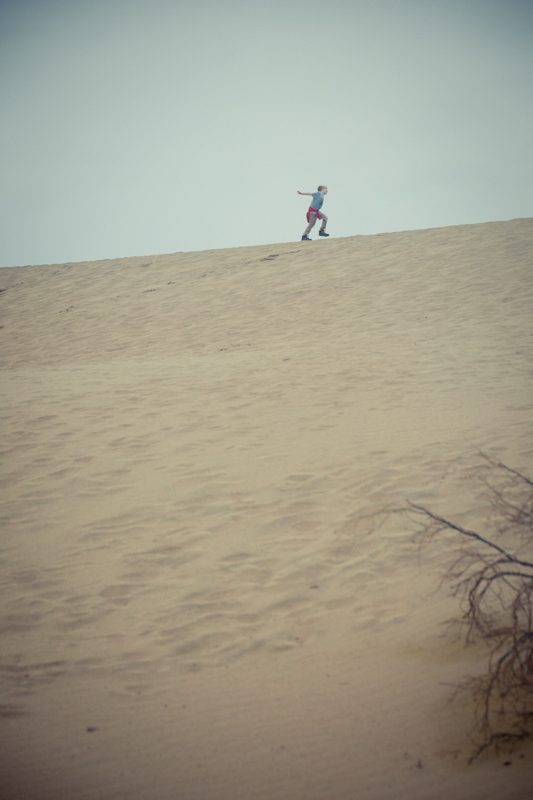
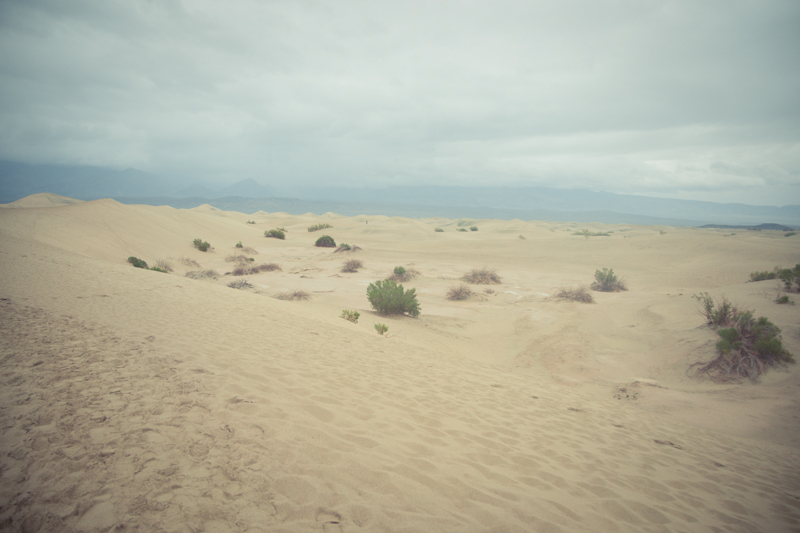
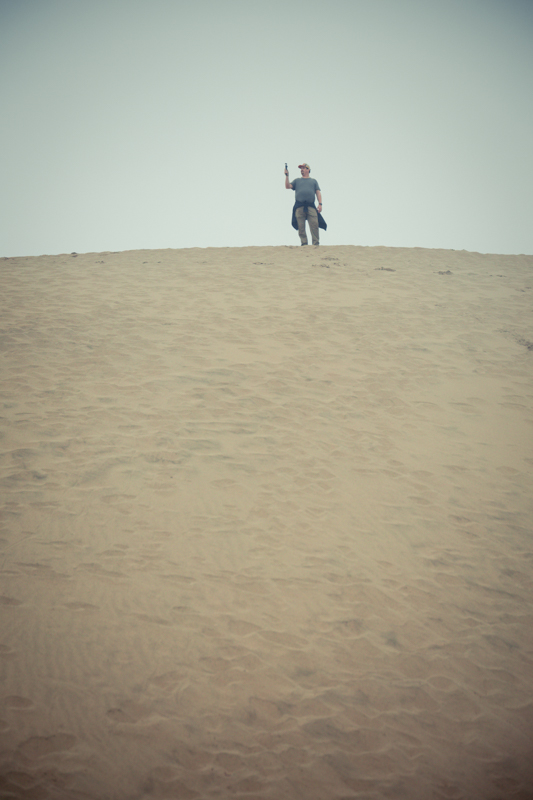
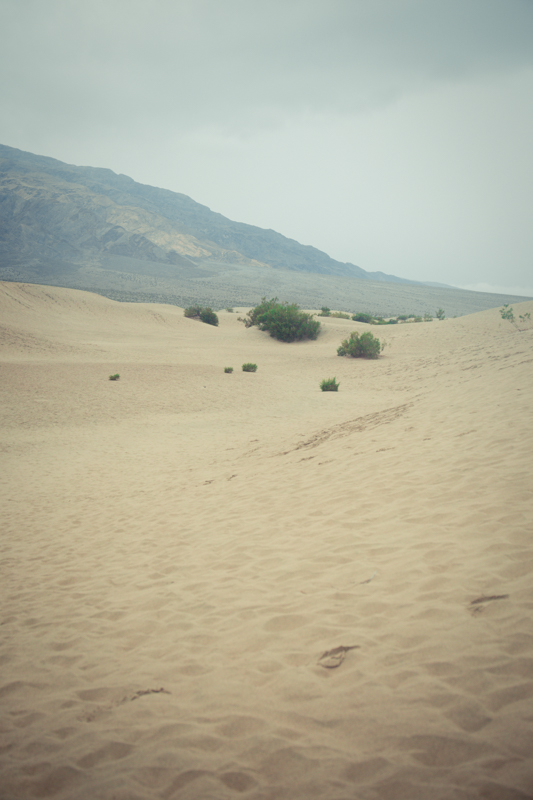
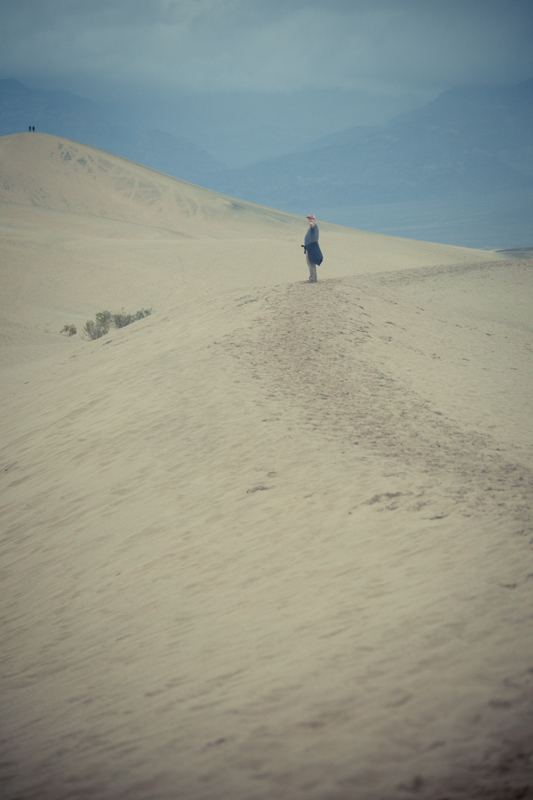
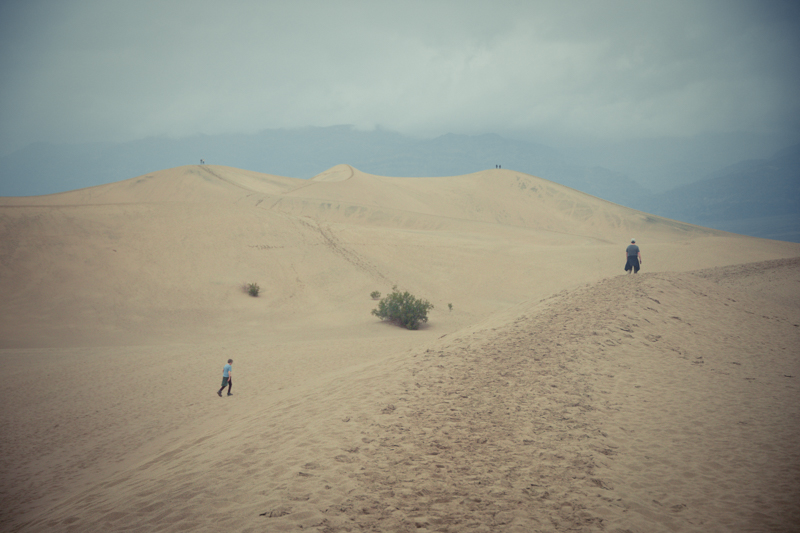
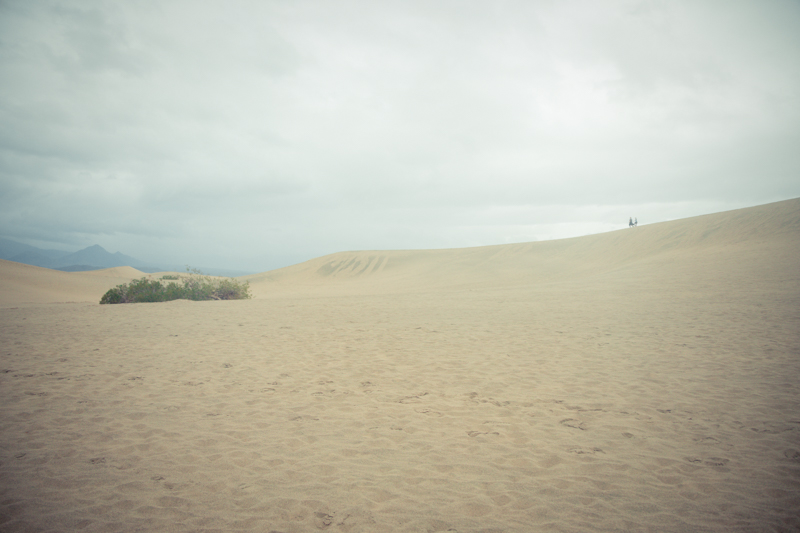
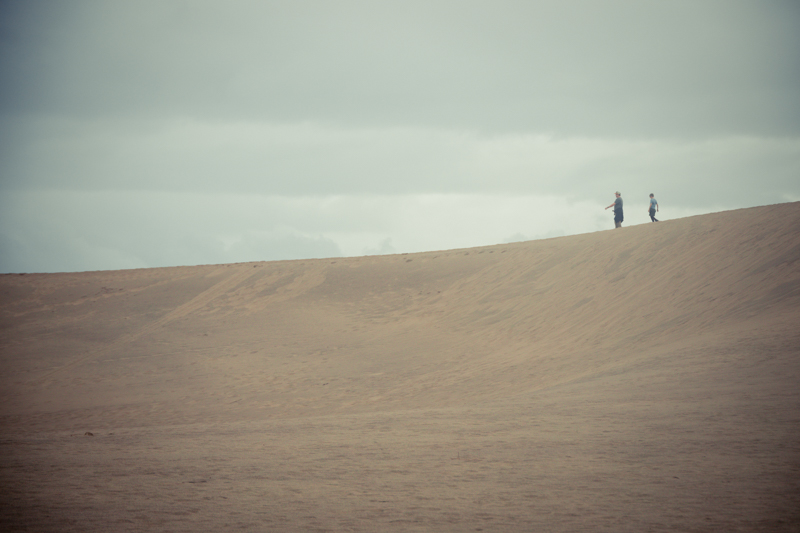
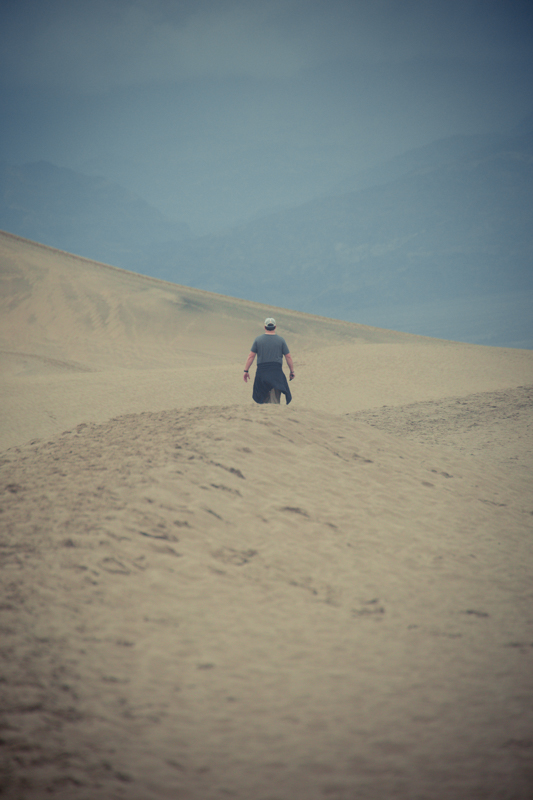
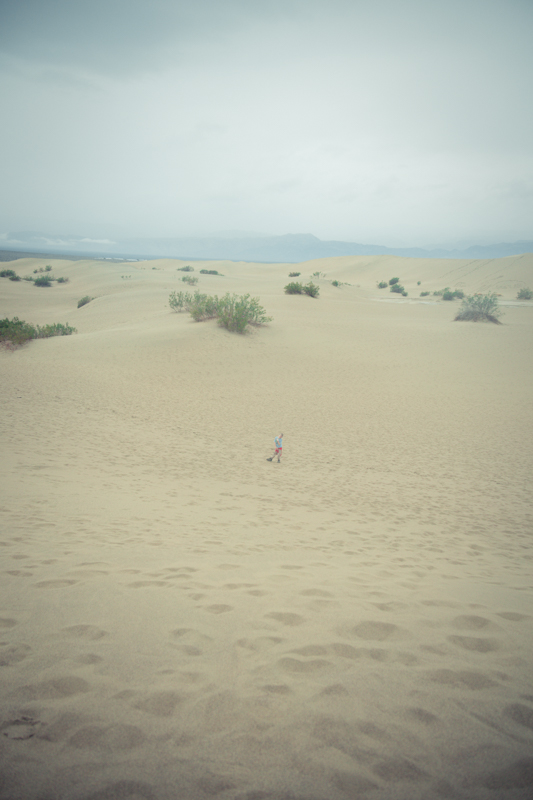
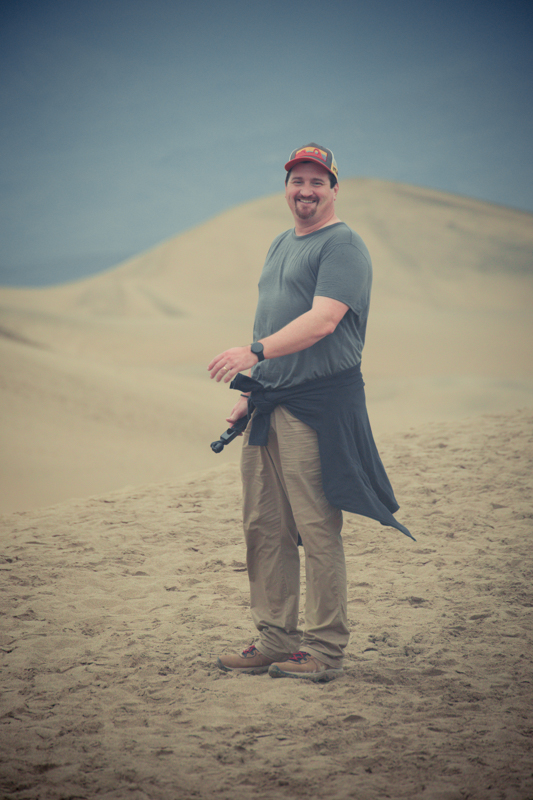
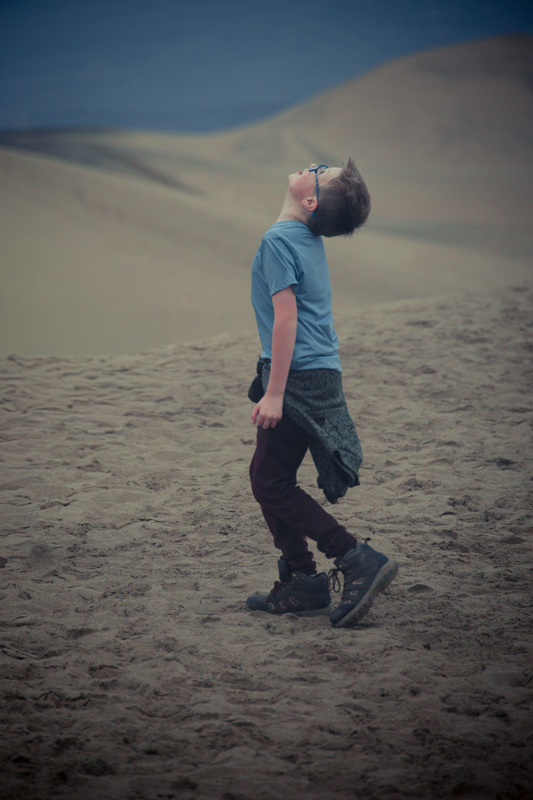
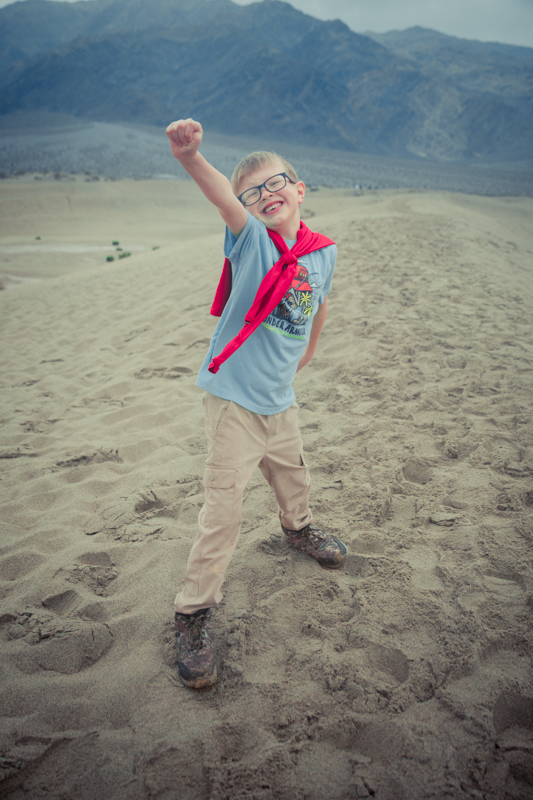
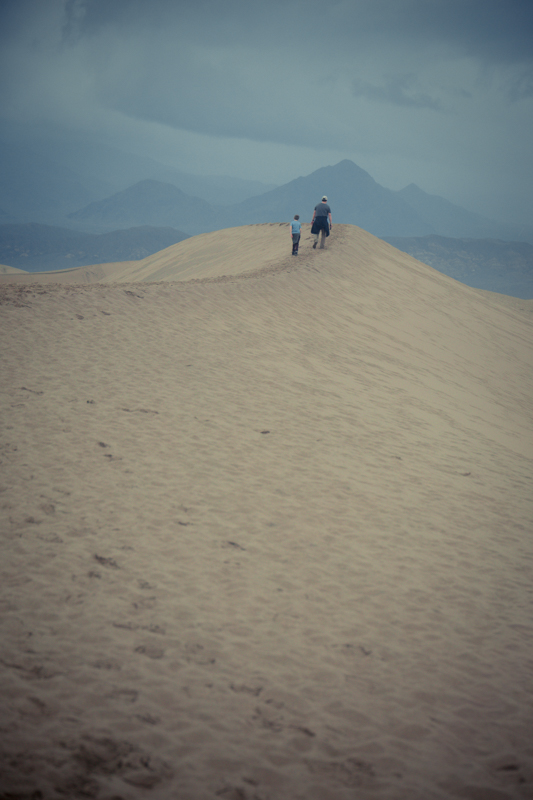
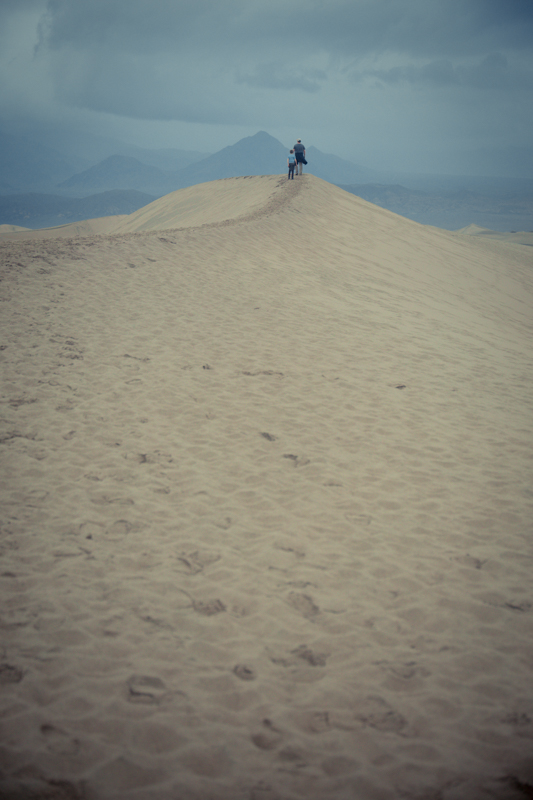
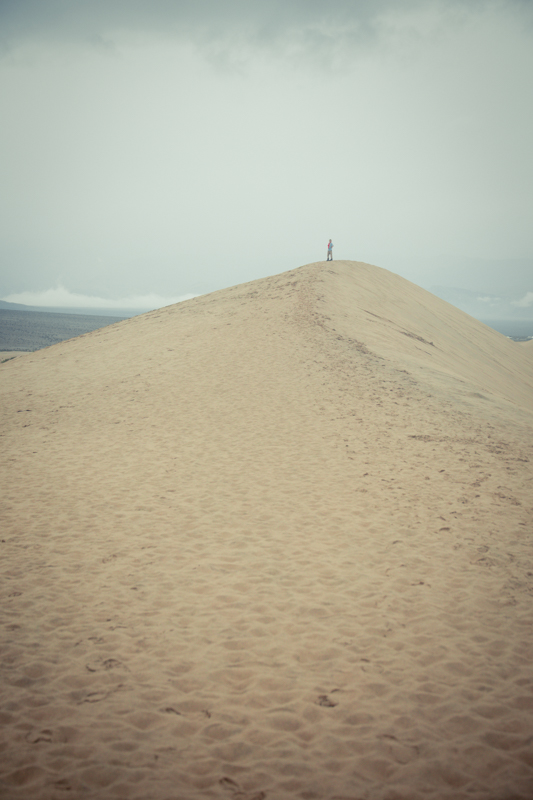
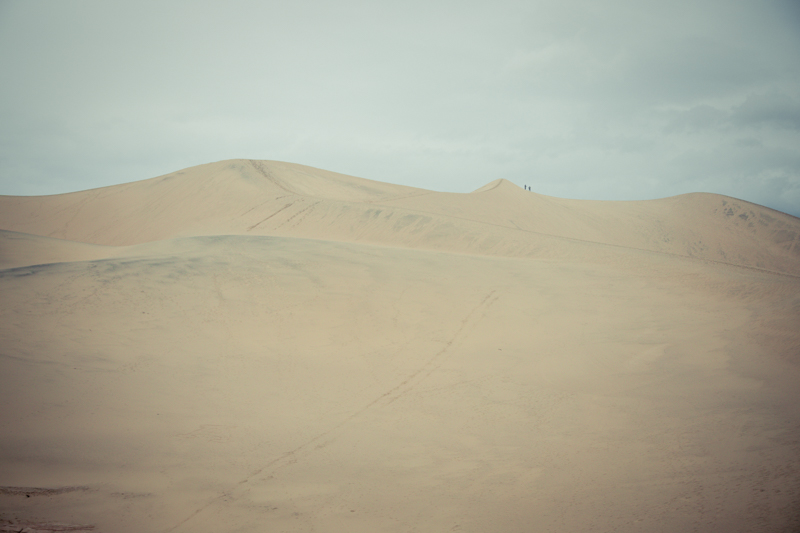
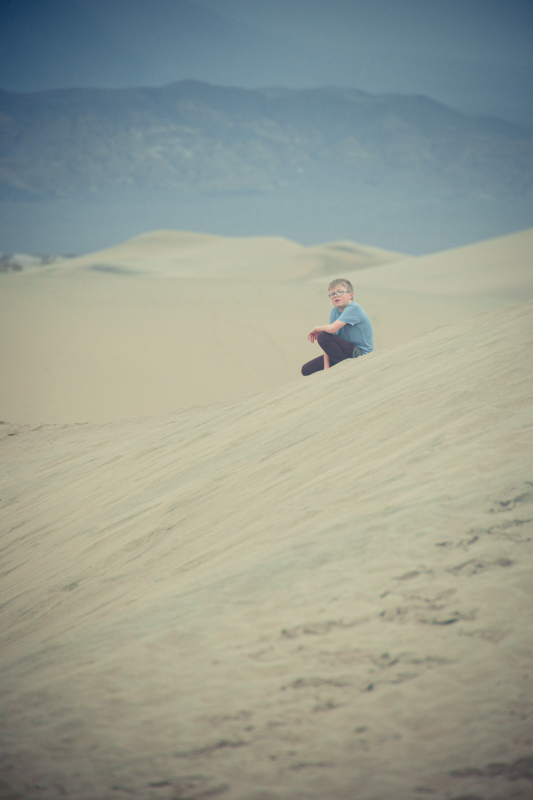
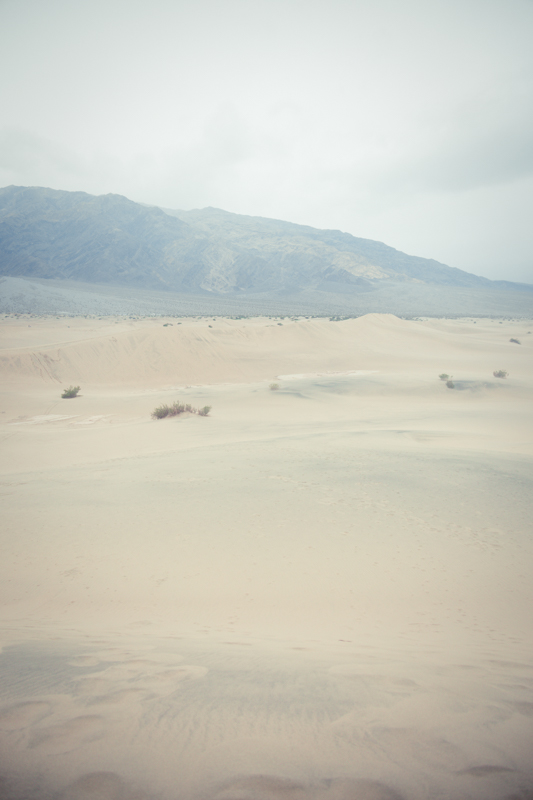
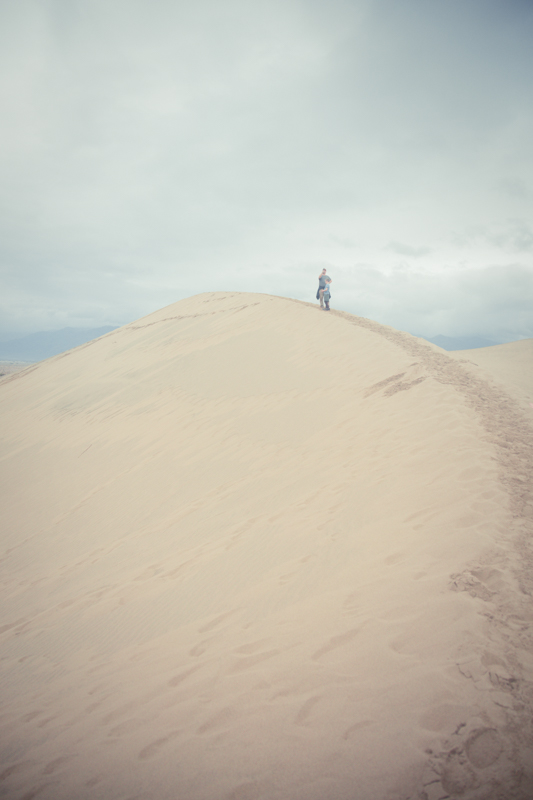
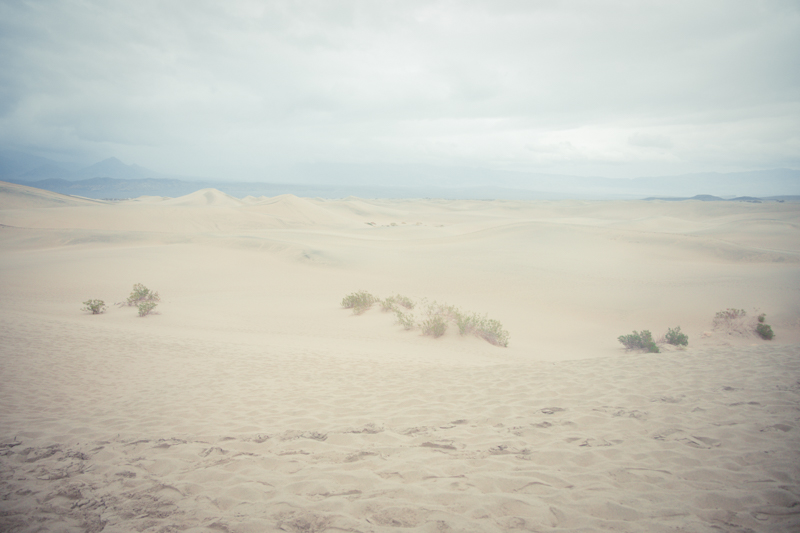
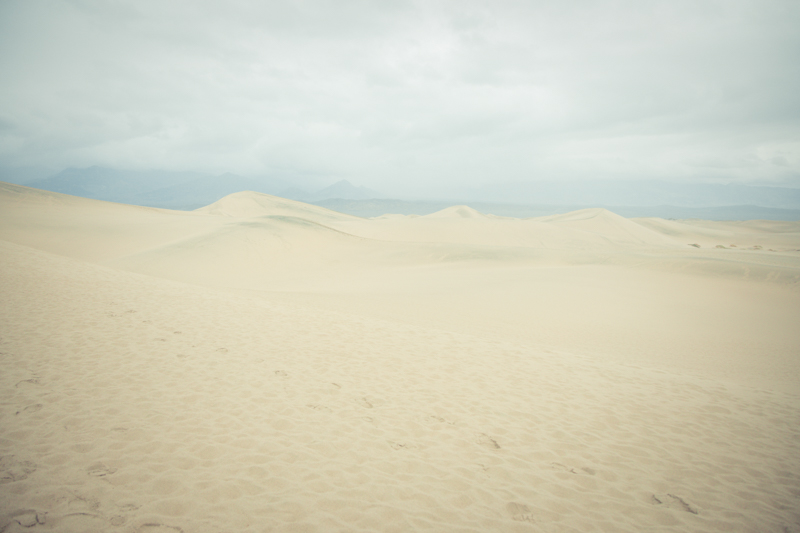
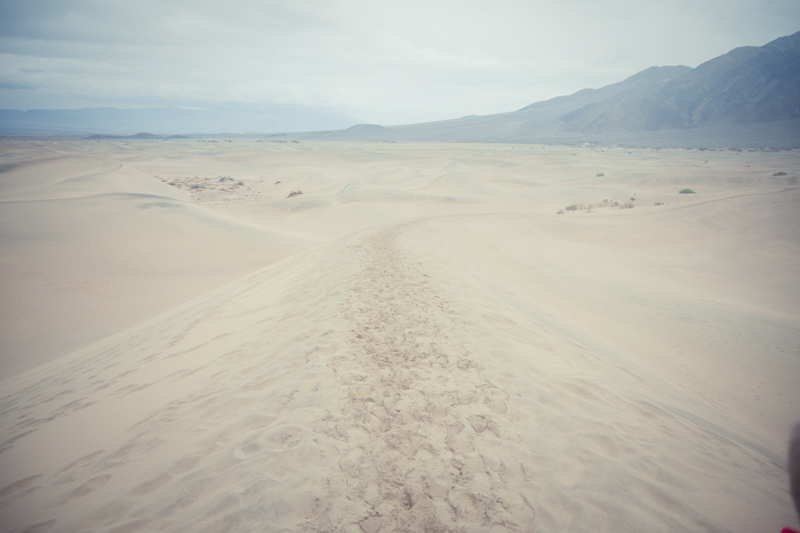
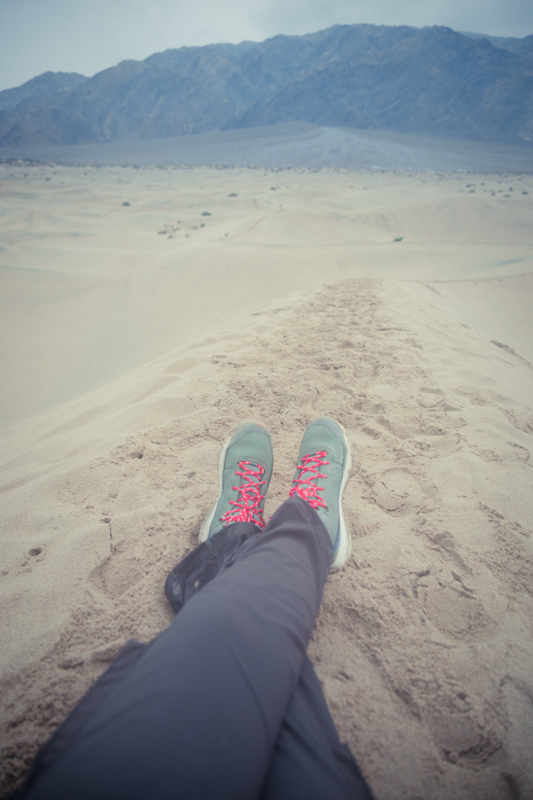
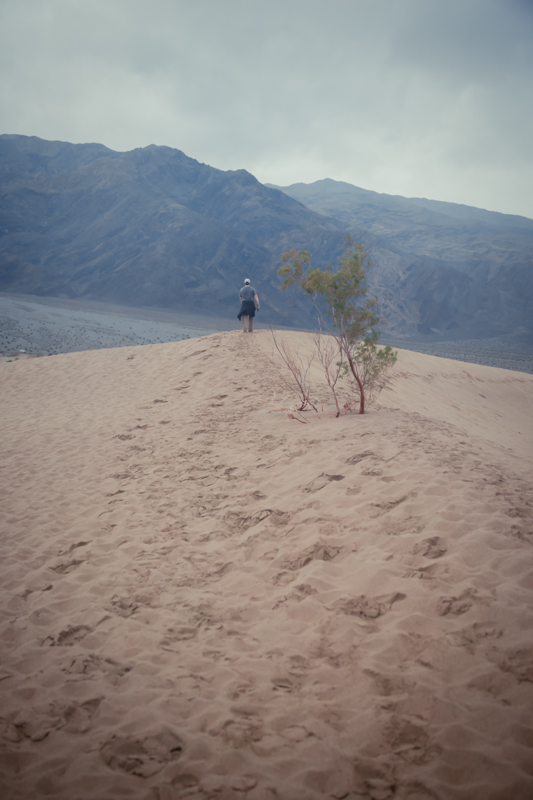
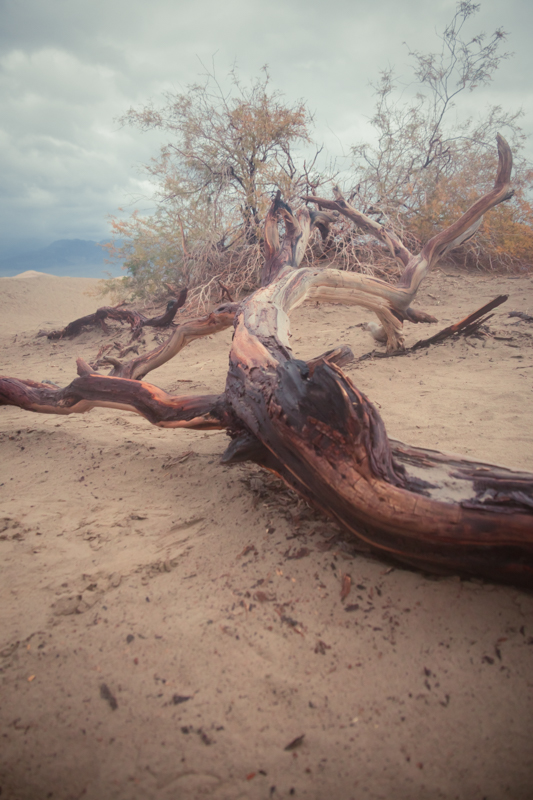
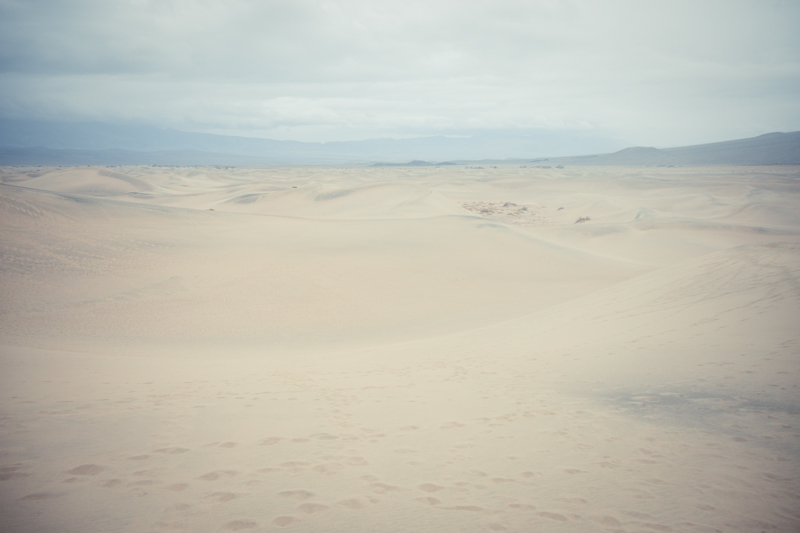
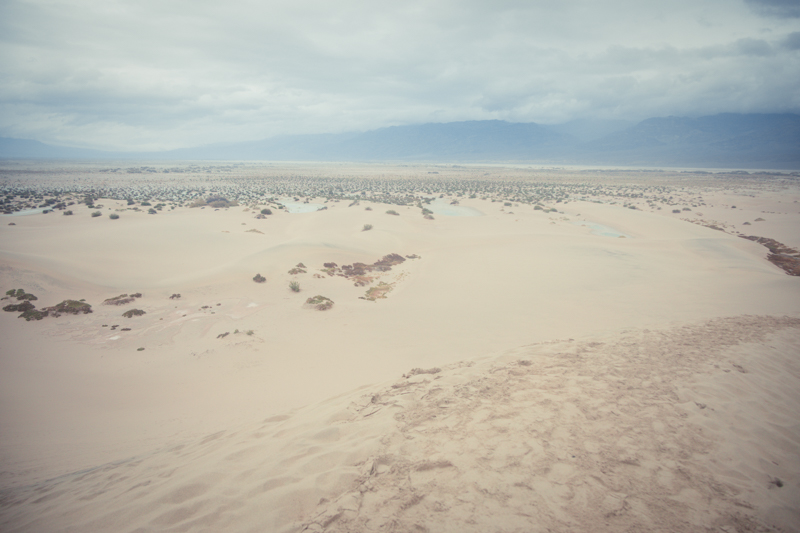
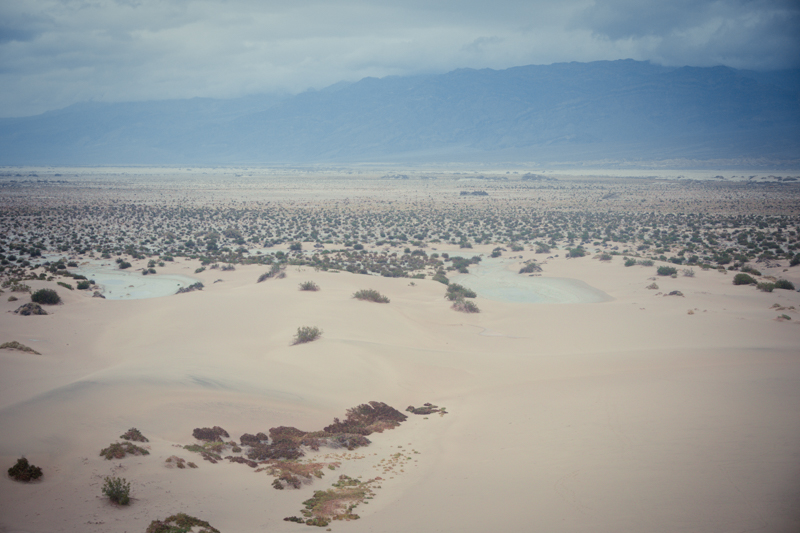
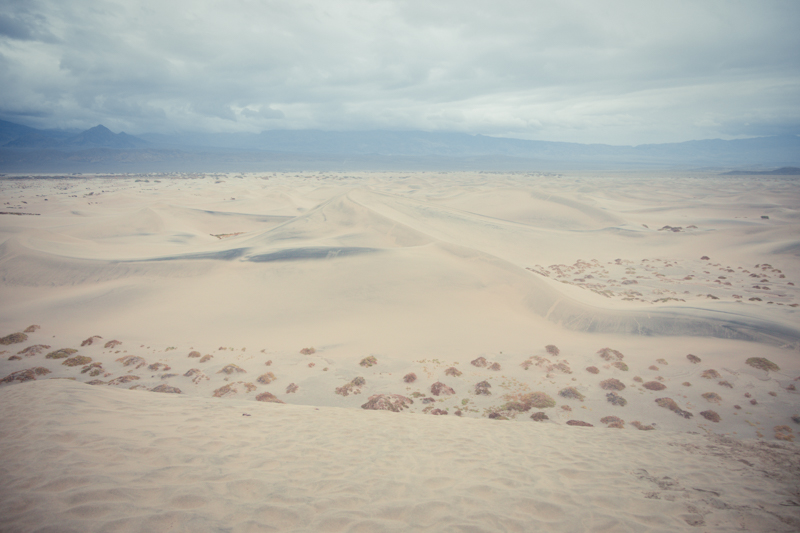
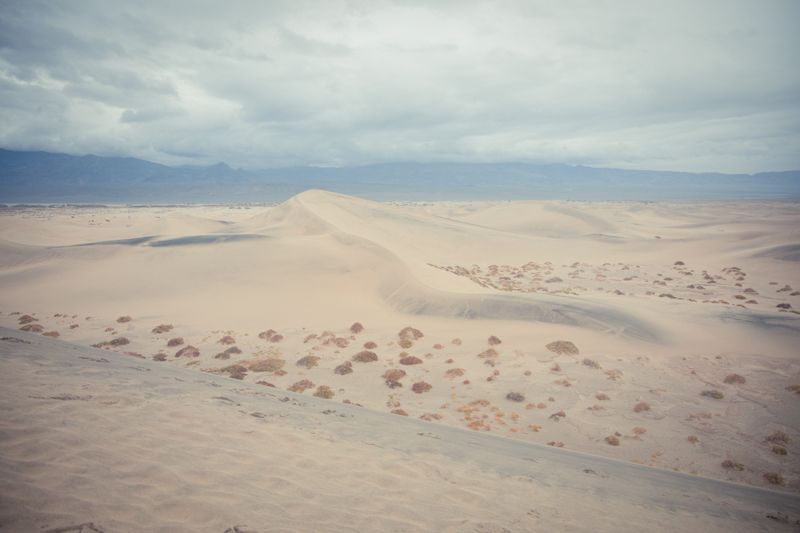
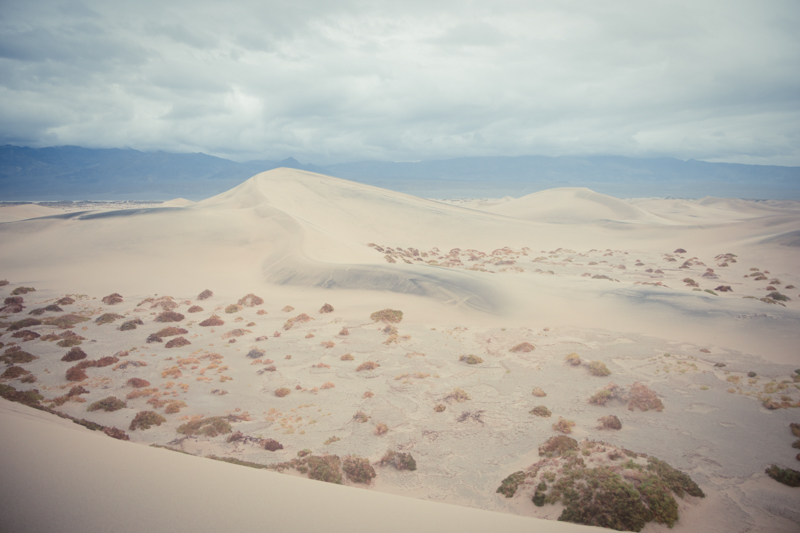
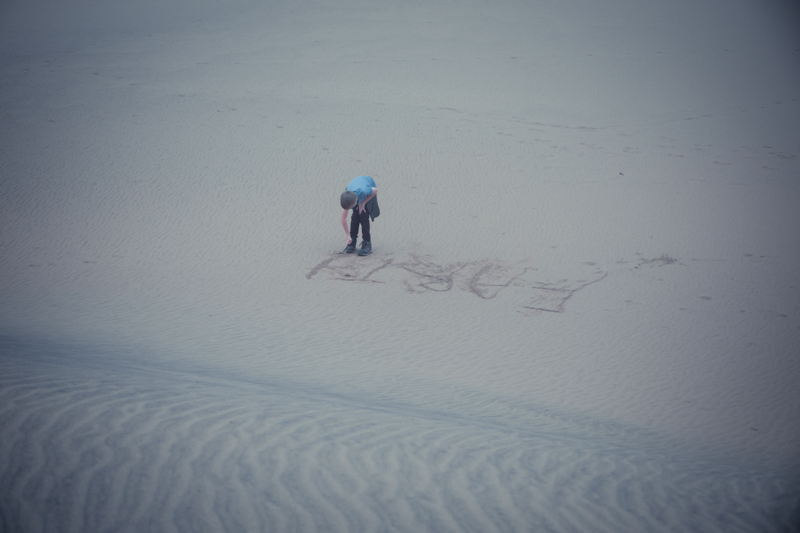
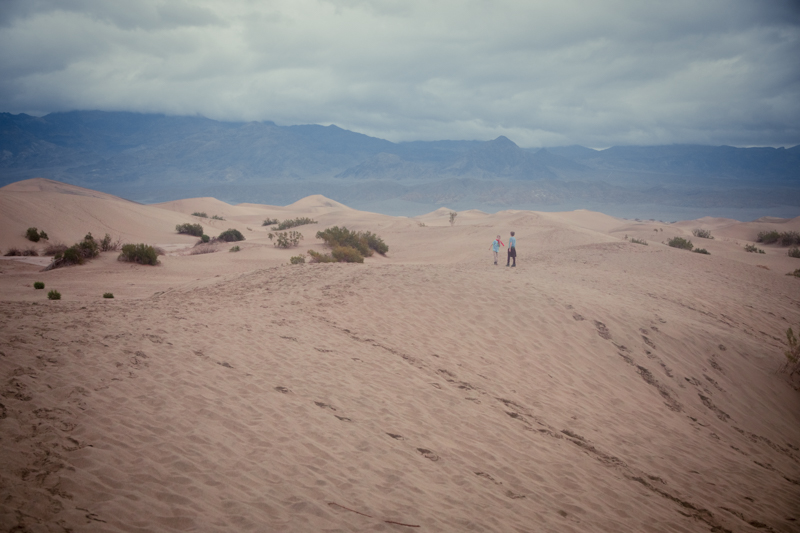
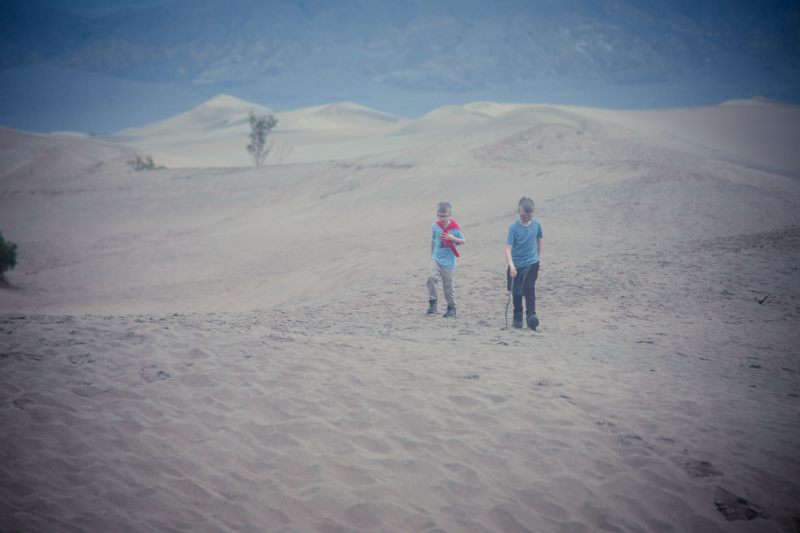
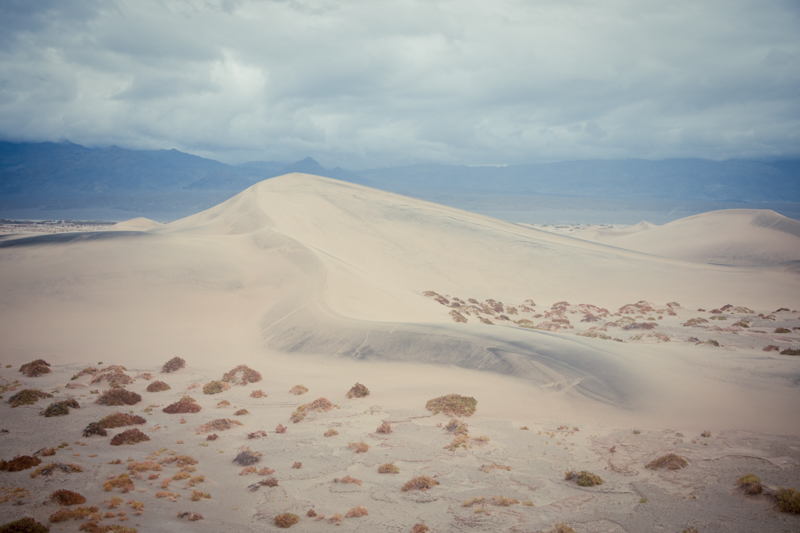
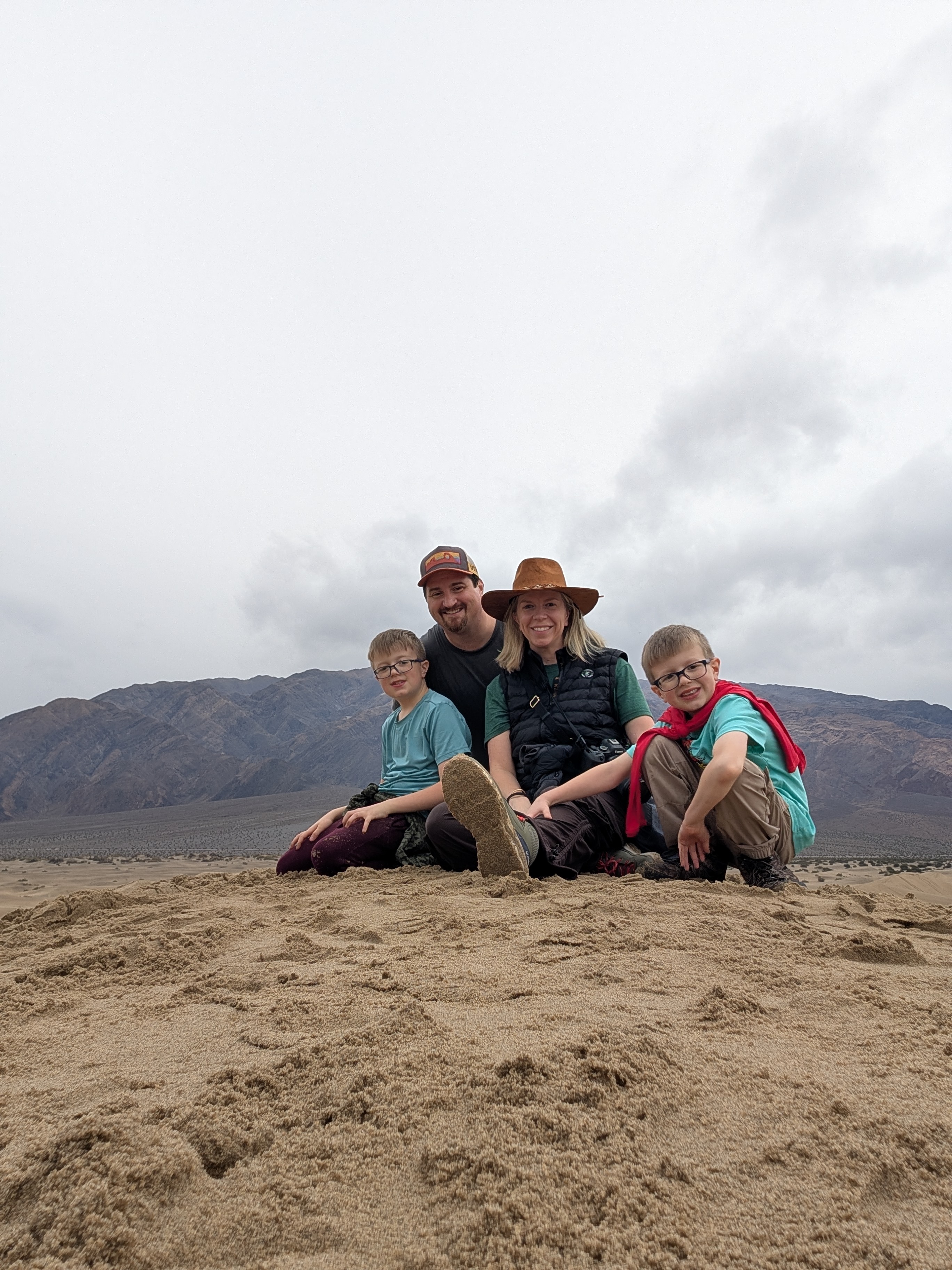
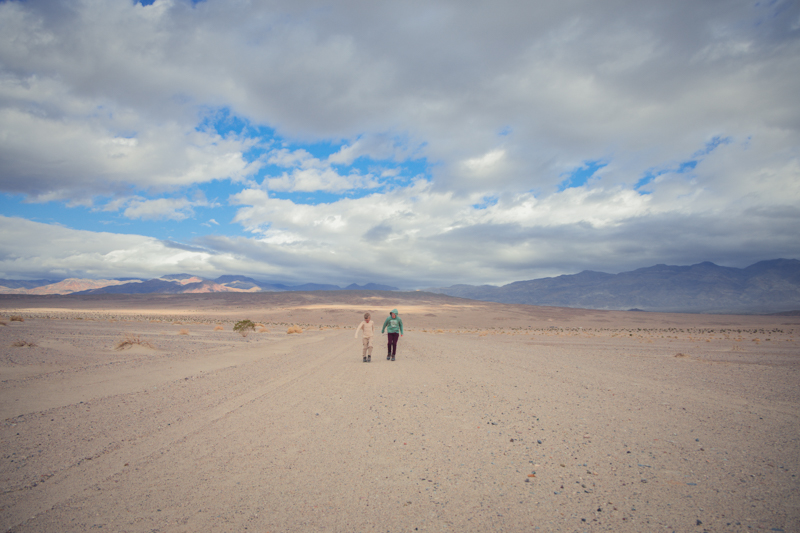
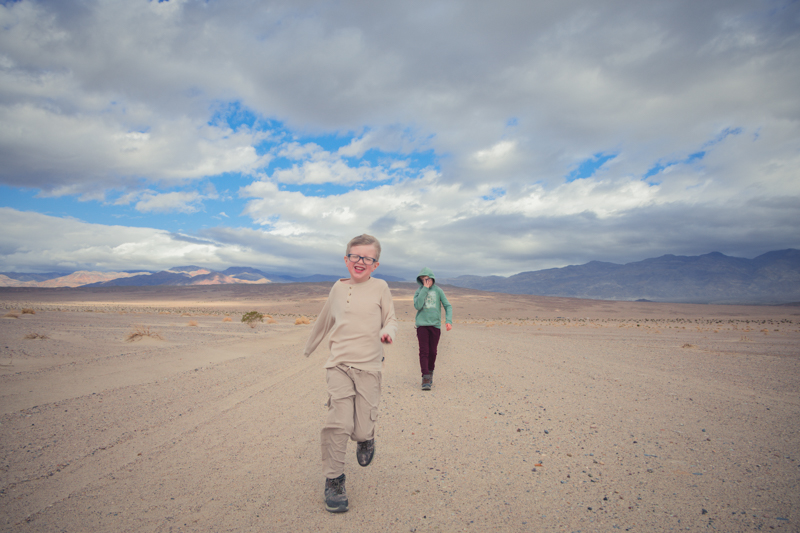
We crossed the park and ended the day at the Mesquite Flat Sand Dunes, which, without question, became the kids’ favorite part. They ran endlessly—up the dunes, down the dunes, over and over again… laughing, falling, climbing again. It was simple and perfect.
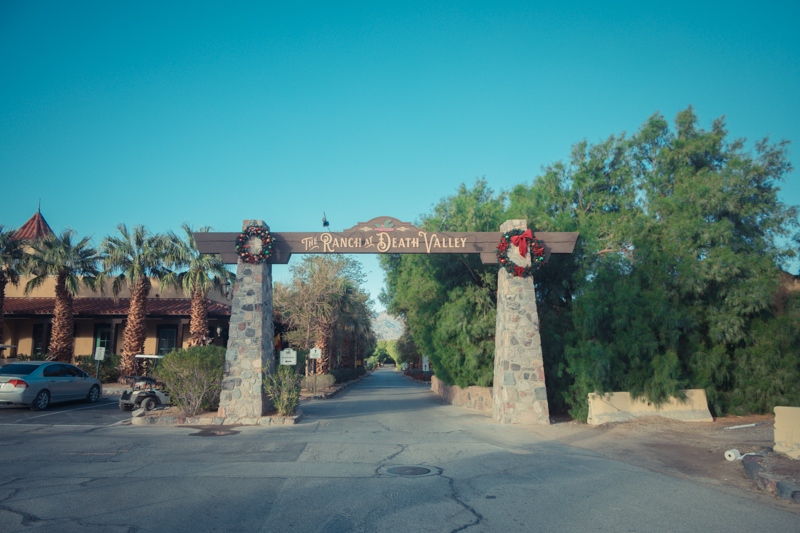
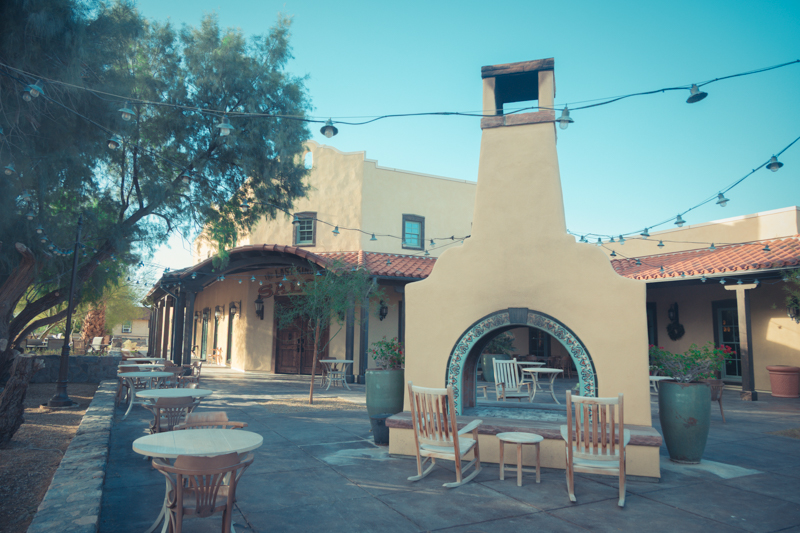
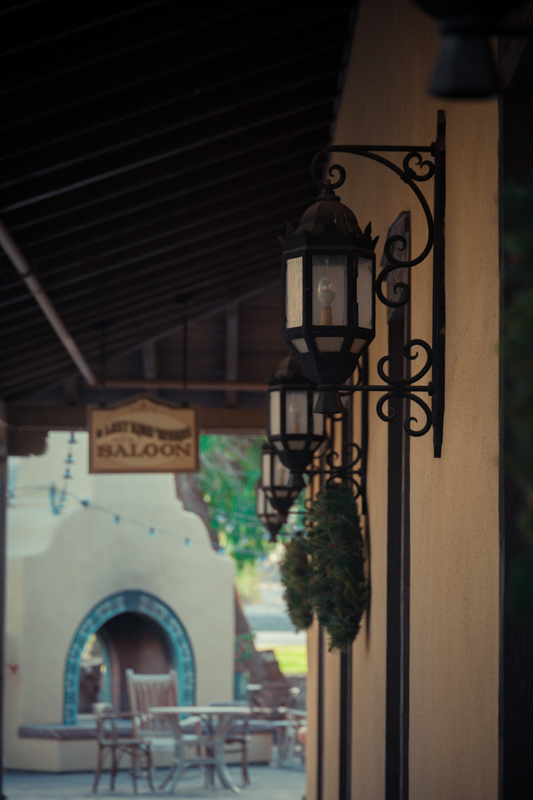
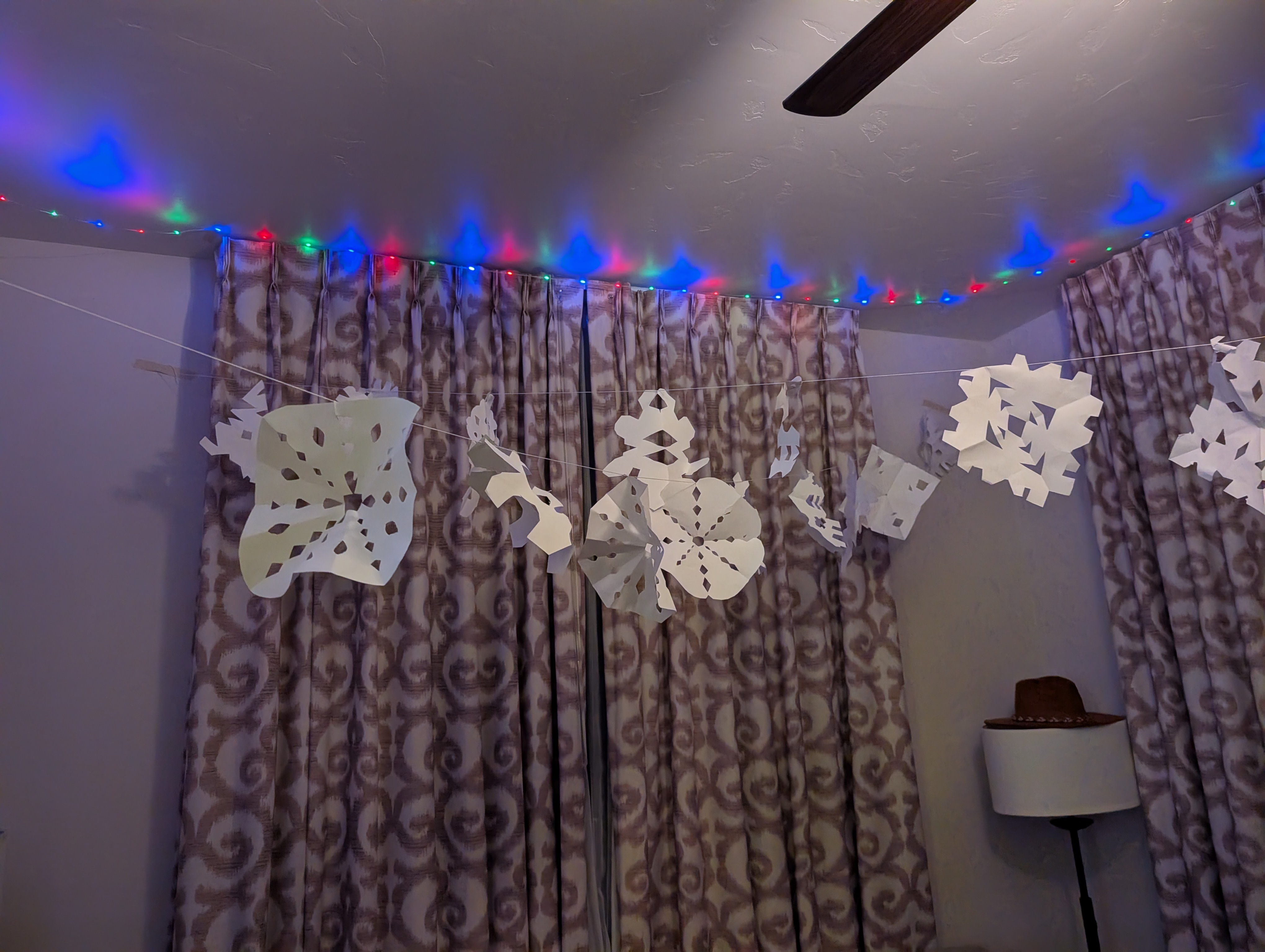
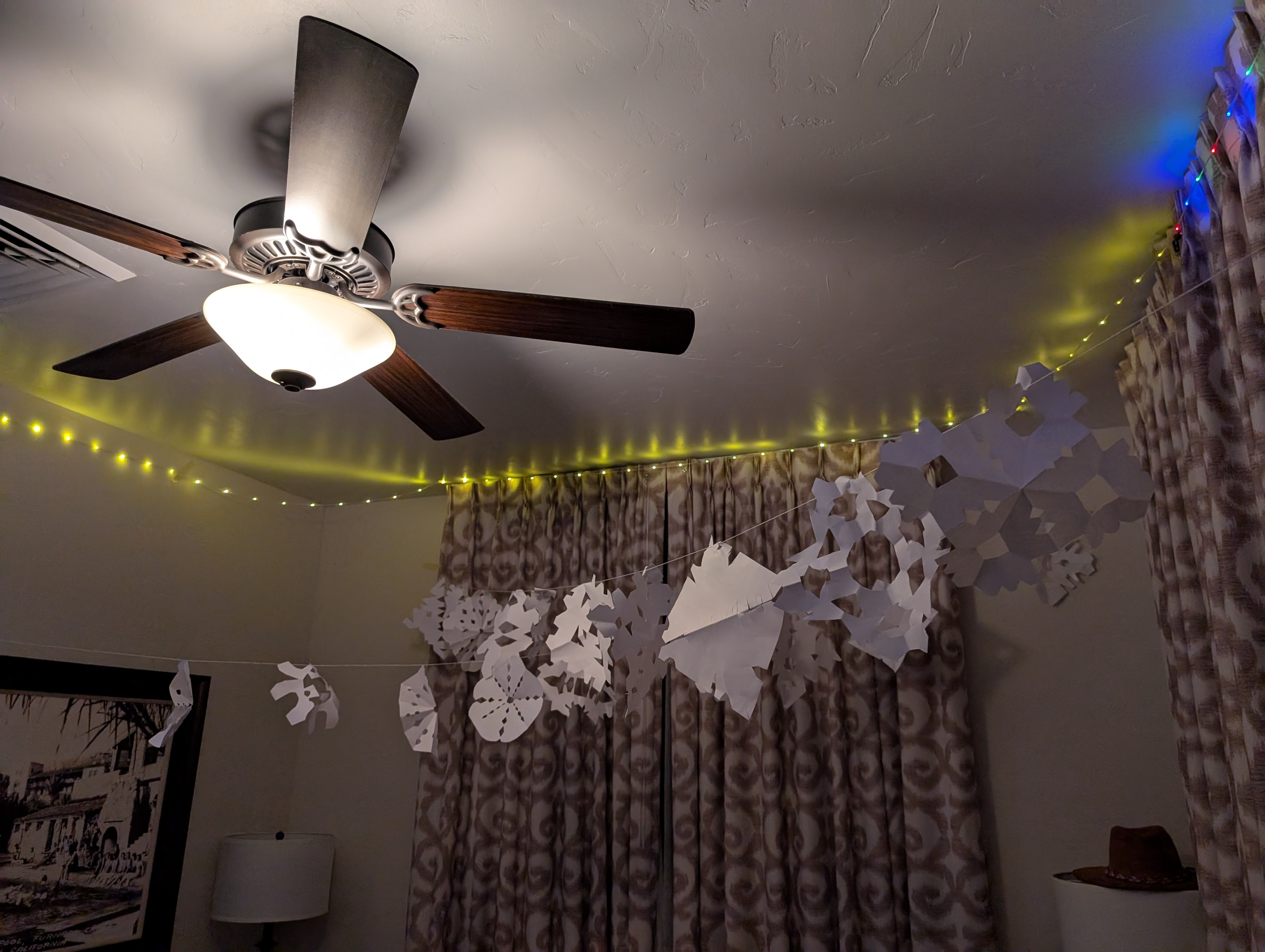
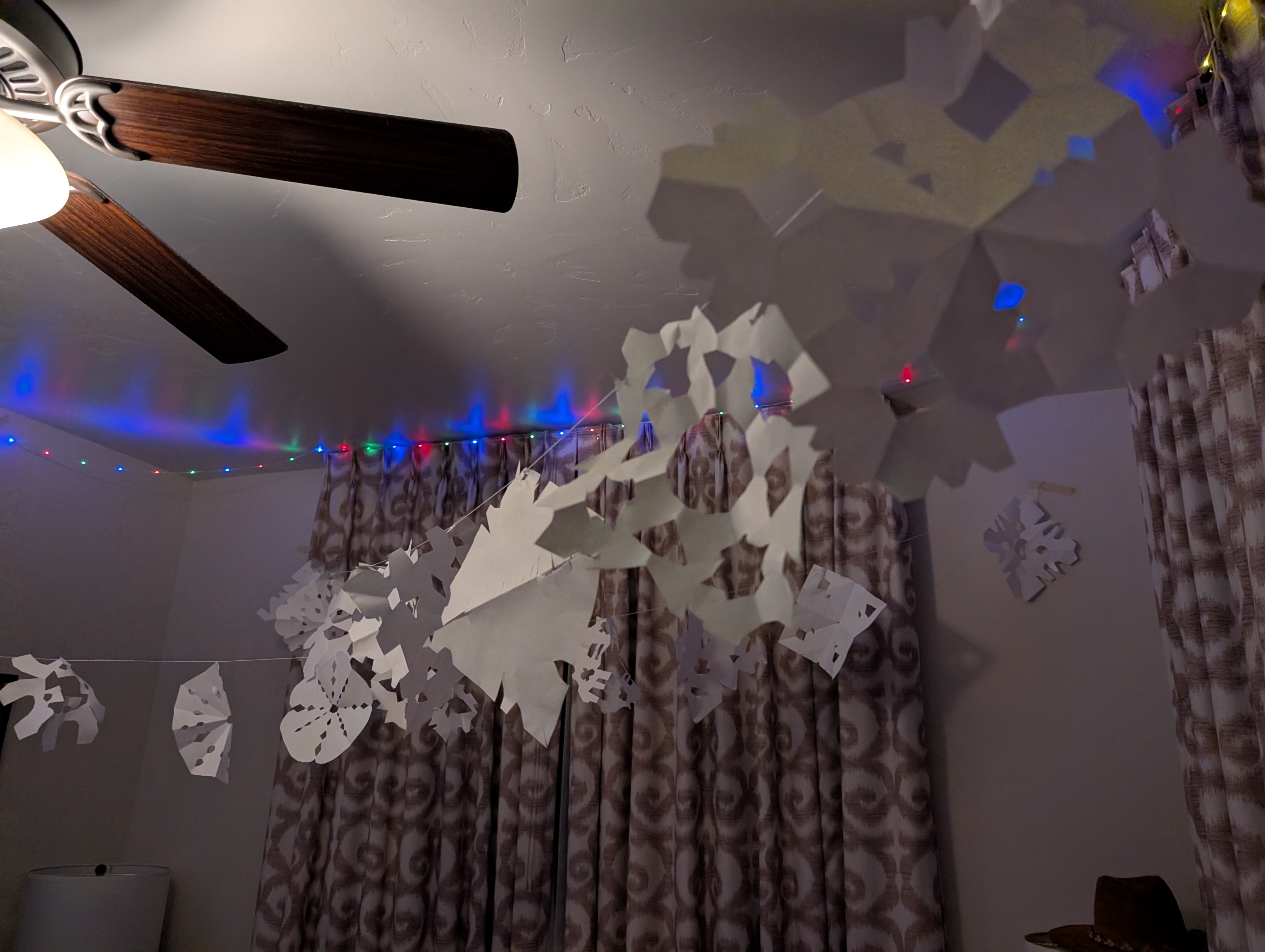
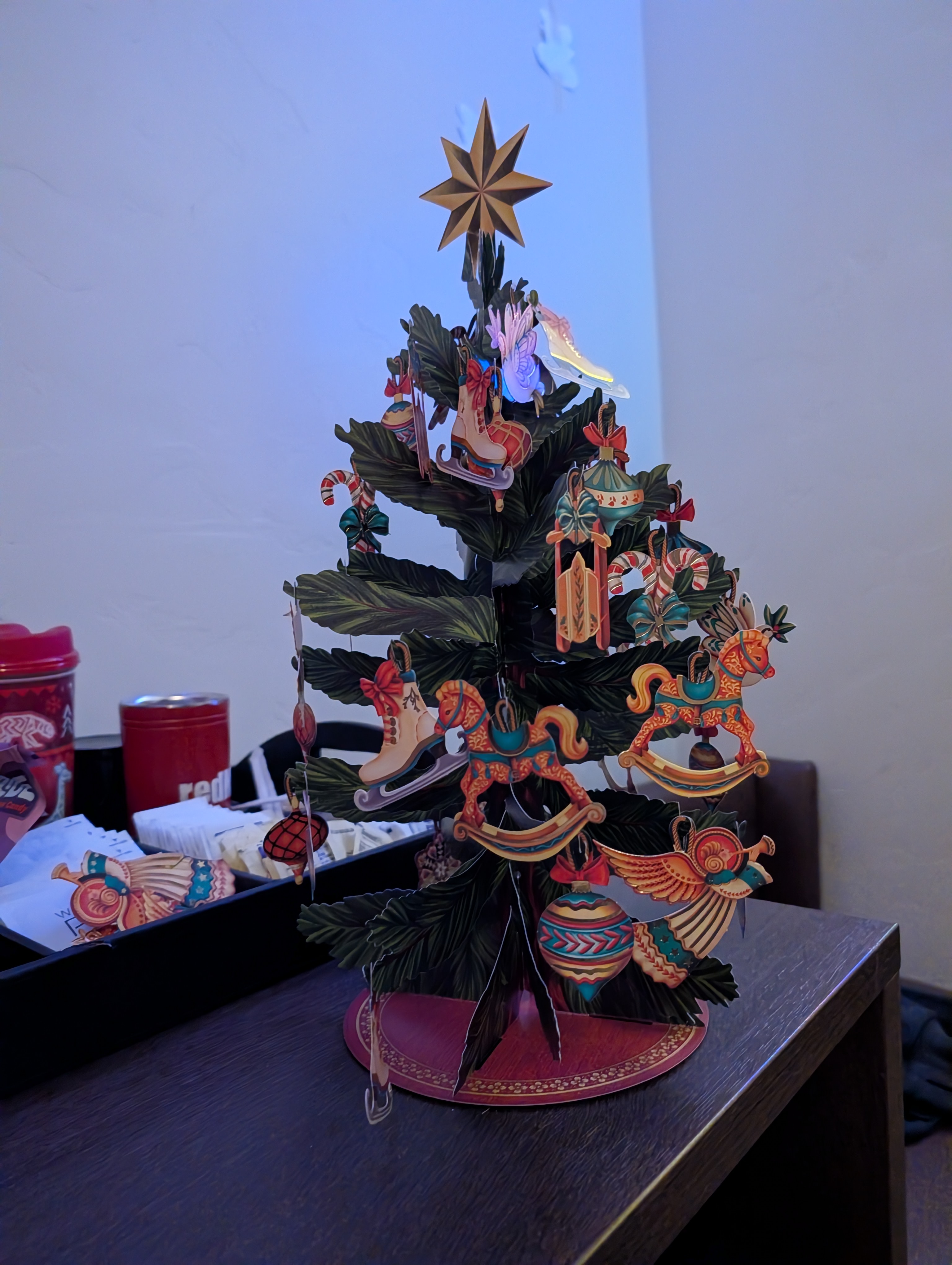
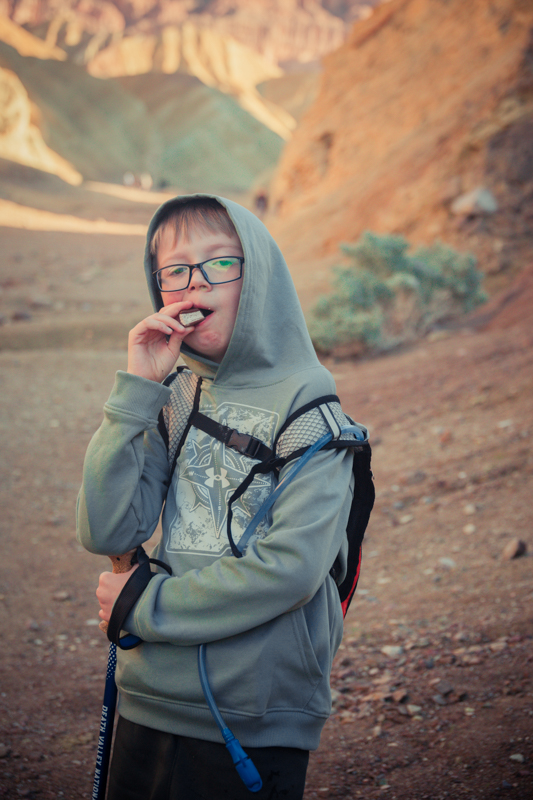
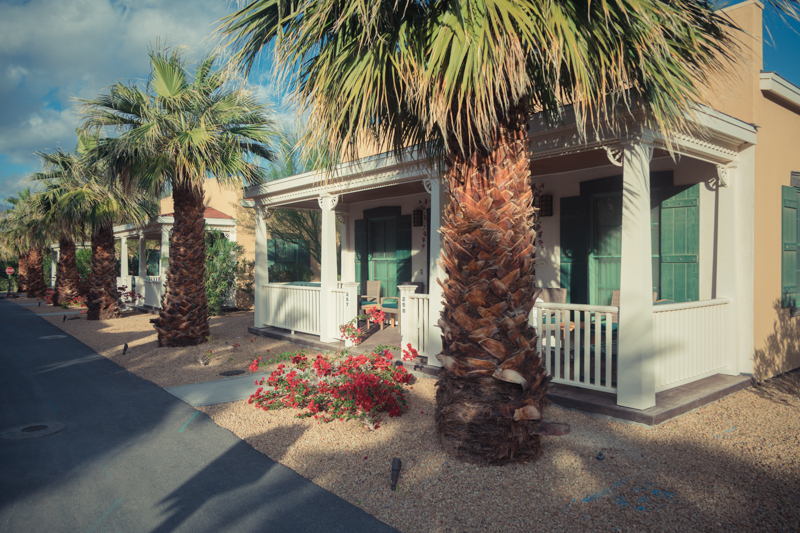
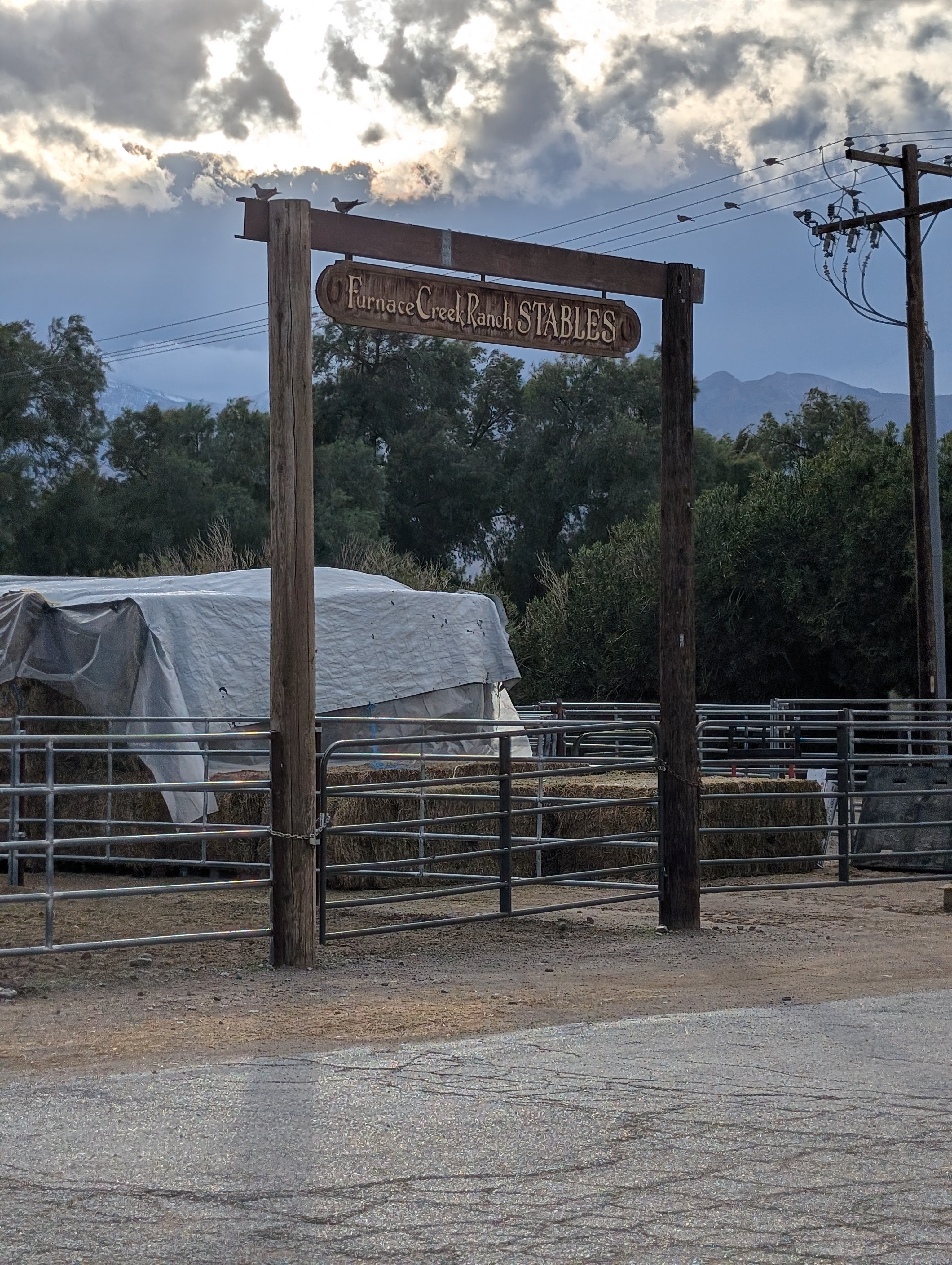
That evening, we leaned into the spirit of the place and had Christmas Eve dinner at the Last Kind Words Saloon, a spot that feels like it belongs to another era. Then we returned to our casita at The Ranch at Death Valley, an oasis tucked right into the heart of the park. And somehow, we made it Christmas. We decorated with paper snowflakes, a few lights, and a tiny paper tree. We drank hot chocolate, watched A Christmas Story, and wrote a note to Santa, leaving out cookies and milk like always. And guess what… he found us! The next morning, stockings were filled with hiking snacks.
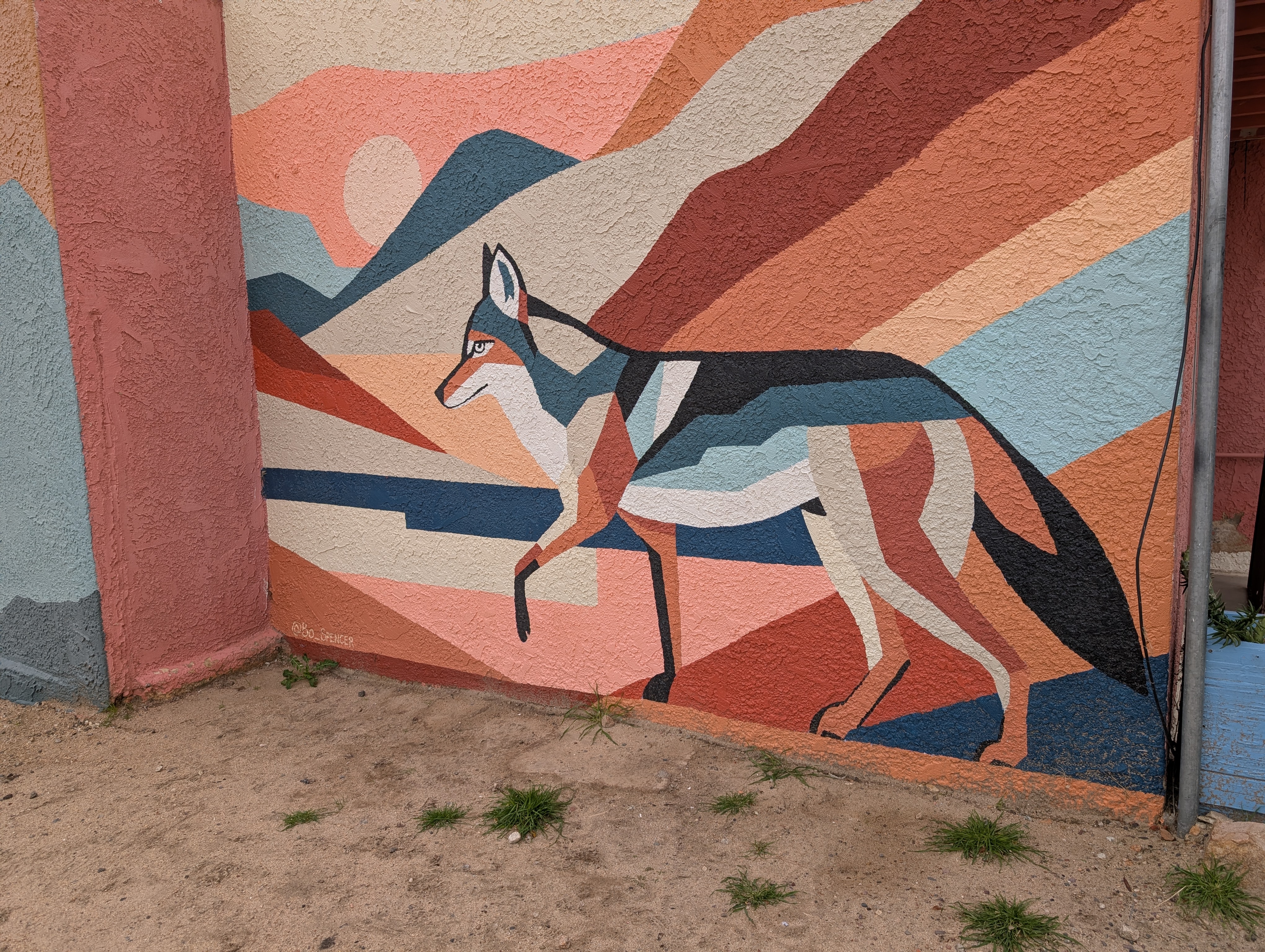
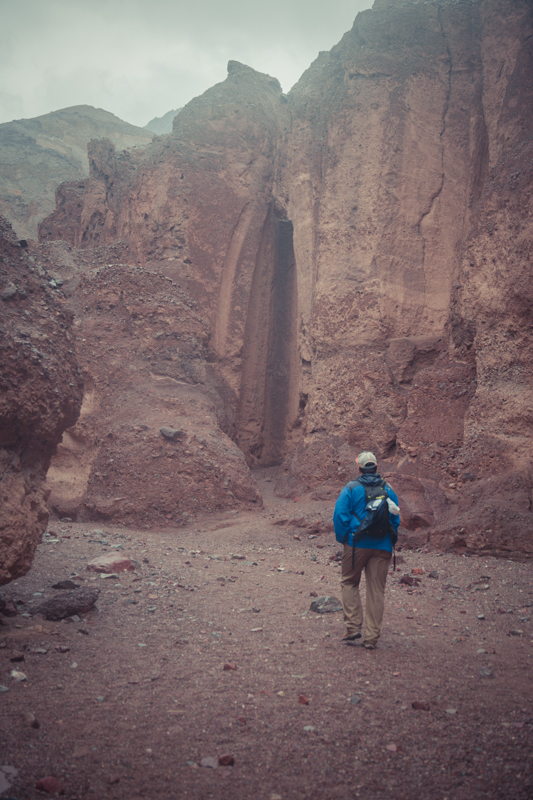
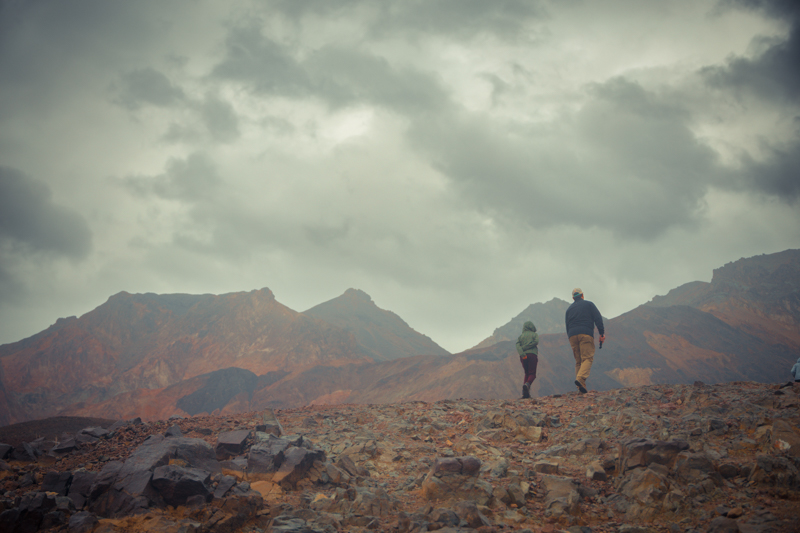
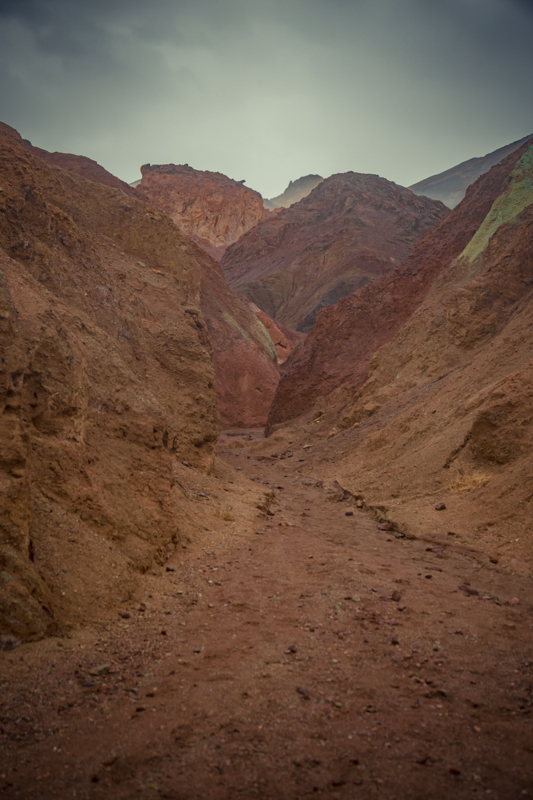
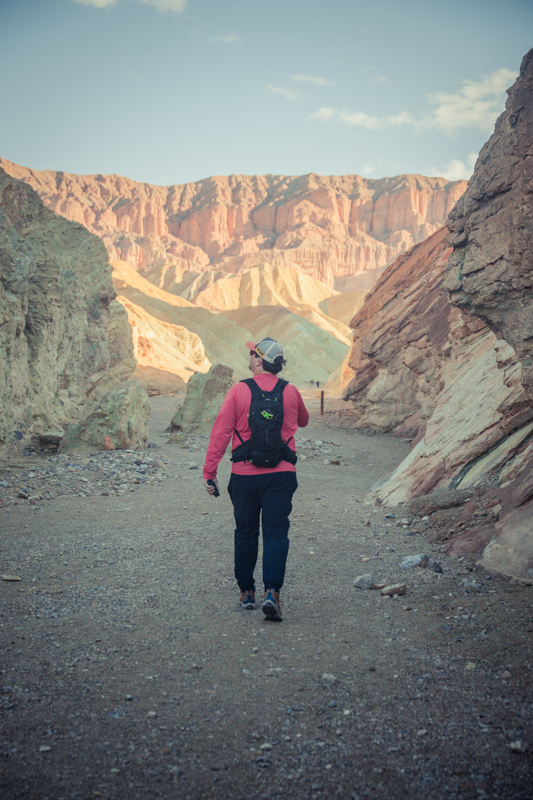
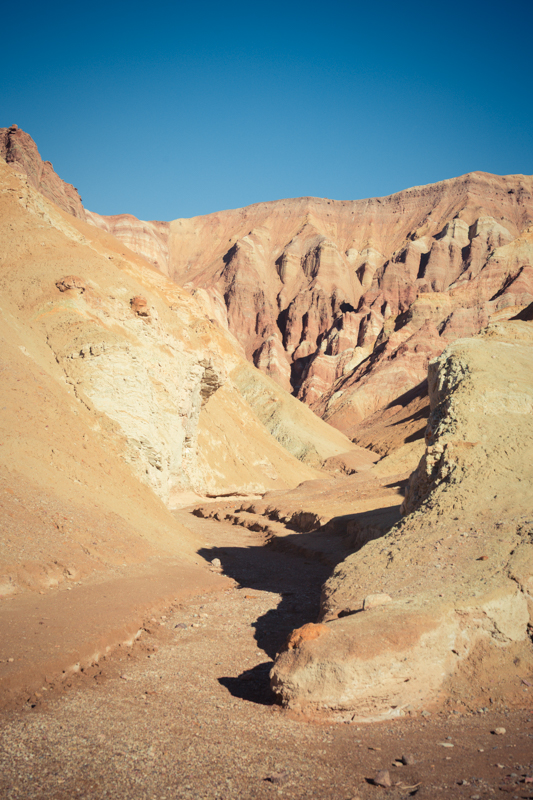
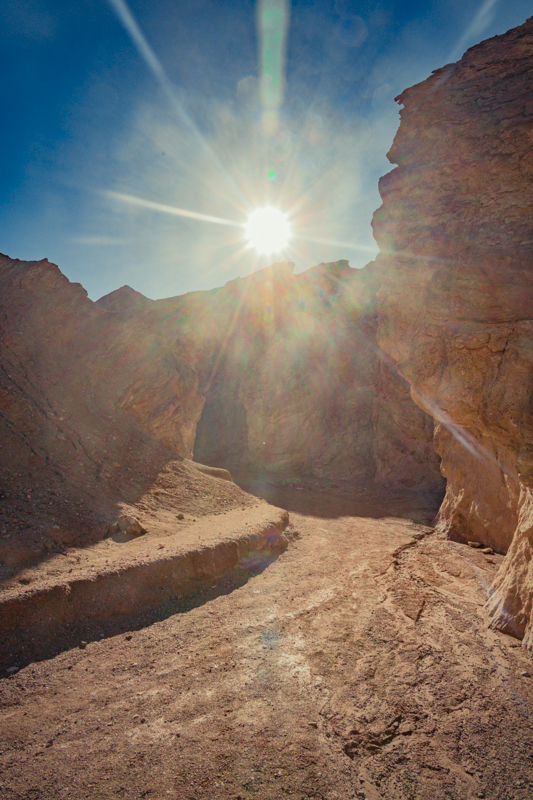
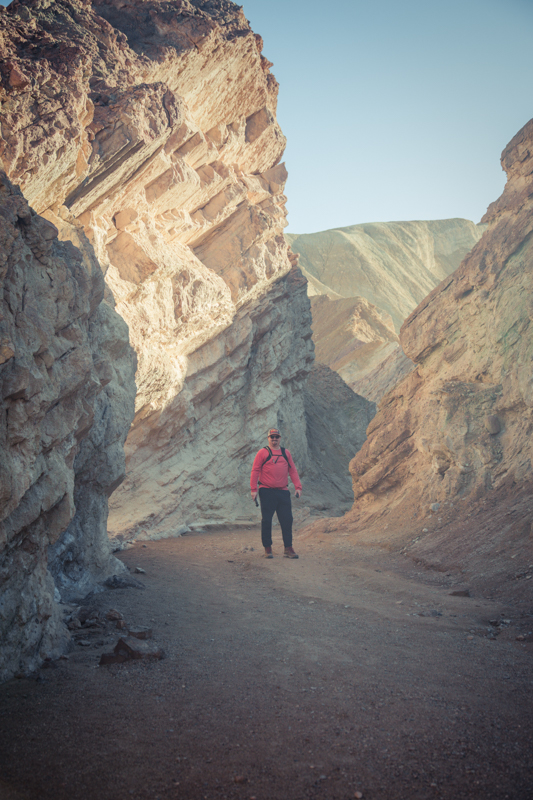
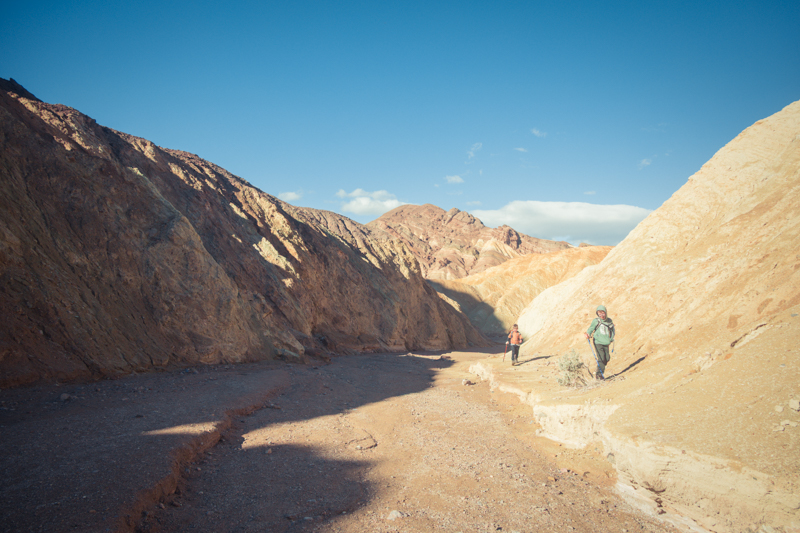
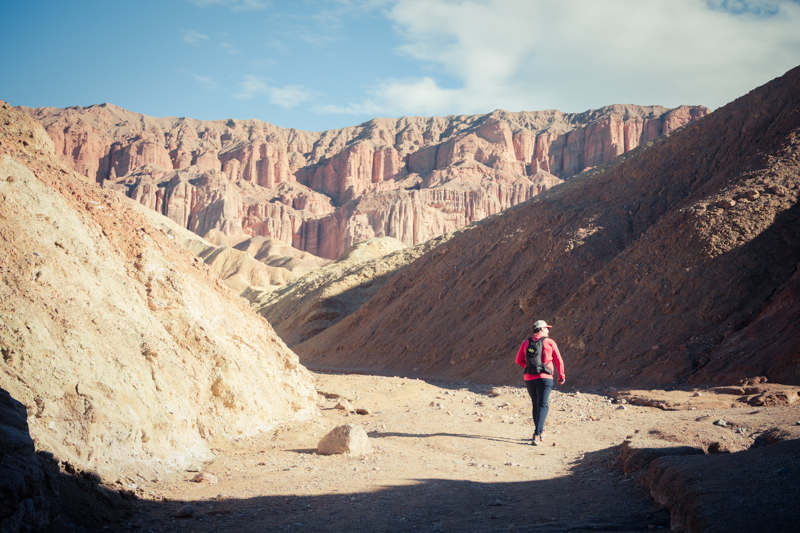
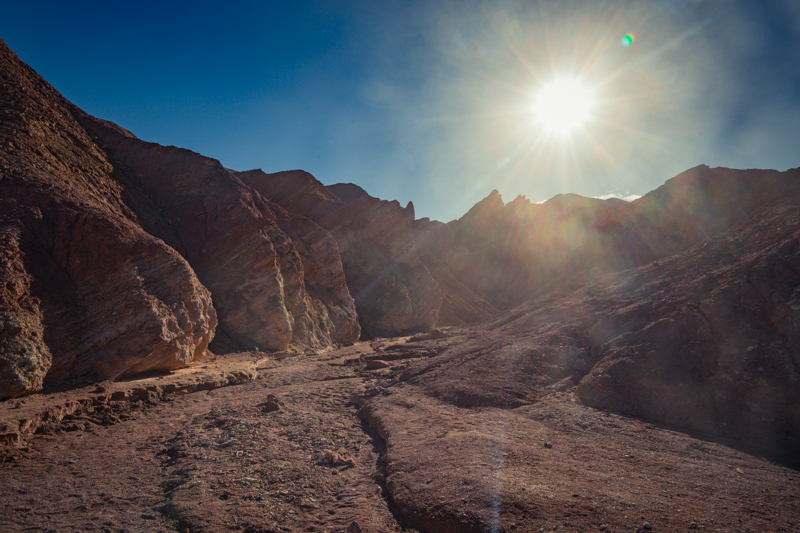
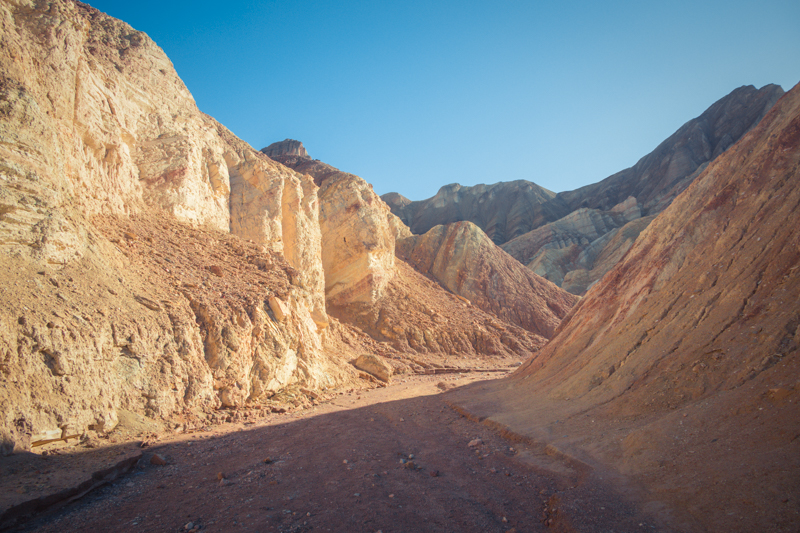
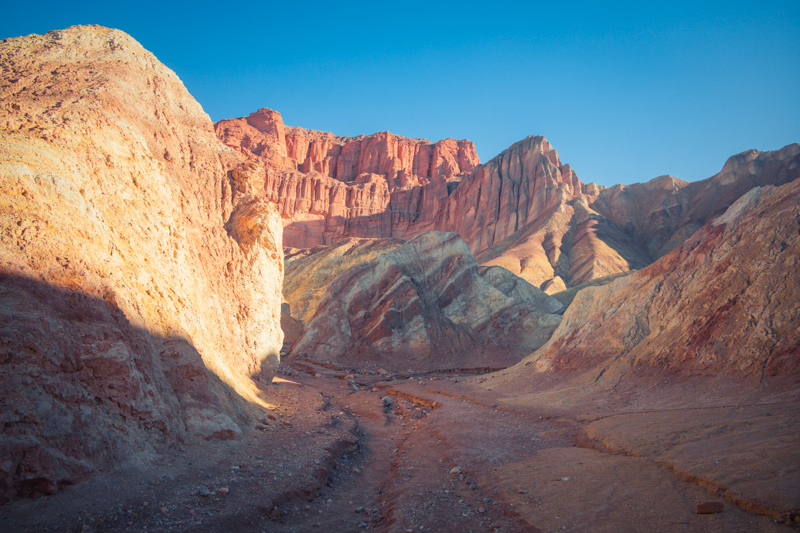
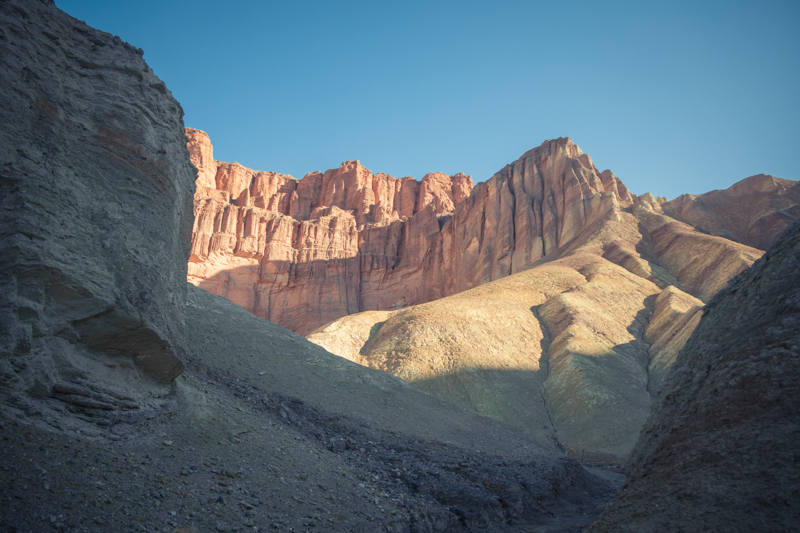
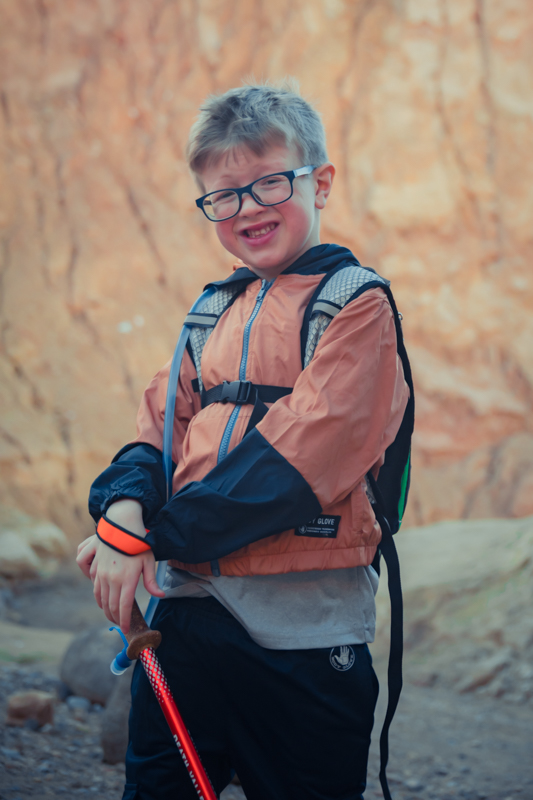
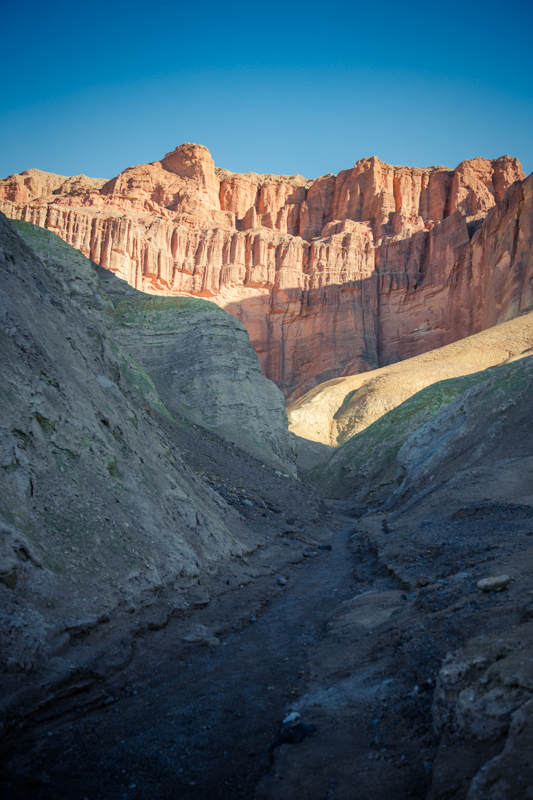
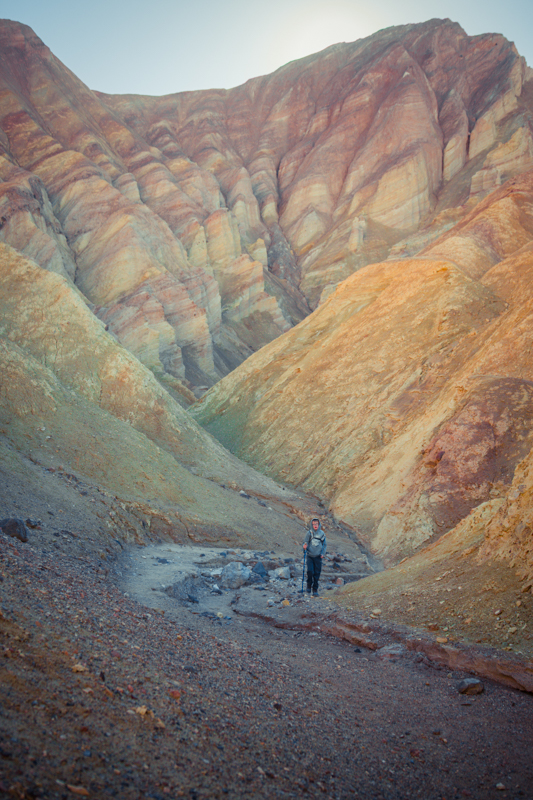
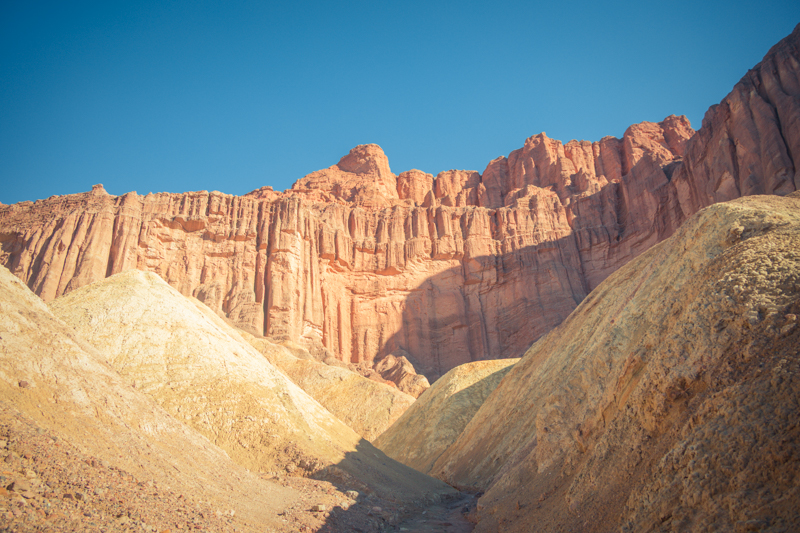
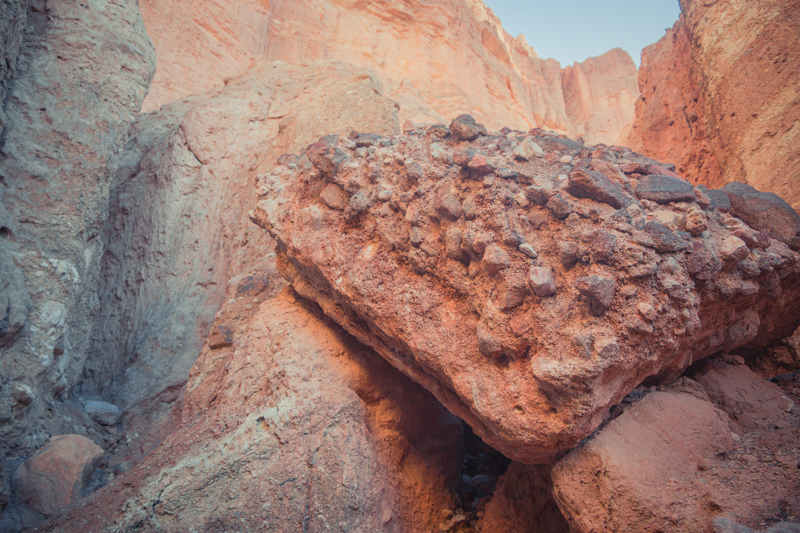
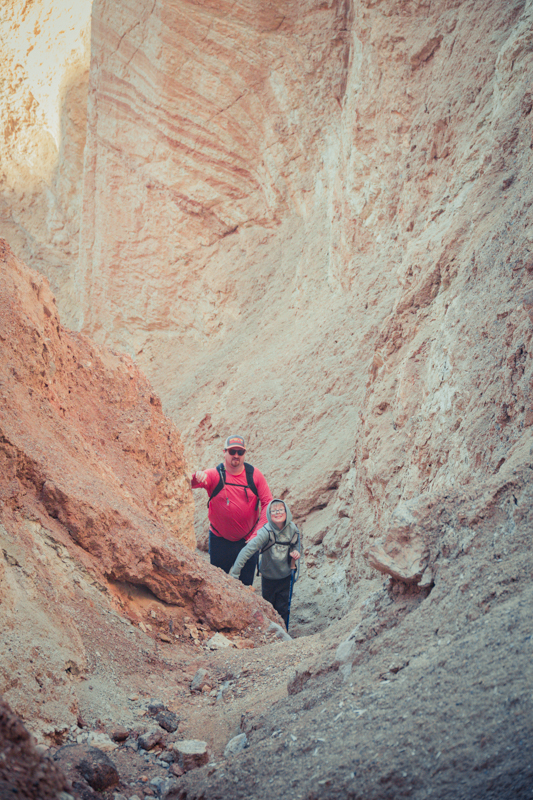
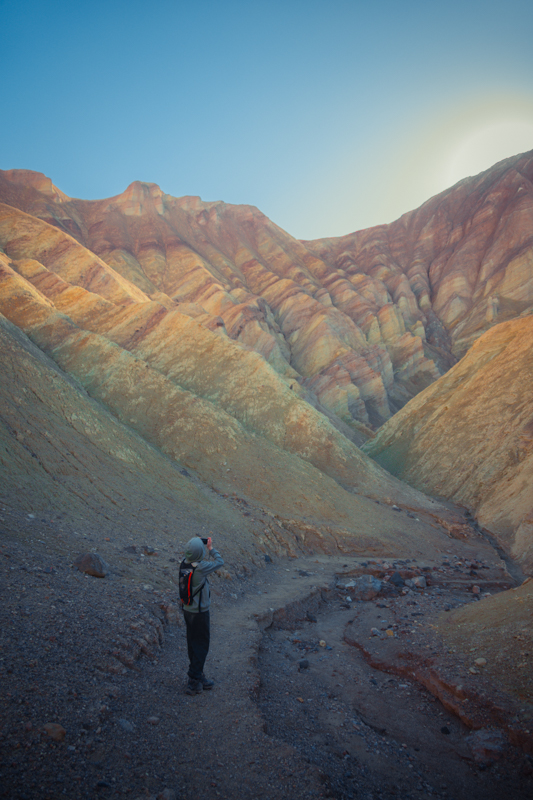
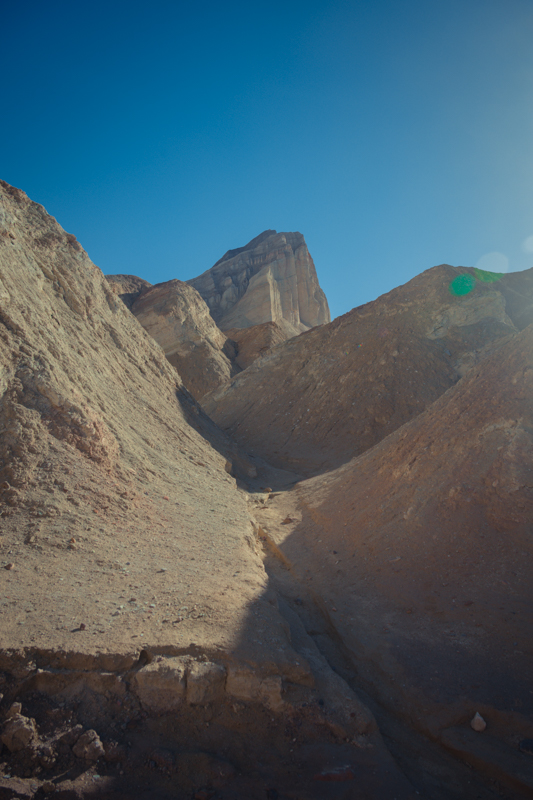
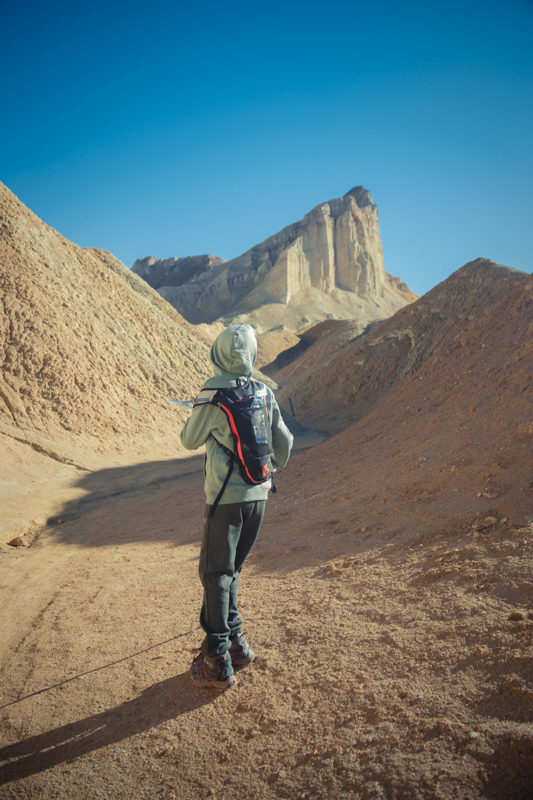
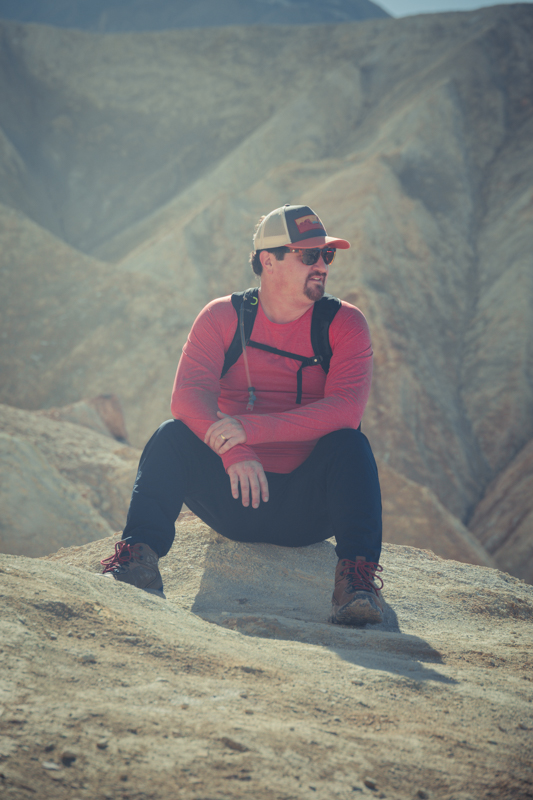
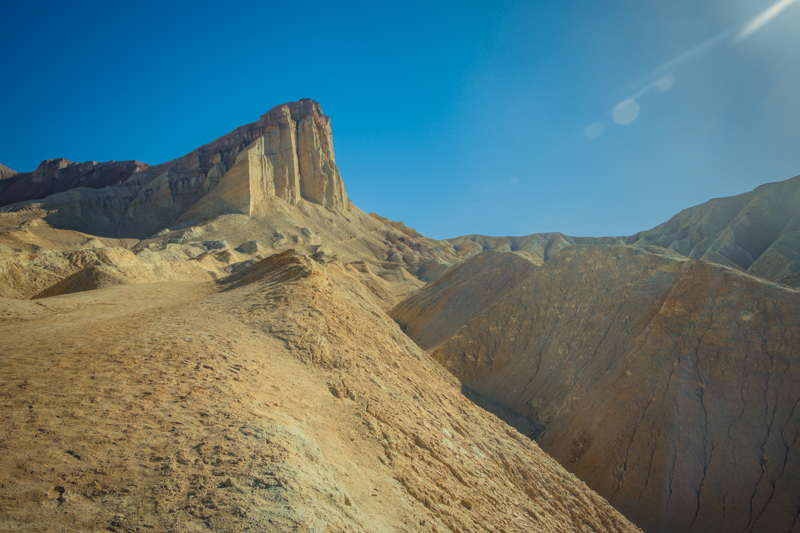
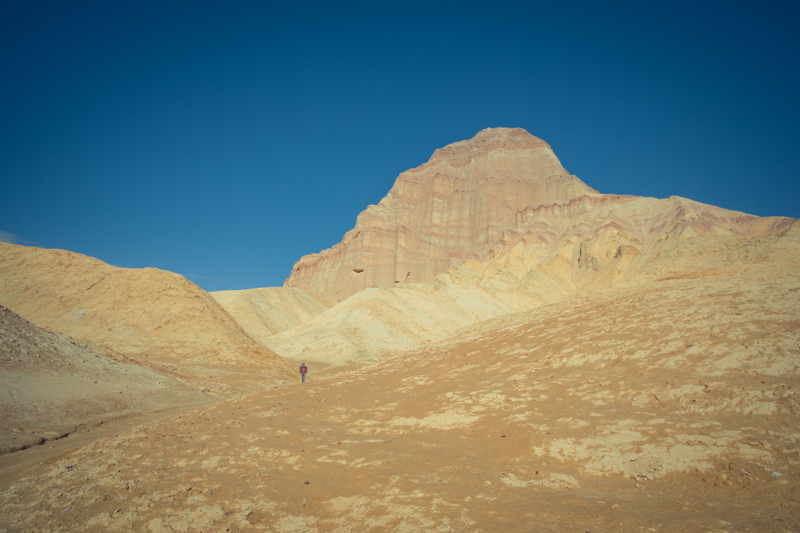
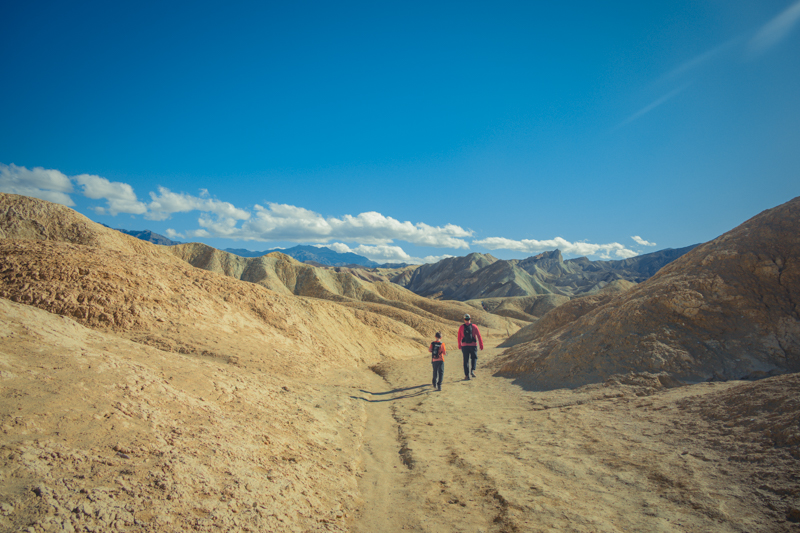
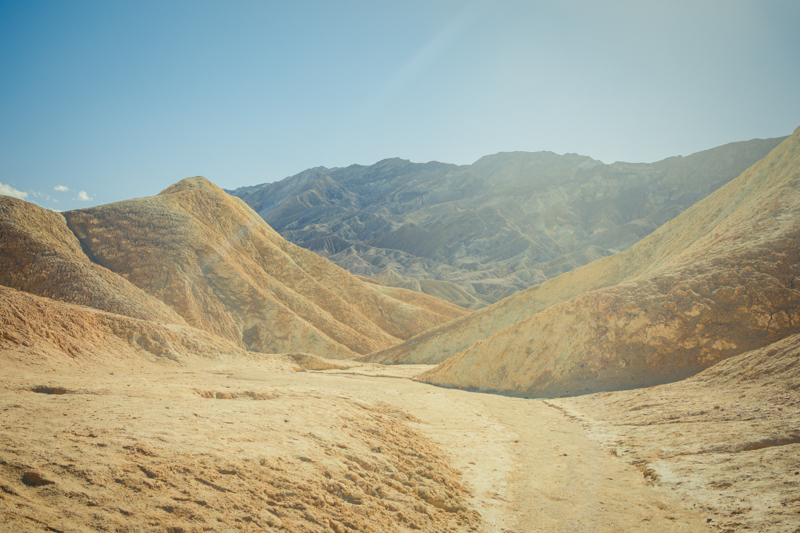
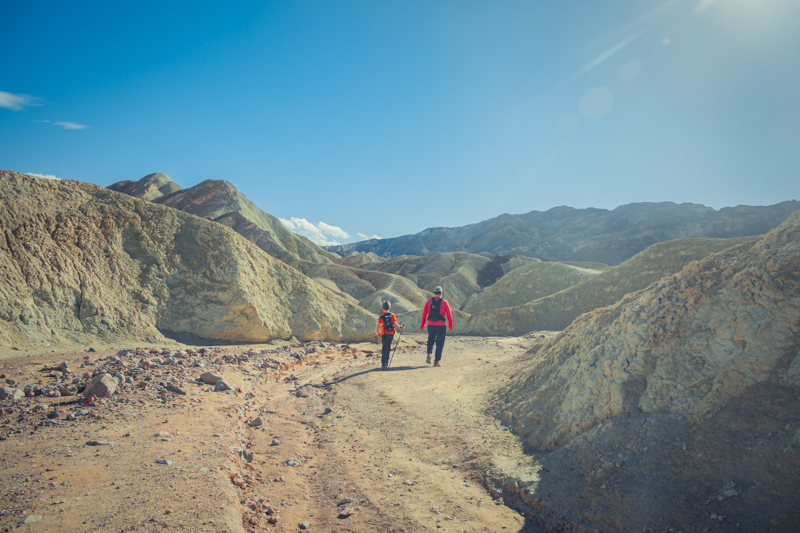
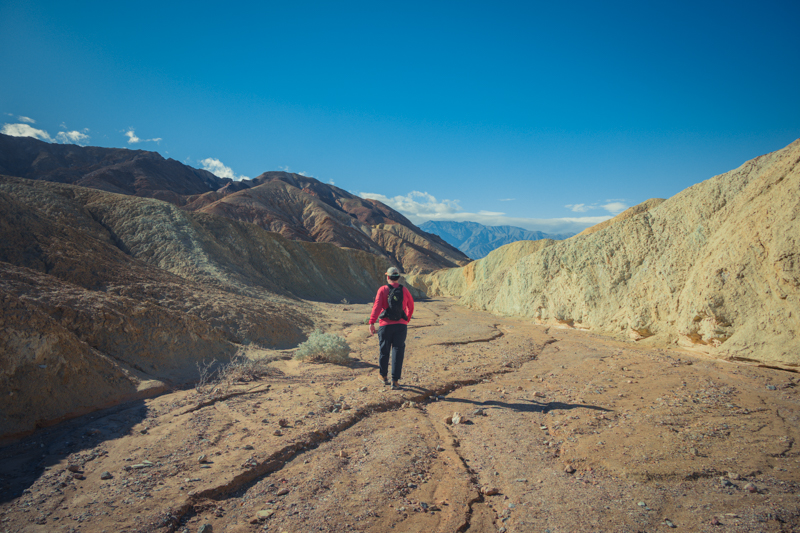
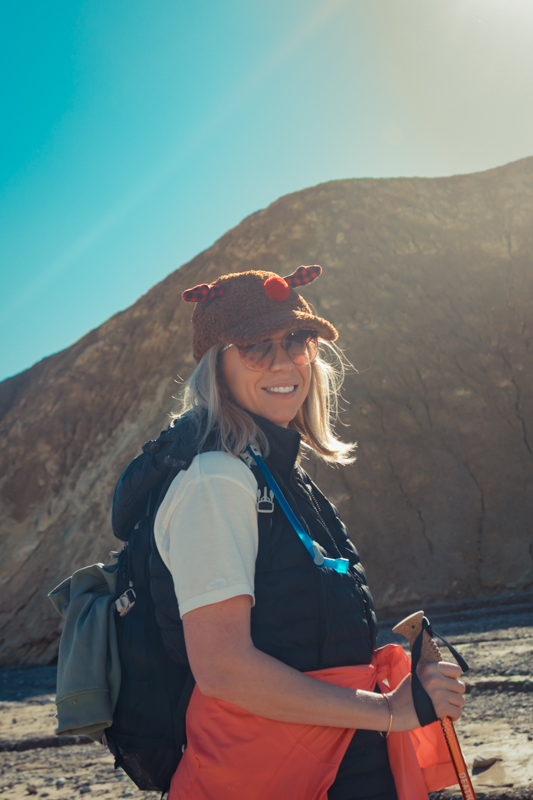
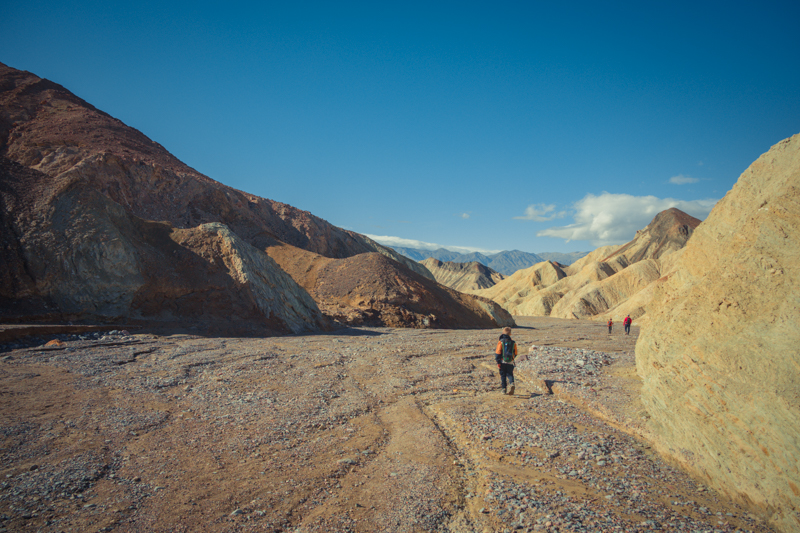
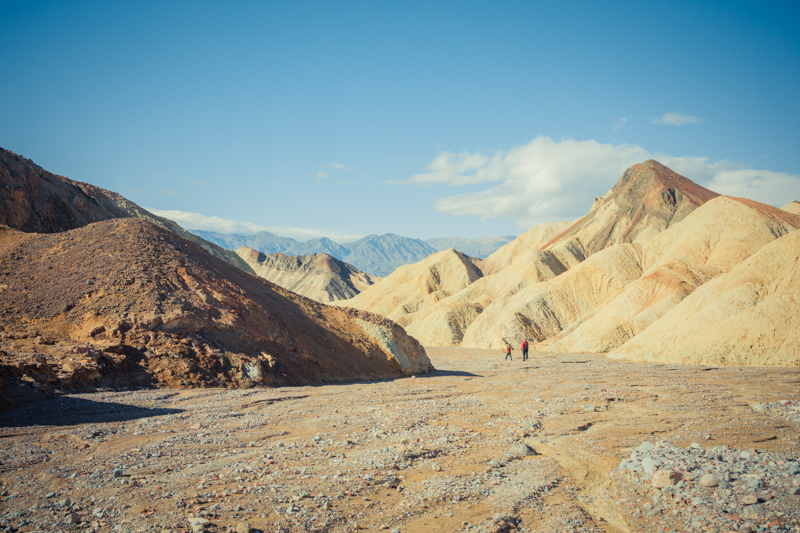
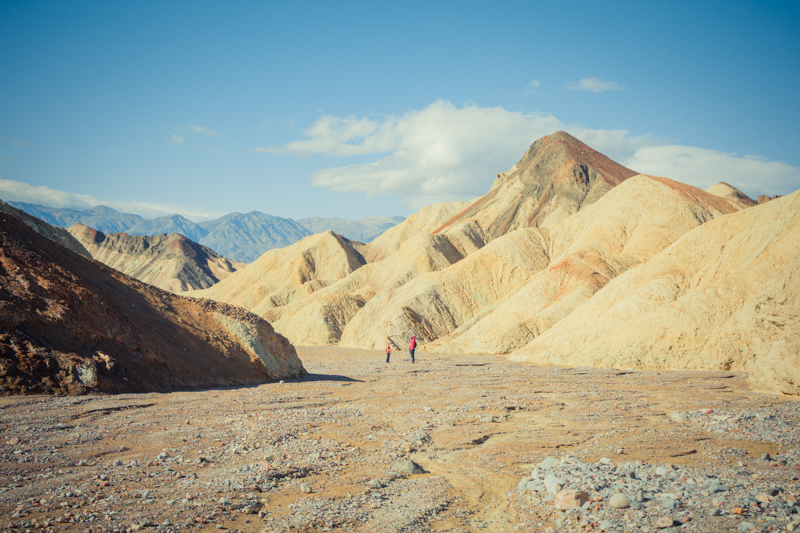
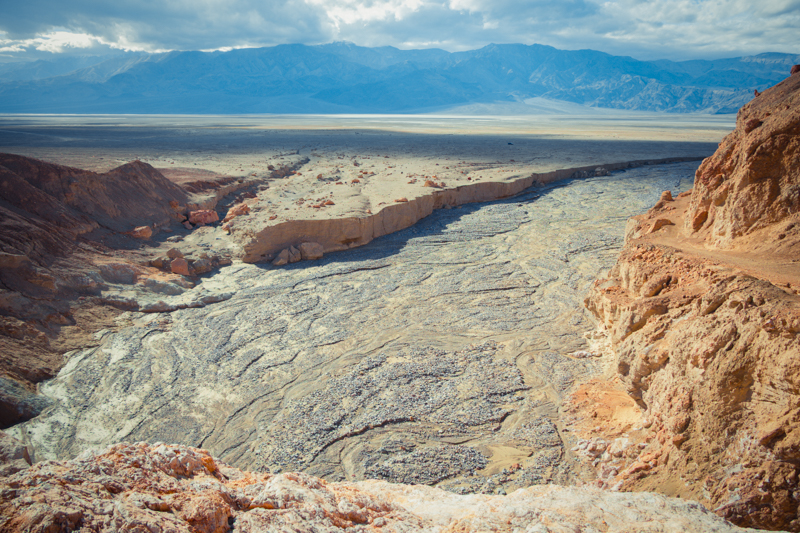
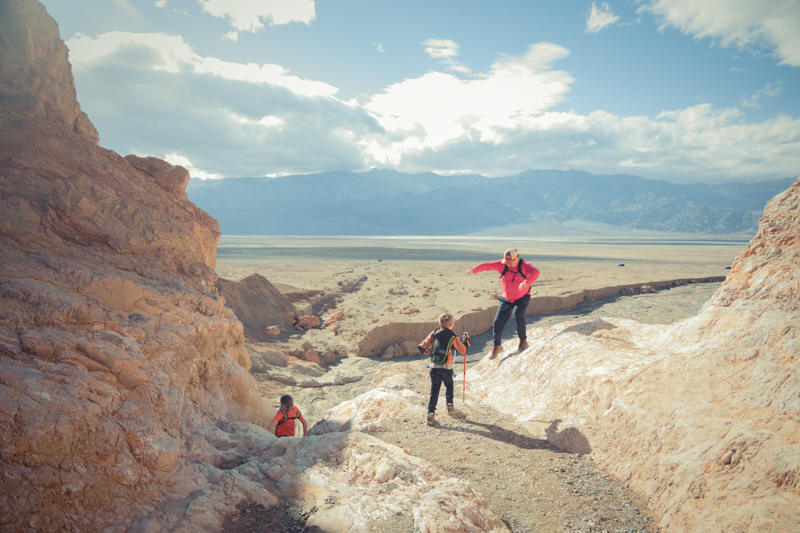
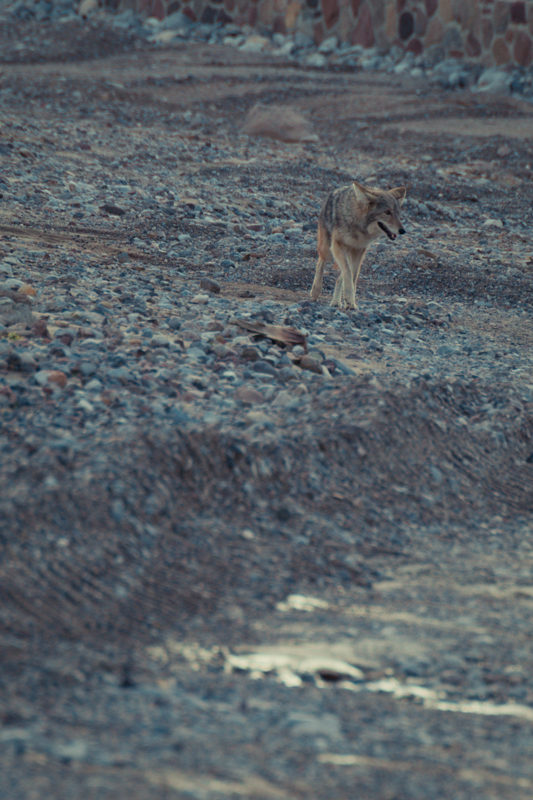
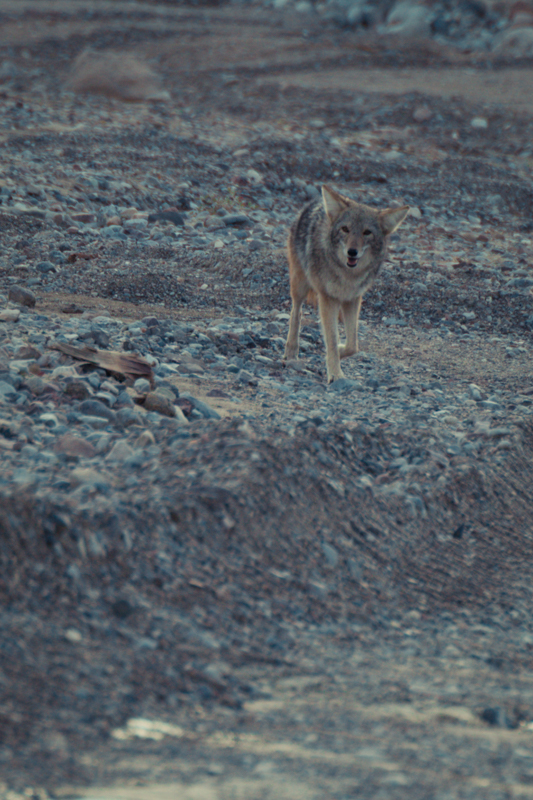
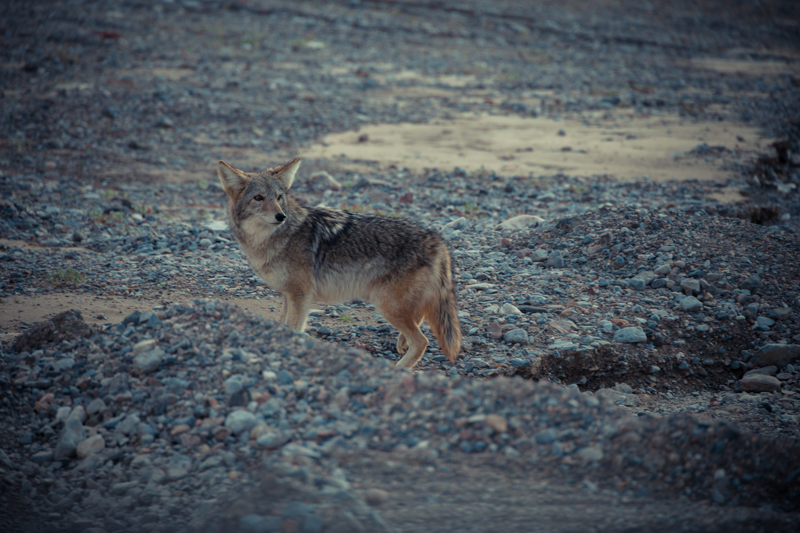
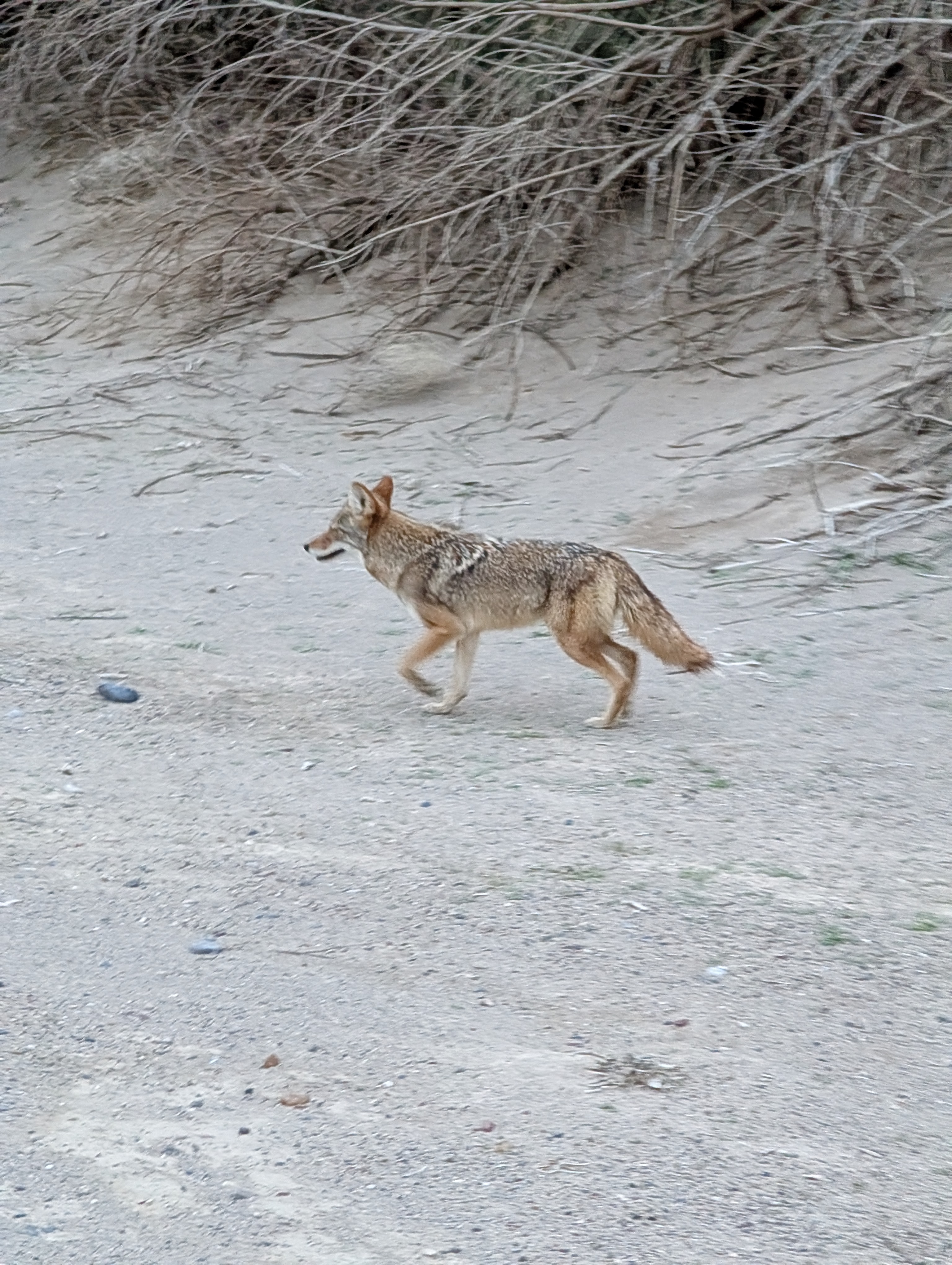
We started our Christmas Day adventure with a six-mile hike through Golden Canyon. The canyon walls glowed in warm golds and oranges, shaped over millions of years by water and time. By the end, we were completely exhausted, but it felt like the best kind of gift. One earned step by step. We even spotted a coyote moving quietly through the park. A small, fleeting moment that felt like a gift in itself.
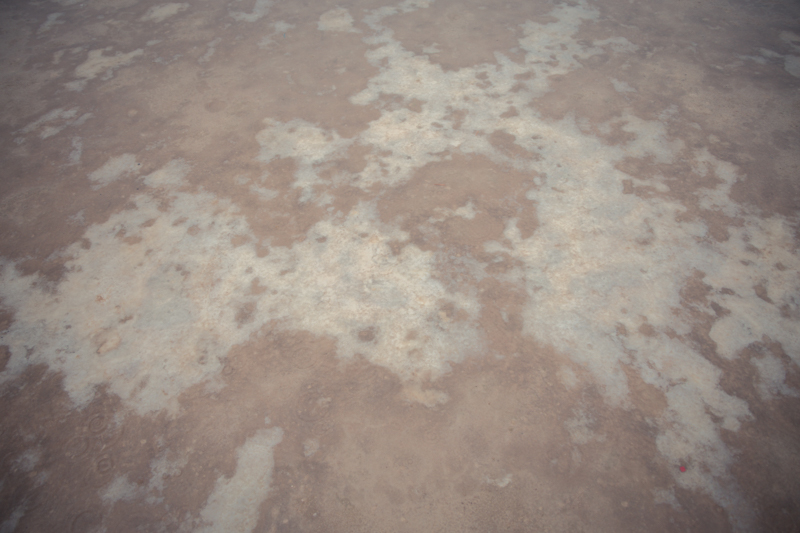
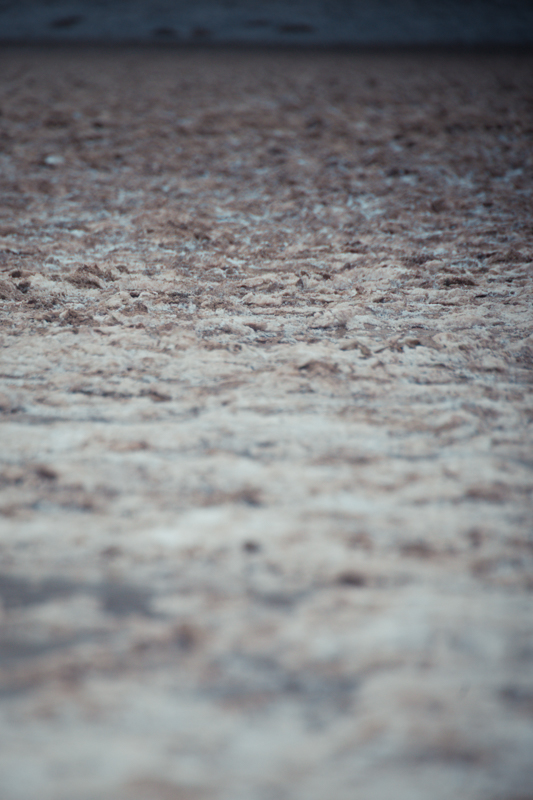
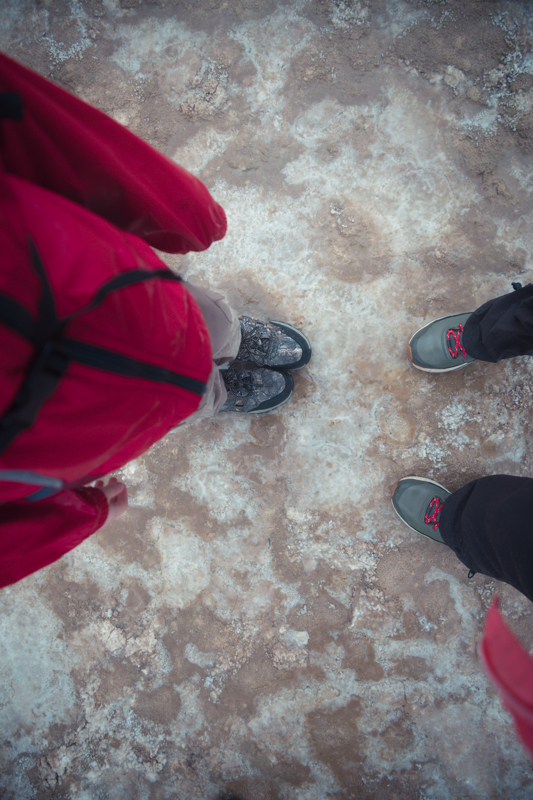
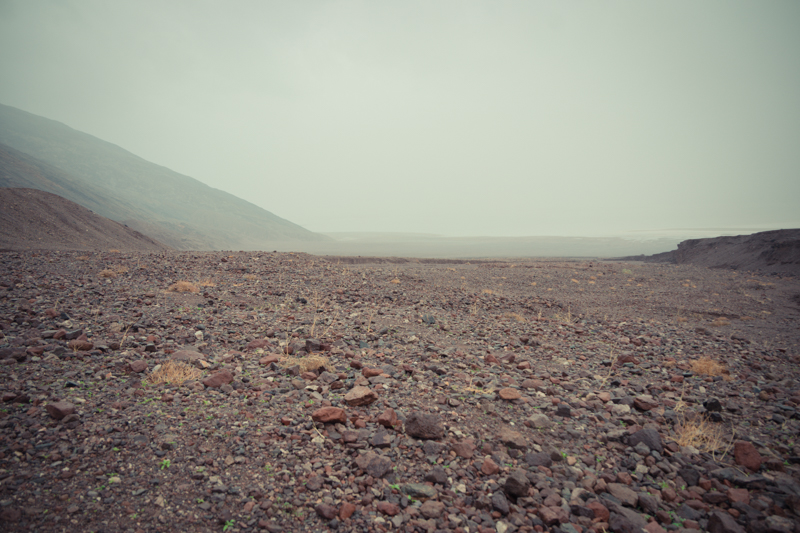
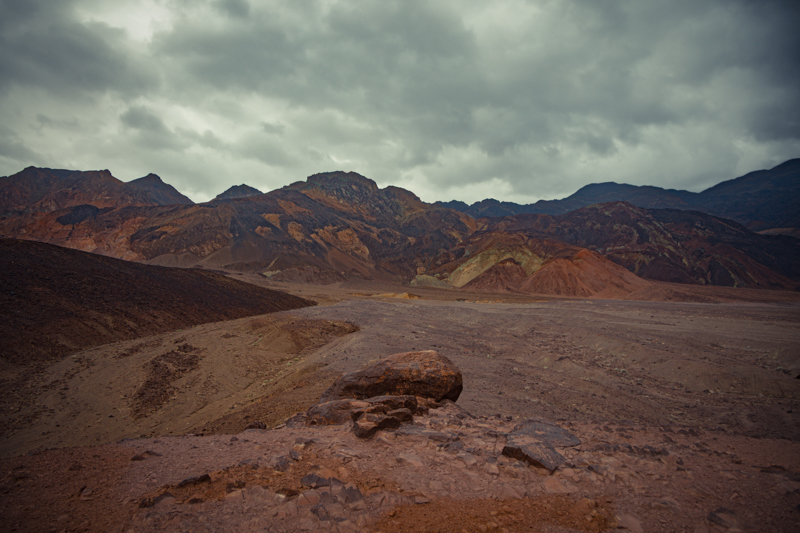
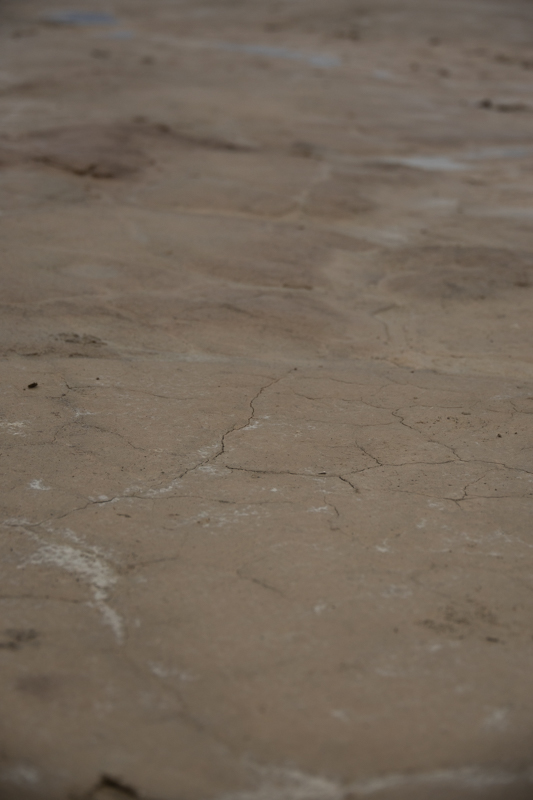
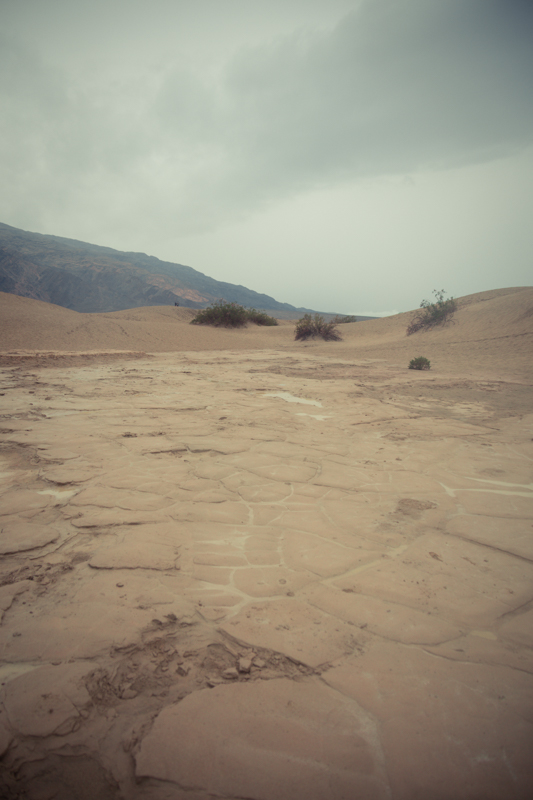
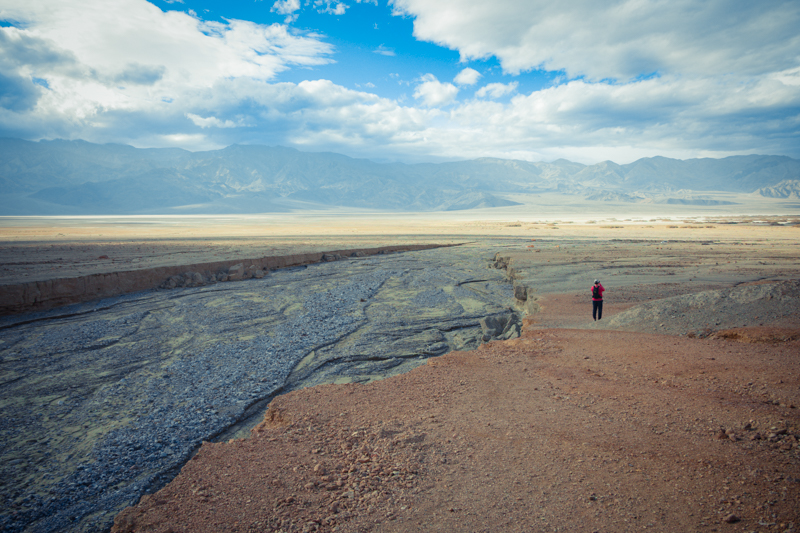
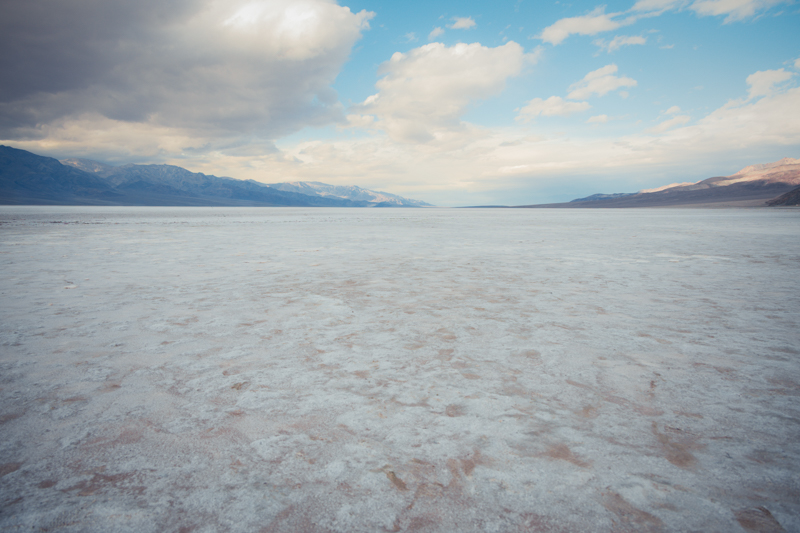
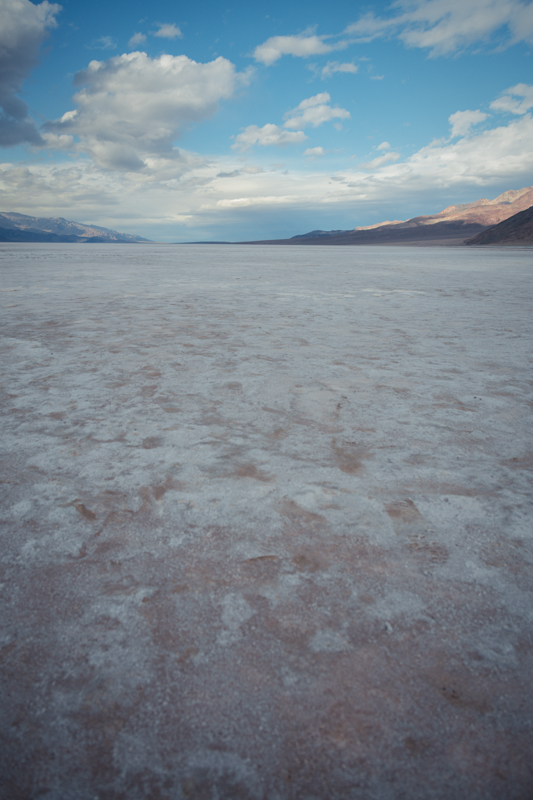
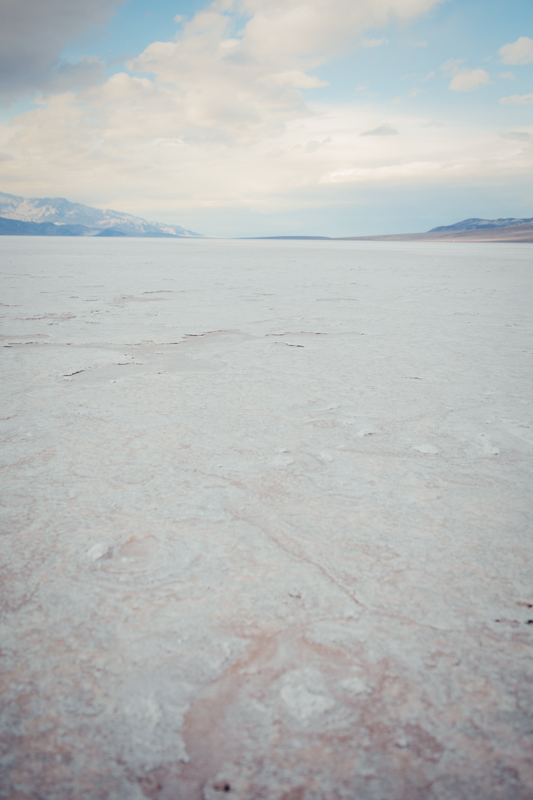
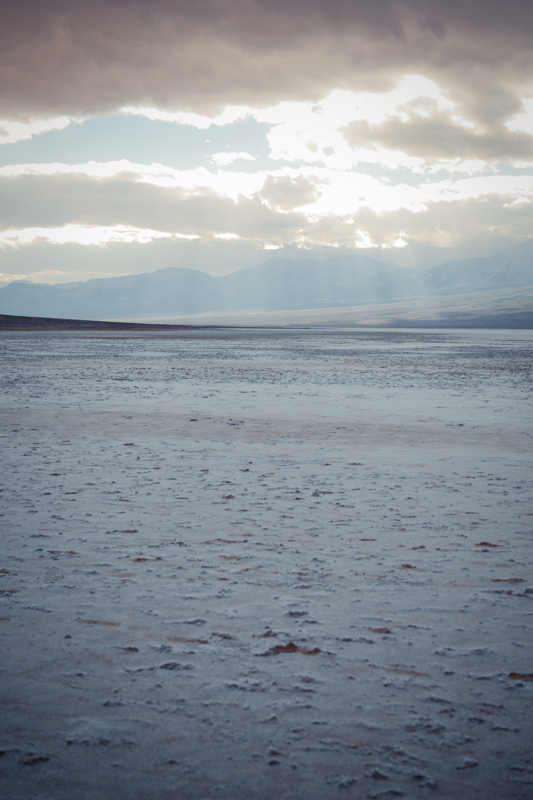
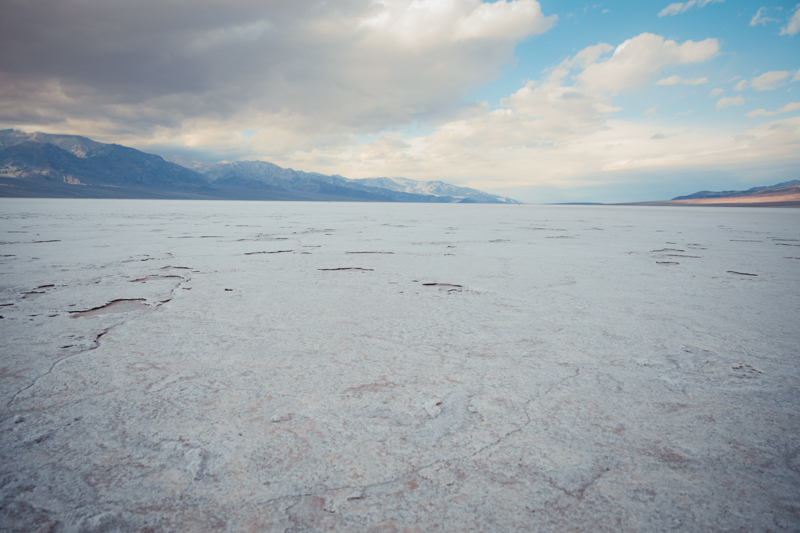
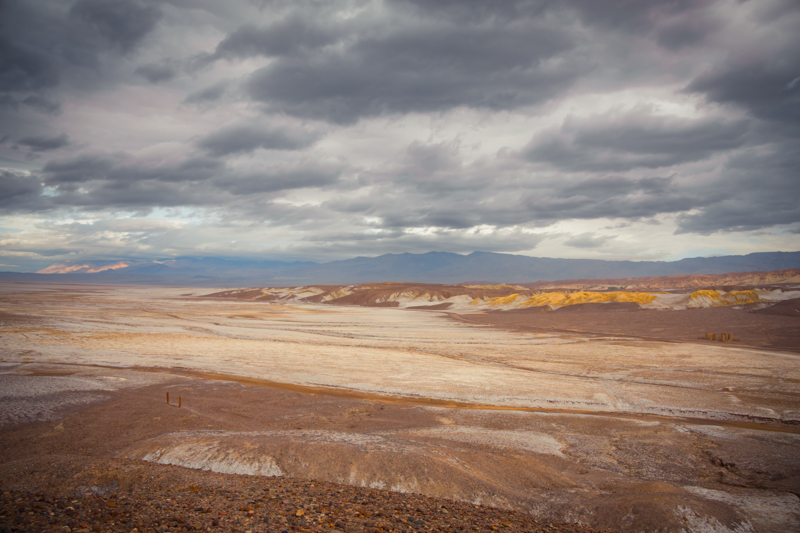
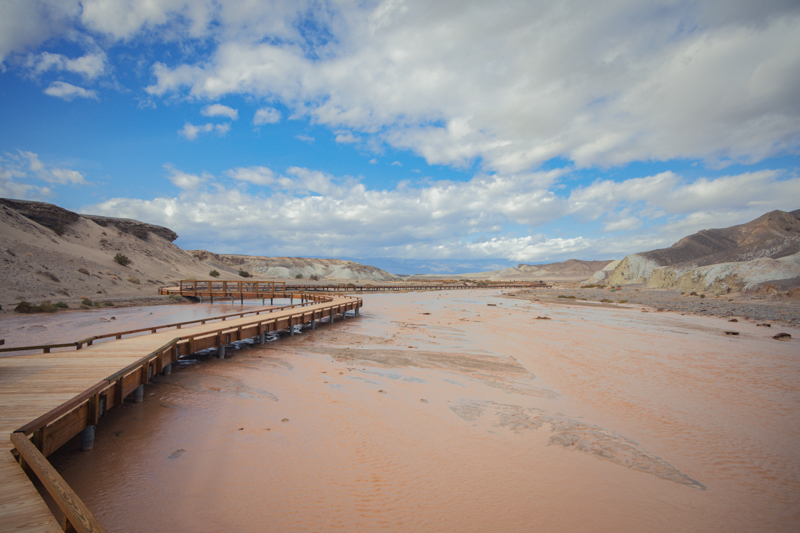
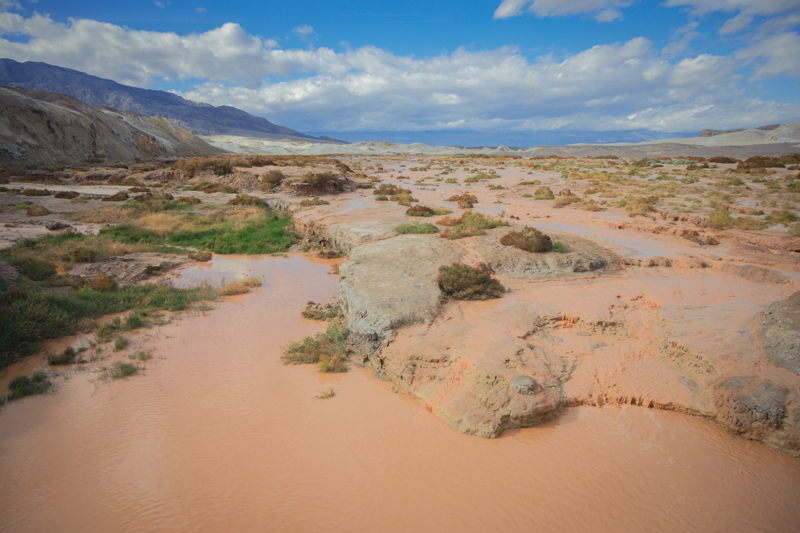
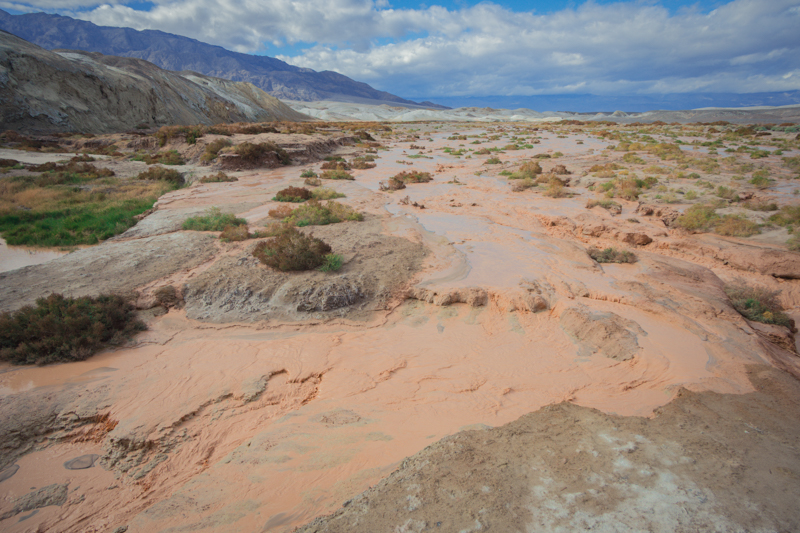
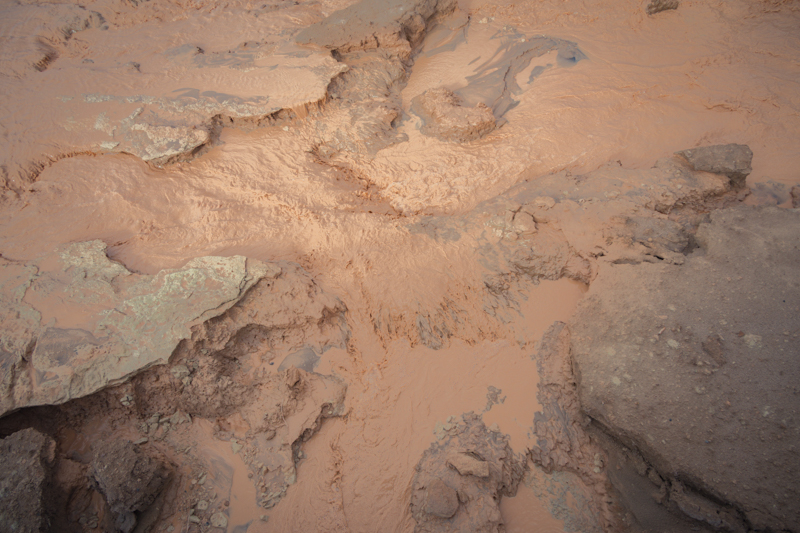
Before heading back, I made one more stop at the salt flats—this time without the rain. The second trip was well worth it, giving me even more beautiful photos of strange terrain.
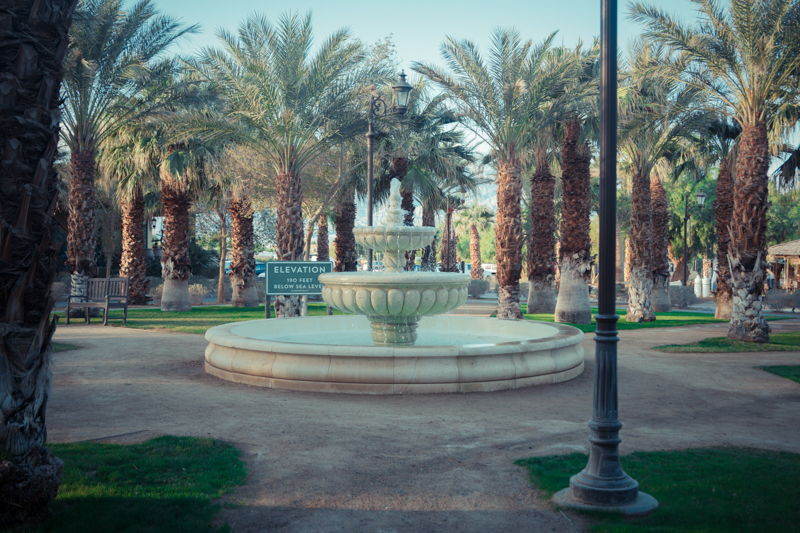
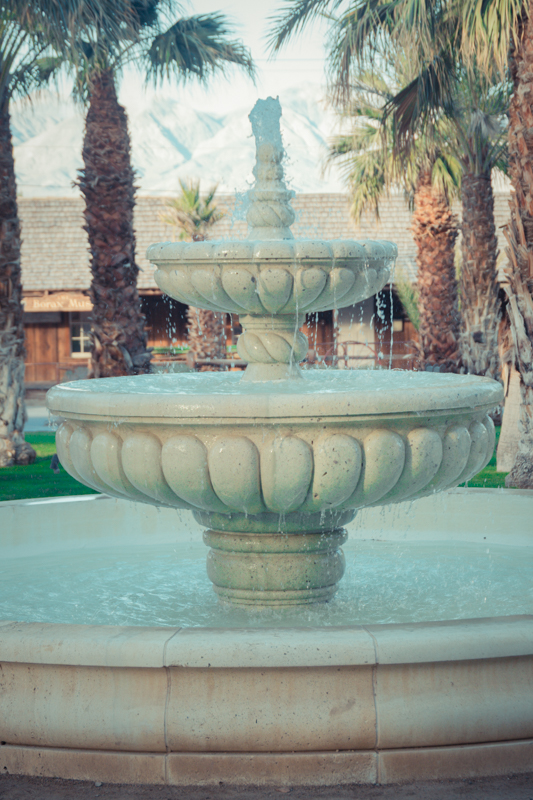
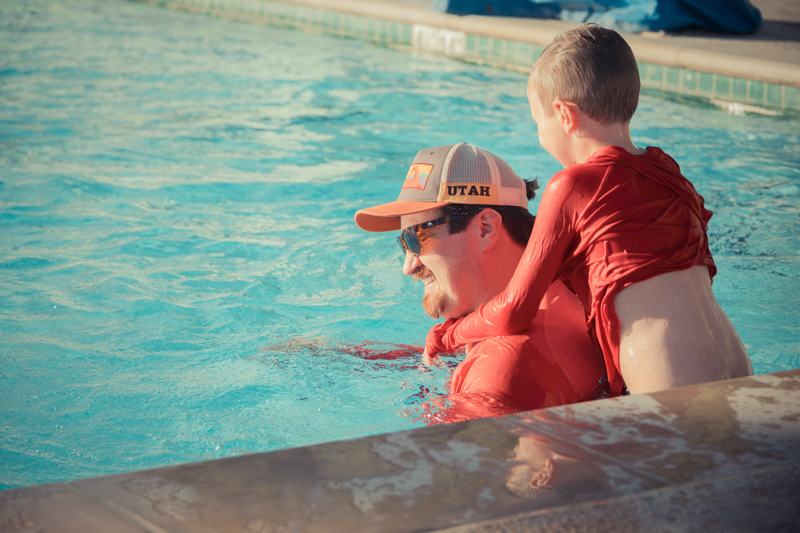
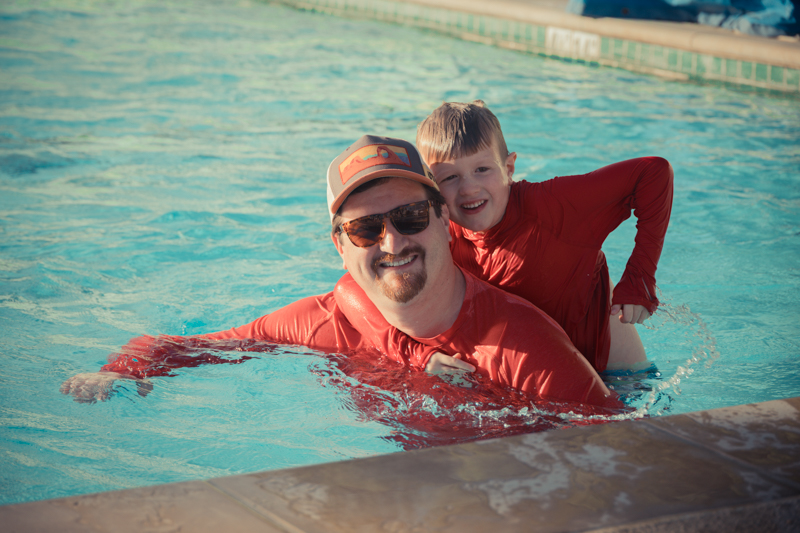
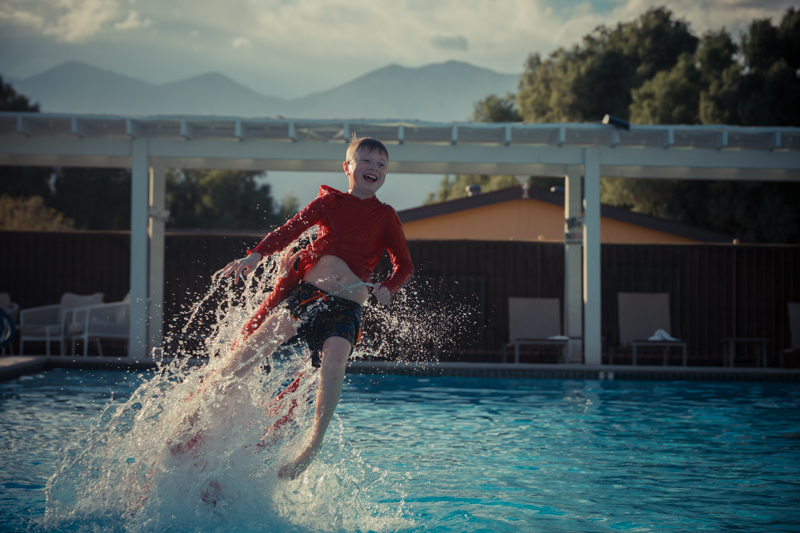
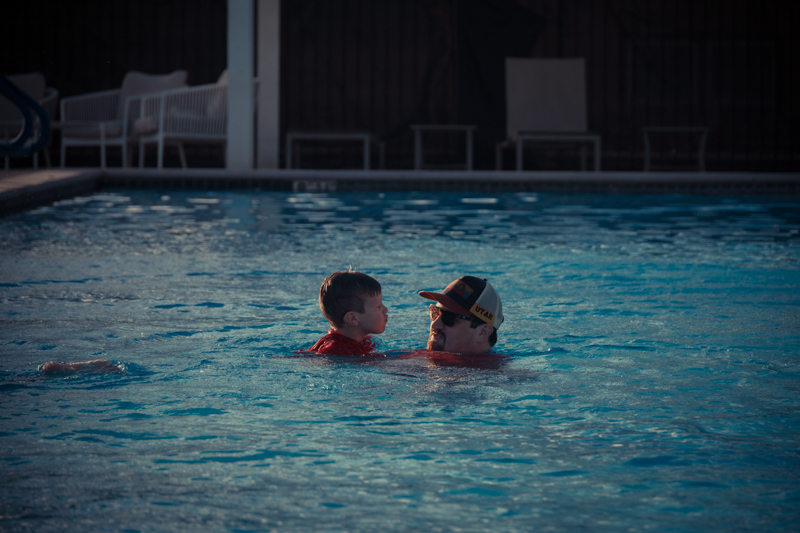
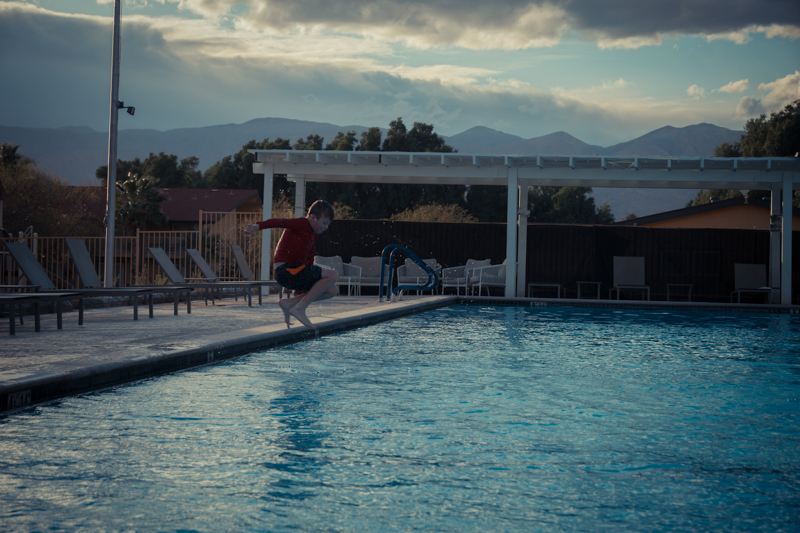
Later that afternoon, we swam in the resort’s natural spring-fed pool, surrounded by palm trees and mountains. It felt almost surreal—this lush, quiet pocket of life in one of the hottest places on earth. Death Valley holds the record for the hottest temperature ever recorded on Earth, 134°F, and yet here we were, celebrating Christmas in cool air, wrapped in stillness and calm.
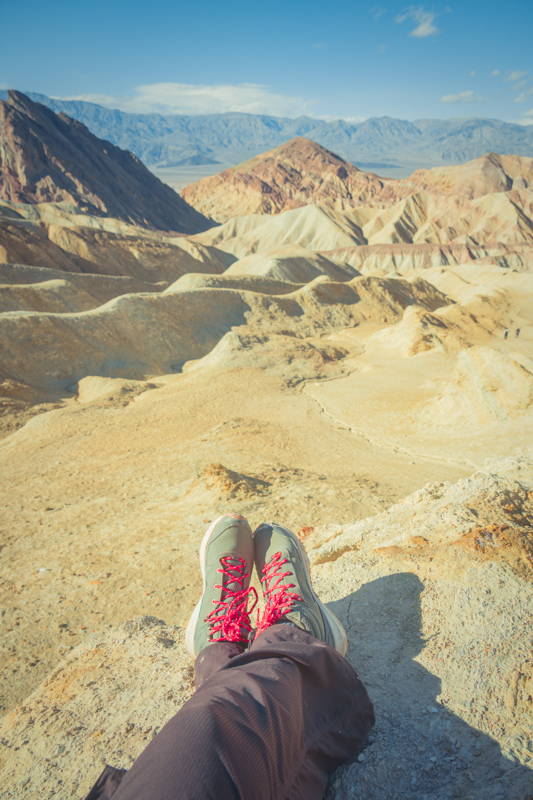
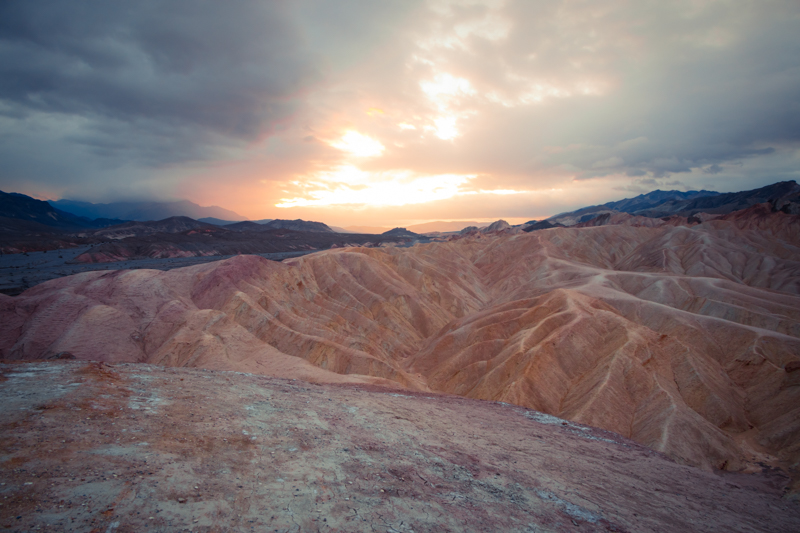
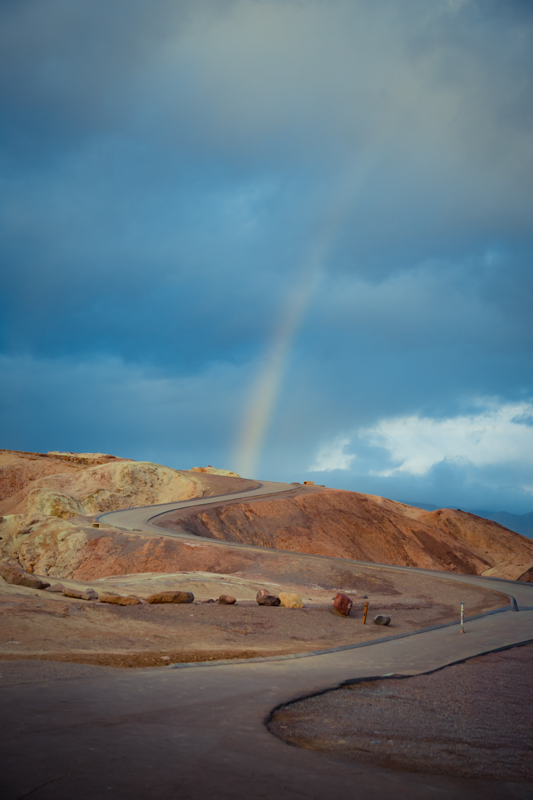
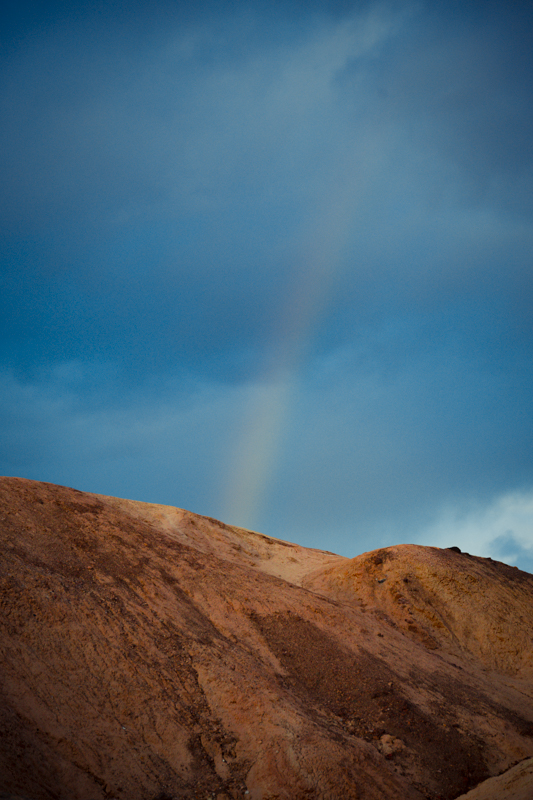
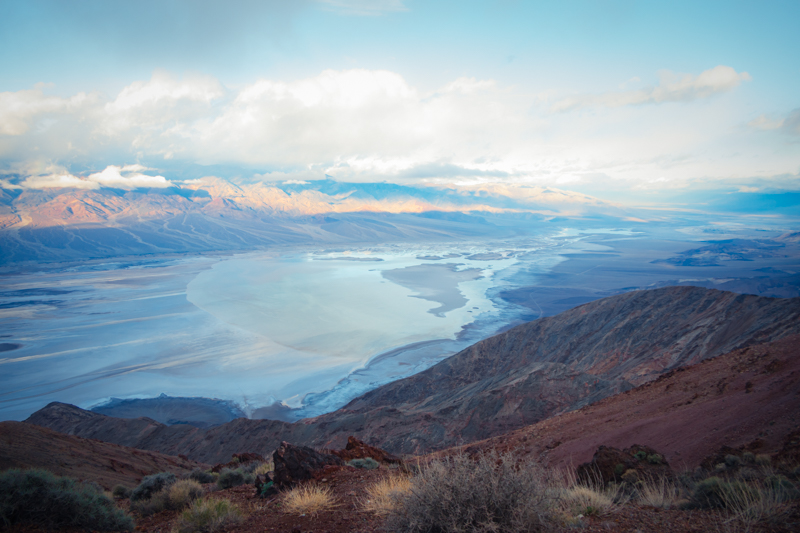
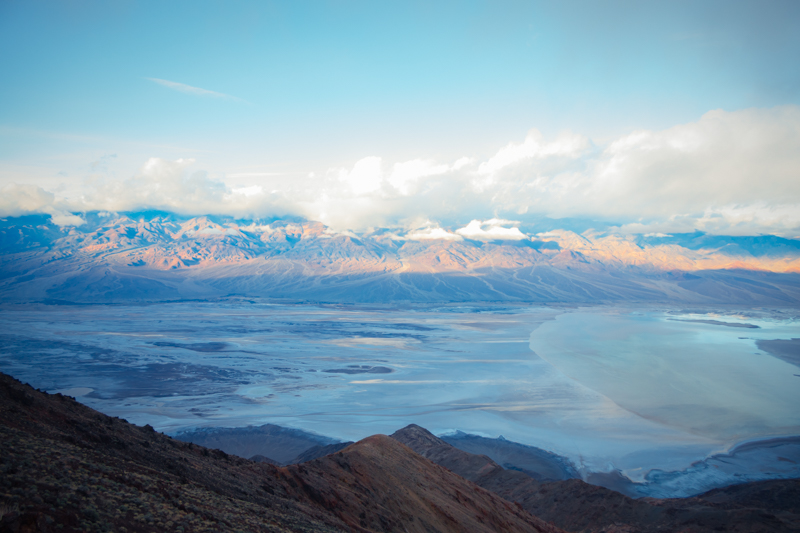
The next morning, we gave Zabriskie Point one more try at sunrise. And this time, it delivered. The clouds lifted just enough to reveal the full texture of the landscape and then, as if on cue, a rainbow stretched across the sky. It felt like the valley was giving us its final goodbye. We also drove up to Dante’s View, standing over 5,000 feet above the valley floor, taking in the full expanse of the park: salt flats, mountains, and all the places we had just explored. It’s one of the few places where you can truly grasp the scale of Death Valley.
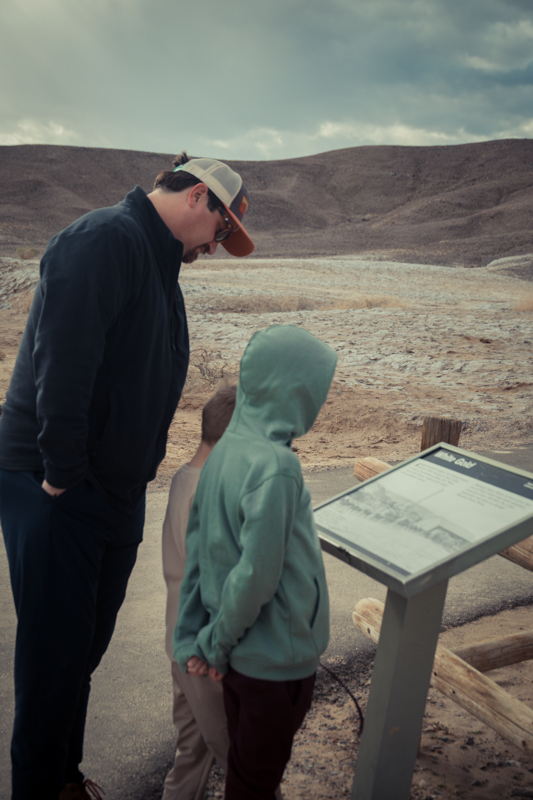
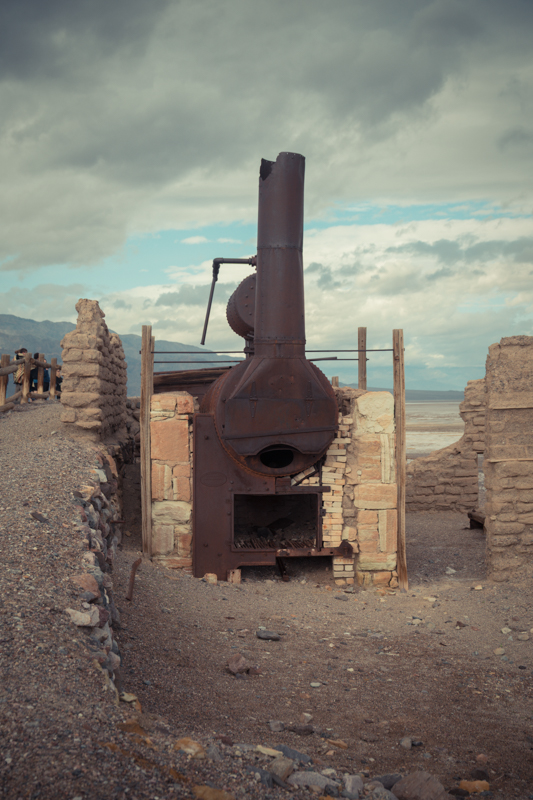
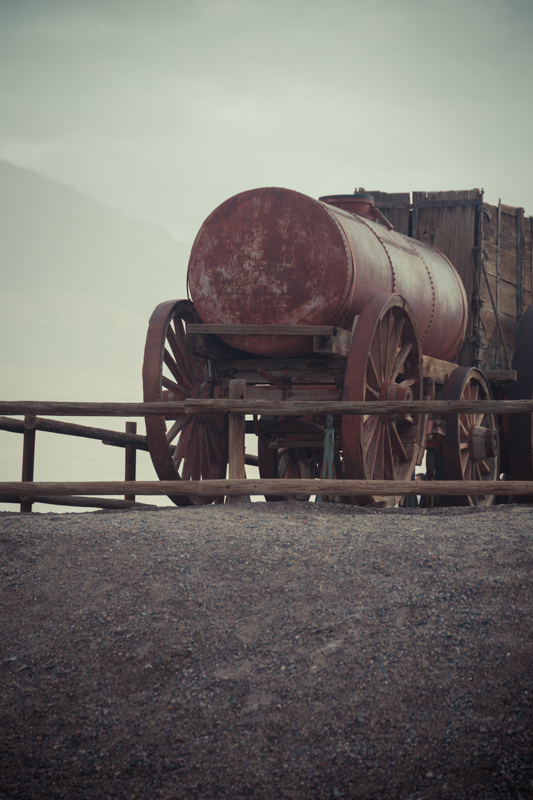
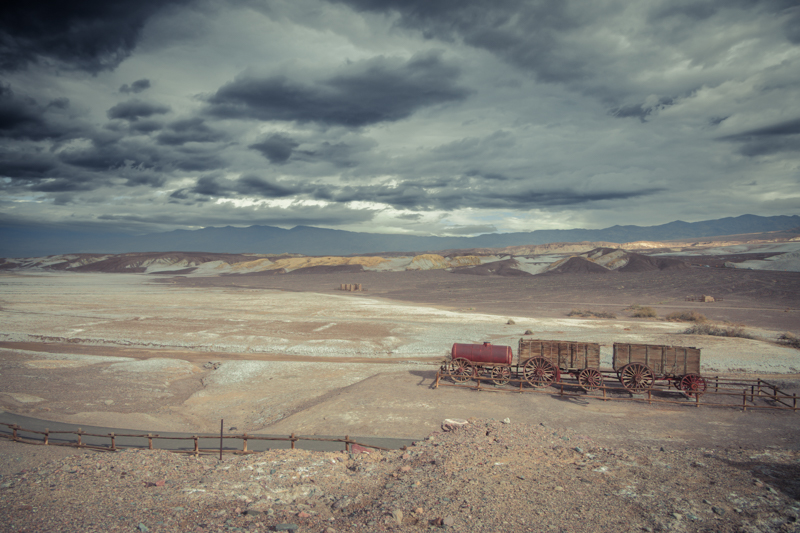
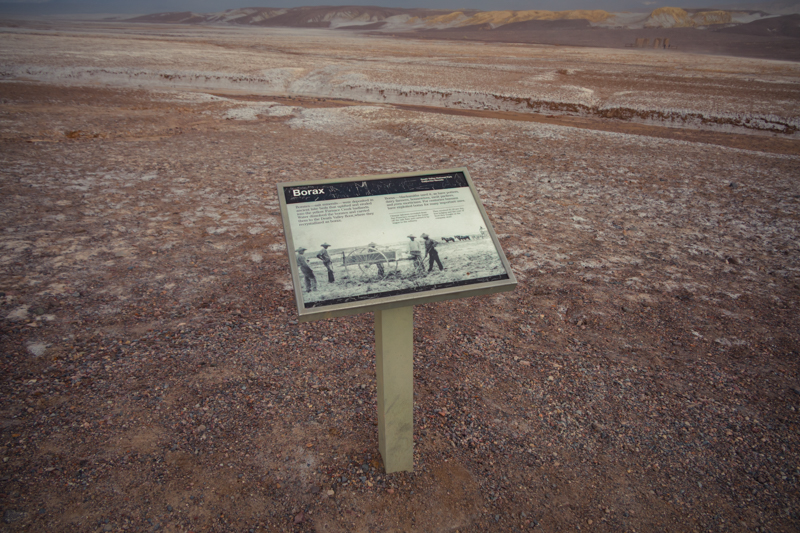
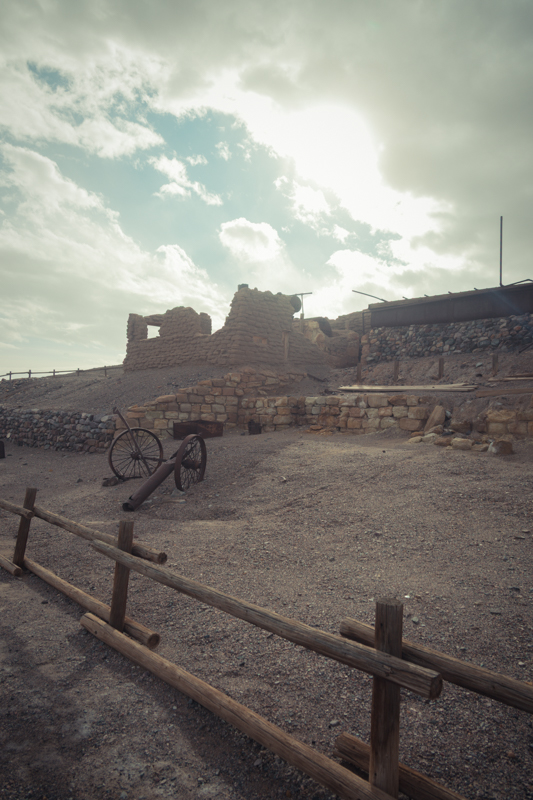
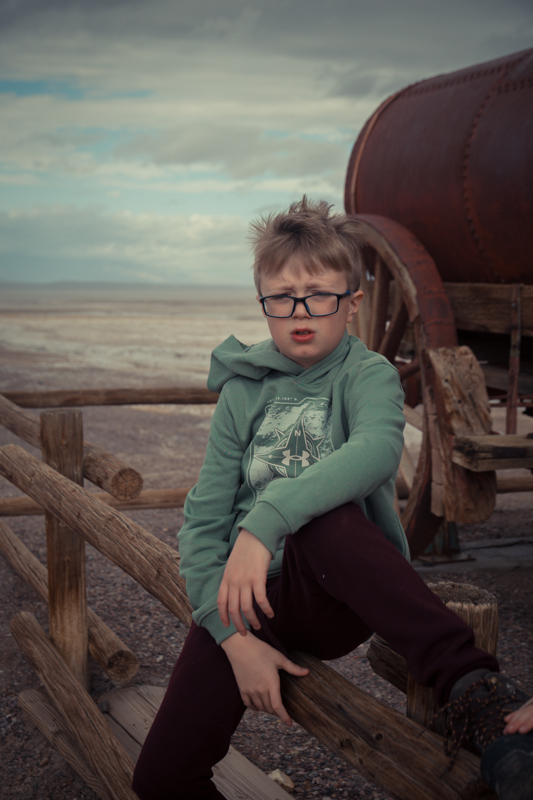
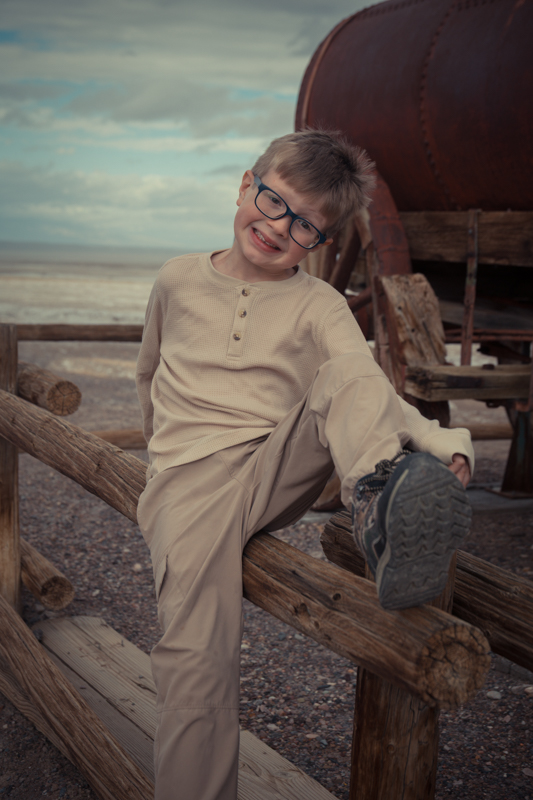
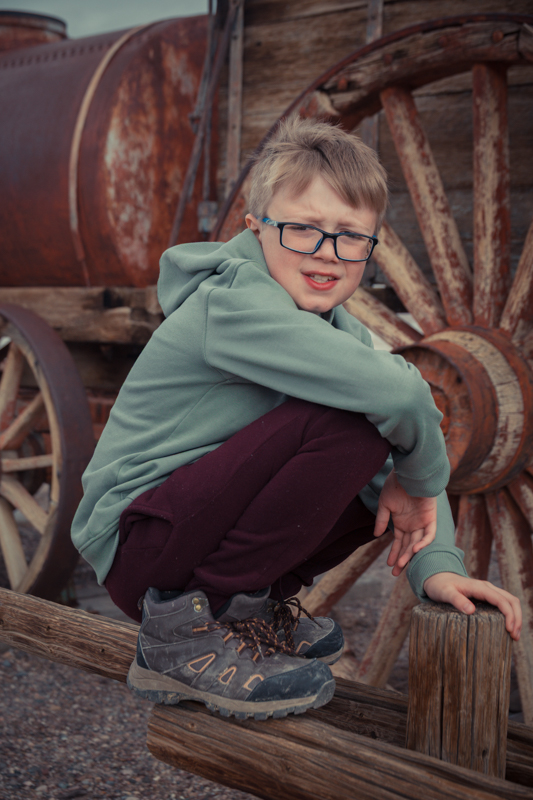
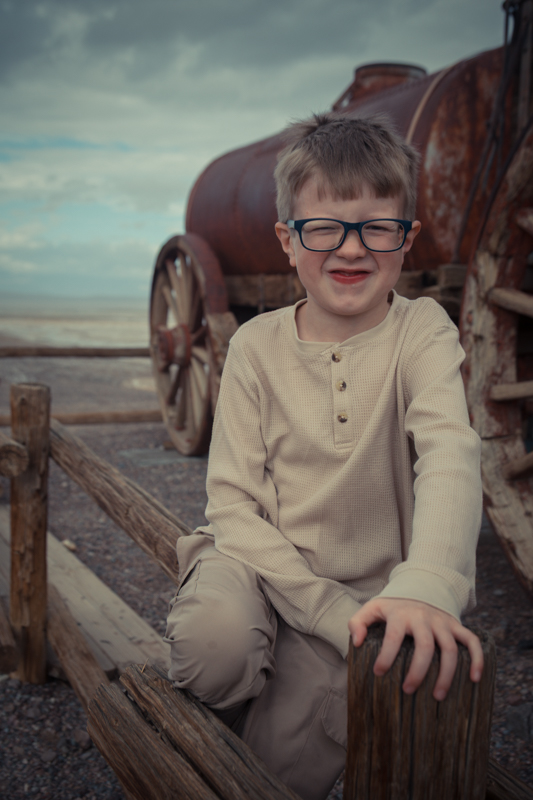
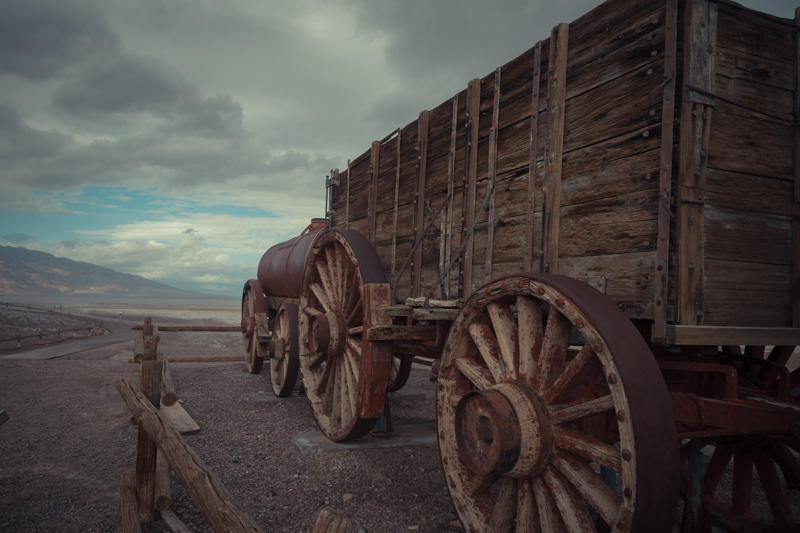
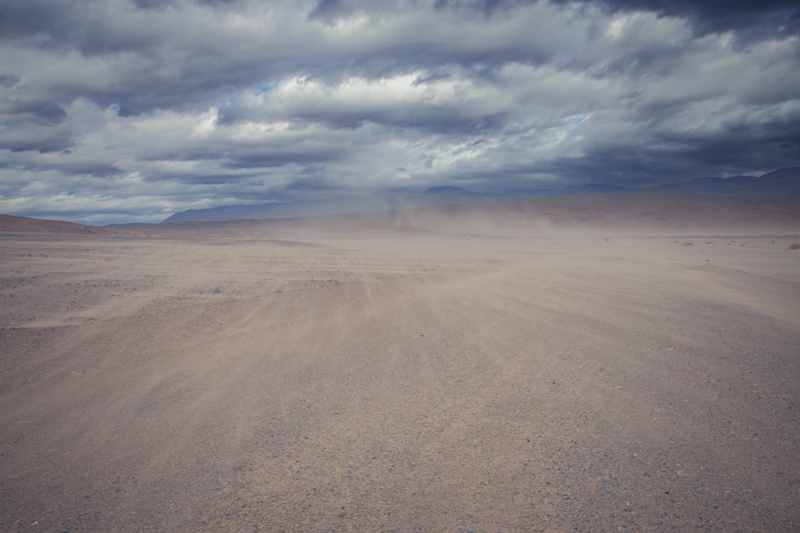
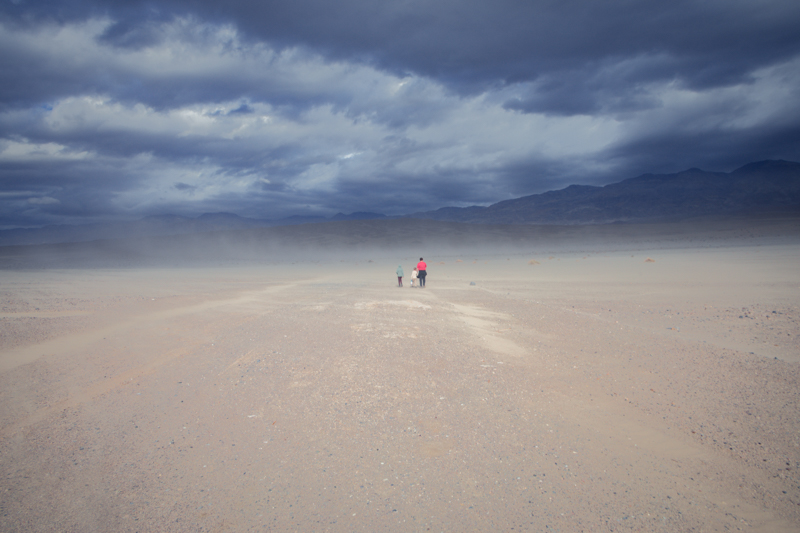
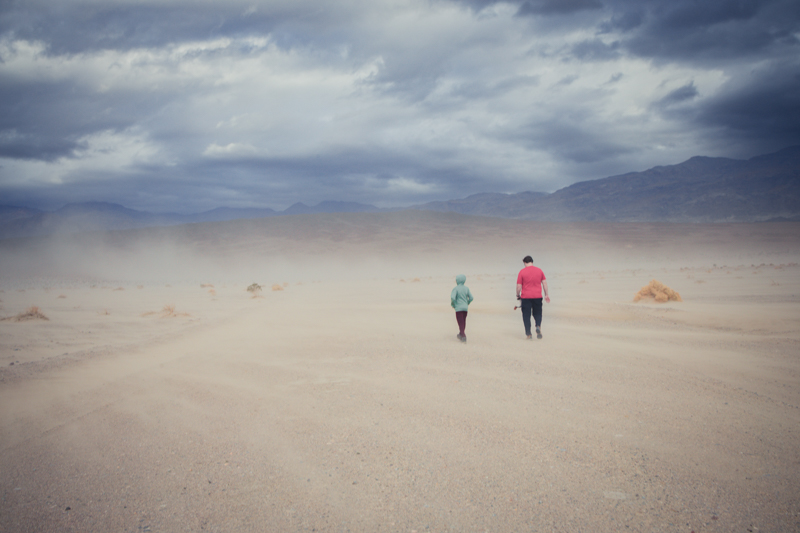
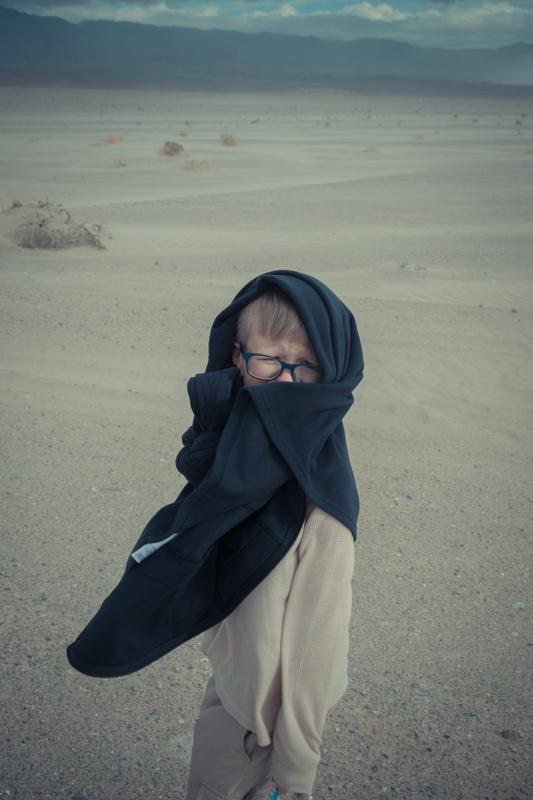
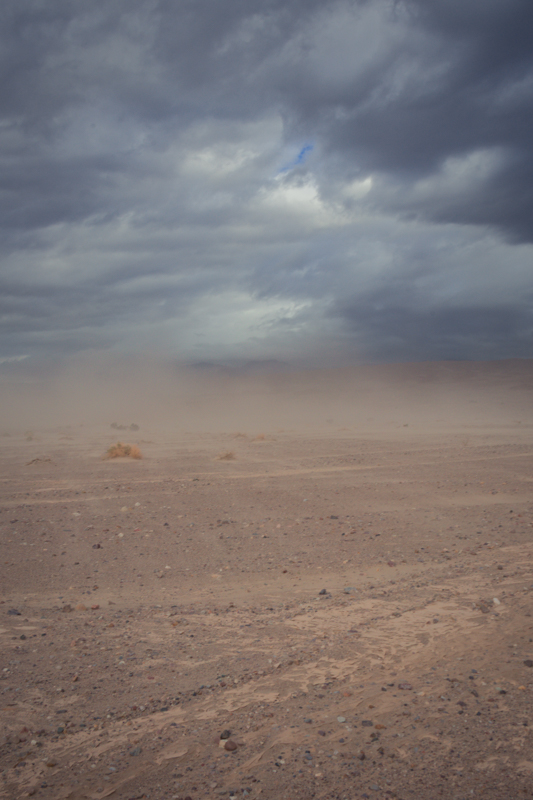
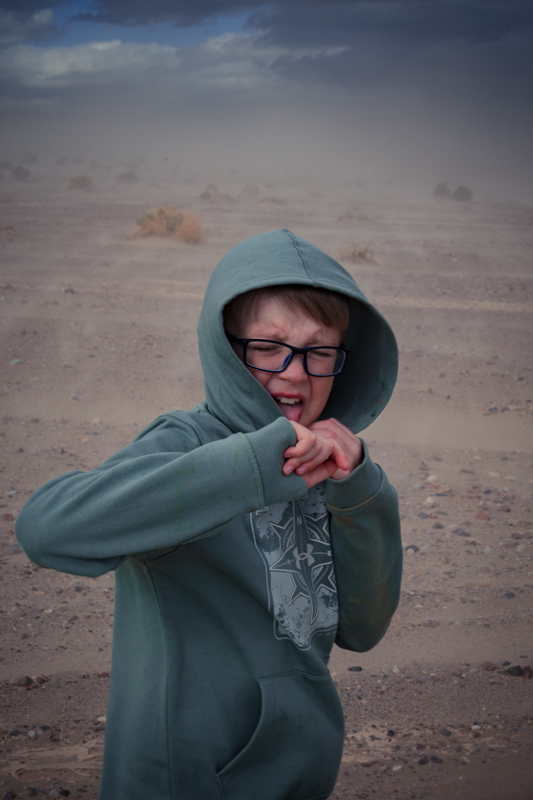
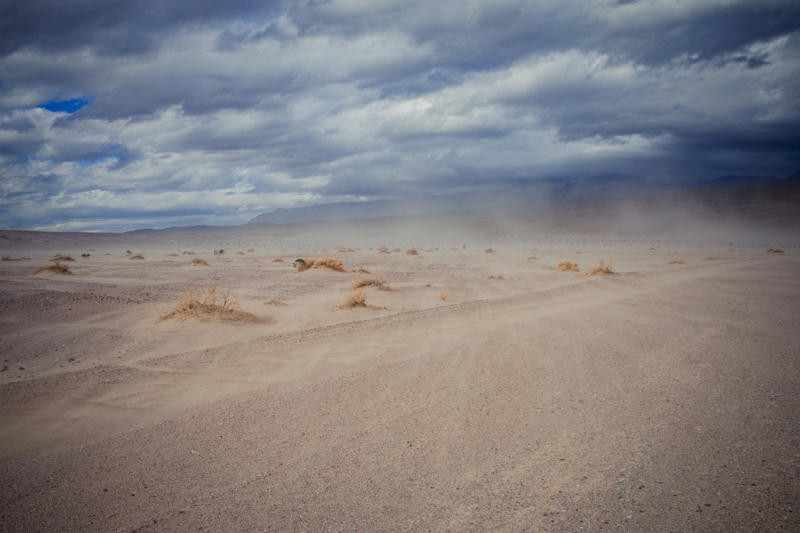
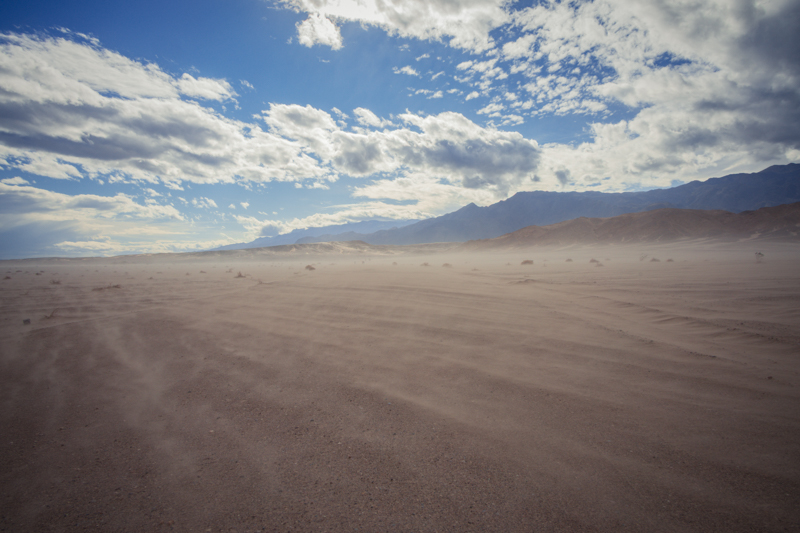
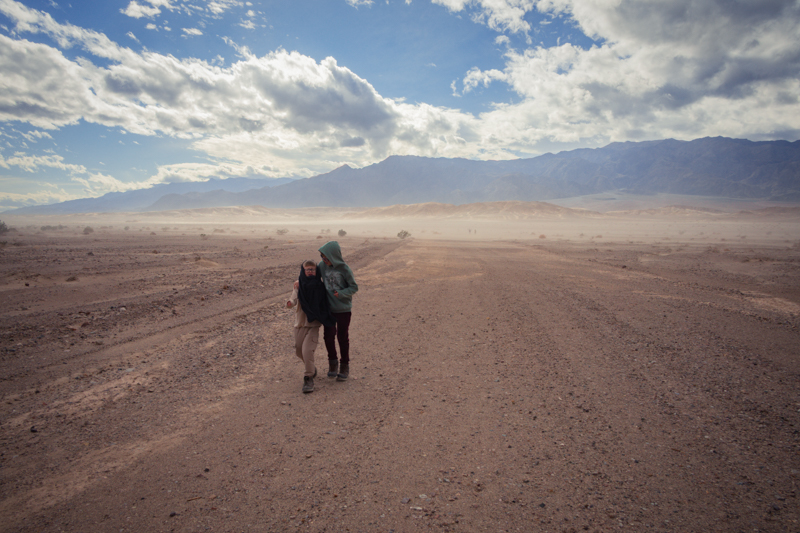
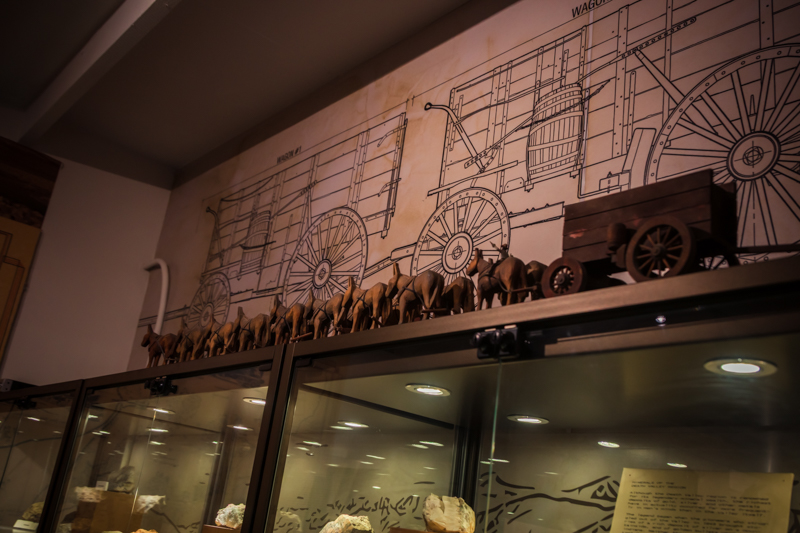
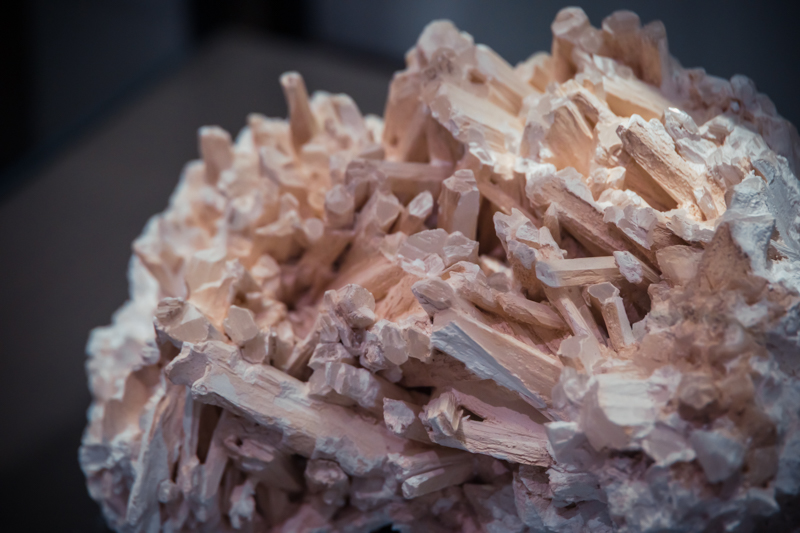
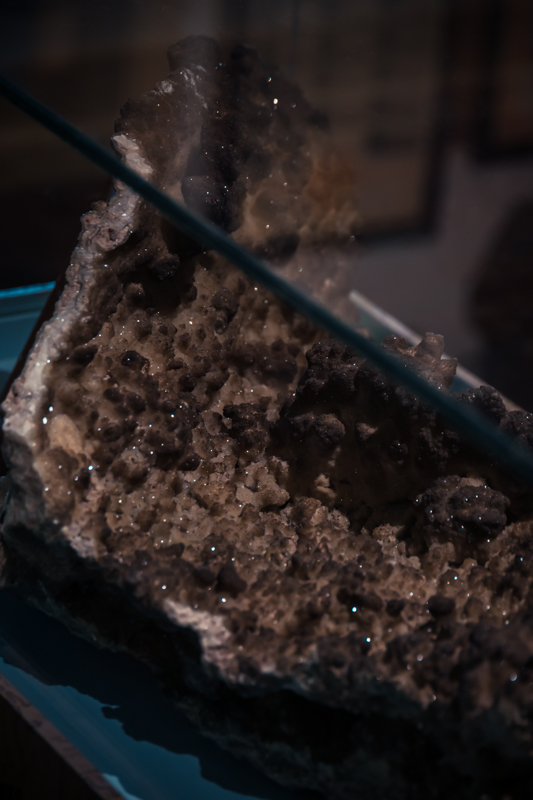
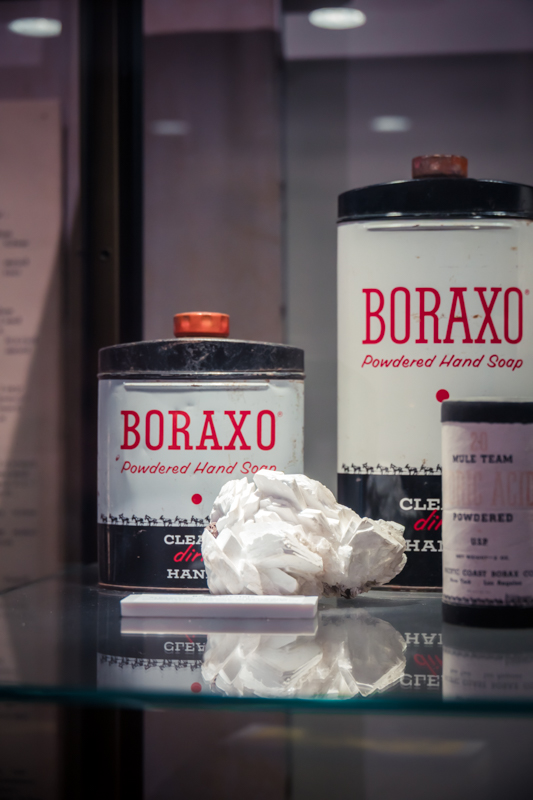
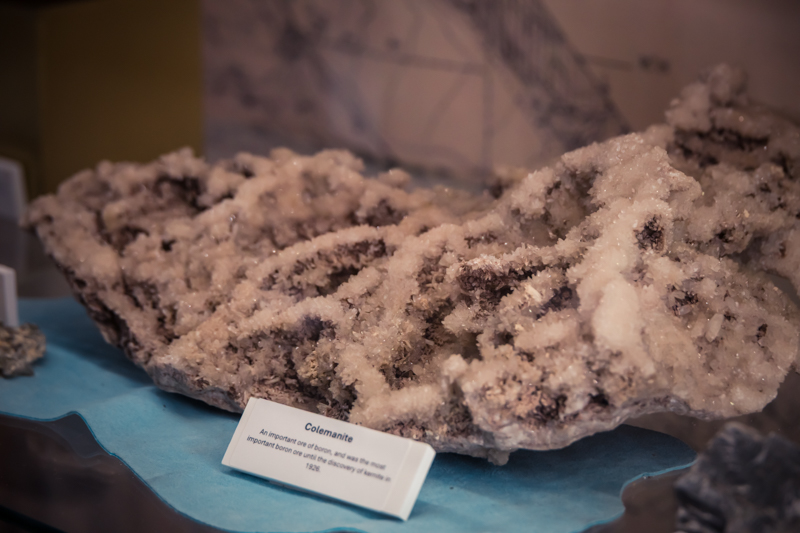
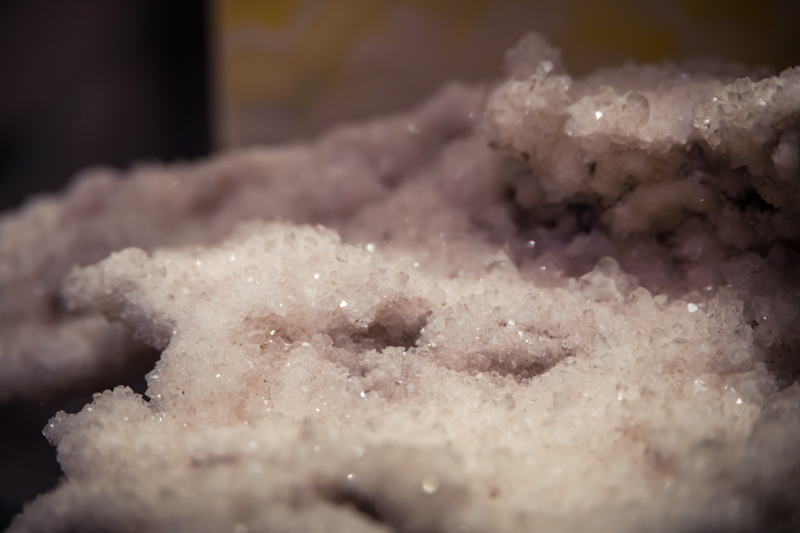
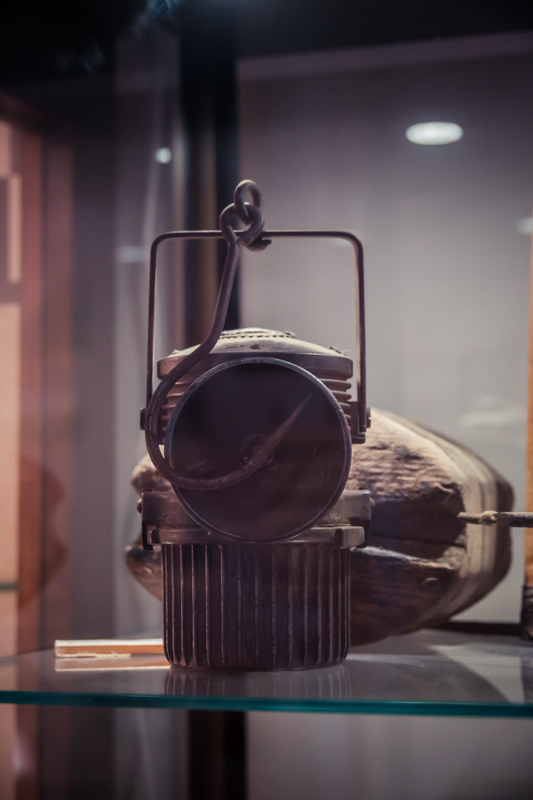
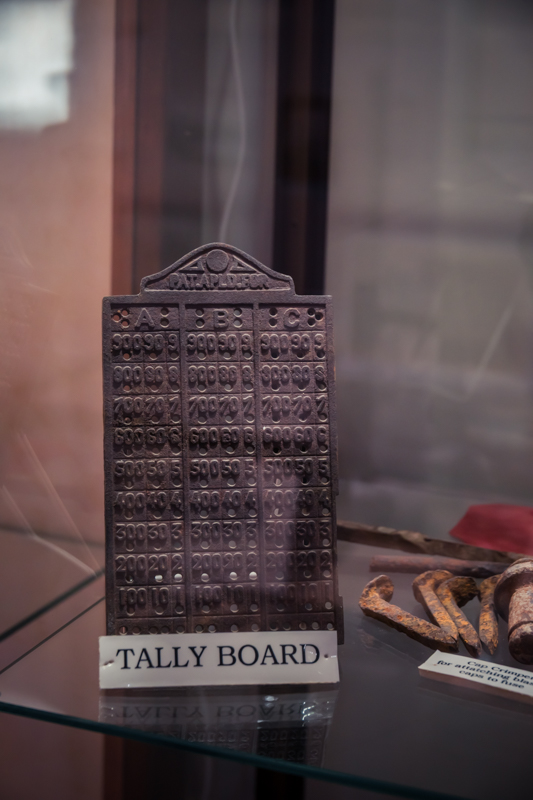
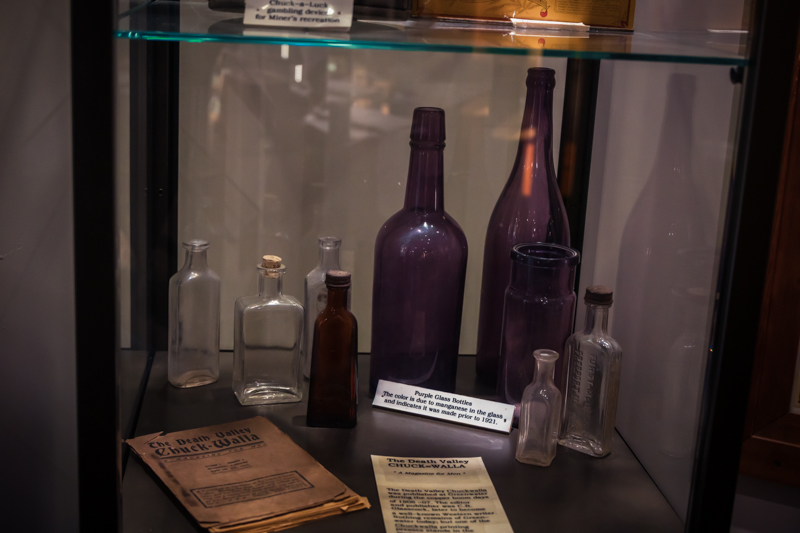
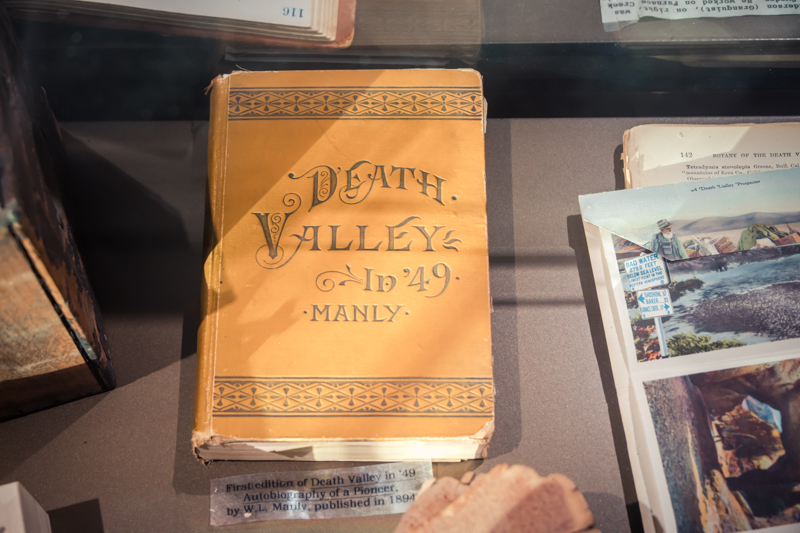
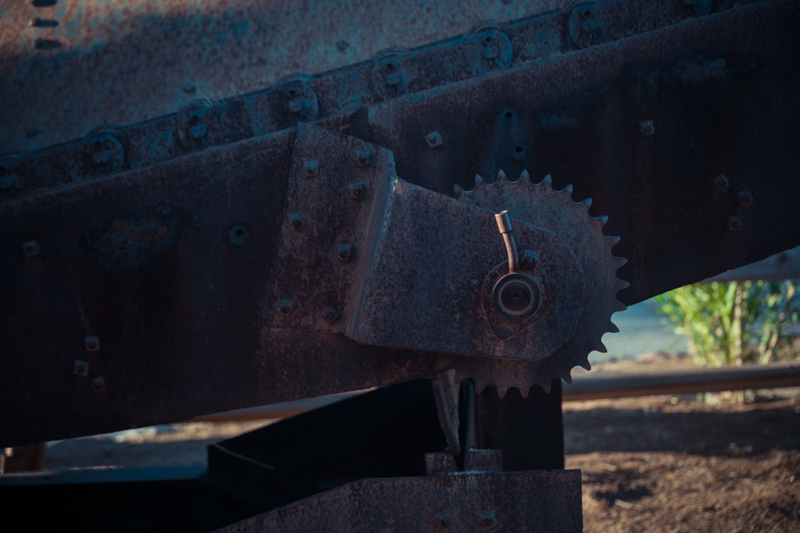
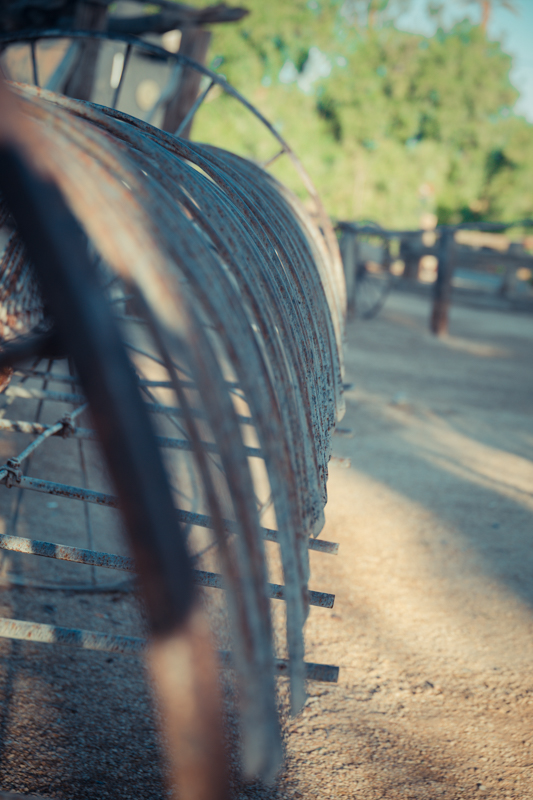
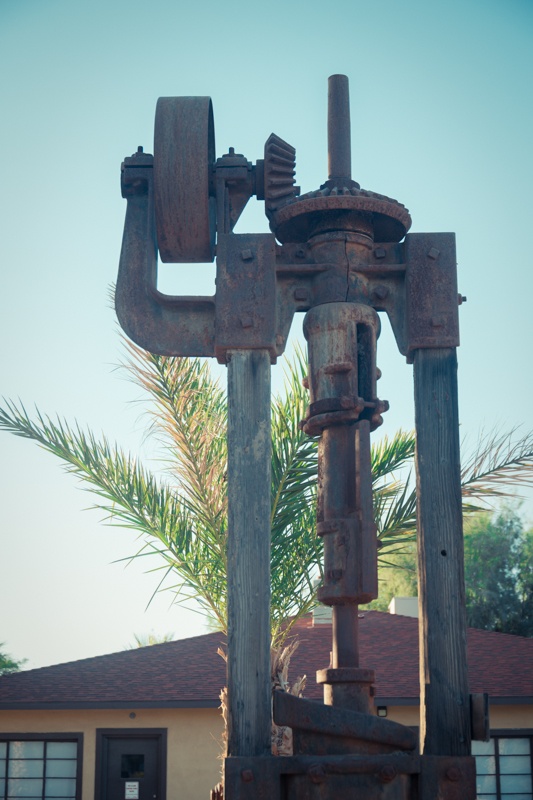
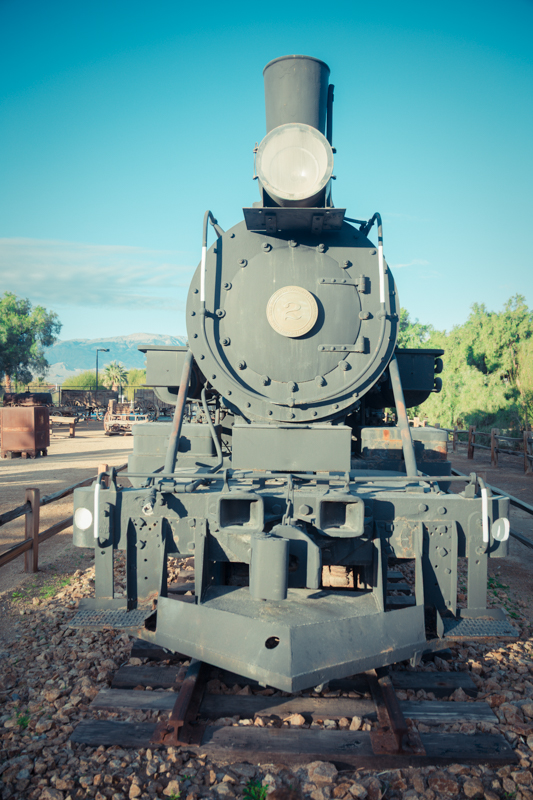
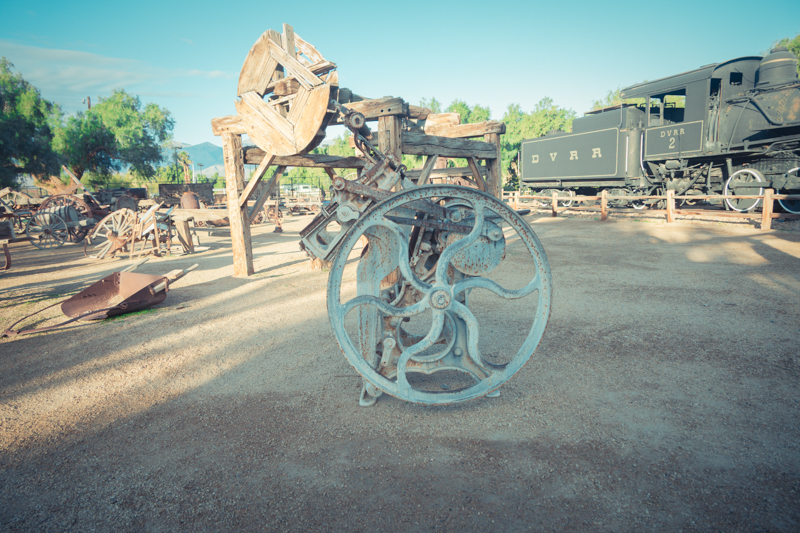
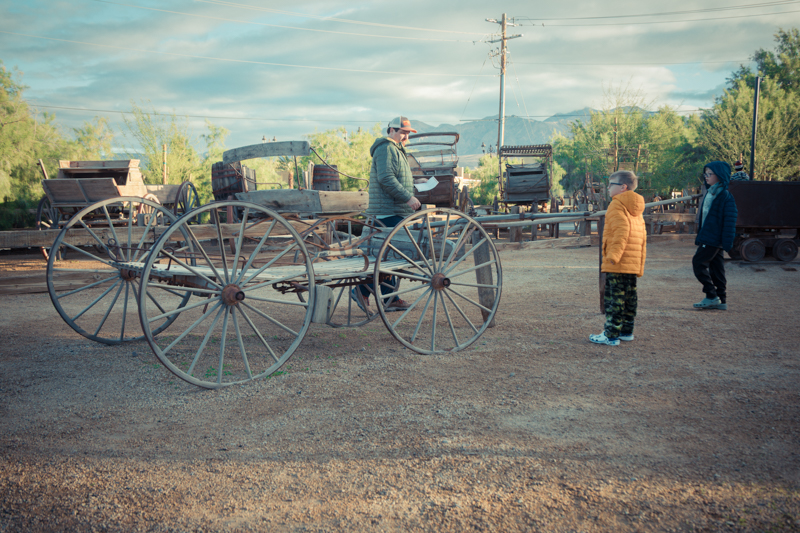
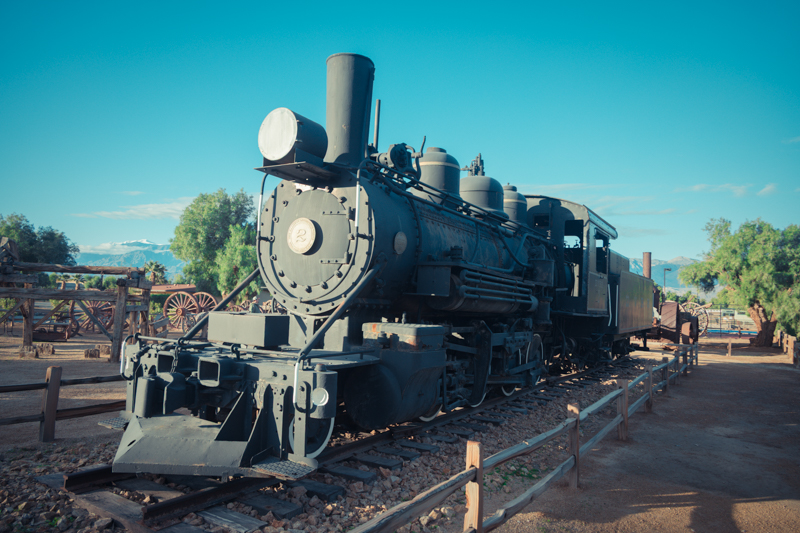
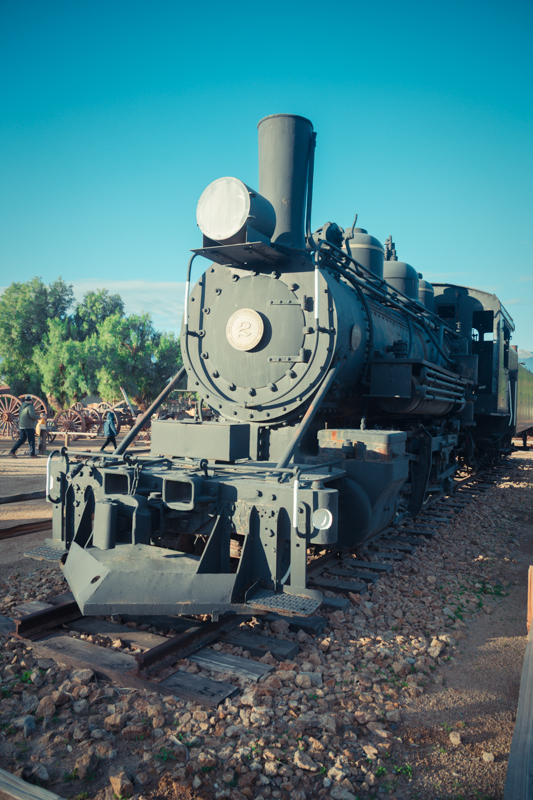
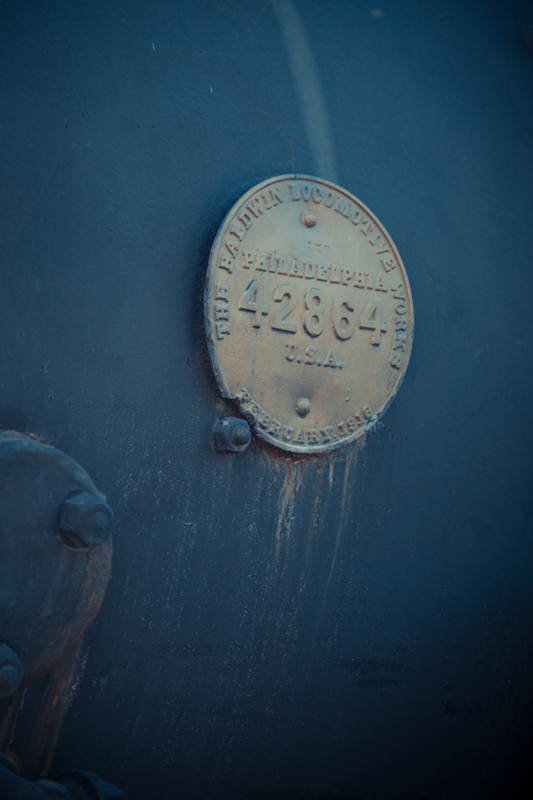
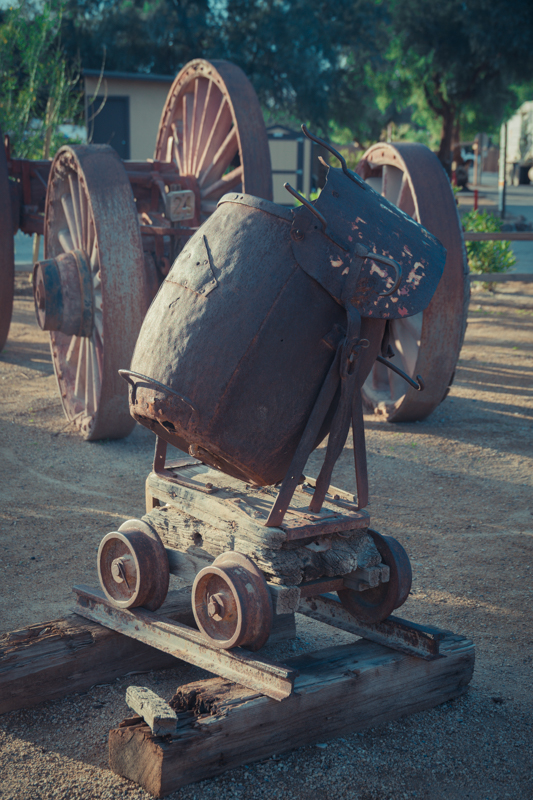
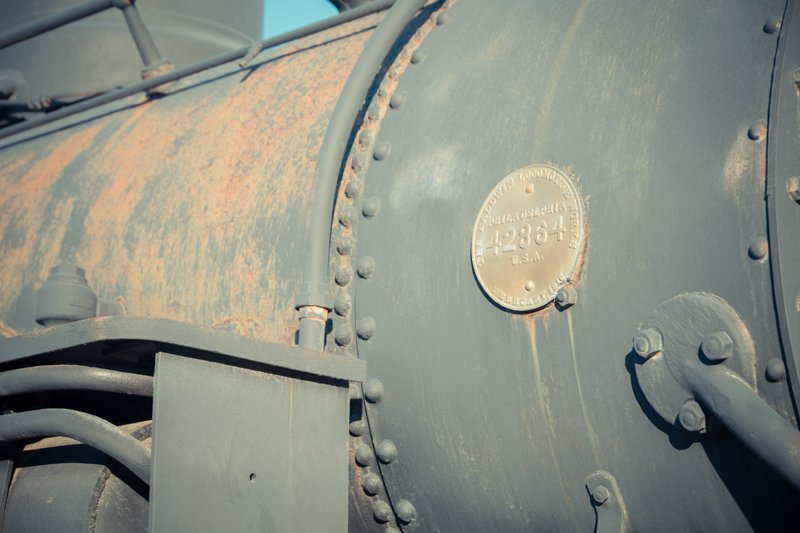
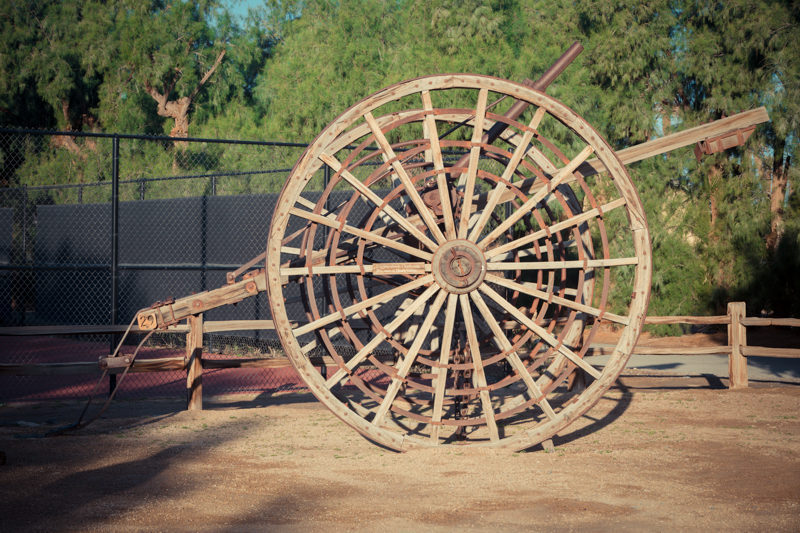
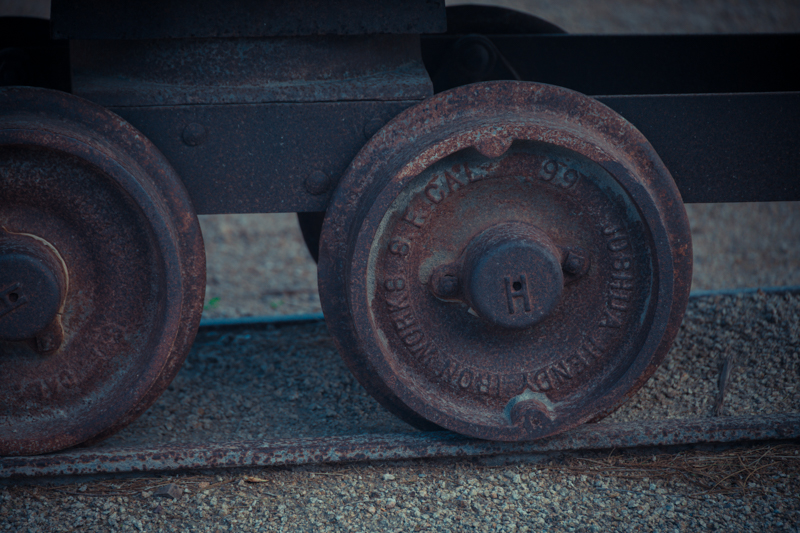
Throughout the day, we explored smaller trails and learned about the park’s history: the borax industry, the famous twenty-mule teams that once hauled minerals across the desert, and the resilience it took to live and work in a place like this. At one point, we even found ourselves caught in a sandstorm, wind whipping across the valley, sand moving in waves around us. It was intense, unexpected, and strangely beautiful.
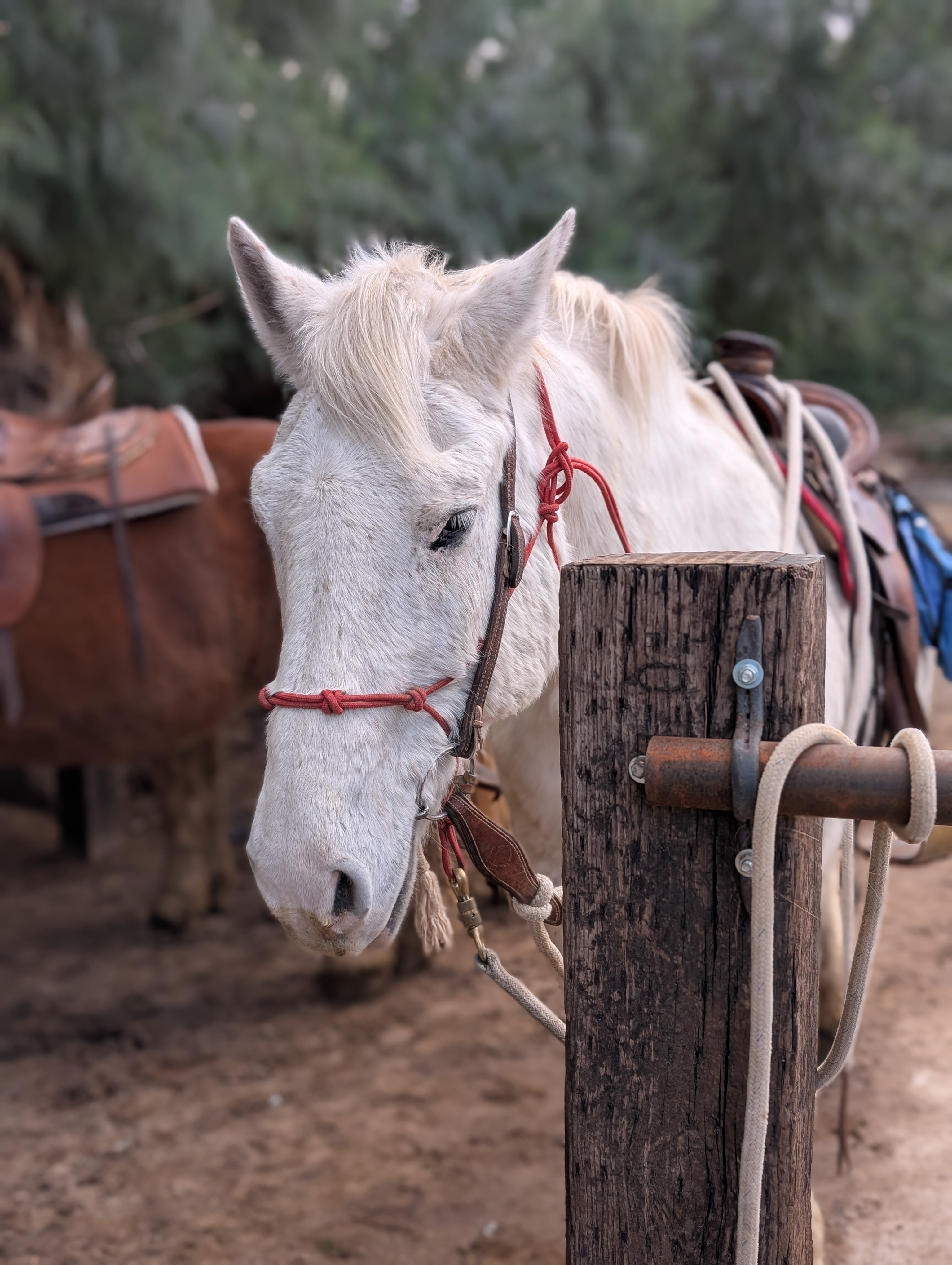
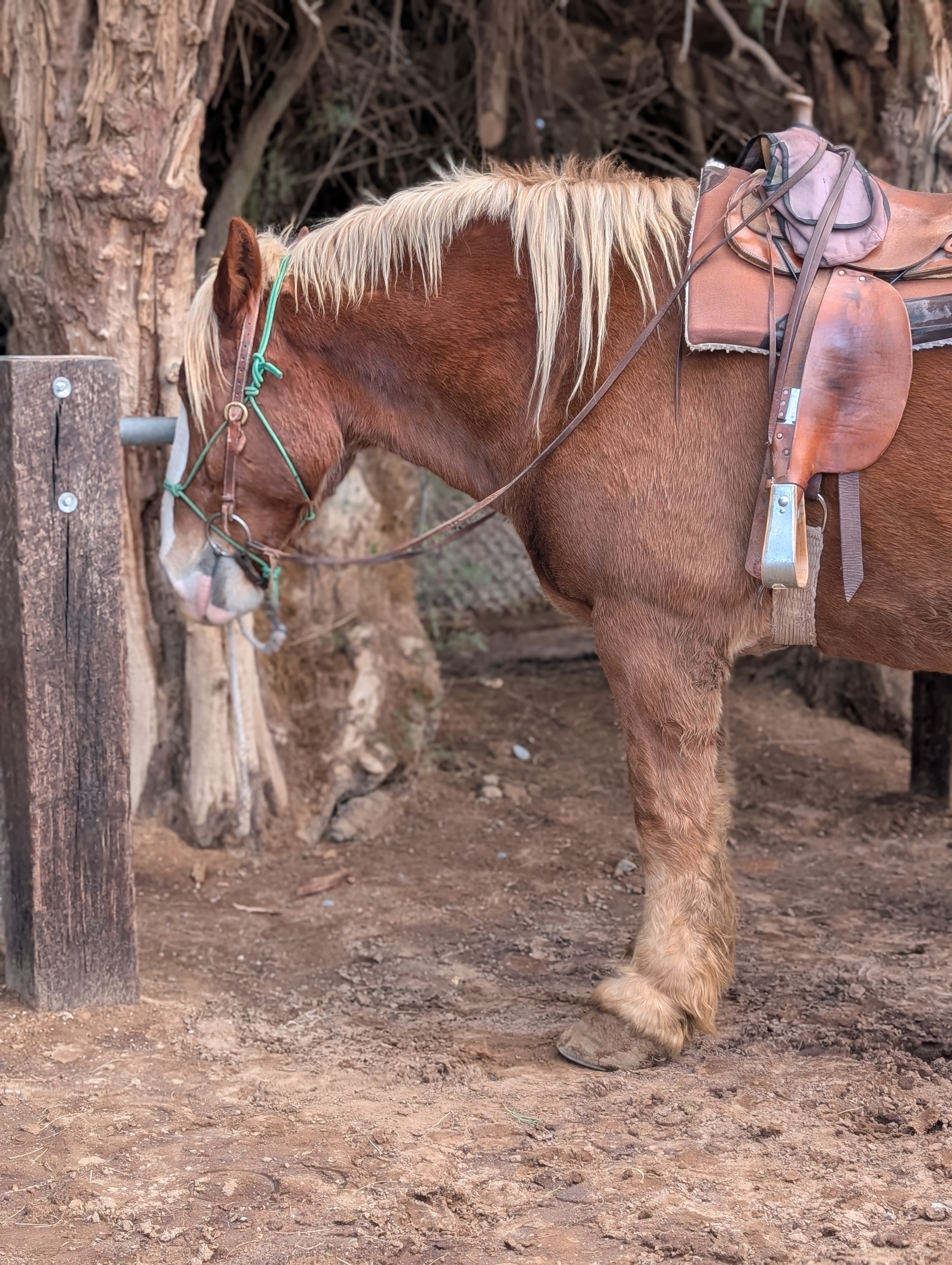
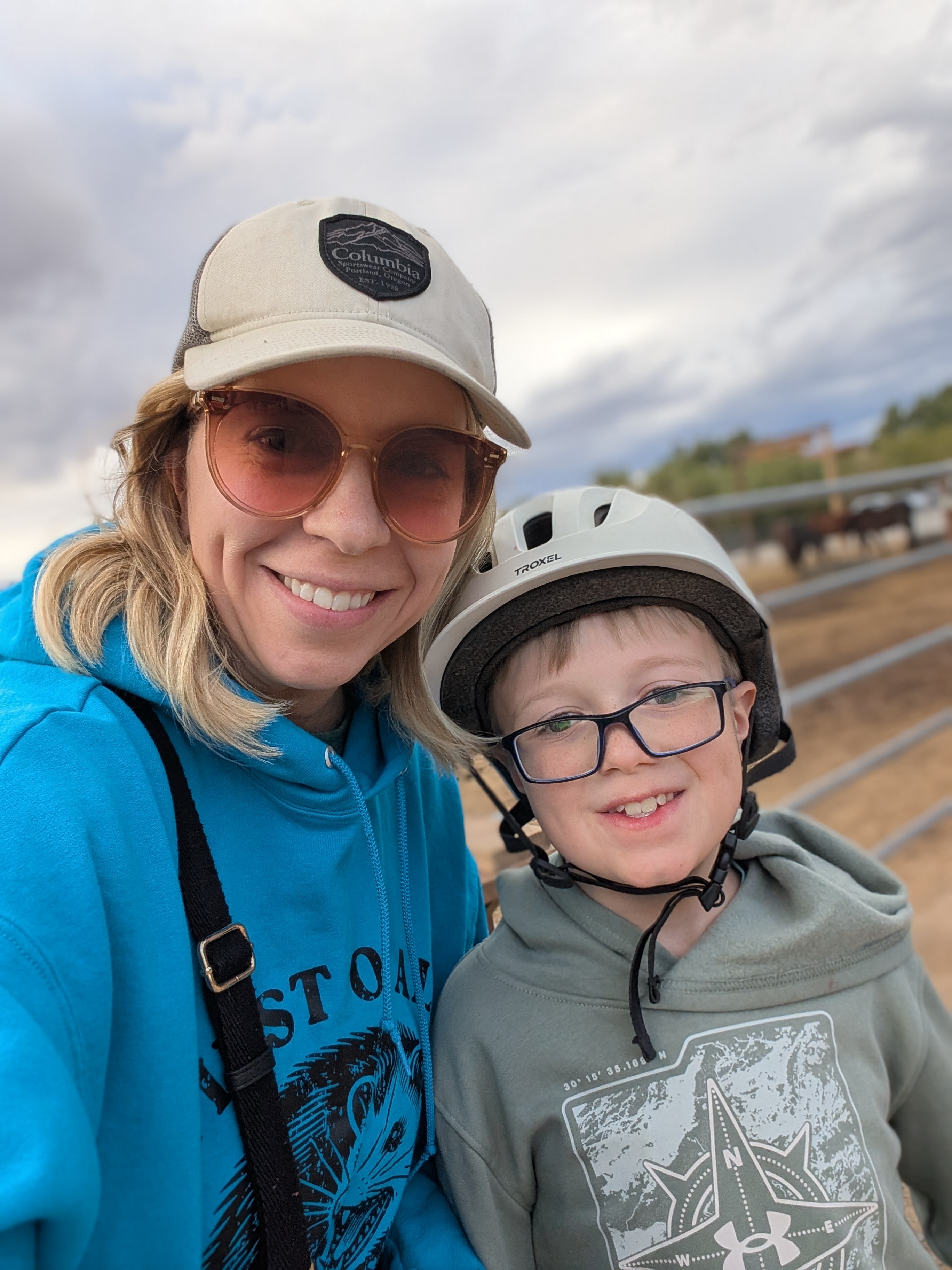
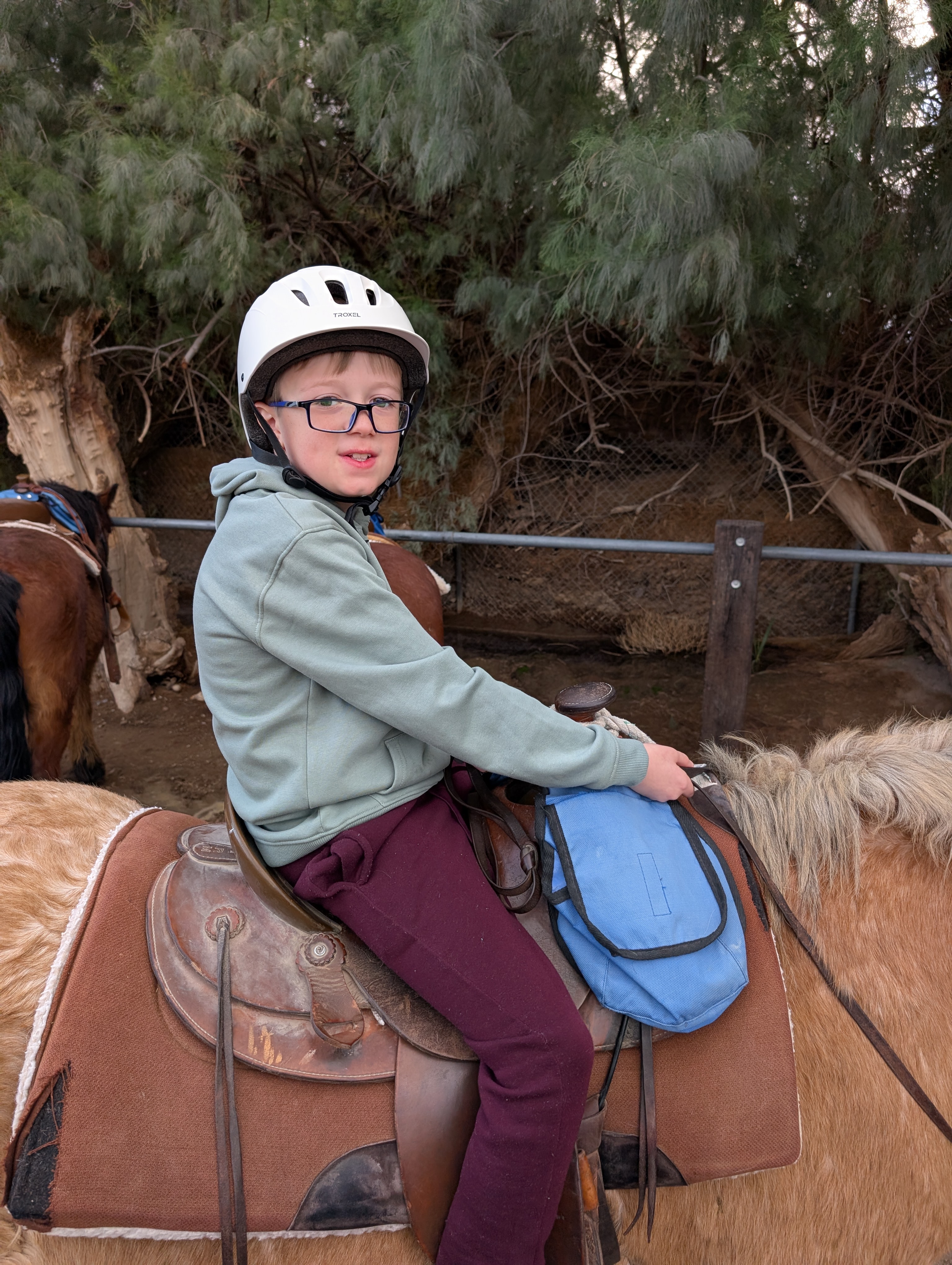
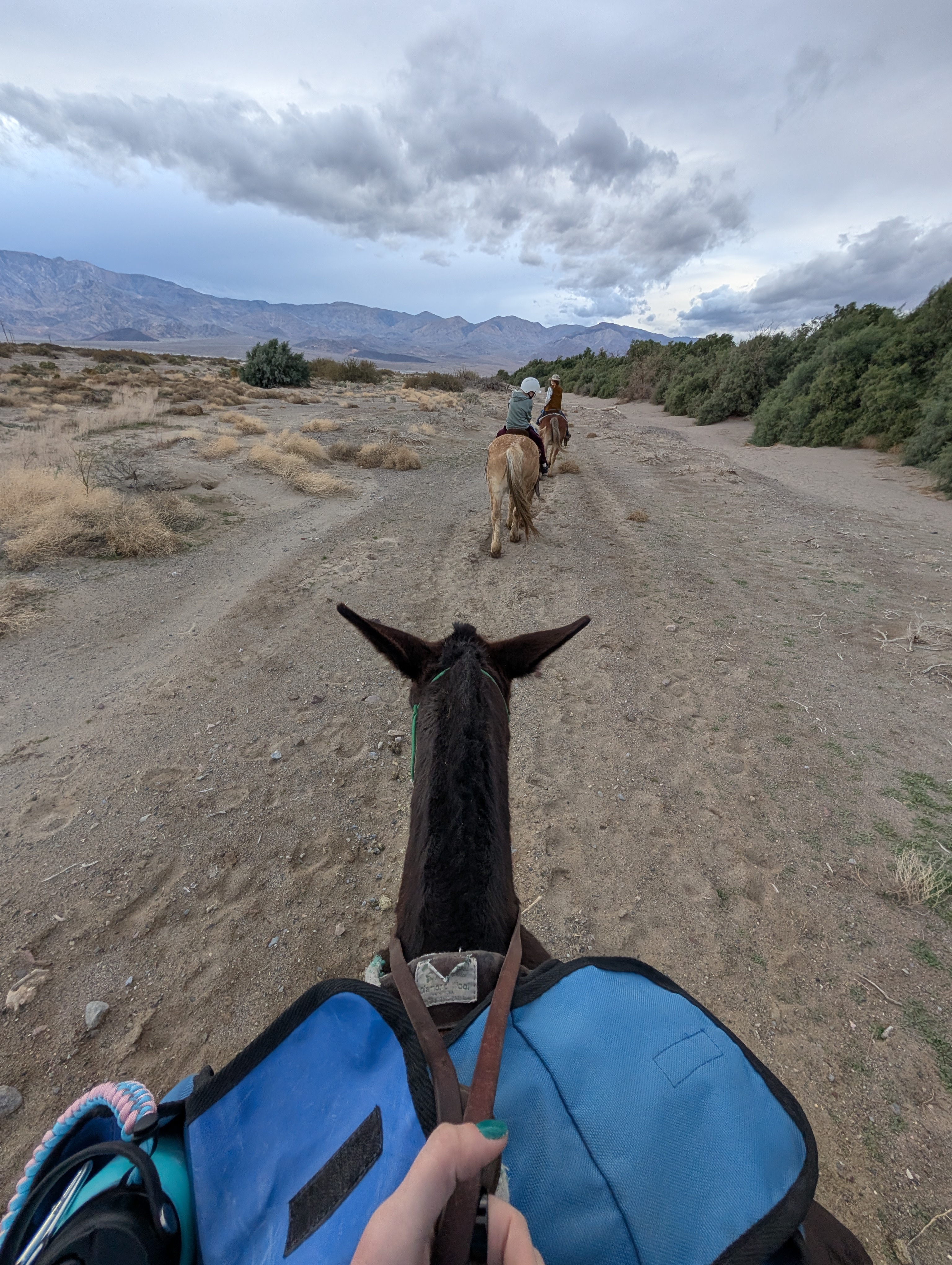
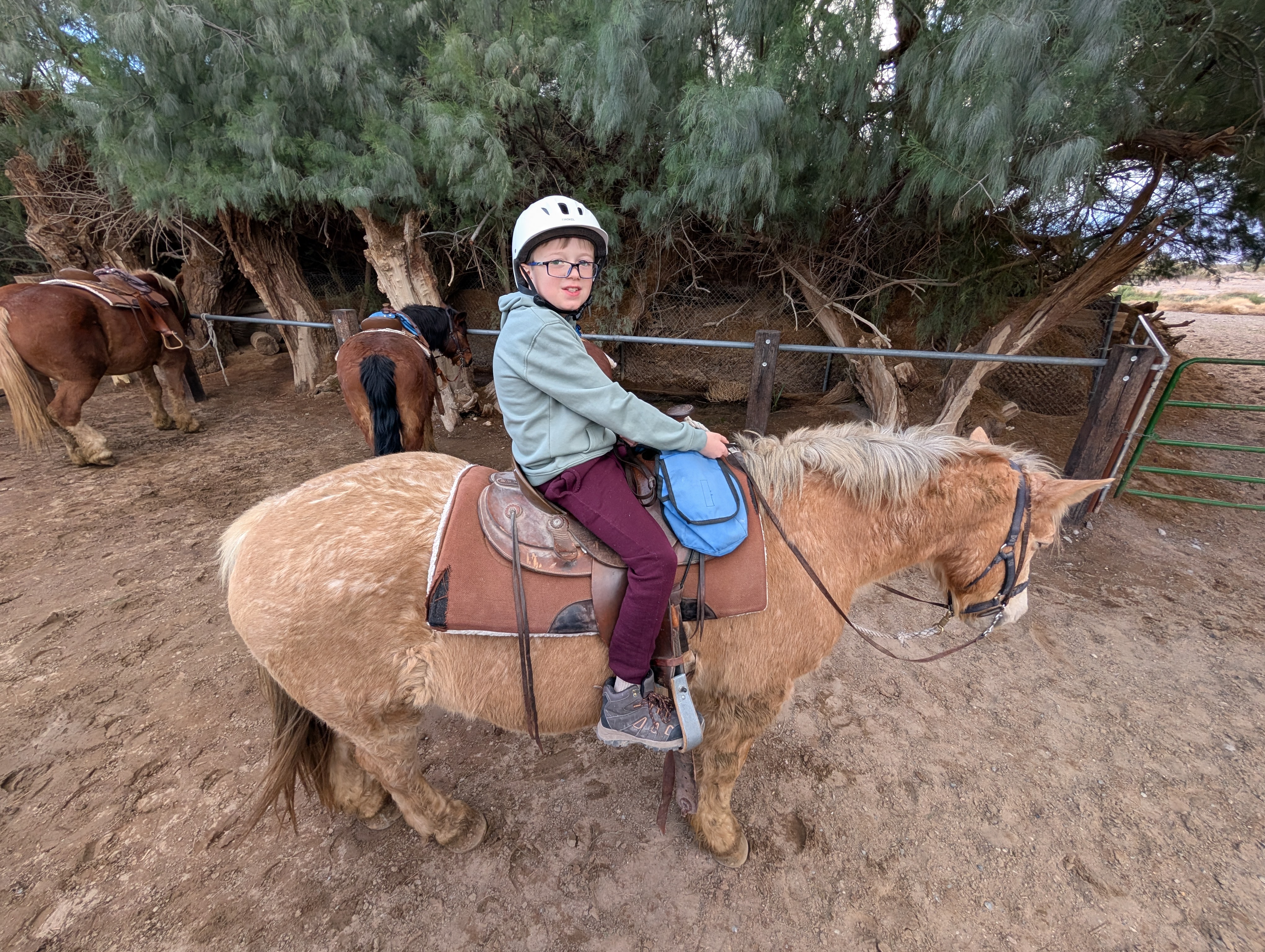
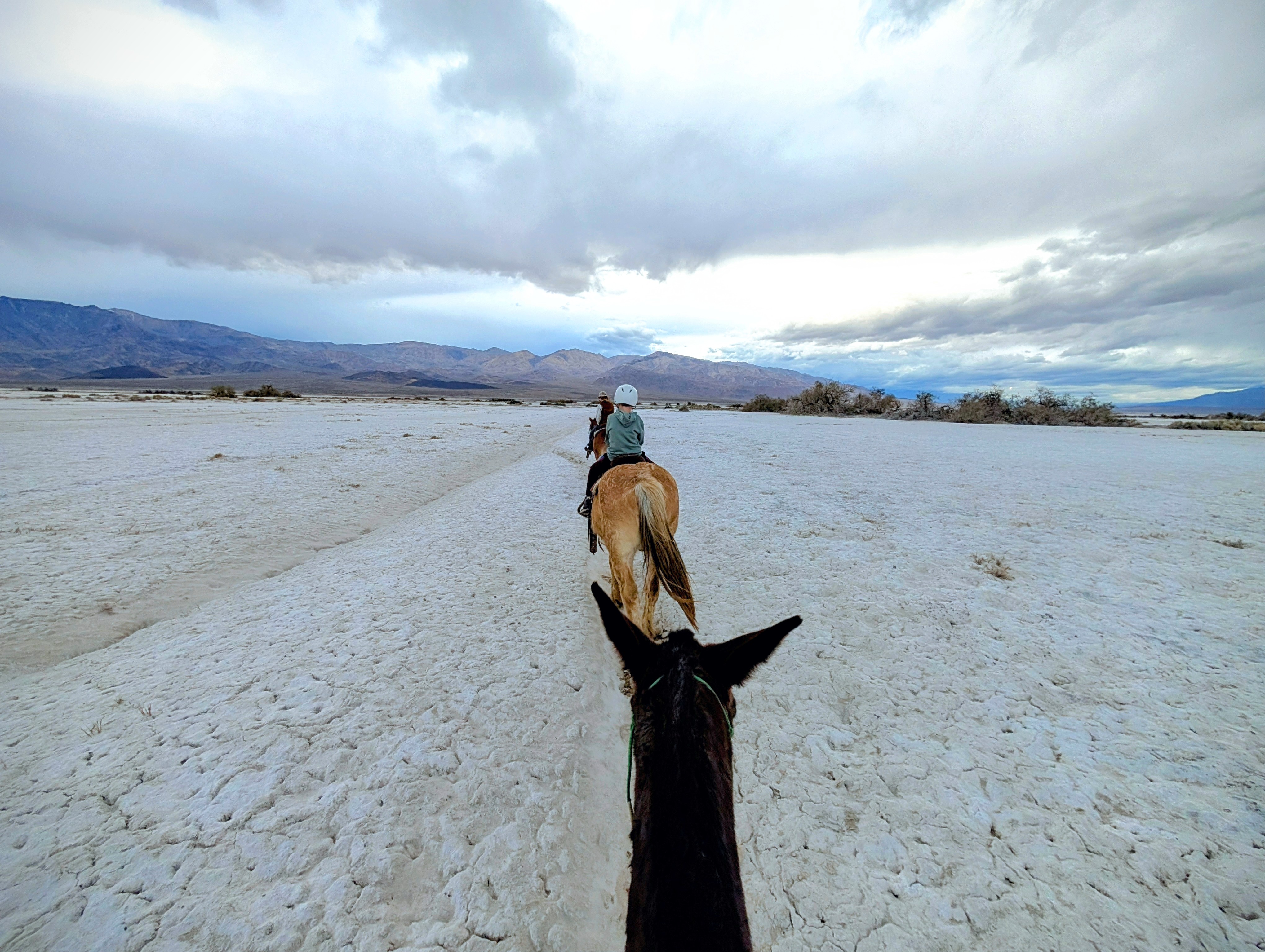
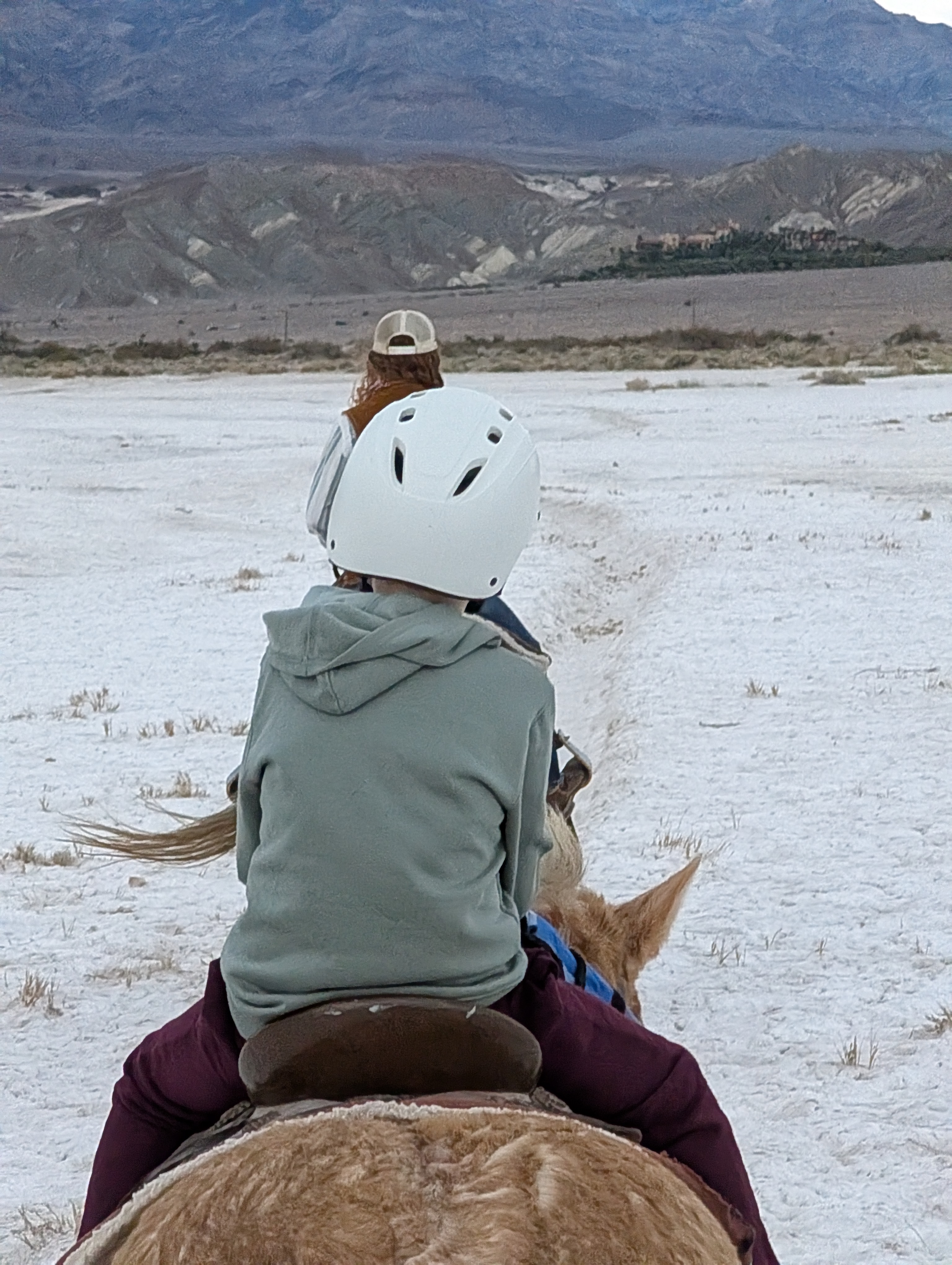
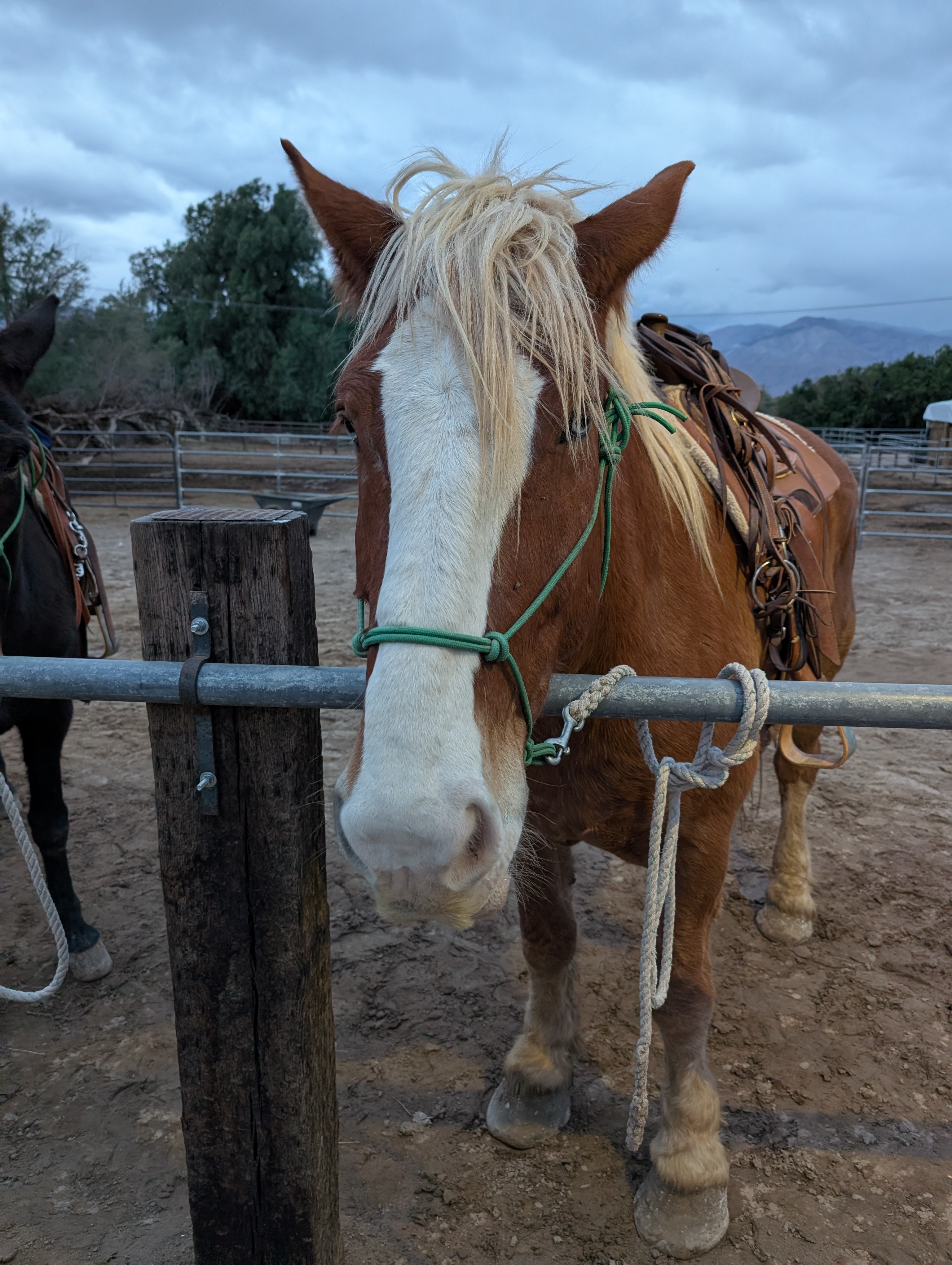
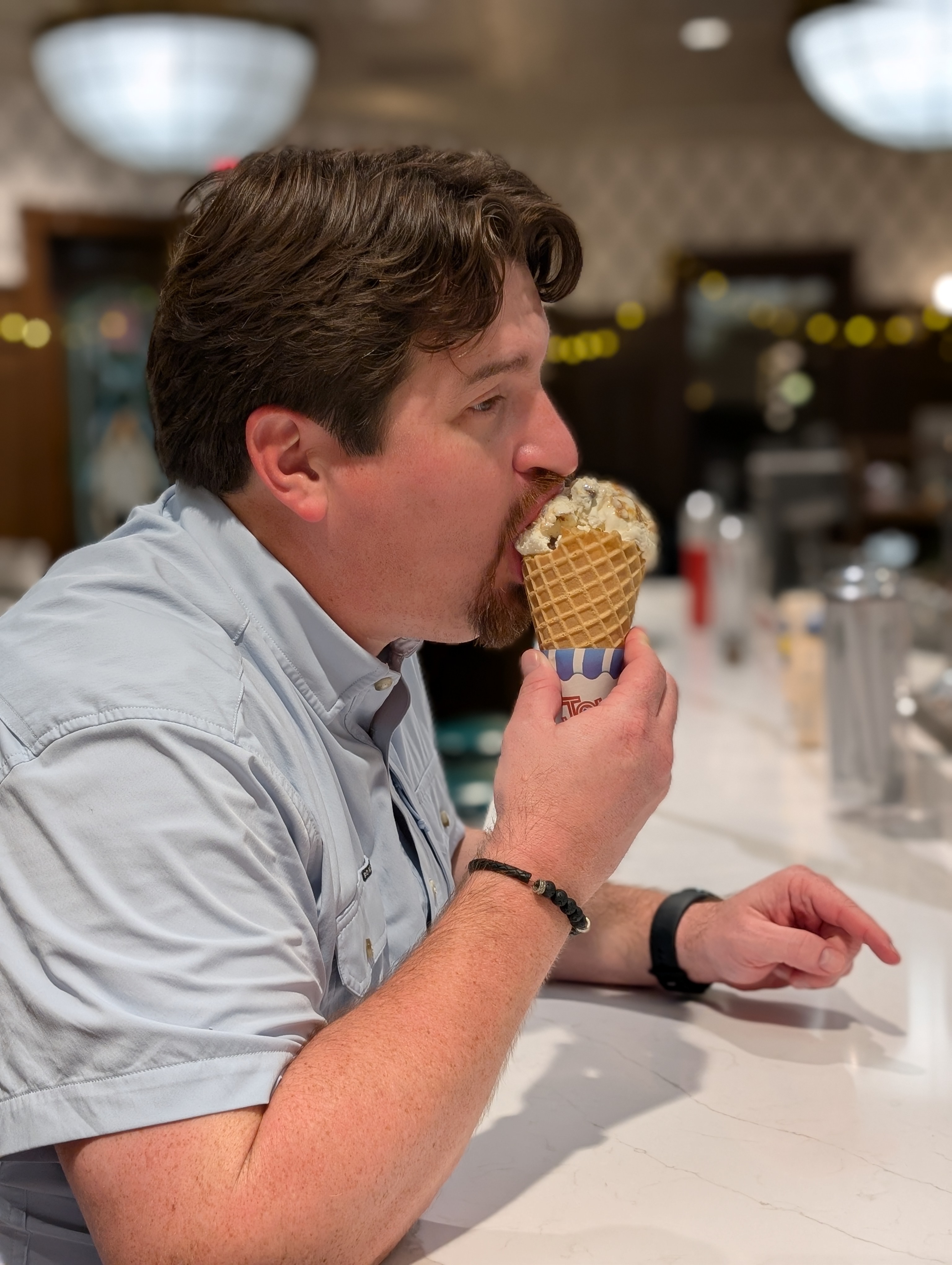
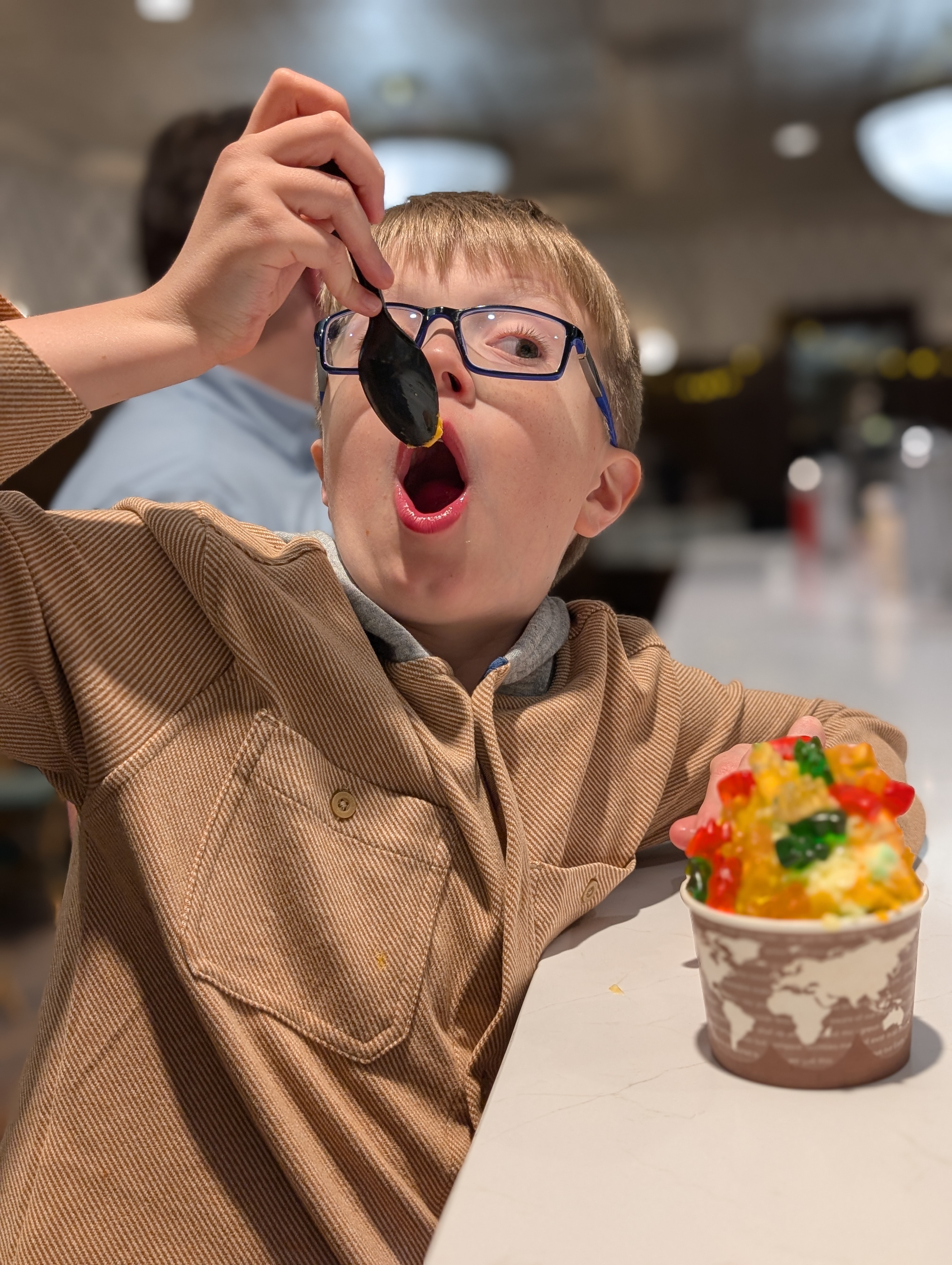
Later that evening, E and I took a quiet horseback ride through the valley, slowing everything down and taking it all in from a different perspective. We ended our last night in the simplest way, ice cream at the resort’s old-fashioned parlor.
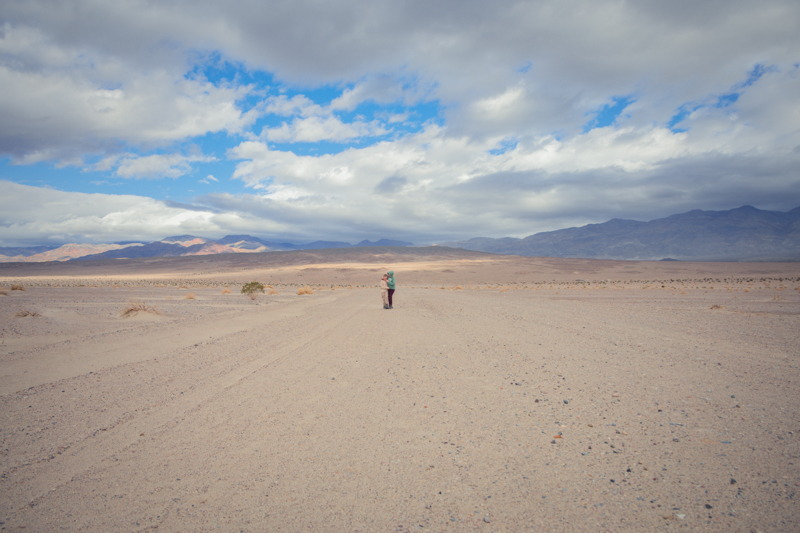
Death Valley surprised us in every possible way. It challenged our expectations, shifted our plans, and gave us moments we could have never planned for. It’s a place of extremes, yes, but also of quiet beauty, resilience, and perspective. And now, it holds something even more meaningful for us. A Christmas we’ll never forget.
Until next time,




Recent Comments